Kentucky Youth Firearms Weekend Dates
It can feel like you need a secret decoder ring just to keep up with all the special hunting seasons in Kentucky, especially when you're trying to introduce a young hunter to the incredible tradition of deer hunting. Missing a date or misunderstanding a rule can spoil an otherwise perfect weekend in the woods. This comprehensive guide is here to clear up all the confusion around the Kentucky Youth Firearms Weekend, ensuring you have the most up-to-date information on dates, regulations, and how to make this experience unforgettable for your young outdoors enthusiast.
Understanding Kentucky's Youth Firearms Deer Season
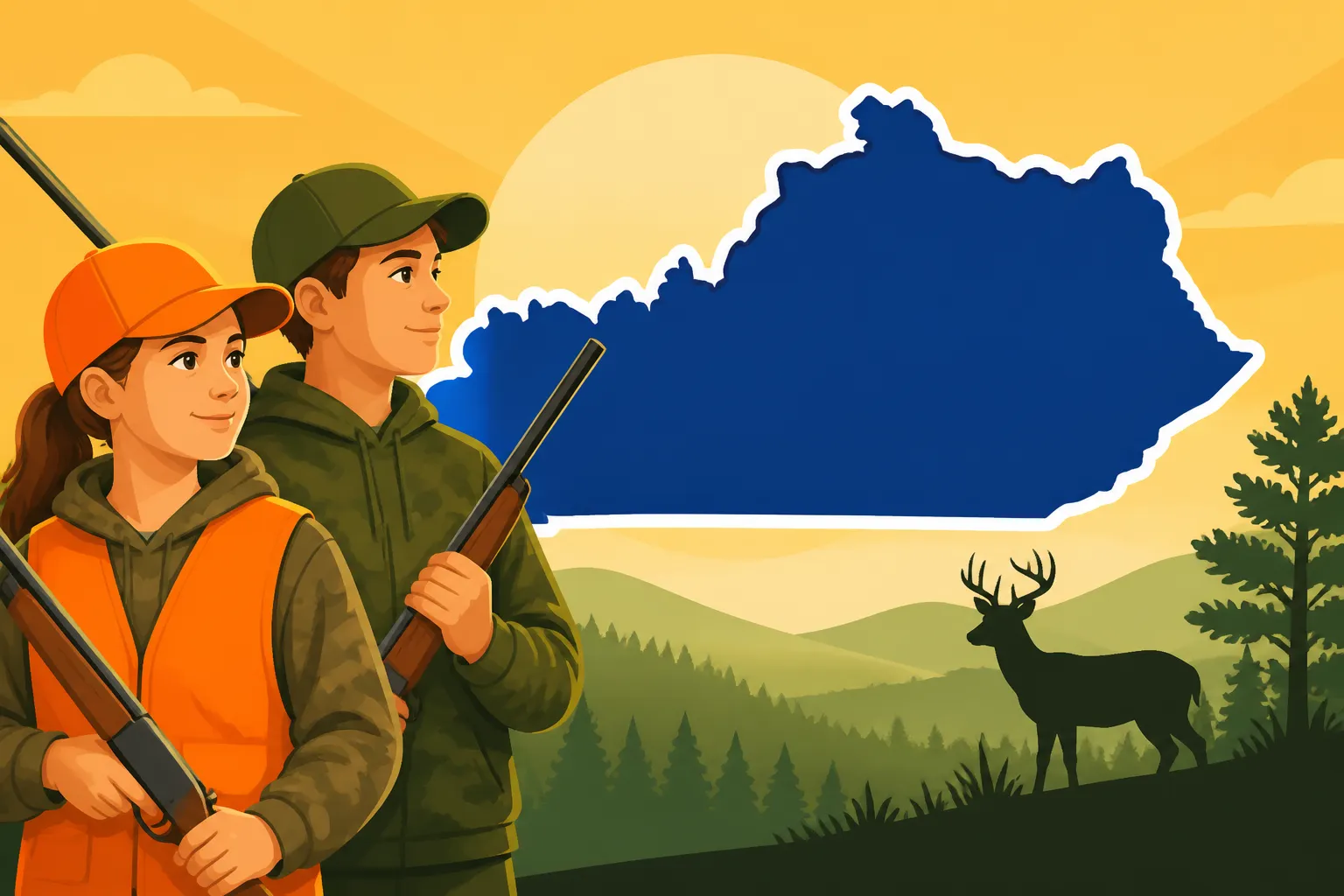
Kentucky's Youth Firearms Deer Season is a fantastic opportunity, specifically carved out to give young hunters a dedicated window to pursue deer with firearms. It's designed to be a less crowded, more focused experience, often falling just before the hustle and bustle of the statewide modern gun season. This special weekend is all about fostering a love for hunting and conservation in the next generation, under the guidance of experienced mentors.
The Core Dates for the Youth Firearms Weekend
The Kentucky Youth Firearms Deer Season typically lands on the first full weekend of October. While the exact calendar dates shift slightly from year to year, knowing this general timeframe gives you a solid starting point for planning. For instance, in 2023, the season ran from October 7-8. Looking ahead, the Kentucky Department of Fish and Wildlife Resources (KDFWR) usually announces these dates well in advance. It's always, always a good idea to check the official KDFWR hunting guide or their website directly for the confirmed dates as soon as they're released each year. You don't want to rely on old information and find yourself planning for the wrong weekend!
This strategic placement in early October often means milder weather conditions compared to later in the fall, making for a more comfortable experience for young hunters who might be less accustomed to long, cold sits. The leaves are typically starting to turn, the air is crisp, and deer are actively moving, providing an exciting backdrop for a first or early hunting adventure. This timing also allows youth hunters to get out and enjoy the woods without competing with the larger crowds that often accompany the regular modern gun season, which can sometimes feel overwhelming for new participants.
Who Can Participate: Age and License Requirements
This season is specifically for young hunters aged 15 and younger. This age range is a crucial detail, as it defines who can legally participate. If your child is 16 or older, they would fall under general season rules and would need the appropriate adult licenses and permits, and might not be eligible for this special youth weekend. The idea behind keeping it to 15 and under is to truly focus on those formative years of learning and discovery in the outdoors.
Every youth hunter participating in this season must be accompanied by an adult mentor. This isn't just a suggestion; it's a legal requirement. The mentor needs to be at least 18 years old and possess a valid Kentucky hunting license. Now, here's a key point: the mentor does not need to have a deer permit, and they are not permitted to carry a firearm or bow unless they are also hunting and have their own deer permit and adhere to all applicable season regulations for themselves. Their primary role during the Youth Firearms Weekend is to supervise, instruct, and ensure the safety of the young hunter. They are there to guide, not to hunt alongside in the traditional sense. This means you, as the mentor, can focus entirely on teaching and sharing the experience without the pressure of trying to fill your own tag. It's important to remember that the mentor should maintain direct, audible contact with the youth hunter at all times. This close supervision is vital for safety and effective mentorship, especially when teaching about ethical shot placement and responsible tracking. Understanding these requirements, along with the Minimum Age for Unsupervised Kentucky Hunting, helps paint a clearer picture of the role and responsibilities involved.
As for licenses and permits, the youth hunter will need a Kentucky Youth Hunting License and a Youth Deer Permit. These are typically available online through the KDFWR website or at authorized license vendors. The cost for these youth licenses is significantly lower than adult licenses, making it more accessible to introduce new hunters. For mentors, as mentioned, a valid Kentucky hunting license is required. If the mentor wishes to hunt themselves outside of the youth season rules (i.e., during an overlapping season like archery), they would need all the appropriate adult licenses and permits, but again, they cannot use the youth's permit or hunt with a firearm during the youth-only firearms portion of the weekend. It's a special opportunity that requires specific permits and adherence to the spirit of the season. Also, don't forget that Kentucky offers another fantastic opportunity for young hunters later in the year with The Free December Youth Hunting Weekend, which has its own set of rules and dates to be aware of.
Regulations and Bag Limits for Youth Hunters
Navigating the regulations for any hunting season can feel like deciphering ancient texts, but for the Youth Firearms Weekend, the KDFWR has made an effort to keep things fairly straightforward to encourage participation. However, there are still crucial details regarding legal equipment, bag limits, and reporting that you and your young hunter need to be absolutely clear on before stepping foot in the woods.
Legal Firearms and Ammunition
During the Kentucky Youth Firearms Weekend, young hunters are allowed to use a wide variety of firearms. This includes rifles, shotguns, and handguns, as well as muzzleloaders. The flexibility in allowed firearms is a huge plus, as it means a young hunter can use the firearm they are most comfortable and proficient with, whether it's a trusty .243 rifle, a 20-gauge shotgun, or a black powder rifle. Remember, safety always comes first, so ensure the firearm is appropriately sized for the youth and that they have received proper instruction on its use. You can find more comprehensive details on general firearm rules in Kentucky Legal Firearms for Deer Hunting.
When it comes to ammunition, the standard legal calibers and projectile types for deer hunting in Kentucky apply. There aren't special exceptions for youth hunters in this regard. This means adhering to minimum bullet energy and specific projectile requirements, which generally disallow certain small-caliber rimfire rounds or non-expanding bullets. Straight-wall cartridge firearms are also legal, which can be a popular choice in some areas or for those who prefer them. The most important thing is that the youth hunter is familiar with their firearm and ammunition, has practiced extensively at a safe range, and understands the critical importance of shot placement for a humane harvest. This pre-season practice is not just about proficiency; it's about building confidence and reinforcing safe handling habits.
Bag Limits and Deer Zone Rules
For the Youth Firearms Deer Season, the bag limit is usually one deer, either antlered or antlerless, statewide. This means that no matter where you are hunting in Kentucky, the youth hunter generally has the opportunity to harvest one deer. However, it's critically important to always consult the current KDFWR hunting guide for any year-specific changes or special rules that might apply to certain Deer Management Zones. Kentucky is divided into various zones (Zone 1, Zone 2, Zone 3, and Zone 4), which typically dictate antlerless bag limits and season lengths for adult hunters. While the youth weekend often simplifies this to a statewide "one deer" rule, understanding the nuances of Kentucky Deer Management Zone Rules is still valuable background knowledge, especially if you plan to hunt other seasons.
The goal for this youth season is to provide a positive experience, and allowing for either an antlered or antlerless deer simplifies the decision-making process for young hunters and their mentors. It removes the pressure of having to pass on a legal deer because it doesn't meet specific antler point restrictions, which can be a complex concept for a new hunter. This flexibility is a huge benefit, as it means any legal deer offers a valid and exciting harvest opportunity, focusing on the experience rather than strict trophy hunting. Make sure your young hunter understands what constitutes a legal deer in terms of health and species identification before they head out.
Telecheck and Reporting Requirements
After a successful hunt, the excitement continues, but so does the responsibility! In Kentucky, all harvested deer, including those taken during the Youth Firearms Weekend, must be reported through the KDFWR's Telecheck system. This is a mandatory step that helps the state manage deer populations and collect vital harvest data. The deadline for reporting is typically by midnight on the day the deer was harvested. Missing this deadline can lead to penalties, so it's a rule that cannot be overlooked.
The mentor plays a crucial role in this process. Since the youth hunter is still under supervision, the mentor will typically assist them with the Telecheck. This usually involves calling a toll-free number or using the KDFWR's online portal to input information about the harvest, such as the hunter's license number, the county of harvest, the deer's sex, and whether it was antlered or antlerless. It's a great opportunity to teach your young hunter about the importance of ethical responsibility even after the shot, connecting their successful hunt to the larger picture of wildlife management. Having the deer checked and tagged correctly is the final step in a legal and ethical harvest. For a complete understanding of this vital process, be sure to check out Reporting a Deer Through Kentucky Telecheck.
Making the Most of the Youth Weekend Experience
The Kentucky Youth Firearms Weekend isn't just about the hunt; it's about building memories, teaching valuable life skills, and fostering a deep appreciation for the outdoors. To truly maximize this experience, it requires preparation, patience, and a focus on the journey rather than solely the outcome.
Scouting and Preparation with Your Young Hunter
The journey to a successful youth hunt begins long before opening day. Pre-season scouting is an invaluable bonding experience and an essential part of the learning process. Take your young hunter out into the woods weeks or even months before the season. Teach them how to look for deer sign – rubs, scrapes, tracks, and droppings. Explain how deer use different habitats throughout the day, where they might bed down, and where they go to feed. You can utilize resources like the Kentucky Hunt Fish App or even specialized platforms like GoHunt, which offer detailed mapping layers, to identify potential hotspots on public land or to better understand the topography of private land you have access to. Walking the woods together, identifying potential stand locations, and discussing strategy not only prepares them for the hunt but also makes them feel like an integral part of the planning process.
Beyond scouting, physical preparation is key. This includes ensuring your young hunter is proficient and comfortable with their firearm. Spend time at a shooting range, emphasizing proper shooting fundamentals, muzzle control, and target acquisition. Start with smaller calibers or even air rifles if needed, gradually moving to the hunting firearm. This builds confidence and significantly enhances safety in the field. Don't forget the gear: make sure they have appropriate clothing for the weather, including layers for warmth, and especially the required blaze orange. How Much Blaze Orange Kentucky Requires is a non-negotiable safety standard that all hunters, especially youth, must adhere to. Even small details, like comfortable boots that have been broken in, can make a huge difference in their enjoyment and ability to stay focused throughout the day. GoHunt also provides excellent resources for gear reviews and planning, which can be super helpful when outfitting your young hunter.
Tips for a Successful and Enjoyable Hunt
When the actual weekend arrives, remember that the experience itself should be the primary focus, not just the harvest. While taking a deer is certainly exciting, the real win is instilling a lifelong love for hunting and the outdoors. Choose your hunting location wisely. While Public Hunting Land in Kentucky offers vast opportunities, it can also see more pressure. If you have access to Getting Private Land Permission in Kentucky, this might offer a quieter, more controlled environment for a first-time hunter. Look for areas with good deer activity but also good visibility to aid in shot placement and recovery.
Patience is a virtue, especially with young hunters. Deer hunting often involves long periods of sitting still and quietly. Bring snacks, plenty of water, and be prepared for shorter sits if attention spans wane. Engage your young hunter by pointing out other wildlife, discussing forest ecology, or teaching them how to use binoculars to spot movement. Make it interactive. If you're using a ground blind, ensure it's comfortable and offers opportunities for them to stretch without spooking game. If a shot opportunity arises, guide them through the process calmly, emphasizing ethical shot placement. If they miss, offer encouragement and dissect what happened without judgment. Celebrate the effort, the time spent together, and every small success, whether it's identifying a bird or spotting a squirrel. Even if no deer are harvested, a positive experience means you've successfully planted the seeds for future hunting adventures.
Common Questions and Advanced Considerations
Beyond the core dates and regulations, many new mentors and youth hunters have questions about specific scenarios or how to truly integrate this weekend into a broader hunting journey. Let's delve into some common queries and considerations that can enhance the entire experience.
Hunting on Public vs. Private Land
A frequent question revolves around where youth hunters can utilize this special firearms weekend. The good news is that the Kentucky Youth Firearms Weekend dates and associated regulations apply statewide, regardless of whether you're hunting on private land or public land. This means your young hunter can pursue deer on a family farm in western Kentucky, in the Daniel Boone National Forest, or on one of the many Wildlife Management Areas (WMAs) across the state.
Each type of land offers its own set of advantages and challenges. Private land, usually with permission, often means less hunting pressure and potentially more predictable deer movement, which can be ideal for a new hunter. It also allows for more flexibility in setting up blinds or stands. Getting Private Land Permission in Kentucky is a skill worth developing for access. On the other hand, public lands like the expansive Daniel Boone National Forest or various WMAs offer incredible experiences and the satisfaction of earning a harvest in a wilder setting. However, public lands might require more extensive scouting to find less pressured areas and could have specific rules regarding things like ATV use or camping. Always check the specific regulations for the WMA or public tract you plan to hunt, as some might have unique requirements or restrictions that differ from statewide rules. GoHunt maps, for example, are a great tool for understanding property boundaries and public land access points.
Beyond Deer: Other Opportunities and the Future Hunter
While the Youth Firearms Weekend is primarily focused on deer, it's a fantastic stepping stone to a broader world of hunting and outdoor appreciation. Depending on the concurrent statewide seasons, you might find that small game like squirrels or rabbits are also open during this time. While the primary focus should remain on deer, seeing other wildlife and understanding their behavior can add another layer of enjoyment to the trip. Just be sure to double-check the KDFWR season dates for any other species you might consider pursuing. Remember, the core intention of this specific weekend is deer hunting for youth, so stay focused on that unless you're absolutely certain about other overlapping opportunities and possess the correct permits for those species.
This special weekend is also a critical opportunity to discuss the bigger picture of hunting and conservation. Talk about how hunting licenses and permits contribute directly to wildlife management and habitat restoration efforts in Kentucky. Explain the importance of ethical hunting, responsible land stewardship, and giving back to the resources we cherish. These conversations shape not just a hunter, but a conservationist. As your young hunter grows, they'll eventually want to hunt independently. To do so, they will need to complete the Kentucky Hunter Education Requirements. This course is mandatory for most hunters born after a certain date and provides crucial knowledge about firearm safety, wildlife identification, ethics, and regulations. Encouraging them to take this step when they are ready prepares them for a lifetime of safe and responsible hunting. Tools from GoHunt can continue to be valuable as they explore new species and hunting methods in the future, providing detailed unit information and harvest reports to aid in planning. The Youth Firearms Weekend is more than just a hunt; it's an investment in the future of our outdoor heritage.
| Feature | Kentucky Youth Firearms Deer Weekend | General Modern Gun Season (Adult) | Free Youth Hunting Weekend (December) |
|---|---|---|---|
| Hunter Age | 15 and younger | 16 and older | 15 and younger |
| Typical Dates | First full weekend in October | Varies (often early November) | Second weekend in December |
| Mentor Required | Yes (18+, valid hunting license) | No (unless apprentice) | Yes (18+, valid hunting license) |
| Mentor Can Hunt | No (unless for themselves with own permit, not primary activity) | Yes (with own permits) | No (unless for themselves with own permit, not primary activity) |
| Deer Permit | Youth Deer Permit | General Deer Permit | No Deer Permit Required for Youth |
| Bag Limit (Youth) | 1 deer (antlered or antlerless) | Varies by Zone & Antler Status | 1 deer (antlered or antlerless) |
| Firearms Allowed | Rifles, Shotguns, Handguns, Muzzleloaders | Rifles, Shotguns, Handguns, Muzzleloaders | Rifles, Shotguns, Handguns, Muzzleloaders |
| Blaze Orange | Required (Hunter & Mentor) | Required | Required (Hunter & Mentor) |
Disclaimer
The information provided in this guide is intended for general informational purposes only and is subject to change. While we strive to offer accurate and up-to-date content, hunting regulations, dates, and requirements are frequently updated by the Kentucky Department of Fish and Wildlife Resources (KDFWR). It is the sole responsibility of every hunter to consult the most current official KDFWR hunting guide and regulations prior to participating in any hunting activity. Failure to do so could result in fines or penalties. This guide does not replace official legal documentation or professional advice.