Reporting a Deer Through Kentucky Telecheck
Harvesting a deer in Kentucky is a moment of pride and accomplishment, but it also comes with important responsibilities, the most crucial being properly reporting your harvest through the Kentucky Telecheck system. Many hunters, especially new ones or those accustomed to different state regulations, can feel overwhelmed by the process, wondering if they've got all the right information or if they're even doing it correctly. This guide is here to demystify Kentucky's Telecheck system, walking you through every step to ensure your harvest is legally and accurately reported, giving you peace of mind and contributing to vital wildlife management efforts.
Why Kentucky Requires Deer Telecheck Reporting
For those of us who spend countless hours in the woods, watching deer, learning their habits, and eventually harvesting one, the final step isn't just about getting that venison in the freezer. It’s about being a responsible steward of the resource, and that includes fulfilling your legal obligation to report your kill. Kentucky's Telecheck system isn't just a bureaucratic hurdle; it's a fundamental tool for wildlife management that helps ensure healthy deer populations for generations to come.
The Importance of Data for Wildlife Management
Every time a hunter successfully reports a deer through Telecheck, that piece of data becomes part of a much larger puzzle. The Kentucky Department of Fish and Wildlife Resources (KDFWR) uses this aggregated information to understand deer populations across the state. They analyze factors like the number of bucks versus does harvested, the geographical distribution of those harvests, and even the types of weapons used. This data helps them determine population trends, assess herd health, and make informed decisions about future hunting seasons, bag limits, and management strategies. For example, if a particular region shows a decline in buck harvests or an imbalance in the doe-to-buck ratio, the KDFWR might adjust antlerless deer limits in that specific zone to promote herd recovery or rebalance. Without accurate reporting from hunters like us, these crucial insights would be impossible to gather, making effective management a shot in the dark.
Legal Requirements and Hunter Responsibility
Beyond the ecological benefits, reporting your deer harvest through Telecheck is a non-negotiable legal requirement in Kentucky. Once you harvest a deer, you must generally complete the Telecheck process by midnight of the day you recover the animal and begin to transport it, or by midnight of the next day if the deer was recovered after dark. Failing to Telecheck a deer is a violation that can result in fines and potentially the loss of hunting privileges. Think of it as the final, critical step in the ethical hunting chain. You scouted, you hunted ethically, you made a clean shot, and you recovered your game; now, complete the cycle by providing the state with the necessary data. This legal responsibility applies to all deer harvested under a valid Kentucky hunting license and appropriate permits. It's an integral part of being a licensed hunter in the Commonwealth, and understanding these requirements is just as important as knowing your seasons and bag limits. You can learn more about specific rules in the Kentucky Deer Harvest Reporting Rules guide.
The Telecheck Process: Step-by-Step
Navigating the Telecheck system can seem a bit daunting if you've never done it before, or if it's been a while. But rest assured, the KDFWR has streamlined the process to be as user-friendly as possible, whether you prefer the convenience of an app or website, or the traditional phone call. The key is to be prepared and have all your information at hand.
Before You Call or Go Online: Gathering Your Information
Before you even think about dialing the phone or opening the app, you need to gather specific information about your harvest. This preparation will make the actual reporting process quick and stress-free. There's nothing worse than getting halfway through and realizing you're missing a critical piece of data.
Here’s a checklist of what you'll need:
- Your KDFWR Customer ID: This is your unique identifier, usually found on your hunting license.
- Harvest Date: The exact date the deer was taken.
- County of Harvest: The specific county where you harvested the deer. Make sure you know this accurately!
- Species: For deer, this will be "white-tailed deer."
- Sex of Deer: Buck or Doe.
- Antler Points (for bucks): Count each antler point that is at least one inch long. If it's an antlerless deer (doe), you'll select that option.
- Weapon Used: Bow, crossbow, modern gun, muzzleloader, etc.
- Land Type: Private land, public WMA, National Forest, etc. (often part of the online questions).
Having this information written down or easily accessible right after the harvest, perhaps while you're field dressing or getting ready to load the deer, will save you a headache later. Consider creating a laminated card with this checklist to keep in your hunting pack.
Using the KDFWR Website or App
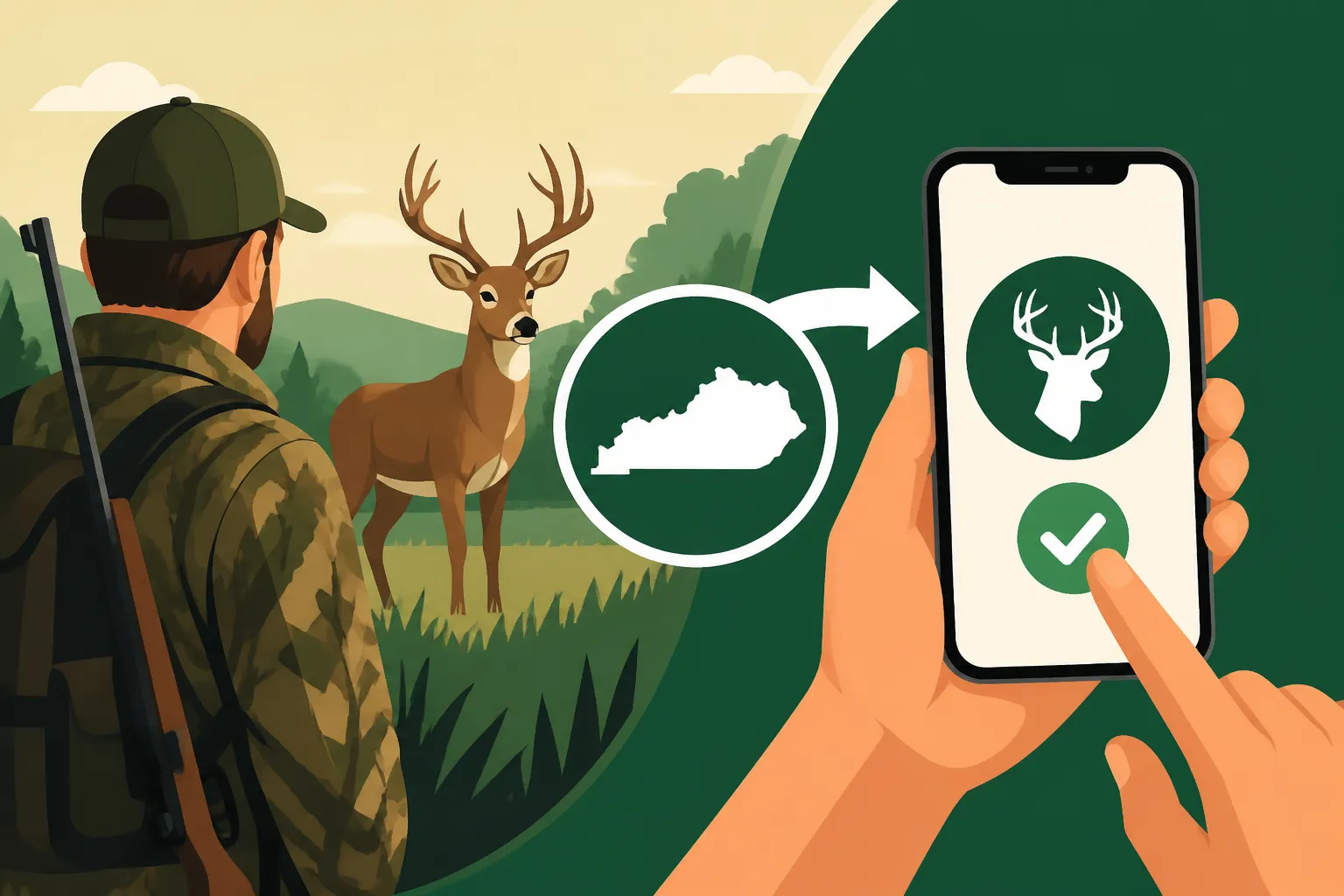
The most popular and often quickest way to Telecheck your deer is through the KDFWR's official website or their Kentucky Fish and Wildlife mobile app. Both platforms are generally intuitive and guide you through the process step-by-step.
- Access the Platform: You can visit the KDFWR website and navigate to the "Telecheck" section, or download the Kentucky Fish and Wildlife app (available for both iOS and Android devices). Many hunters find the app incredibly convenient, allowing them to report right from the field if they have service. This app is a fantastic resource for everything from checking regulations to Scouting With the Kentucky Hunt Fish App.
- Log In: You'll need to log in using your KDFWR Customer ID and password. If it's your first time, you might need to create an account and link it to your customer ID.
- Initiate a Harvest Report: Look for an option like "Report a Harvest" or "Telecheck Deer."
- Enter Information: You'll be prompted to enter all the information you gathered earlier: harvest date, county, species, sex, antler points (if a buck), and weapon used. The system will usually have drop-down menus or clear input fields to make this easy. Pay close attention to the Kentucky Deer Management Zone Rules for your specific county, as these can sometimes influence reporting details, especially regarding antlerless harvests.
- Review and Submit: Double-check all the information you've entered for accuracy. A simple typo can create issues. Once confirmed, submit your report.
- Receive Confirmation Number: This is the most critical part! After successful submission, the system will provide you with a unique Telecheck confirmation number. Write this number down immediately, take a screenshot, or email it to yourself. This number is your proof of legal harvest and must be attached to the deer.
Calling the Telecheck System
For those who prefer the traditional method, or find themselves in an area with unreliable internet or cell service (a common occurrence in the rugged terrain of eastern Kentucky or deep in a hollow), the phone Telecheck system is still available.
- Dial the Number: The statewide Telecheck number is typically (800) 245-4263. It's a good idea to program this number into your phone before hunting season begins.
- Follow Prompts: An automated system will greet you. Listen carefully to the prompts and use your phone's keypad to input your KDFWR Customer ID and then proceed with the harvest information.
- Input Information: Just like the online system, you'll be asked for the harvest date, county, species, sex, antler points, and weapon used. Be prepared to clearly and slowly speak or input these details.
- Receive Confirmation Number: At the end of the call, the automated system will verbally provide your Telecheck confirmation number. Listen carefully and write this number down immediately. There's no way to retrieve it if you miss it on the phone call, other than calling back and hoping it's saved somewhere or re-doing the process (which is usually not possible with the same deer).
It’s worth noting that if you're hunting in a county where How Many Antlerless Deer Your Zone Allows is higher, you might be harvesting multiple deer. Make sure to report each one individually and receive a unique confirmation number for each animal.
Common Issues and Troubleshooting
Even with the best intentions, things can go awry. From technical glitches to simple human error, encountering an issue during the Telecheck process is frustrating, especially when you're tired after a long day of hunting. Here are some common problems and how to tackle them.
Lost Telecheck Numbers or Confirmation
You've done everything right, or so you thought, but now you can't find that crucial confirmation number. Maybe the paper got wet, or you forgot to screenshot it. This is a common anxiety point for hunters.
- Online/App Retrieval: If you reported online or through the app, often you can log back into your KDFWR account and view your harvest history. Your past Telecheck numbers should be listed there. This is the easiest and most reliable method if you used the digital platforms.
- Contact KDFWR: If you used the phone system and lost the number, or if the digital platforms aren't showing your previous reports, your next best bet is to contact the KDFWR directly. They have records of all Telechecked animals. Be prepared to provide your KDFWR Customer ID and the approximate date and county of harvest. They might be able to look up the confirmation number for you. It’s always best to do this as soon as possible after realizing the number is lost, rather than waiting.
Remember, that confirmation number needs to be securely attached to your deer. If you've already field dressed the animal, perhaps in a place where Field Dressing a Deer in Cold Weather is a consideration, make sure to transfer the number to the carcass securely.
Dealing with Bad Cell Service or Internet
Hunting often takes us to remote, wild places where cell towers are a distant memory. This can be a real problem when it comes time to Telecheck your deer.
- Plan Ahead: Before you even head out, identify areas with potential service blackouts. If you know you'll be in a dead zone, plan to drive to the nearest town or an area with reliable service before the midnight deadline.
- Physical Tagging: While the confirmation number needs to be secured to the deer, if you’re still deep in the woods and can’t get service, you can create a temporary tag with your name, address, KDFWR ID, date, county, and sex of the deer. This isn't a substitute for the official Telecheck, but it demonstrates due diligence while you're in transit to an area with service. You still must complete the official Telecheck as soon as you are able to.
- Phone vs. App: If one method isn't working, try the other. Sometimes, a patchy phone signal might be enough to make a call even if data for the app is struggling.
- Paper Map & Compass: As much as we rely on apps like GoHunt for mapping and planning, the KDFWR app for Telecheck also relies on signal. Always have a backup plan, which might involve physically driving to a location with service.
Mistakes on Your Report
You might realize after submitting that you accidentally entered the wrong county, or perhaps miscounted antler points. Don't panic, but do address it promptly.
- Contact KDFWR Immediately: If you discover a mistake on your Telecheck report, the most important thing is to contact the KDFWR customer service or law enforcement division as soon as possible. Explain the situation clearly. They can often correct minor errors in their system. Trying to fix it yourself by submitting a new report could cause more confusion.
- Be Honest: Honesty is always the best policy. Game wardens understand that mistakes happen. Attempting to conceal an error or delay reporting it could lead to more severe consequences.
Beyond Telecheck: What Happens Next?
Completing the Telecheck process is a huge step, but depending on where you hunted and certain regulations, your responsibilities might not end there. Especially in recent years, with concerns around Chronic Wasting Disease (CWD), additional steps may be required.
Carcass Tagging and Transport Rules
Once you have that Telecheck confirmation number, it’s imperative that you immediately print it or write it clearly on a piece of paper, and then securely attach it to the deer. This tag must remain on the carcass until the deer is processed for consumption or taxidermy. This is your legal proof that the animal has been properly reported.
- Secure Attachment: Use string, zip ties, or even tape to ensure the tag is firmly attached to the deer, ideally to an antler (if a buck) or through a slit in the ear. It needs to withstand handling and transport.
- Transporting Your Deer: You can transport your deer within Kentucky with the attached Telecheck confirmation number. However, special rules apply if you are transporting a deer out of a CWD Surveillance Zone or out of state. Always be aware of these regulations, especially if your hunting plans include traveling across state lines or through specific counties. When you're thinking about Butchering a Deer at Camp, ensure the tag remains with the primary cuts of meat or the skull plate if you're keeping the antlers, until processing is complete.
CWD Surveillance Zone Requirements
Chronic Wasting Disease (CWD) is a serious concern for wildlife managers across North America, and Kentucky is no exception. If you harvest a deer in one of Kentucky's designated Kentucky's Chronic Wasting Disease Surveillance Zone counties, there are additional mandatory requirements.
- Mandatory CWD Testing: Hunters who harvest deer within the CWD Surveillance Zone are often required to submit their deer for CWD testing. This typically involves taking the deer's head to a designated CWD sampling station within a specific timeframe after harvest. The KDFWR provides maps and lists of these stations, which can include taxidermists, meat processors, or specific KDFWR drop-off locations. Details on these requirements can be found in the Mandatory Testing Inside Kentucky's CWD Zone guide.
- Carcass Movement Restrictions: To prevent the spread of CWD, strict carcass movement restrictions are in place for deer harvested within the Surveillance Zone. Generally, you cannot move a whole deer carcass out of the CWD Surveillance Zone. Only certain parts, like deboned meat, clean skull plates, hides, or finished taxidermy products, are allowed to leave. This is a crucial rule to understand, and there’s an entire guide dedicated to Moving a Deer Carcass Out of the Surveillance Zone. It's your responsibility to know if the county you're hunting in is part of the CWD zone and to comply with all associated rules. This is where tools that offer up-to-date regulations, even some third-party apps like GoHunt, can be valuable for quick reference, but always double-check with official KDFWR sources.
Here's a quick reference table for reporting methods:
| Feature | KDFWR Website / App | KDFWR Phone System |
|---|---|---|
| Availability | 24/7 (with internet/cell service) | 24/7 |
| Information Needed | KDFWR Customer ID, Harvest Details | KDFWR Customer ID, Harvest Details |
| Confirmation Receipt | Digital (screen capture, email, view in history) | Verbal (must write down immediately) |
| Ease of Correction | Easier to review before submission; corrections via KDFWR | No review; corrections via KDFWR |
| Best For | Modern hunters with reliable service, visual learners | Hunters with limited service, traditionalists |
| Common Issues | Poor signal, forgotten password | Missed confirmation number, input errors |
In summary, Telechecking your deer harvest in Kentucky is a straightforward process when you're prepared. It's a testament to your responsibility as a hunter and plays a vital role in the continued health and management of Kentucky's incredible deer herd.
Disclaimer
Please remember that hunting regulations can change. While this guide aims to provide accurate and up-to-date information, it is always your responsibility to consult the current Kentucky Department of Fish and Wildlife Resources (KDFWR) hunting regulations booklet or their official website before heading into the field. This guide is for informational purposes only and should not be considered a substitute for official KDFWR rules and regulations.