Moving a Deer Carcass Out of the Surveillance Zone
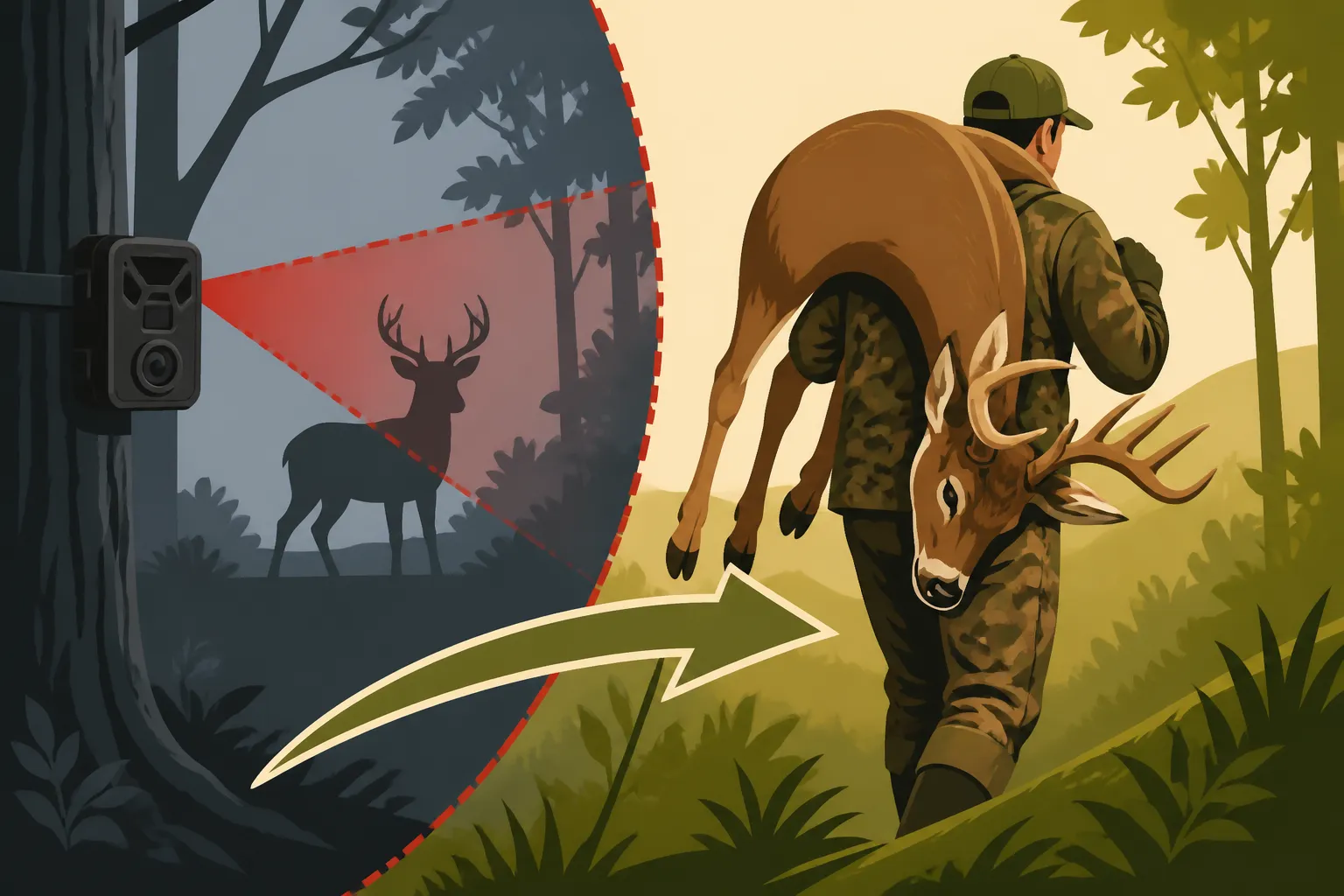
You've just put in the hard work, made a great shot, and now you're standing over your Kentucky whitetail. But if you’re hunting in one of Kentucky’s Chronic Wasting Disease (CWD) surveillance zones, the question of what to do with that deer carcass can quickly become a headache. It's frustrating to face regulations that seem to complicate an already rewarding experience, but these rules are in place for a crucial reason: protecting our deer herd from a devastating disease. This guide will walk you through exactly what you need to know about legally moving a deer carcass out of a CWD surveillance zone, making sure you stay compliant while still enjoying your hard-earned venison.
Understanding Kentucky's CWD Surveillance Zone
Kentucky is blessed with an incredible deer population, but like many states, we're facing the very real threat of Chronic Wasting Disease. CWD is a fatal neurological disease that affects deer, elk, and moose. It's caused by abnormal proteins called prions and can spread through direct contact or indirectly through contaminated environments, making it a serious concern for wildlife managers and hunters alike. The Kentucky Department of Fish and Wildlife Resources (KDFWR) has established specific surveillance zones in response to confirmed cases, and these zones come with particular rules to minimize the risk of the disease spreading further.
What Exactly is CWD?
Imagine a disease that slowly, inevitably, wastes away a deer until it succumbs. That's CWD. It's not a bacterial or viral infection in the traditional sense, but rather a prion disease, similar to "Mad Cow Disease" in cattle. The prions accumulate in the brain and other tissues, causing neurological damage. Symptoms in deer can include drastic weight loss, stumbling, listlessness, and excessive drooling. The scary part? It can take over a year for symptoms to show, meaning an infected deer can look perfectly healthy while actively shedding prions into the environment. This makes early detection and containment incredibly challenging.
The prions are highly resilient and can persist in soil for years, meaning an area where an infected deer died could potentially infect other deer long after the original animal is gone. This persistence is why managing CWD is so complex and why Kentucky's Chronic Wasting Disease Surveillance Zone rules are so strict. Hunters are on the front lines of defense, and adhering to these regulations is crucial for the long-term health of our deer herd.
Identifying the Surveillance Zone Counties
It’s absolutely critical to know if you're hunting in a CWD surveillance county before you even head out. The KDFWR maintains an up-to-date list of Which Counties Sit in the CWD Surveillance Zone. These boundaries can change, unfortunately, as new cases are detected. For example, the discovery of CWD in captive deer facilities and later in wild populations in counties like Ballard, Fulton, and more recently, Pulaski, has led to expansions of the surveillance area.
Always double-check the KDFWR website or the current hunting guide. Don't rely on last year's information, because the situation is fluid. Being informed means you can plan your hunt and your carcass handling strategy well in advance, avoiding any surprises or potential violations after a successful harvest. A handy tool like the GoHunt app or their online mapping features can often help delineate these zones, allowing you to easily confirm your location while scouting or hunting.
Why Carcass Movement Restrictions Are Crucial
It might feel like an inconvenience when you've just wrestled a big buck into your truck, but these carcass movement restrictions are truly the backbone of Kentucky’s CWD management strategy. The primary goal is to prevent the physical transportation of CWD prions from an infected area to an uninfected area. Think of it as a biological quarantine for deer remains.
Preventing the Spread of Prions
The most infectious parts of a CWD-positive deer are generally the brain, spinal cord, lymph nodes, and spleen. These tissues, even from an outwardly healthy-looking deer, could contain prions. If an infected carcass is transported whole or with these high-risk tissues intact to a CWD-free county and then disposed of there, it creates a new potential point of infection. Scavengers could consume the carcass, or the prions could leach into the soil, contaminating the environment for years to come.
This isn't just about individual deer; it's about the entire herd across the state. Allowing unchecked movement could lead to CWD becoming established in new areas, which would have devastating consequences for future hunting opportunities and the overall health of Kentucky's wildlife. Your compliance directly contributes to the collective effort to contain this disease.
Protecting Uninfected Deer Populations
Kentucky is home to some truly magnificent whitetails, and we want to keep it that way. The state has invested heavily in deer restoration and management over the decades, leading to the robust herds we enjoy today. Introducing CWD into new populations would undermine all that hard work and could drastically reduce deer numbers and trophy quality in unaffected regions. No hunter wants to see their favorite hunting grounds ravaged by disease.
Consider the ripple effect: a healthy deer herd supports ecosystems, local economies through hunting tourism, and provides a sustainable food source for many families. These restrictions are a long-term investment in all those benefits. By understanding this, the seemingly cumbersome rules become less of a burden and more of a shared responsibility. Organizations like GoHunt are great resources for understanding the broader implications of wildlife diseases and how they impact hunting opportunities nationwide, giving you a wider perspective on Kentucky's efforts.
Legal Carcass Preparation for Transport
So, you've harvested a deer in a CWD surveillance zone. Now what? The rules stipulate that you cannot simply load the whole deer into your truck and drive it out of the zone. You need to process it in a specific way to remove the high-risk materials before transporting anything across county lines, especially into a non-surveillance county. This often means field dressing and possibly quartering your deer at the kill site or at a processing facility within the surveillance zone.
Field Dressing and Deboning at the Kill Site
The most straightforward way to comply with carcass movement restrictions is to perform extensive field dressing and deboning right where the deer falls, or at least within the CWD zone. This means removing the entire backbone, head, and any other high-risk tissues.
Here’s a practical breakdown:
- Field Dress Immediately: As soon as you recover your deer, field dress it. This involves removing all internal organs. This is a standard practice for preserving meat quality, but in a CWD zone, it’s also the first step in preparing for transport. Take a look at our guide on Field Dressing a Deer in Cold Weather for tips on efficient processing, no matter the temperature.
- Debone the Meat: The safest and most compliant method is to debone all the meat from the carcass. This means separating the muscle tissue from the bone. Once the meat is deboned, it can be safely transported out of the CWD zone.
- Remove the Head, Spinal Column, and Other High-Risk Parts: These parts must remain in the CWD surveillance zone. You can dispose of them by burying them on private land with landowner permission, taking them to a designated KDFWR collection site, or by ensuring they go to an approved landfill within the CWD zone. Never just leave them exposed where scavengers can access them, as this defeats the purpose of the restrictions. For those looking to save the skull for a European mount or the antlers, special rules apply which we'll cover next.
It can be a lot of work, especially if you're deep in the woods. Having the right gear, like sharp knives, game bags, and a good pack system, can make this task much more manageable. When you're Butchering a Deer at Camp inside the zone, you'll feel much more confident about adhering to the regulations.
Rules for Heads, Antlers, and Taxidermy
Many hunters want to keep the head of their trophy buck for taxidermy or the antlers for display. Thankfully, there are provisions for this, but they come with strict requirements to prevent prion spread.
Here's what you need to know:
- Antlers (clean skull plate): Antlers that are still attached to a clean skull plate (meaning all brain and nervous tissue has been removed) can be transported. The best way to achieve this is to saw off the antlers with a small section of skull attached, then thoroughly clean any remaining tissue.
- Capes (with clean skull plate): If you're caping out your deer for a shoulder mount, the cape itself can be transported out of the zone. However, the skull plate that remains attached to the cape must be thoroughly cleaned of all soft tissue, including brain matter and spinal cord remnants. Many taxidermists prefer to do this cleaning themselves, but you’ll need to transport the skull plate to them with proper care.
- Taxidermist/Processor within the zone: The easiest solution is often to take the entire head (or the entire deer) to a licensed taxidermist or wild game processor located within the CWD surveillance zone. They are equipped to handle the high-risk materials properly and can process the skull plate and cape according to state regulations before you pick up the finished product or transport the cleaned components.
Always communicate clearly with your chosen taxidermist or processor about where the deer was harvested, especially if it was in a CWD zone. They will be familiar with the regulations and can guide you through the process.
Specific Rules for Different Carcass Parts
Kentucky's CWD regulations are quite specific about what parts of a deer can be moved out of a surveillance zone, and under what conditions. It's not a blanket ban, but rather a targeted approach to the highest-risk tissues. Knowing these nuances will save you a lot of headache and ensure you're compliant.
Parts Allowed for Movement
You might be surprised by what can be legally transported out of a CWD zone, provided it's prepared correctly. The general principle is that parts considered low-risk for carrying prions are allowed.
Here's a breakdown:
- Deboned Meat: This is the safest and most widely accepted form of transport. All meat that has been completely separated from the bone can be moved. This includes roasts, steaks, ground meat, and cuts that have been processed and packaged. When you're done Butchering a Deer at Camp and separating all the good cuts, you're good to go.
- Clean Skull Plate and Antlers: As mentioned, antlers attached to a skull plate are fine as long as all brain and nervous tissue is removed. This usually means a European mount style preparation where the skull is boiled and bleached, or simply sawing off the antlers and ensuring the pedicles are clean.
- Hides/Skins: A deer hide or skin, as long as it has no brain matter or spinal cord attached, can be transported. If you’re planning to get the hide tanned, make sure it’s cleaned thoroughly.
- Teeth: Individual teeth can be transported. If you're participating in a program that requires tooth submission for age analysis, for instance, this is allowed.
- Finished Taxidermy Products: Once a taxidermy mount is fully processed and cleaned by a licensed taxidermist, it no longer poses a CWD risk and can be moved freely.
These allowed parts are generally those where prion accumulation is negligible or where standard processing removes the high-risk tissues.
Parts Prohibited from Movement
This is where hunters often run into trouble if they're not fully aware of the rules. The KDFWR is very clear about which parts cannot be transported out of a CWD surveillance zone, regardless of how far you plan to move them.
The prohibited parts include:
- Whole Carcasses: You cannot move an entire, intact deer carcass out of the surveillance zone.
- Head (with brain/spinal column): The full head, particularly with the brain still inside, is strictly prohibited due to the high concentration of prions in brain tissue.
- Spinal Column: The vertebral column, which houses the spinal cord, is another high-risk component that cannot be moved.
- Internal Organs: This includes the spleen, lymph nodes, and all other internal organs, as these can also harbor prions.
- Bone-in Cuts (unless fully processed within zone): If you want to keep bone-in cuts (like a bone-in shoulder roast), these must be processed by a certified processor within the CWD zone before being transported. This ensures proper handling and disposal of any residual high-risk tissues.
The goal here is simple: eliminate the chance of infectious prions leaving the known surveillance area. It’s critical that these parts are disposed of properly within the CWD zone. This might mean burying them deep enough to prevent scavenger access on private land with permission, or utilizing designated collection bins provided by KDFWR. Check the KDFWR website or your Kentucky Hunting Licenses and What They Cost guide for specific disposal locations.
Planning Your Hunt in a CWD Zone
Hunting in a CWD surveillance zone requires a bit more foresight and planning than usual, but it's completely manageable with the right approach. Don't let the regulations deter you from hunting these areas, as they can still offer excellent opportunities.
Pre-Season Scouting and Preparation
Before you even step foot in the woods, thorough research is your best friend.
- Check Current Zone Maps: Always check the latest KDFWR CWD zone maps. As mentioned earlier, these can change. A tool like GoHunt's mapping system or the official KDFWR Hunt Fish App can overlay these zones onto your scouting maps, giving you real-time information on property boundaries and CWD restrictions. This is also crucial for understanding Kentucky Deer Management Zone Rules which dictate bag limits and antlerless deer opportunities.
- Locate Processing Facilities: If you plan on taking your deer to a professional processor, identify certified facilities within the CWD zone before your hunt. Call ahead to confirm their CWD protocols and operating hours. This way, if you harvest a deer, you know exactly where to go.
- Prepare for Field Processing: If you intend to debone the deer yourself, pack the necessary tools: sharp knives, a sharpening stone, game bags, disposable gloves, and a tarp or ground cloth to keep meat clean. Consider a bone saw if you plan to take antlers on a skull cap. Having a good hunting pack for a Daniel Boone National Forest Hunting trip will be essential for carrying all this gear.
- Understand Testing Requirements: In some CWD surveillance zones, particularly within the core CWD-positive areas, mandatory CWD testing of harvested deer may be required. Be prepared for this by knowing the locations of Kentucky CWD Testing for Hunters drop-off points or where KDFWR personnel will be stationed. Always consult the official regulations for specifics on Mandatory Testing Inside Kentucky's CWD Zone.
Post-Harvest Logistics
After a successful harvest, the real work begins, especially in a CWD zone.
- Immediate Care of the Carcass: Get to work quickly. Field dressing should be done promptly to cool the meat. If you're deboning in the field, start as soon as possible.
- Transport within the Zone: You can transport the entire deer within the CWD surveillance zone to a processor, a KDFWR check station, or your home/camp if it's also within the zone. However, if you cross the zone boundary, it needs to be processed according to regulations.
- Disposal of High-Risk Parts: This is critical. All prohibited parts (head, spinal column, internal organs) must be disposed of within the CWD zone.
- KDFWR Collection Sites: Utilize any designated KDFWR carcass disposal bins or collection points. These are the safest and most recommended options.
- Landfill: If KDFWR sites aren't available, disposing of parts in an approved municipal landfill within the CWD zone is generally acceptable. Do not use random dumpsters or dispose of parts illegally.
- Private Land Burial: On private land, with the landowner's explicit permission, you can bury high-risk parts. Ensure they are buried deep enough to prevent scavengers from digging them up (at least 3-4 feet). This is often a good option if you're hunting private land or have access to it within the zone.
Staying organized and planning these steps in advance will alleviate much of the stress and ensure you're contributing positively to Kentucky's efforts to manage CWD.
Here's a quick summary table to help you keep things straight:
| Carcass Part | Allowed for Transport OUT of CWD Zone? | Conditions |
|---|---|---|
| Deboned Meat | Yes | Completely separated from bone and all high-risk tissues. |
| Whole Carcass | No | Must be processed within the CWD zone. |
| Head (with brain/spine) | No | Brain and spinal column are high-risk. |
| Clean Skull Plate | Yes | All brain and nervous tissue thoroughly removed. |
| Antlers (shed or on clean plate) | Yes | Shed antlers are fine. Attached antlers must have all tissue removed from skull plate. |
| Hides/Skins | Yes | Must be clean, no brain matter or spinal cord attached. |
| Internal Organs | No | High-risk tissues, must remain in CWD zone for disposal. |
| Bone-in Cuts | No (unless processed) | Must be professionally processed within the CWD zone, or deboned by hunter. |
| Finished Taxidermy | Yes | Once fully processed by a licensed taxidermist. |
Final Thoughts on Responsible Hunting
Navigating CWD regulations can feel like a maze, especially after the excitement of a successful hunt. But remember, these rules are a vital part of protecting the incredible natural resources we all cherish as hunters in Kentucky. It's about preserving the future of our deer herds and ensuring that generations to come can experience the thrill of White-Tailed Deer Across Kentucky. Every hunter plays a critical role in this conservation effort. By understanding and following these guidelines for Moving a Deer Carcass Out of the Surveillance Zone, you're not just avoiding a potential fine; you're actively participating in the responsible stewardship of our wildlife.
Disclaimer
This guide provides general information based on current Kentucky hunting regulations regarding Chronic Wasting Disease (CWD) surveillance zones. Regulations are subject to change. Always consult the official Kentucky Department of Fish and Wildlife Resources (KDFWR) website or current hunting guides for the most up-to-date and specific legal requirements before engaging in any hunting activities. Non-compliance with regulations can result in penalties.