Kentucky Spring Turkey Opening Day
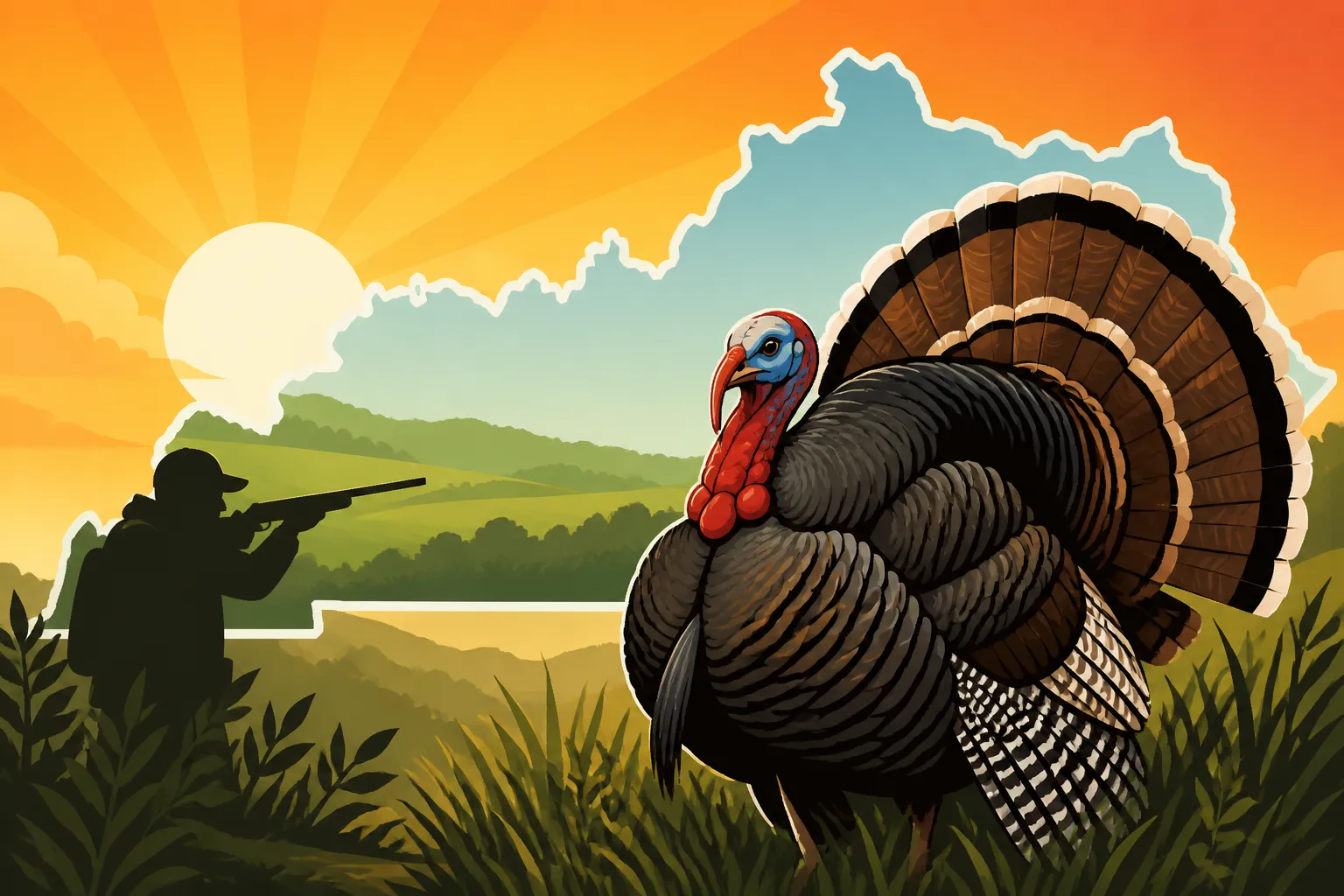
That feeling of anticipation leading up to Kentucky's spring turkey opener is unlike anything else. You've spent months scouting, pouring over maps, and dreaming of that first gobble echoing through the timber. But then, as opening day draws near, questions start bubbling up: "Am I sure about the exact dates?", "What about licensing?", "Are there special rules for youth hunters or particular WMAs?" This comprehensive guide is here to untangle all those knots, ensuring you step into the Kentucky woods confident and prepared for a successful opening morning.
Understanding the Anticipation for Kentucky's Spring Turkey Opener
There's a magic to opening day, isn't there? It’s a clean slate, a fresh start, and the culmination of all the planning and hopeful wishing we do during the off-season. For many, the Kentucky spring turkey opener marks the true return of serious hunting after a long winter, and the woods are alive with a different kind of energy. But with that excitement comes a vital need for clarity on exactly when and how you can join the action, especially since rules can sometimes feel like they’re written in a secret code.
The Build-Up: Why Opening Day is Special
The days leading up to the spring turkey opener are often filled with a unique blend of nervous excitement and meticulous preparation. We're checking weather forecasts every hour, re-patterning our shotguns, and re-reading the regulations for the tenth time just to be sure. It's the first real chance of the year to chase big game for many hunters, after the deer seasons have wrapped up and before the full swing of summer. The thought of that first thunderous gobble, shaking the dew off the leaves at first light, is what fuels us through those early morning alarms and long hikes in the dark. It’s also often a time for tradition, whether it’s a solo pursuit of a challenging bird or sharing the woods with family members, passing down the passion for the hunt.
It's also when turkeys are most vocal and active, feeling the full flush of spring and the urge to breed. This means opening day often presents some of the best opportunities to locate and call in a responsive gobbler. However, it also means that other hunters are thinking the same thing, leading to increased pressure on public lands. Understanding the general season structure is key to planning. For a deeper dive into the overall season, check out our guide on Kentucky General Spring Turkey Season.
Navigating the Calendar: Key Dates for Different Hunters
Kentucky does a fantastic job of catering to various groups of hunters, which means there isn't just one single "opening day" that applies to everyone. This is where things can get a little tricky, and it's absolutely crucial to pay attention to the specific dates relevant to your hunting situation. Misinterpreting these dates could lead to a missed opportunity or, worse, a violation.
The season actually kicks off with the special youth weekend, typically a full weekend earlier than the general season. This provides a fantastic, less-pressured opportunity for younger hunters to get out and experience spring turkey hunting. After the youth weekend concludes, the general statewide season then begins, which is what most adult hunters consider "opening day." While these dates are fairly consistent year to year, always double-check the current Kentucky Department of Fish and Wildlife Resources (KDFWR) hunting guide, or use a reliable app like GoHunt to confirm. Having those dates locked in your memory or readily accessible on your phone can save you a lot of headache and ensure you’re not sitting at home when you should be in the woods, or vice versa.
Essential Rules and Regulations for Opening Day Success
You wouldn't head into the woods without your shotgun or bow, right? Well, going without a solid grasp of the rules is just as risky. Kentucky has a clear set of guidelines for spring turkey season, and knowing them inside and out is not just about avoiding trouble – it's about ensuring a safe, ethical, and ultimately successful hunt. There’s nothing worse than having to pack up because you realize you overlooked a crucial detail.
Licensing and Permits: What You Need in Hand
Before you even think about stepping foot in the woods, you need to make sure your paperwork is in order. Every hunter, regardless of age, needs a valid Kentucky hunting license. On top of that, you'll need a Kentucky statewide turkey permit. If you're hunting migratory birds, which includes turkeys, you also need to ensure you're compliant with the Harvest Information Program (HIP) by having a valid HIP certification. This is just a quick, free registration you can do when you purchase your license.
For residents, the process is usually straightforward. You can purchase your license and permits online through the KDFWR website, at most county clerk's offices, or at many sporting goods stores across the state. Non-residents can also purchase licenses and permits online. It's always a good idea to purchase these well in advance of opening day to avoid any last-minute technical glitches or long lines. Carry a physical copy of your license and permit, or have it readily available on your phone. You never know when you might encounter a conservation officer, and being prepared means a quick, smooth interaction. For more details on what you need, check out Kentucky Hunting Licenses and What They Cost.
Here’s a quick overview of essential permits:
| Permit/License Type | Requirement | Typical Cost (Approx.) | Where to Purchase |
|---|---|---|---|
| Annual Hunting License | Required for all hunters | Resident: $27, Non-Res: $150 | KDFWR Online, County Clerk, Retailers |
| Statewide Turkey Permit | Required for turkey hunting | Resident: $30, Non-Res: $85 | KDFWR Online, County Clerk, Retailers |
| HIP Certification | Required for migratory birds | Free | Online (during license purchase) |
Note: Prices are estimates and subject to change. Always verify current fees on the KDFWR website.
Bag Limits and Legal Shooting Hours
Kentucky's spring turkey bag limit is famously generous, allowing hunters up to two male turkeys or turkeys with visible beards per spring season. However, there's a crucial caveat: you can only harvest one turkey per day. This means if you're lucky enough to tag a gobbler at dawn on opening day, your turkey hunting for that specific day is done, even if you have a second tag. This rule helps manage harvest pressure and ensures birds have a chance to disperse.
The legal shooting hours are another non-negotiable aspect of opening day. Generally, hunting for spring turkeys begins 30 minutes before sunrise and ends at an official sunset. These times can vary slightly throughout the season as the sunrise and sunset times change, so it's wise to consult a reliable source like the KDFWR hunting guide, or even a hunting app like GoHunt which often provides localized sunrise/sunset data. Sticking strictly to these hours is not just about legality; it's about ethical hunting and giving the birds their space during roosting and un-roosting periods. Trying to push the envelope early or late can spook birds from their roosts, affecting not just your hunt but potentially other hunters' opportunities as well.
Tactical Considerations for First Light on Opening Day
Opening day isn't just about having your license and knowing the rules; it's about executing a solid plan when the moment of truth arrives. The woods are often buzzing with activity – both from wildlife and other hunters – and your strategy needs to account for all of it. This isn't the time for trial and error; it's the time for precision and adaptability.
Roosting Birds and Setting Up Pre-Dawn
There’s a common frustration among turkey hunters on opening day: you hear a gobbler on the roost, but before you can even get close, he flies down and runs off, or worse, someone else has beaten you to his setup. This is why "roosting" birds the evening before opening day is such a critical tactic. If you can locate a gobbler on its roost tree before dark, you've got a significant advantage. This allows you to plan your approach in the dark, determining your exact setup location before the sun even hints at rising.
When you do get to your chosen spot pre-dawn, silence and stealth are paramount. You want to be positioned and ready at least an hour before first light, nestled in a spot with good visibility and clear shooting lanes, ideally within 100-150 yards of where you expect the bird to fly down. Being too close can spook them, but too far makes your calling less effective. Remember, turkeys have incredible eyesight, so concealment is key. Often, setting up against a large tree that breaks up your silhouette is ideal. Learn more about calling birds effectively in our article on Calling a Kentucky Gobbler Off the Roost.
Dealing with Pressure and Other Hunters
Let's be realistic: opening day can feel crowded, especially on popular public lands. It's a common frustration to have another hunter walk in on your setup, or to hear a chorus of calls from every direction. However, this doesn't mean your hunt is ruined; it just means you need to adjust your strategy. One effective tactic is to get off the beaten path. Most hunters won't walk more than a quarter-mile from a road or parking area. Using an app like GoHunt can help you identify remote sections of public land or less-traveled corners of a WMA where you might find a less pressured bird.
If you encounter other hunters, always be respectful and courteous. A friendly wave or quiet acknowledgement can go a long way. If a bird is pressured, it might become "call shy." In such cases, a more subtle approach with soft purrs and clucks might be more effective than aggressive gobbling. Sometimes, the best strategy is to be patient and wait for other hunters to leave, or to try a "run-and-gun" approach, quickly moving to new locations to try and strike a hot bird that hasn't been bothered yet. Our guide on Run-and-Gun Turkey Tactics on Public Land offers some great insights into this.
Preparing Your Gear and Mindset for the Spring Woods
Being properly equipped and mentally prepared can often make the difference between a frustrating day and a memorable opening day. It’s not just about the big items like your shotgun; it's about all the little details that add up to a comfortable and efficient hunt.
Last-Minute Gear Checks
Imagine hiking a mile into your favorite spot, settling in, only to realize you forgot your calls, or your rangefinder battery is dead. We've all been there, and it's a gut punch. A thorough gear check the night before opening day is essential. This includes:
- Shotgun/Bow: Is it clean? Is the choke tube tight? Are your sights zeroed? Do you have the right ammunition (nontoxic shot is required in some areas)?
- Calls: Box, slate, diaphragm – are they all in working order? Do you have chalk for your box call or sandpaper for your slate?
- Decoys: If you're using them, are they packed properly and ready for quick setup?
- Vest/Pack: Is it organized? Do you have water, snacks, a headlamp, a knife, and a small first-aid kit?
- Clothing: Layered for potential temperature swings? Camo pattern appropriate for Kentucky’s spring foliage? Don't forget bug spray!
- Mapping/GPS: Ensure your phone is charged, your mapping app (like GoHunt) is updated, and you have a backup power bank.
Making a checklist and physically going through each item can prevent those frustrating "d'oh!" moments in the pre-dawn darkness.
Mental Preparation for the Spring Woods
Turkey hunting, especially on opening day, tests your patience and resilience. You'll likely encounter quiet periods, birds that gobble once and go silent, or even the dreaded "hang-up" gobbler that just won't come the last 50 yards. Developing a strong mental game is just as important as having good gear. Expect the unexpected, and don't let setbacks derail your hunt.
Be adaptable. If your initial plan isn't working, be ready to move. If the birds are quiet, try different calls or change locations. Embrace the experience of being in the woods, listening to the birds, and enjoying the spring awakening, even if the turkeys aren't cooperating. The mental fortitude to stay positive, remain patient, and adapt your tactics will significantly increase your odds of success and, more importantly, your enjoyment of Kentucky's spring turkey opening day. It's a marathon, not a sprint, and sometimes the most memorable hunts are those where you overcome adversity.
Disclaimer
This guide is intended for informational purposes only and does not replace the official regulations set forth by the Kentucky Department of Fish and Wildlife Resources. Hunters are solely responsible for knowing and adhering to all current hunting laws, licensing requirements, and season dates. Always consult the most recent KDFWR hunting guide or their official website before heading afield.