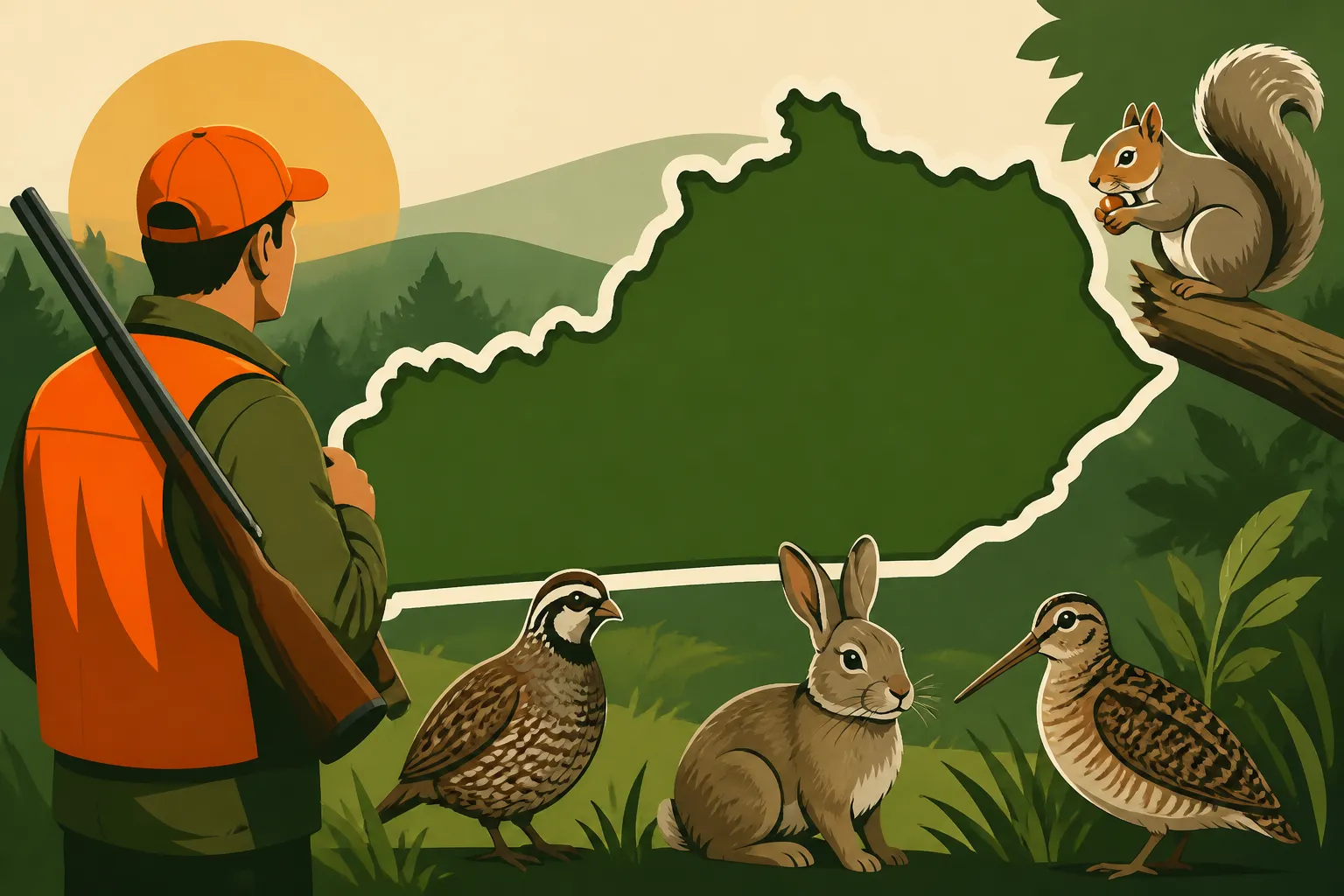
Kentucky Small Game Season Rules
Trying to keep up with all the different small game season dates, bag limits, and specific regulations for everything from squirrels to rabbits, and even those elusive grouse in Kentucky can feel like trying to hit a moving target in thick brush. It’s easy to get tangled in the details, especially when rules can shift or have subtle nuances depending on the species or even the area you’re hunting. This comprehensive guide is designed to cut through that confusion, giving you a clear roadmap to understanding Kentucky's small game season rules and making your time in the woods more enjoyable and successful.
Understanding Kentucky's Small Game Hunting Philosophy
Kentucky's approach to small game hunting seasons isn't just about giving hunters opportunities; it's deeply rooted in a philosophy of conservation and sustainable wildlife management. The Kentucky Department of Fish and Wildlife Resources (KDFWR) constantly monitors populations, habitat conditions, and hunter harvest data to set these rules. This meticulous process ensures that our cherished small game species can thrive for generations to come, balancing recreational enjoyment with ecological responsibility.
The Importance of Regulation for Sustainable Harvests
Imagine if everyone could just hunt whatever they wanted, whenever they wanted, with no limits. It wouldn't take long for even the most abundant species to face serious declines. That's why regulations are so critical. They act as guardrails, preventing overharvest and protecting vulnerable populations. For instance, species like ruffed grouse, which have faced significant population challenges in recent years, often see shorter seasons or reduced bag limits to allow their numbers to recover, reflecting a direct conservation effort.
These regulations also help distribute hunting pressure across the landscape and throughout the season. By staggering opening and closing dates for different species, and by imposing daily and possession limits, the KDFWR ensures that wildlife populations aren't disproportionately impacted in any one area or timeframe. This scientific, adaptive management means that when you're out chasing a limit of squirrels or rabbits, you're participating in a tradition that's carefully managed for sustainability.
Adapting to Changing Wildlife Populations and Habitats
Wildlife populations are not static; they fluctuate based on a myriad of factors like weather patterns, disease outbreaks, habitat availability, and even predator dynamics. The rules we see published each year are a reflection of these changes. For example, a mild winter followed by a strong spring hatch might lead to a more liberal season for a resilient species, while a severe drought or habitat loss could trigger more conservative regulations.
Kentucky's landscape itself is constantly evolving, from agricultural practices to timber harvesting, which directly impacts small game habitat. The KDFWR continuously adapts its regulations to account for these shifts, ensuring that hunting opportunities align with the current ecological reality. This proactive approach helps protect species while providing hunters with a realistic understanding of what to expect in the field, helping to maintain healthy ecosystems and a vibrant hunting culture.
General Small Game Season Overview
Before you even think about hitting the woods, understanding the basic framework of Kentucky's small game seasons is paramount. It’s not just about knowing the specific dates for squirrels or rabbits, but also about the foundational requirements that apply to almost all small game hunting. This includes ensuring you have the correct licenses and understanding the general statewide season structure that many species fall under.
Licensing Essentials for Small Game Hunters
To legally hunt any small game in Kentucky, you absolutely need a valid hunting license. For Kentucky residents, a basic annual hunting license is usually the minimum requirement. Non-residents will need a non-resident annual hunting license, which typically costs a bit more. There are also combo licenses, like the Kentucky Sportsman's License bundle, which covers hunting and fishing, often offering a cost-saving for avid outdoorsmen. Don't forget, if you're hunting migratory birds like doves, woodcock, or snipe, you'll also need a Kentucky Migratory Bird-Waterfowl Permit and to be HIP (Harvest Information Program) certified, which is a free, quick registration you can complete when buying your license. Always double-check current requirements and fees before you head out, as these can change annually. You can find up-to-date information on the KDFWR website or by checking a vendor. Need to know more about what it costs? Check out our detailed guide on Kentucky Resident Hunting License Cost or Kentucky Nonresident Hunting License Cost.
Statewide Open Seasons for Most Popular Species
While specific dates vary by species, Kentucky generally has a long, generous small game season that kicks off in late summer or early fall and extends well into winter. For many species like squirrels and rabbits, the season often opens around the third Saturday in August and continues through February. This extended season provides ample opportunity for hunters to get out, whether they prefer the warmth of early fall or the crisp, quiet days of late winter.
However, it's crucial to remember that this is a general overview. Even within these broad windows, there can be specific opening and closing dates, or even short closures, that apply to individual species or specific wildlife management areas (WMAs). For instance, certain WMAs might have different season structures to manage localized populations or to accommodate quota hunts for other species. Always consult the current KDFWR hunting guide for precise dates before planning your trip.
Squirrel Hunting: A Kentucky Tradition
For many Kentuckians, squirrel hunting isn't just a pastime; it's a cherished tradition, often serving as the gateway for young hunters into the world of hunting. There's nothing quite like the crack of a .22 or the bark of a squirrel dog echoing through the hardwoods on a crisp fall morning. Kentucky offers fantastic opportunities for both gray and fox squirrels, and understanding the specific rules is key to a successful and legal hunt.
Season Dates and Daily Bag Limits for Squirrels
The great news for squirrel enthusiasts is that Kentucky boasts one of the longest squirrel seasons in the nation. Typically, the season opens around the third Saturday in August and runs continuously through the end of February. This lengthy window allows hunters to experience squirrel hunting in various conditions, from the humid warmth of late summer, through the vibrant fall colors, and into the stark beauty of winter. You can find detailed information on exact dates in the annual KDFWR hunting guide.
As for bag limits, hunters are usually allowed to take six squirrels per day, with a possession limit of twelve. This means you can harvest six squirrels on a single outing, and if you hunt multiple days, you can have up to twelve squirrels in your possession (whether at home, camp, or in transit) before you need to consume or process more. These limits are designed to provide generous hunting opportunities while ensuring the health and stability of Kentucky's abundant squirrel populations. Always confirm these numbers with the latest regulations, as they can sometimes be adjusted.
Understanding Legal Hunting Methods and Equipment
Kentucky offers a good degree of flexibility when it comes to how you can hunt squirrels. Rifles, shotguns, muzzleloaders, and archery equipment are all legal. For many, a .22 caliber rifle is the classic choice, offering precision for headshots that preserve meat. Small gauge shotguns, like a .410 or 20 gauge with small shot (like 6s or 7.5s), are also popular, especially for fast-moving squirrels in dense canopy or when hunting with dogs. Archery, while more challenging, is also an option for dedicated bowhunters.
The use of squirrel dogs is not only legal but a highly popular and effective method, particularly in the western Kentucky bottomland hardwoods where squirrels are abundant. Nothing beats the excitement of hearing a good dog "barking treed" and the challenge of locating the squirrel in the leaves. However, remember to always abide by local ordinances regarding dog use, especially near residential areas or on specific public lands where dog restrictions might apply. While there are no specific blaze orange requirements for small game hunters, wearing some visible orange is always a wise safety practice, especially on public lands during overlapping seasons.
Public vs. Private Land Squirrel Hunting Considerations
Squirrels are plentiful across Kentucky, inhabiting both private and public lands wherever mature hardwoods provide food and cover. On private land, obtaining permission from the landowner is absolutely essential and often makes for fantastic, less-pressured hunting opportunities. Many farmers and landowners welcome squirrel hunters, as these small game hunts typically have minimal impact compared to deer or turkey hunting.
For those relying on public access, Kentucky's extensive public lands, including the Daniel Boone National Forest and numerous Wildlife Management Areas (WMAs), offer excellent squirrel hunting. Areas like the expansive forests of Eastern Kentucky provide incredible opportunities, particularly in large oak ridges. If you're looking for squirrels in western Kentucky, consider areas like Squirrel Hunting Kentucky Bottomland Hardwoods. Always check WMA-specific regulations, as some areas might have unique rules regarding hunting days, methods, or entry permits. Using tools like the KDFWR's "Hunt Fish Kentucky" app or mapping services like GoHunt can be invaluable for identifying public access points and understanding land boundaries, helping you find those hidden pockets of squirrel heaven.
Rabbit Hunting: Beagles and Brush Piles
Rabbit hunting in Kentucky is a cherished tradition, particularly popular during the colder months when leaves are down, and brush piles become natural magnets for cottontails. The thrill of beagles hot on a rabbit's trail, the quick flush from a thicket, and the challenge of a fast-moving target make for an exhilarating hunt. Understanding the season dates, bag limits, and preferred hunting methods ensures a safe and successful experience.
Rabbit Season Openers and Closers
Kentucky's rabbit season typically opens around the same time as squirrel season in late summer or early fall, often around the third Saturday in August. However, unlike squirrels, the rabbit season usually closes earlier, often by the end of February. This provides a long, ample window for hunters, allowing for early season hunts before the major deer seasons begin, as well as plenty of opportunities during the colder winter months when conditions are often ideal for pushing thick cover.
While the season is quite generous, always consult the current KDFWR hunting guide for the exact opening and closing dates, as minor adjustments can occur year to year. These dates are established to ensure that cottontail populations remain healthy and robust, allowing for sustainable hunting while also accounting for their breeding cycles.
Bag Limits and Legal Hunting Techniques for Rabbits
The daily bag limit for rabbits in Kentucky is typically four per hunter, with a possession limit of eight. This allows for a good day's harvest and ensures that the population can replenish itself. Legal hunting methods for rabbits include shotguns, rifles, muzzleloaders, and archery equipment. For many, a small gauge shotgun (like a 20 gauge or even a .410) with birdshot is the weapon of choice, offering the quick swing and pattern necessary to hit a fast-moving target in thick cover.
Using beagles or other rabbit dogs is a time-honored and incredibly effective method in Kentucky. The dogs work the cover, flushing rabbits and often running them in circles back towards the hunters. This method not only increases success rates but also adds an undeniable level of excitement and camaraderie to the hunt. When hunting without dogs, still-hunting or carefully working dense brush piles and fencerows can also yield results. Remember to always prioritize safety, especially when hunting with a group or dogs, by knowing where everyone is and only taking clear, safe shots. For those who enjoy hunting with dogs, our guide on Running Beagles on Kentucky Cottontails might be helpful.
Best Habitats and Hunting Strategies Under Regulations
Rabbits thrive in areas with abundant dense cover, often found on the edges of fields, in overgrown clear-cuts, along fencerows, and in creek bottoms. Think thick briar patches, honeysuckle tangles, and piles of downed trees – anywhere a rabbit can quickly dive for protection. These habitats are often prevalent across both private farmland and many of Kentucky's public lands, including various WMAs. If you're targeting rabbits on private land, focus on areas where agricultural fields meet woodlots or in neglected corners with thickets. For public land, explore WMAs that have undergone habitat improvement projects or have naturally dense undergrowth.
When planning your hunt, consider the weather. Cold, damp days often see rabbits hunkered down in their thickest cover, making them ideal for dog hunting. On warmer days, they might venture out more. When hunting, focus on working into the wind to keep your scent from blowing ahead. And remember, persistence is key; rabbits are masters of concealment, so slowly and thoroughly working likely cover is often the most effective strategy. Exploring our guide on Rabbit Hunting Kentucky Fencerows can provide more specific strategies for these common rabbit haunts.
Grouse and Quail: Challenges and Opportunities
Hunting ruffed grouse and bobwhite quail in Kentucky presents a unique set of challenges and, sadly, fewer opportunities than in decades past. Both species have experienced significant population declines across much of their historic range due to habitat loss and other factors. However, for the dedicated hunter, there are still places and times to pursue these iconic game birds, albeit with more conservative regulations reflecting their vulnerable status.
The Nuance of Grouse and Quail Season Dates
Unlike the long, consistent seasons for squirrels and rabbits, grouse and quail seasons in Kentucky are often more restricted, reflecting the need for careful management. Typically, both grouse and quail seasons open later in the fall, often in early November, and close earlier in the winter, sometimes by the end of January or early February. These dates are carefully selected to avoid critical breeding or nesting periods and to minimize pressure during vulnerable times.
It's absolutely vital to consult the annual KDFWR hunting guide for the precise season dates for grouse and quail. These dates are subject to change based on population surveys and conservation goals. While the seasons are shorter, they still provide a window for passionate bird hunters to experience the explosive flush of a grouse or the whirring covey rise of quail, demanding respect for these diminishing opportunities.
Reduced Bag Limits and Conservation Efforts
The bag limits for grouse and quail in Kentucky are significantly lower than for more abundant small game species. For ruffed grouse, the daily bag limit is typically two birds, with a possession limit of four. For bobwhite quail, it’s usually four birds daily, with a possession limit of eight. These reduced limits are a direct reflection of their population status and are crucial components of ongoing conservation efforts.
The KDFWR and various conservation partners are actively working on habitat restoration projects aimed at increasing grouse and quail numbers. This includes prescribed burning, timber stand improvement, and the creation of early successional habitat that these birds desperately need. Hunters play a vital role in these efforts, not just through their license fees supporting conservation, but also by adhering strictly to regulations, which helps ensure that these species have the best chance to recover. For specific insights into the current status, you might find our article on Kentucky Ruffed Grouse Decline or Kentucky Bobwhite Quail Decline informative.
Navigating Designated Management Areas
While grouse and quail can be found on some private lands with suitable habitat, many hunters focus their efforts on public lands, particularly in specific WMAs and portions of the Daniel Boone National Forest where habitat management is ongoing. For grouse, the mountainous regions of Eastern Kentucky, particularly areas within the Cumberland Mountains, offer the best remaining opportunities. Similarly, quail can be found in WMAs with extensive early successional fields and native warm-season grasses.
However, hunting on these designated management areas often comes with specific rules. Some WMAs may have different opening or closing dates, or even specific hunt zones or permits required. Always check the individual WMA regulations before heading out. Using mapping tools and checking habitat reports can help identify promising areas. Be prepared for challenging walks in rugged terrain, especially when pursuing grouse in their preferred thick, regenerating timber. Our guide on Grouse Hunting Cumberland Mountain Cover provides more details on what to expect in those challenging landscapes.
Furbearers and Predators: Beyond the Game Bag
While not always lumped in with traditional "small game" like squirrels and rabbits, furbearers and predators offer unique and often extended hunting and trapping opportunities in Kentucky. Species like coyotes, foxes, bobcats, raccoons, and opossums play vital roles in the ecosystem, and their management provides additional recreational pursuits for hunters and trappers. Understanding their specific regulations is crucial, as they often differ significantly from other game animals.
Coyote and Other Predator Hunting Regulations
Coyotes are found throughout Kentucky, from the deepest forests to the fringes of urban areas, and hunting them is legal year-round, day or night, with no bag limits. This open season reflects their status as an abundant species that can impact deer, turkey, and livestock populations. Calling coyotes, either with electronic or mouth calls, is a popular and exciting method, often most effective in the late fall and winter when natural food sources are scarcer. Check out our guide on Coyote Calling in Kentucky Farm Country for more tips.
Other predators like bobcats and foxes (both red and gray) have specific hunting and trapping seasons, often running from late fall through early spring. There are typically statewide bag limits for bobcats and often for foxes too, to ensure sustainable populations. It's imperative to consult the annual KDFWR hunting and trapping guide for current season dates, bag limits, and any specific harvest reporting requirements for these species, as they can vary.
Trapping Seasons and Rules for Furbearers
Trapping is a specialized skill and a traditional method for harvesting furbearers like raccoons, opossums, skunks, muskrats, and beaver. Kentucky provides specific trapping seasons for these species, generally from late fall through late winter. These seasons are designed to coincide with prime fur quality and to manage populations effectively. A Kentucky trapping license is required, separate from a basic hunting license.
Trapping regulations are often more complex than hunting rules, covering everything from legal trap types (e.g., foot-hold traps, box traps, snares), trap setting requirements (e.g., distance from public roads, labeling), and daily checking of traps. It's crucial for trappers to be thoroughly familiar with these rules to ensure humane practices and compliance. Our guide on Trapping Kentucky Furbearers delves deeper into the specifics of these regulations.
Night Hunting Considerations for Select Species
For some species, particularly coyotes and raccoons, night hunting is a legal and popular method in Kentucky, adding another dimension to predator and furbearer pursuit. However, night hunting comes with its own set of strict regulations and safety considerations. For coyotes, night hunting is generally permitted year-round, but specific rules apply to the use of artificial lights (e.g., spotlights, headlamps) and night vision or thermal imaging equipment. For example, while night vision and thermal optics are permitted for coyotes, they might be restricted for other species or during certain times.
Raccoons also have a dedicated night hunting season, often extending beyond the daylight hunting season. When hunting at night, especially with dogs, safety is paramount. Always be aware of your surroundings, positively identify your target, and know your backstop. Familiarize yourself with all local ordinances and KDFWR regulations concerning night hunting, as these rules are in place to ensure both hunter safety and responsible wildlife management.
Migratory Birds: Special Rules and Certifications
While often categorized separately from "small game," migratory game birds like woodcock, snipe, and dove are frequently hunted by those who also pursue squirrels and rabbits. Their seasons often overlap, and they provide exciting opportunities. However, hunting migratory birds in Kentucky comes with its own distinct set of federal and state regulations, primarily due to their migratory nature and international treaties.
HIP Certification and Federal Duck Stamp Requirements
To legally hunt any migratory game bird in Kentucky – this includes doves, woodcock, snipe, ducks, and geese – you must be Harvest Information Program (HIP) certified. This is a free, annual registration that collects basic information about your migratory bird hunting activities, which is used by federal agencies to monitor harvest and set future seasons. You can typically get HIP certified when you purchase your annual hunting license online or at a vendor.
Additionally, if you plan to hunt ducks, geese, or coots, you'll also need a Federal Migratory Bird Hunting and Conservation Stamp, commonly known as a Federal Duck Stamp, and a Kentucky Migratory Bird-Waterfowl Permit. While the Federal Duck Stamp isn't required for dove, woodcock, or snipe, it's a critical purchase for waterfowl hunters, with 98% of the proceeds going directly to conservation efforts to protect wetland habitats. Always ensure you have all required certifications and stamps before heading afield. You can learn more about these requirements in Kentucky Migratory Bird Certification.
Specific Season Dates and Bag Limits for Woodcock and Snipe
Woodcock and snipe are unique migratory game birds that offer challenging and rewarding hunts for those willing to seek them out. Their seasons in Kentucky are typically shorter than those for doves or waterfowl, usually falling in the late fall and early winter. For woodcock, the season often runs from mid-October through November, coinciding with their migration through the state. The daily bag limit is generally three birds, with a possession limit of nine.
Snipe hunting also occurs in the fall and early winter, often with a slightly longer season than woodcock, sometimes extending into January. The daily bag limit for snipe is typically eight birds, with a possession limit of 24. These birds prefer different habitats – woodcock are found in moist, young woodlands, while snipe frequent wet meadows and muddy edges. Understanding their distinct habitats and migration patterns is key to finding success. For exact dates and limits for these intriguing birds, check our article on Kentucky Woodcock Season Dates and the current KDFWR migratory bird hunting guide.
Dove Season: A Popular Opener with Unique Rules
Kentucky's dove season opener on September 1st is one of the most anticipated events on the hunting calendar, drawing large crowds to cut agricultural fields across the state. It signals the true start of the fall hunting season and is a highly social affair. Dove season typically runs in multiple segments, with an initial longer segment in September, followed by shorter segments in October and sometimes later in the year, to catch different waves of migrating birds.
The daily bag limit for doves is usually 15 birds, with a possession limit of 45. This generous limit allows for plenty of action on a good day. However, it's critical to be aware of the specific regulations regarding dove fields, especially those that are privately managed. Rules dictate what can and cannot be done to attract doves (e.g., planting, manipulating, or scattering grain), to prevent baiting. Always clarify the status of any field you plan to hunt. Additionally, shotguns must be plugged to a three-shell capacity (one in the chamber, two in the magazine) for all migratory bird hunting. For more tactical advice, consider reviewing Dove Hunting a Cut Kentucky Field.
Navigating Kentucky's Hunting Zones and Public Lands
Kentucky’s diverse landscape means that hunting opportunities and regulations can sometimes vary significantly depending on where you are. From the rugged mountains of the east to the rolling farmlands of the bluegrass and the expansive bottomlands of the west, different regions present distinct challenges and rewards. Understanding how hunting zones and specific public land rules intersect with small game regulations is crucial for any hunter.
Understanding Zone-Specific Regulations
While many small game seasons are statewide, there can be subtle differences or special conditions that apply to specific regions or counties. For example, while unlikely for species like squirrels or rabbits, certain game animals might have county-specific bag limits or even season closures if local populations are struggling or if there are particular wildlife management concerns. It’s less common for small game than for deer or turkey, but it’s always wise to verify.
Additionally, certain conservation initiatives or research projects might impose temporary restrictions on hunting specific species in defined geographic areas. These might be related to habitat restoration, disease monitoring, or reintroduction efforts. Always cross-reference the statewide regulations with any localized rules listed in the current KDFWR hunting guide, especially if you're venturing into a new part of the state or a less-frequently hunted area.
Special Rules for Wildlife Management Areas (WMAs)
Kentucky is blessed with numerous Wildlife Management Areas (WMAs) that provide excellent public hunting opportunities for small game. However, WMAs are actively managed properties, and as such, often have rules that differ from general statewide regulations. These variations are put in place to achieve specific habitat or wildlife management goals for that particular area, to reduce overcrowding, or to provide special hunt opportunities.
Common WMA-specific rules might include: restricted hunting days (e.g., closed during specific deer quota hunts), mandatory check-in/check-out procedures, restrictions on dog use, limitations on vehicle access, or even unique bag limits for certain species. Before hunting any WMA, always consult the WMA-specific regulations which are typically published online by the KDFWR or posted at WMA kiosks. Failure to do so can result in citations or, worse, unintended impacts on management efforts. Understanding rules for areas like Hunting Pioneer Weapons Only WMAs can be especially important, as these areas often have highly specific regulations.
Using Digital Tools for Rule Clarity
In today's digital age, hunters have incredibly powerful tools at their fingertips to navigate these complex regulations. The Kentucky Department of Fish and Wildlife Resources offers an excellent "Hunt Fish Kentucky" app and online mapping tools that are indispensable. These resources provide up-to-date season dates, bag limits, and most importantly, detailed maps of public lands, including WMAs and Daniel Boone National Forest, often highlighting specific boundaries and rules. Checking Scouting With the Kentucky Hunt Fish App can help you get started with this.
Beyond the official KDFWR tools, commercial mapping applications like GoHunt provide advanced layers showing land ownership, public/private boundaries, and topographical features, which can be immensely helpful for pre-season scouting and staying within legal hunting areas. Using these digital aids to verify boundaries and regulations before you leave home can prevent costly mistakes and ensure you're hunting legally and ethically. They can also help you find those overlooked pockets of public land that might hold great numbers of small game, away from the crowds.
Summary Table: Key Kentucky Small Game Seasons & Limits
Below is a general overview of common Kentucky small game seasons and bag limits. Please remember that these are generalized and specific dates, limits, and regulations can change annually. Always consult the current Kentucky Department of Fish and Wildlife Resources (KDFWR) hunting guide for the most accurate and up-to-date information before hunting.
| Species | Typical Season Window | Daily Bag Limit | Possession Limit | Special Notes |
|---|---|---|---|---|
| Squirrel | Late August – Late February | 6 | 12 | Long season, popular with dogs. |
| Rabbit | Late August – Late February | 4 | 8 | Shorter than squirrel season, great for beagles. |
| Ruffed Grouse | Early November – Late January | 2 | 4 | Declining population, focus on specific areas. |
| Bobwhite Quail | Early November – Late January | 4 | 8 | Declining population, habitat-specific. |
| Dove | Sept 1st + later segments (check dates annually) | 15 | 45 | HIP certified, shotgun plug required. |
| Woodcock | Mid-October – Late November (check dates annually) | 3 | 9 | HIP certified, found in moist woodlands. |
| Snipe | Mid-September – Late January (check dates annually) | 8 | 24 | HIP certified, found in wet meadows. |
| Coyote | Year-round | No Limit | No Limit | Night hunting legal with specific rules. |
| Raccoon/Opossum | Late Fall – Late February (hunting), Early Nov – Late Feb (trapping) | No Limit (hunting) | No Limit (hunting) | Specific trapping regulations, night hunting for raccoons. |
| Fox (Red/Gray) | Early Nov – Late Feb (hunting/trapping) | Check KDFWR | Check KDFWR | Specific bag limits often apply, consult guide. |
| Bobcat | Early Nov – Late Feb (hunting/trapping) | Check KDFWR | Check KDFWR | Specific bag limits often apply, consult guide, harvest reporting. |
Disclaimer
The information provided in this guide is for general informational purposes only and is not a substitute for official regulations. Hunting laws and regulations in Kentucky are subject to change by the Kentucky Department of Fish and Wildlife Resources. Hunters are solely responsible for understanding and complying with all current federal, state, and local hunting laws and regulations before engaging in any hunting activities. Always consult the official KDFWR hunting and trapping guide for the most accurate and up-to-date information.