Rabbit Hunting Kentucky Fencerows
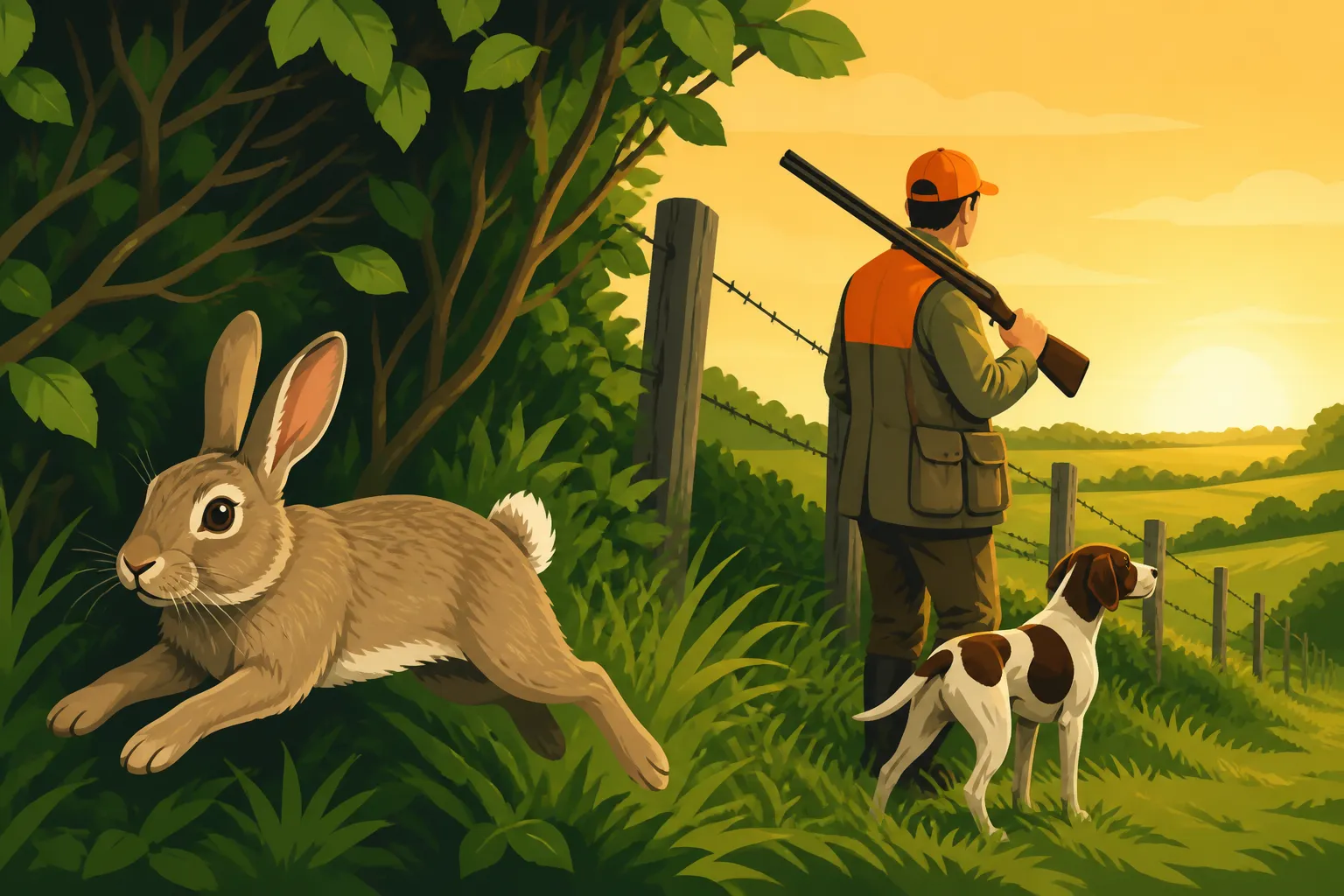
The thrill of chasing cottontails through the brush, hearing the exciting barks of beagles, or just the sudden flush as you kick through a thicket, is a quintessential Kentucky hunting experience. But let's be real, finding consistent rabbit action can sometimes feel like chasing ghosts, especially on crowded public lands. This guide is all about unlocking one of the most overlooked, yet incredibly productive, habitats for rabbits in the Bluegrass State: the humble fencerow. We'll dive deep into how to locate, scout, and effectively hunt these often-neglected strips of cover, turning frustration into consistent success.
Understanding Kentucky Fencerows as Rabbit Habitat
Fencerows, those often-wild strips of vegetation that demarcate property lines or old field edges, are absolute goldmines for rabbit hunters in Kentucky. They might seem insignificant, just a line of trees and briars, but to a rabbit, they're a five-star resort offering everything a cottontail needs to survive and thrive. Ignoring them is like leaving money on the table.
The Anatomy of a Productive Fencerow
Not all fencerows are created equal, and knowing what to look for can drastically improve your odds. A truly productive fencerow isn't just a straight line of sparse weeds; it's a diverse, tangled mess of life. Think about those old, forgotten fences that have been overgrown for decades. You'll often find a mix of thorny species like multiflora rose, greenbrier, blackberry brambles, and honey locust. These provide impenetrable cover, protecting rabbits from aerial predators like hawks and owls, as well as ground-based threats like coyotes and foxes.
Beyond the thorns, look for denser woody cover like cedars, young sumac, or even a line of mature hardwoods that have dropped their leaves, creating thick ground litter. This dense canopy and understory offer concealment from human hunters and act as thermal cover during those biting cold Kentucky winter days. Think of it as a rabbit superhighway combined with a fortress. The more diverse and thick the vegetation, the better it is for rabbits, offering multiple layers of protection and different micro-habitats.
How Fencerows Offer Food, Cover, and Travel
Fencerows are ecological magnets because they provide the trifecta of survival for rabbits: food, cover, and travel corridors. They typically run adjacent to agricultural fields—corn, soybeans, hay, or pasture. These fields are literal buffets for rabbits, offering an endless supply of palatable forage. During growing seasons, rabbits will venture into the fields to feed, then quickly retreat to the safety of the fencerow when danger looms. Even after harvest, spilled grain or tender regrowth provides crucial winter sustenance.
The thick, thorny nature of fencerows is their primary appeal as cover. A rabbit can quickly duck into a tangle of briars, disappearing from view faster than you can blink. This dense cover also provides vital nesting sites, protecting young kits from predators and the elements. Furthermore, fencerows act as safe travel lanes. Instead of exposing themselves in open fields, rabbits will use the cover of the fencerow to move between feeding areas, bedding sites, and adjacent patches of woods. They connect different habitat types, creating a network that allows rabbits to expand their range while remaining secure. For hunters, this means rabbits aren't just in the fencerow, they're using it to move, making them predictable targets if you know how to intercept them.
Scouting Kentucky Fencerows for Rabbit Sign
Before you even step foot in a fencerow with your shotgun, a little scouting can go a long way. This isn't just about finding rabbits; it's about understanding their habits, identifying prime locations, and planning your approach. Hunting unprepared can lead to a lot of walking and very little shooting.
Reading the Edges: Tracks, Droppings, and Clipped Veggies
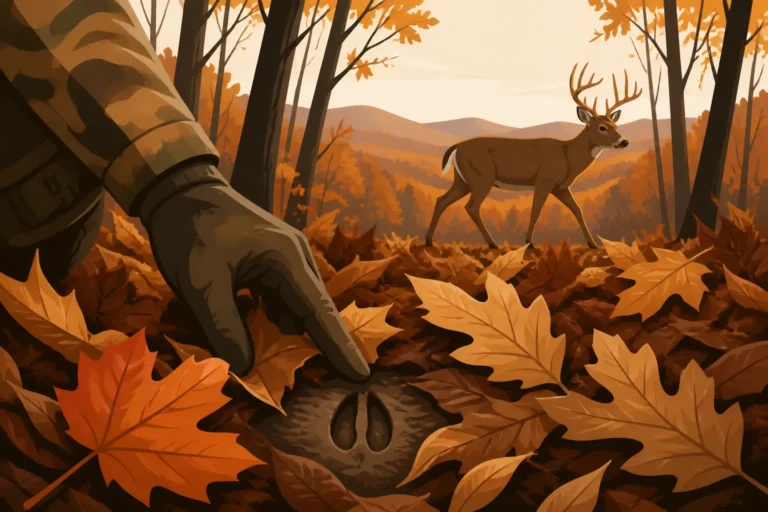
Rabbits leave plenty of clues if you know what to look for. Start by walking the perimeter of fields adjacent to fencerows, especially after a fresh snow or a good rain that makes the ground soft. Look for their distinctive track pattern: two hind feet usually side-by-side or slightly staggered in front, and two smaller front feet often in a line behind them. Fresh tracks are a clear indicator of recent activity. Pay close attention to where tracks enter and exit the fencerow, as these are likely well-used runnels.
Droppings are another dead giveaway. Rabbit scat consists of small, round, fibrous pellets, often found in clusters along well-worn paths within the fencerow or at its edge. The fresher and more abundant the droppings, the more active the area. Finally, look for clipped vegetation. Rabbits are herbivores, and they have distinctively clean cuts on plant stems and twigs, unlike the ragged tears left by deer. You might find tender shoots of clover, alfalfa, or even the bark of young saplings showing signs of recent feeding. The presence of all three signs—tracks, droppings, and feeding—confirms a high-traffic area.
Using a mapping app like GoHunt can be incredibly helpful during your scouting efforts. You can use its satellite imagery to identify potential fencerows, especially those that appear particularly dense or connect to good food sources. You can also mark areas where you find significant sign, helping you build a mental (or digital) map of rabbit hotspots. This tool can also help you understand property lines, which is crucial when you are Asking a Kentucky Farmer for Permission.
Identifying Ideal Fencerow Structure and Escape Routes
Beyond just finding sign, understanding the structural elements of a fencerow can tell you where rabbits will likely hold tight and where they'll try to escape. Look for "pockets" of extra-thick cover—places where the briars and brush are almost impenetrable, or where there's an old brush pile tucked away. These are prime bedding areas where rabbits feel most secure. When pressured, a rabbit will usually make a dash for the nearest, densest cover available.
Also, identify natural escape routes. Does the fencerow connect to a larger woodlot, a creek bottom, or another thicket? Rabbits will often bolt towards these larger safe zones. Conversely, note areas where the fencerow thins out or opens into a large, exposed field; these are less desirable escape routes, making rabbits more likely to hold or circle back. If you're hunting with a group, identifying these escape routes is critical for positioning blockers. The more you understand how a rabbit thinks and moves within its fencerow home, the better you can predict its behavior and intercept it.
Essential Gear for Fencerow Rabbit Hunting
Rabbit hunting in Kentucky fencerows isn't usually a long-range affair. It's often fast, close-quarters action, and your gear choices should reflect that. From your firearm to your footwear, having the right setup can make a huge difference in comfort, safety, and success.
Shotgun and Ammunition Choices for Close-Quarters Hunting
For rabbit hunting, especially in dense fencerows, a shotgun is king. The scattered pattern of shot is ideal for hitting fast-moving targets that pop up unexpectedly in thick cover. Most hunters opt for a 12-gauge or 20-gauge, but a 16-gauge or even a .410 can be effective if you're comfortable with its limitations and closer range. The key is quick handling. A shorter barrel (24-26 inches) on a pump-action or semi-automatic shotgun allows for faster swings and easier navigation through briars than a long-barreled field gun.
As for choke, an Improved Cylinder or Modified choke is usually perfect. Anything tighter, like Full, might give you too dense a pattern at the close ranges you'll typically encounter, making it harder to hit the rabbit cleanly without excessive damage. For ammunition, you'll want light game loads. #6 shot is a classic choice for rabbits, offering a good balance of pellet count and energy. Some hunters prefer #4 shot if they anticipate slightly longer shots or denser cover, while others stick to #7.5 or #8 for maximum pattern density at very close range. Whatever you choose, make sure you're using lead shot, as non-toxic shot is generally not required for upland game like rabbits outside of specific waterfowl hunting areas. When considering your load, think about Shot Size for Squirrel and Rabbit, as the principles are similar for small game in thick cover.
Clothing and Footwear for Briars and Wet Conditions
Hunting fencerows means battling briars, thorns, and often wet, muddy conditions. Your clothing and footwear need to be robust. First and foremost, invest in a good pair of Brush Pants for Kentucky Fencerows. These are typically made from durable, tear-resistant materials like heavy canvas, cordura, or even faced with briar-proof chaps. They will save your legs from countless scratches and punctures, allowing you to push through thick cover without hesitation. Pair them with a tough, long-sleeved shirt or briar-proof jacket to protect your upper body.
Footwear is equally critical. You'll be doing a lot of walking, often on uneven, damp, or muddy terrain. Waterproof boots with good ankle support are a must. Rubber boots are excellent for wet conditions, offering superior waterproofing, while a sturdy pair of leather hiking boots treated with waterproofing can also work well. Ensure they are comfortable and broken in to avoid blisters. Don't forget a blaze orange vest or hat for safety, especially if you're hunting with a group. This is a crucial aspect of Kentucky Hunter Education Requirements for safety. And for carrying extra shells, water, and perhaps a small snack, an Upland Vests With Water Capacity can be incredibly useful, keeping your essentials accessible while leaving your hands free.
The Role of Beagles and Other Dogs
While you absolutely can find and harvest rabbits without a dog, bringing a good rabbit dog, especially a beagle, elevates the experience to a whole new level. Beagles are bred for this exact purpose: to track, flush, and continuously bay on the scent of a rabbit, driving it in a circle back towards the hunter. The music of a beagle's chase is one of the most exciting sounds in the uplands.
A well-trained beagle can navigate the densest fencerows, pushing rabbits out of cover that you might walk right past. When the rabbit bursts out, you're often given a quick shot opportunity. The beauty of a beagle chase is that rabbits, when pressured, tend to run in a large circle. This gives hunters time to position themselves along the anticipated path, waiting for the rabbit to come back around. Even if you miss the first shot, the dog will likely keep the chase alive, giving you another chance. If you're serious about this, understanding Running Beagles on Kentucky Cottontails is a must. While beagles are the traditional choice, other breeds with strong scenting abilities and drive, like Basset Hounds or certain terriers, can also be effective, though perhaps not with the same circling behavior as a beagle.
Tactics for Hunting Fencerows Effectively
Hunting rabbits in fencerows demands a thoughtful approach. You can't just wander in; you need a strategy, whether you're hunting solo or with a group. The goal is to efficiently cover the habitat and present clear, safe shots.
Solo Hunter Strategies: Pushing and Kicking Brush
Hunting rabbits by yourself in fencerows can be incredibly rewarding, but it requires patience and a systematic approach. The most common solo tactic is "pushing" or "kicking" brush. This involves slowly and deliberately walking along the fencerow, kicking at every clump of briars, every brush pile, and every dense patch of cover. Rabbits often sit incredibly tight, sometimes only flushing when you're literally a foot or two away.
Walk parallel to the fencerow, slightly inside or outside, depending on the thickness and the direction you expect the rabbit to run. If the fencerow is wide, zigzag through it. Pay close attention to subtle shifts in terrain or cover, as these can be natural holding spots. When a rabbit flushes, it will likely burst out quickly, offering a fleeting shot. Be ready to mount your gun smoothly and quickly. Often, the rabbit will run a short distance and then duck back into cover. If you miss, mark where it went, and carefully approach that spot, ready for another flush. This style of hunting demands your full attention, as cottontails can appear and disappear in an instant.
It's also important to consider the wind direction. If possible, hunt into the wind. This allows your scent to blow behind you, making it less likely for rabbits to detect you prematurely. Additionally, it helps you hear any subtle movements in the brush more clearly.
Group Tactics: Blocking and Driving Fencerows
Hunting with a group can be far more effective in fencerows, particularly longer or wider ones. The classic group tactic is a "drive" with "blockers." This requires at least three hunters, but more can be better. Designate one or two hunters as "drivers" who will walk through the fencerow, actively kicking and pushing brush, much like a solo hunter would.
The remaining hunters act as "blockers" or "posters." They position themselves quietly at strategic points along the fencerow or at its ends, anticipating where rabbits might try to escape. If the fencerow connects to a woodlot, a blocker should be positioned there. If it runs along a field, blockers can stand at the far end of the fencerow or at points where the cover thins. Communication is key in a group hunt. Use hand signals or quiet verbal cues to coordinate movements and alert others to flushes. Safety is paramount; ensure everyone knows their shooting lanes and always has a safe backdrop. This is especially true when conducting Deer Drives With Three or Four Hunters, and the same principles apply here.
A common setup might involve two drivers walking the length of a fencerow, with one or two blockers positioned 50-100 yards ahead or at a logical escape point. When a rabbit is flushed by the drivers, it will often try to slip past the blockers, presenting a shot. The drivers also get opportunities, but the blockers often have more time to react as the rabbit is running towards them.
Working the Wind and Sun in Your Favor
Beyond specific flushing techniques, understanding environmental factors like wind and sun can give you a significant advantage. As mentioned, hunting into the wind is often best. This isn't just about scent; it can also affect how a rabbit holds. They might be more apt to sit tight, letting you get closer, if they can't smell you coming. Wind also makes it harder for them to hear you, and it can carry the sound of your dogs more effectively.
The sun's position is another factor. If you can, try to hunt with the sun at your back. This illuminates the cover in front of you, making it easier to spot camouflaged rabbits or subtle movements. Conversely, hunting directly into a low sun can create glare and shadows that make spotting rabbits much more difficult. In the early morning or late afternoon, when the sun is low, this can be a real disadvantage. Planning your route to keep the sun behind you can significantly improve your visibility and reaction time when a cottontail bursts from cover. Paying attention to details like Wind and Thermals on a Kentucky Ridge can be adapted to smaller scale rabbit hunting situations.
Safety Considerations and Regulatory Compliance
Rabbit hunting, while generally considered low-risk, still requires strict adherence to safety protocols and an understanding of Kentucky's hunting regulations. Taking shortcuts on either front can lead to serious consequences.
Hunter Safety in Thick Cover and Near Roads
Hunting in dense fencerows inherently carries specific safety concerns. Visibility can be severely limited by thick vegetation, making it challenging to identify your target and what lies beyond it. This is why blaze orange is not just a recommendation but often a legal requirement in Kentucky during certain seasons for Kentucky Blaze Orange Requirements. Always wear enough blaze orange to be easily seen by other hunters, even if you’re hunting solo. The more, the better.
When hunting with a group, maintaining strict spacing and clear communication about shooting lanes is crucial. Never swing your gun outside your predetermined zone of fire, especially if other hunters are ahead or to your sides. Be extremely mindful of the direction of your shot. Since fencerows often border active agricultural fields, roads, or even residential areas, always ensure you have a safe backdrop for every shot. You might need to pass up a shot if you're not absolutely certain of your surroundings and what lies beyond your target. Remember, a shotgun pellet can travel a surprising distance. Kentucky Firearms Discharge Setback Rules are in place for a reason and apply to all hunting activities. Before you step out, do a thorough check of your equipment, ensuring your gun is clean and functioning correctly, and that you have the proper ammunition.
Understanding Kentucky's Rabbit Season and Bag Limits
Staying within the law is a non-negotiable aspect of hunting. Kentucky has specific seasons and bag limits for small game like rabbits, and these can vary slightly from year to year. It's your responsibility to check the current Kentucky Department of Fish and Wildlife Resources (KDFWR) hunting guide before each season. Generally, rabbit season in Kentucky opens in the fall and runs through late winter, providing ample opportunity to enjoy the sport. To find the exact dates, you can consult How Long Kentucky's Rabbit Season Runs.
Kentucky typically has a generous daily bag limit for rabbits, allowing hunters to take several per day, which makes it a fantastic game species for putting meat in the freezer. However, exceeding the daily limit or hunting outside the established season dates can result in fines and loss of hunting privileges. Always be sure your Kentucky Hunting Licenses and What They Cost are current and that you have any necessary permits. Knowing the rules isn't just about avoiding trouble; it's about being a responsible and ethical hunter who respects the resource and the traditions of the sport. Make sure you understand all the specifics outlined in the Kentucky Small Game Season Rules to ensure a legal and enjoyable hunt.
Disclaimer
Please remember that hunting regulations and season dates can change. Always consult the most current Kentucky Department of Fish and Wildlife Resources (KDFWR) regulations before planning any hunting trip. Safety should be your absolute top priority in the field.