How Long Kentucky’s Rabbit Season Runs
It can feel like a real puzzle sometimes, trying to keep up with all the different hunting seasons here in Kentucky, especially when you're looking forward to chasing some quick-footed small game. You're trying to plan your outings, coordinate with friends, or just make sure you're legal, and the last thing you want is to miss the window or accidentally be out on the wrong day. This comprehensive guide is here to clear up exactly how long Kentucky's rabbit season runs, diving deep into the dates, rules, and best practices so you can hit the brush piles with confidence.
Understanding Kentucky's Rabbit Season Dates
For many of us, the sound of beagles baying on a crisp autumn morning is the unofficial start to fall. Rabbit hunting is a cherished tradition here in the Bluegrass State, and thankfully, Kentucky offers a generous season for cottontails. The key is knowing when that window opens and, just as importantly, when it closes, allowing you plenty of opportunity to enjoy this fast-paced pursuit.
Key Dates for Regular Rabbit Season
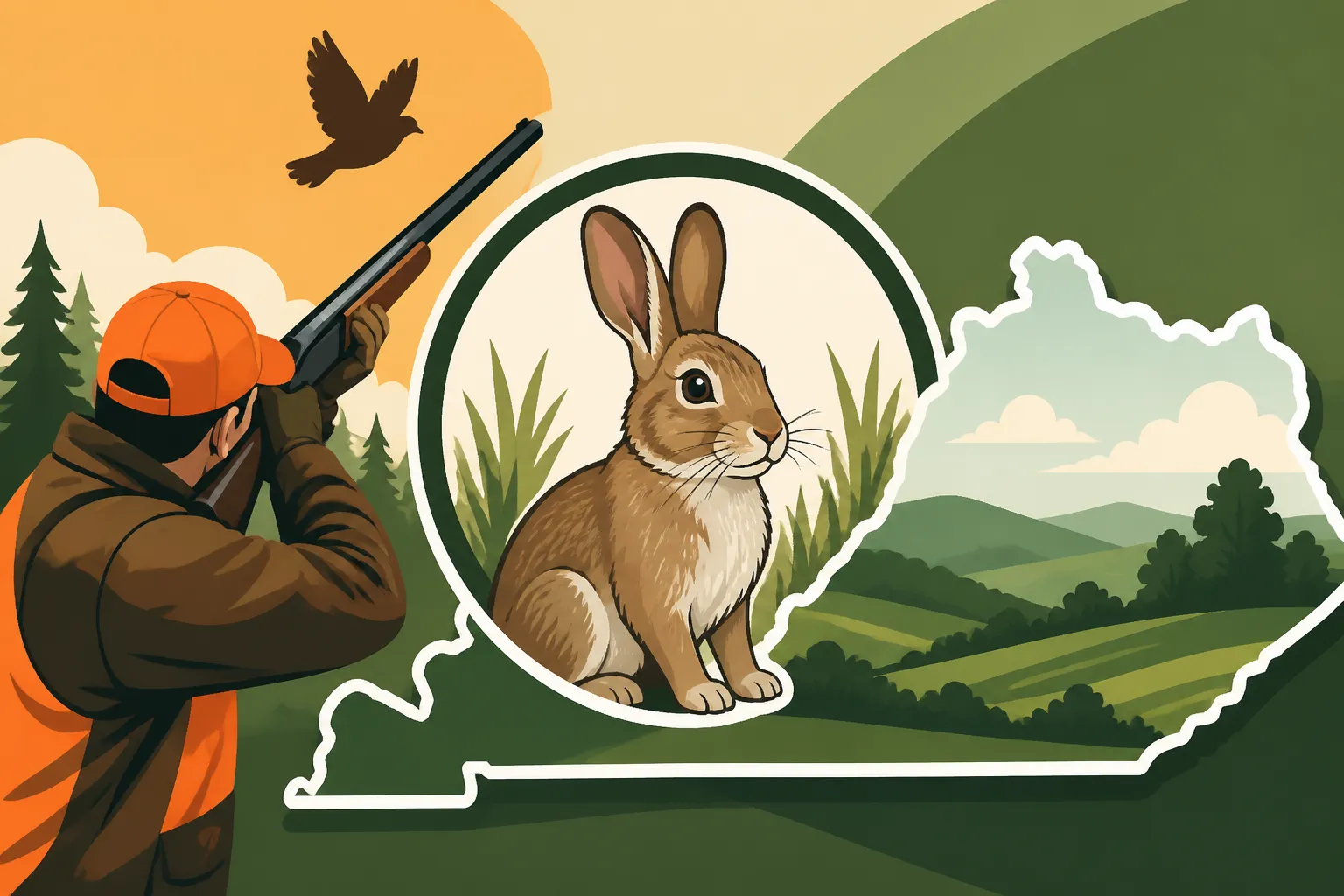
Typically, the general statewide rabbit season in Kentucky kicks off in early November, often coinciding with the broader opening of many small game seasons. This timing is fantastic because it means you can often combine a rabbit hunt with other small game pursuits if you're so inclined. The season then usually runs continuously all the way through late February. That's a substantial window, giving hunters roughly four months to get out there and enjoy the sport. Think about it: you've got the mild early November days, the colder December and January chills perfect for tracking in light snow, and then the tail end of winter in February. While these dates are generally consistent year after year, it is always a good idea to confirm them annually with the Kentucky Department of Fish and Wildlife Resources (KDFWR) official hunting guide, just to be absolutely certain before you head out. These dates typically hold strong, making rabbit hunting a reliable late-fall and winter activity.
Late-Season Opportunities and Weather
The extended season into January and February really opens up some prime late-season rabbit hunting opportunities that often get overlooked. By this point, the leaves are long gone from the trees, and the undergrowth has died back significantly, which can make spotting rabbits in thickets a bit easier. More importantly, colder weather often means rabbits are more focused on food and cover, making their movements a bit more predictable. A light dusting of snow, for instance, can be an absolute game-changer. Those fresh tracks in the powder can lead you directly to where rabbits are holed up, making it easier for both you and your dogs to follow the trail. This also happens to be a great time for Hunting the Late-Season January Lull for deer, so if you're out scouting, keep an eye out for prime rabbit habitat too! However, with colder weather comes the need for appropriate gear. Dressing in layers and wearing insulated, waterproof boots are crucial for staying comfortable during those long treks through frosty fields and creek bottoms.
Important Regulations Beyond Just Dates
Knowing when the rabbit season runs is just the first step. To be a responsible and legal hunter in Kentucky, you also need to understand the rules and regulations that govern how you pursue these quick little targets. Ignoring these can lead to fines, loss of privileges, and can even impact the future of rabbit hunting for everyone.
Bag Limits and Possession Limits
Kentucky has a pretty straightforward approach to rabbit bag limits, which helps ensure a sustainable population for future generations of hunters. Currently, the daily bag limit for rabbits is generally four (4) per hunter, per day. This means that in a single day, you can legally harvest up to four rabbits. It's a generous enough limit to provide plenty of action and enough meat for a good meal or two, without putting undue pressure on local populations. Beyond the daily limit, there's also a possession limit, which usually refers to the maximum number of rabbits you can have on hand, including those you've already harvested and stored. Typically, the possession limit is twice the daily bag limit, meaning you can generally possess up to eight (8) rabbits at any given time. This accounts for multiple days of successful hunting, especially if you're staying at a hunting camp or have limited time to process your game immediately. Always make sure to count your harvest carefully before heading home.
Legal Hunting Methods and Considerations
When it comes to actually hunting rabbits, Kentucky offers a few common and effective methods. The most traditional and, arguably, the most exciting way to hunt rabbits is by using beagles. These small hounds are specifically bred for their keen noses and their ability to flush rabbits from thick cover and chase them in circles back towards the hunter. If you've never experienced Running Beagles on Kentucky Cottontails, you're missing out on a truly classic hunting experience! You can also hunt rabbits without dogs, often referred to as "still-hunting" or "jump-shooting." This involves slowly walking through prime habitat, like brush piles, fencerows, and briar patches, trying to flush rabbits yourself. A good shotgun, typically a 12 or 20 gauge, with smaller shot sizes like #6 or #7.5, is ideal for rabbits. Rifles and handguns are also permitted, but caution is paramount to ensure a safe shot and prevent over-penetration in populated areas. Furthermore, ensure you're wearing appropriate blaze orange during the regular firearms deer season or when hunting any public lands that require it.
Licensing Requirements for Rabbit Hunters
Before you even step foot in the field, you'll need to make sure your licensing is squared away. For most Kentucky residents aged 16 and older, a Kentucky Annual Hunting License is the foundational requirement. This license covers all small game, including rabbits. Non-residents will need to purchase a non-resident annual hunting license or a three-day non-resident small game license if they're only visiting for a short period. For our younger hunters, Kentucky offers great opportunities! Hunters under 16 years of age generally don't need a license to hunt small game, but if they are using a firearm, they must be accompanied by an adult who is at least 18 years old and holds a valid Kentucky hunting license. Even better, Kentucky often has a The Free December Youth Hunting Weekend where young hunters can get out without a license, providing a fantastic chance to introduce them to the sport. It's a good idea to carry physical or digital proof of your license while hunting, should you encounter a conservation officer.
Here’s a quick overview of typical license costs for residents and non-residents, though these can change so always verify:
| License Type | Resident Cost (Approx.) | Non-Resident Cost (Approx.) | Covers |
|---|---|---|---|
| Annual Hunting License | $27 | $190 | Small Game, Furbearers |
| Annual Combination License | $32 | N/A | Hunting & Fishing |
| 3-Day Non-Resident Small Game | N/A | $40 | Small Game (3 consecutive days) |
Note: These are approximate costs and are subject to change. Always check the official KDFWR website for the most current prices and options, including bundles like the Kentucky Sportsman's License Bundle.
Maximizing Your Kentucky Rabbit Hunting Experience
Rabbit hunting isn't just about walking around hoping for the best; there's a real art and strategy to it that can significantly increase your success and enjoyment. From knowing where to look to understanding the nuances of different hunting styles, a little preparation goes a long way.
Prime Habitat and Scouting Tips
Rabbits are masters of cover, and finding them often boils down to finding where they feel safe and where they can find food. In Kentucky, this usually means dense, tangled areas that offer both protection from predators and a ready food supply. Look for fencerows choked with multiflora rose, honeysuckle, or briars – these are classic rabbit magnets. Brush piles left over from logging or clearing land are also absolute gold mines. Often, farmers will push up old fence rows or downed trees, creating perfect little rabbit bunkers. Creek bottoms and draws with heavy undergrowth, particularly near agricultural fields like soybeans or corn, provide excellent forage and quick escape routes. When you're scouting, keep an eye out for rabbit droppings, which are small, round pellets, and clipped vegetation. You might even spot well-worn trails leading into and out of thickets. Using a mapping app like GoHunt can be incredibly useful for identifying these types of areas on public land or for reviewing aerial photos of private tracts to pinpoint prime rabbit habitat. Don't be afraid to ask for permission on private land, especially around farms; many landowners appreciate hunters helping control rabbit populations that can sometimes damage crops.
Benefits of Hunting with Beagles
While you can certainly jump-shoot rabbits, bringing a good pack of beagles into the field elevates the experience to a whole new level. These dogs are purpose-built for rabbit hunting, with their incredible noses and strong desire to trail game. When a beagle strikes a scent, the chase is on, and their distinctive baying echo through the woods is music to a hunter's ears. The dogs will typically push the rabbit in a large circle, often bringing it right back past the point where it was jumped, giving hunters an opportunity for a shot. This method is not only highly effective but also incredibly social, making it a favorite for friends and family. It teaches patience, dog handling skills, and offers continuous excitement. Plus, beagles are usually good-natured and make excellent companions both in the field and at home. Their ability to push rabbits out of seemingly impenetrable cover means you'll often find more game than you would walking alone, especially in areas with thick Rabbit Hunting Thick Kentucky Brush.
Late Season Tactics for Success
As the season wears on and the weather turns colder, rabbits often become more concentrated in the best available cover. This is when hitting those thick, dense areas, especially those with good overhead protection from hawks and owls, becomes even more crucial. Look for briar patches under thick cedar trees or tight honeysuckle thickets. Snow cover, even a light one, can simplify tracking and make rabbits more visible. They'll often hole up in dense cover to stay warm, only venturing out for short feeding forays. Focusing your efforts on sunny hillsides where snow might melt first, exposing green browse, can also be productive. Remember, rabbits are creatures of habit, so if you found them in a certain type of cover early in the season, they're likely still there, just perhaps a bit deeper in. Don't be afraid to work those areas thoroughly, making multiple passes, especially if you have a dog that can really dig into the brush. Dressing warmly is key; consider a good set of insulated waders if you'll be working creek bottoms, as Cold-Weather Sitting Strategy in Kentucky applies to small game too, even if you're not sitting still.
Navigating Seasonal Changes and Special Considerations
Kentucky's rabbit season is quite stable year-to-year, but there are always a few critical things to keep in mind to ensure you're hunting safely, ethically, and legally. Staying informed and prepared for varying conditions will make your hunts more enjoyable and successful.
Annual Regulation Verification
While the rabbit season dates and regulations are generally consistent, it is absolutely paramount to verify the current year's rules and dates every single season. Wildlife agencies, including the Kentucky Department of Fish and Wildlife Resources, can occasionally make minor adjustments to seasons, bag limits, or specific hunting methods based on population data, habitat changes, or other management considerations. The official Kentucky Hunting & Trapping Guide is your go-to resource, available online on the KDFWR website or as a physical booklet at most license vendors. Before you plan your first hunt of the season, take a few minutes to read through the small game section. You might also find handy tools like the Scouting With the Kentucky Hunt Fish App on your smartphone, which often provides up-to-date regulation summaries and mapping features, helping you confirm information quickly. Trust me, it's a small effort that can save you a lot of headache in the long run.
Private vs. Public Land Access for Rabbits
Most rabbit hunting in Kentucky occurs on private land, simply because dense fencerows, abandoned farm equipment, and overgrown fields—prime rabbit habitat—are more common in agricultural areas. If you plan to hunt private land, securing permission from the landowner is not just a courtesy, it's a legal requirement. Always ask politely, respect their property, and offer to share your harvest. Many farmers are happy to have hunters help manage rabbit populations. On the other hand, Kentucky does offer public hunting opportunities for rabbits on various Wildlife Management Areas (WMAs) and parts of the Daniel Boone National Forest. While these areas might require a bit more effort to scout, they can be incredibly rewarding. Look for WMAs with good edge habitat, old fields, and mixed woodlands. Tools like GoHunt can help you identify public land boundaries and even highlight habitat types that rabbits prefer. Remember, public land hunting often means more pressure from other hunters, so plan accordingly and perhaps focus on Finding Ground Others Walk Past.
Weather's Impact on Rabbit Activity
Weather is arguably one of the biggest factors influencing rabbit activity and, consequently, your hunting success. Rabbits are fairly adaptable, but extreme conditions can definitely impact when and where you find them.
- Cold, Clear Days: These are often fantastic. Rabbits are usually more active, moving to feed, and their tracks are easier to spot in any light snow.
- Heavy Rain or Snow: During heavy precipitation, rabbits tend to hunker down deep in cover, making them much harder to flush. Hunting immediately after a heavy rain, once it has cleared, can sometimes be productive as they emerge to dry out and feed.
- Warm, Sunny Days in Late Season: While less common in January or February, an unseasonably warm spell can make rabbits more active, though they might also be more spread out.
- Windy Days: Strong winds can make rabbits skittish and prone to staying hidden. It also makes it harder for dogs to pick up scent, and for hunters to hear approaching game.
Understanding these patterns and adjusting your hunting days accordingly can make a significant difference. Pay attention to the forecast, and don't be afraid to adjust your plans if the weather isn't cooperating. Sometimes, waiting a day for better conditions is the best "tactic" of all.
Disclaimer
The information provided in this guide is for general informational purposes only and is subject to change. Hunting regulations, season dates, and license requirements can be updated by the Kentucky Department of Fish and Wildlife Resources (KDFWR) annually. It is the sole responsibility of each hunter to consult the most current official KDFWR Hunting & Trapping Guide before engaging in any hunting activities. Always prioritize safety, ethical hunting practices, and respect for wildlife and landowners.