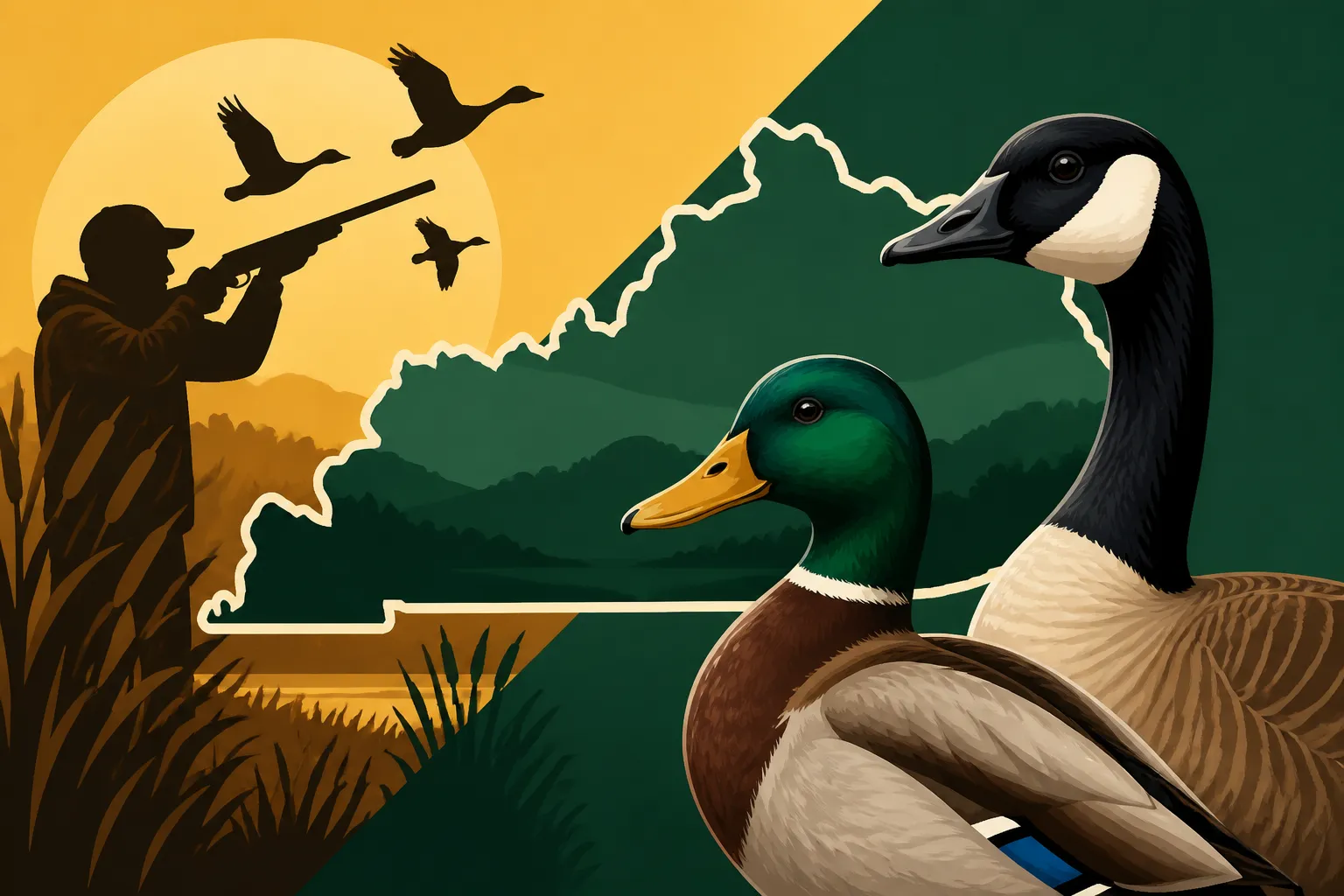
Kentucky Duck and Goose Zone Rules
Hunting waterfowl in Kentucky offers some incredible opportunities, but let's be real: figuring out the duck and goose zone rules can feel like trying to solve a Rubik's Cube blindfolded. It's easy to get tangled in the details of different seasons, bag limits, and specific zones, which can lead to confusion or, worse, unintended violations. This comprehensive guide is here to untangle all that complexity, breaking down Kentucky's duck and goose zone rules so you can hit the water or the field with confidence and enjoy a successful hunt.
Understanding Kentucky's Waterfowl Zones
Kentucky's position within the vast Mississippi Flyway makes it a prime destination for a variety of migratory waterfowl, but managing these birds and their diverse migration patterns requires a structured approach. That's why the Kentucky Department of Fish and Wildlife Resources (KDFWR) divides the state into distinct zones, each with its own set of rules tailored to the local bird populations and hunting pressure.
The Mississippi Flyway's Influence on Kentucky
Kentucky sits squarely in the middle of the Mississippi Flyway, a massive migratory route stretching from the Arctic tundra down to the Gulf of Mexico. This geographical sweet spot means that our state sees a tremendous influx of ducks, geese, and other migratory birds during their annual journeys. Think about it: birds breeding in Canada or the northern U.S. use this corridor to reach their wintering grounds, and Kentucky's abundant rivers, lakes, and agricultural lands offer crucial stopovers and wintering habitat. This constant flow of different species, from mallards and wood ducks to various goose species, necessitates careful management, which is where the zone system comes into play. The sheer volume and diversity of waterfowl passing through or settling in Kentucky make understanding these migratory patterns key to predicting when and where to hunt.
When you're out there, observing how birds use the landscape – whether they're hitting the large reservoirs, smaller farm ponds, or agricultural fields – it all ties back to the broader movements within the flyway. It's a dynamic system, and while the zones help categorize, the actual bird movements are influenced by weather, food sources, and hunting pressure across the entire flyway.
Defining the Western Kentucky Duck Zone
The Western Kentucky Duck Zone is probably what most people picture when they think of serious waterfowl hunting in the state. This zone encompasses a significant portion of western Kentucky, primarily defined by the mighty Ohio River and the massive complexes of Kentucky Lake and Lake Barkley. The habitat here is characterized by extensive river backwaters, flooded timber, agricultural fields (especially corn and soybeans), and large open water areas that serve as major resting and feeding grounds for thousands upon thousands of ducks and geese.
Counties like Ballard, McCracken, Carlisle, and Fulton are central to this zone, offering some of the most consistent waterfowl hunting in the state. The famous Ballard Wildlife Management Area (WMA) is a prime example of a critical habitat within this zone, known for its incredible public hunting opportunities and management focus on waterfowl. When you're considering hunting here, you're looking at prime real estate for mallards, gadwall, pintails, and various diving ducks that prefer the larger bodies of water. The sheer scale of the water and habitat available here means that while hunting pressure can be high, so too can the rewards.
Exploring the Eastern Kentucky Duck Zone
In contrast to the vast open waters and expansive agricultural fields of the west, the Eastern Kentucky Duck Zone presents a different kind of waterfowl hunting experience. This zone covers the rest of the state, east of the Western Zone boundary. Here, you'll find waterfowl hunting opportunities centered around smaller rivers, creeks, farm ponds, and numerous public and private reservoirs like Green River Lake, Barren River Lake, and Cave Run Lake. While these bodies of water might not hold the sheer numbers of birds seen on the big western lakes, they offer fantastic hunting, especially for dabbling ducks like wood ducks, mallards, and often smaller flocks of Canada geese.
The landscape in the Eastern Zone is more varied, with rolling hills, dense timber, and a patchwork of smaller agricultural fields interspersed with woodland. Hunters in this zone might spend more time jump-shooting smaller creeks or setting up on secluded farm ponds. Counties further east, even into the Appalachian foothills, offer pockets of excellent hunting, particularly during colder snaps when birds seek refuge and food. The experience here often feels more intimate, requiring different scouting and hunting strategies than those employed in the wide-open spaces of the Western Zone. Understanding the nuances of these smaller waterways and finding hidden pockets of birds is key to success in the Eastern Kentucky Duck Zone.
Navigating Duck Season Regulations by Zone
The beauty and the challenge of Kentucky's waterfowl hunting lie in the fact that regulations, particularly season dates and bag limits, aren't uniform across the state. They are carefully crafted for each zone, reflecting biological data, migratory patterns, and management goals. Staying on top of these specifics is paramount for any hunter.
Key Dates and Bag Limits in the Western Zone
When it comes to the Western Kentucky Duck Zone, hunters can typically expect a longer season, often split into two segments to coincide with peak migration periods. While specific dates can shift slightly year to year based on federal frameworks and KDFWR decisions, the Western Zone often sees an earlier opener in the fall, a brief closure, and then a longer second segment extending into late January. It's always crucial to check the most current Kentucky migratory bird hunting guide published by KDFWR, but generally, this zone benefits from the largest congregations of wintering ducks.
Daily bag limits are set federally but often have species-specific restrictions that Kentucky implements. For instance, you might have a total duck limit, but within that, there are further limits on mallard hens, pintails, canvasbacks, and black ducks. Exceeding these species-specific limits is a common, often accidental, violation. Possession limits are typically three times the daily bag limit, meaning if you hunt for three consecutive days and take your daily limit each day, that's your maximum to have in your possession. This deep dive into regulations is vital, and resources like the GoHunt app can be immensely helpful for quickly cross-referencing zone boundaries and current regulations on the fly, especially when you're moving between different areas.
Eastern Zone Duck Season Specifics
The Eastern Kentucky Duck Zone often has season dates that diverge from its western counterpart, typically starting a bit later in the fall and having different segment breaks. This adjusted timing is designed to align with when significant numbers of ducks, particularly local birds and those on later migratory pushes, are present in the eastern parts of the state. Hunters in this zone might find their season extending into January as well, but always with its unique opening and closing dates.
Just like the Western Zone, the Eastern Zone adheres to federal bag limits, but with the same potential for Kentucky-specific modifications for certain species. It's not uncommon for hunters new to a zone to mistakenly apply the rules of another, which highlights why a thorough review of the KDFWR guide is non-negotiable before heading out. Understanding these localized rules ensures you're hunting legally and responsibly. If you're considering a trip to hunt the Ohio River backwaters, be sure to confirm you're checking the correct zone dates.
Early Teal Season and Other Special Hunts
Beyond the general duck seasons, Kentucky also offers special opportunities, with the Early Teal Season being a major highlight for many waterfowl enthusiasts. This season typically occurs in September, prior to the regular duck seasons, and is specifically for blue-winged, green-winged, and cinnamon teal. It's a fast-paced, exciting hunt often characterized by warm weather and quick shooting as these agile birds zip through the skies. For this early hunt, as with all migratory bird hunting, you must have your Kentucky Migratory Bird Certification and a Federal Duck Stamp.
Kentucky also provides opportunities for specific youth and veteran/active military waterfowl hunts. These special seasons are designed to encourage participation and offer unique experiences for these groups, often with different dates or conditions than the general season. For instance, the Free Youth Weekend in December provides a fantastic opportunity for young hunters to get afield. These hunts are a wonderful way to introduce new hunters to the sport or show appreciation for service members. Always confirm the specific eligibility and regulations for these special hunts well in advance through the KDFWR annual guide.
Goose Season Zones and Management Strategies
While often lumped together, duck and goose seasons sometimes operate under different frameworks in Kentucky, particularly concerning zones and management strategies. Geese, especially Canada geese, present unique management challenges due to their varying migratory patterns and resident populations.
Kentucky's Goose Management Units
Kentucky's approach to goose hunting involves specific goose management units, which sometimes overlap with duck zones but can also have distinct boundaries or regulations. The primary reason for this separation is the presence of significant resident Canada goose populations alongside migratory birds. Resident geese often breed within the state and don't undertake the long migrations of their northern counterparts. Managing these populations requires different strategies, especially in areas where they might cause agricultural damage or become a nuisance.
The state is generally divided into Western, Central, and Eastern Goose Zones, with specific regulations for each, reflecting population densities and harvest goals. The rationale behind these units is deeply rooted in population biology and monitoring, ensuring sustainable harvest levels for both resident and migratory birds. Knowing which goose management unit you're in is just as important as knowing your duck zone. This granular approach allows KDFWR to fine-tune seasons and bag limits to respond effectively to local populations and hunter success rates, making sure that future generations have opportunities for goose hunting.
Season Dates and Bag Limits for Canada Geese
Canada goose seasons in Kentucky can vary significantly by zone and even within different periods of the year. For instance, an Early Goose Season Tactics in Kentucky might open in September, targeting resident birds before the main migration arrives. This early season typically has more liberal bag limits to help control local populations. The main Canada goose season, however, generally aligns more closely with the regular duck seasons, often in split segments throughout the fall and winter, with specific opening and closing dates for the Western, Central, and Eastern zones.
Daily bag limits for Canada geese can also differ depending on the zone and season segment. It's common to see limits ranging from 2-5 birds per day during the regular season, with higher limits possible during early or late-season special hunts. As always, possession limits are typically three times the daily bag. These regulations are subject to annual changes, so consulting the KDFWR migratory bird guide is crucial for the most accurate and up-to-date information. If you plan on layout blind hunting Western Kentucky fields, understanding the exact goose dates for that area is paramount.
Snow, Blue, and Ross's Goose Regulations
For hunters targeting "light geese" – Snow, Blue, and Ross's geese – Kentucky offers some incredibly liberal seasons and bag limits, particularly during the Conservation Order. These species have seen massive population growth, to the point where they are causing significant damage to their Arctic breeding grounds. To help reduce their numbers, federal and state regulations allow for extended seasons, often with no daily or possession limits, and permit the use of electronic calls and unplugged shotguns (meaning you can use more than three shells).
The Conservation Order for light geese typically runs after the regular waterfowl seasons conclude, extending into February and March. This offers a unique, high-volume hunting experience unlike any other. While Snow geese are less common in Kentucky compared to states further west in the flyway, significant numbers can still pass through, especially in the Western Kentucky counties. Hunting these birds often involves large decoy spreads and specialized calling. It's a different kind of challenge, but one that provides vital conservation benefits while offering an exciting late-season opportunity.
Essential Licenses, Permits, and Legal Considerations
Beyond understanding zones and seasons, there’s a foundational layer of legal requirements every Kentucky waterfowl hunter must fulfill. Skipping any of these steps can lead to penalties and put a damper on your hunting trip, regardless of how many birds you see.
Federal and State Licensing Requirements
First and foremost, any person hunting waterfowl in Kentucky must possess a valid Kentucky hunting license. Whether you're a Kentucky resident hunting license options or a nonresident hunting license options, this is your baseline. On top of that, all migratory bird hunters are required to obtain a Kentucky Migratory Bird Certification. This certification is a state-level requirement that helps KDFWR track migratory bird hunters and gather important harvest data. You can typically purchase this certificate online when you buy your annual hunting license.
Crucially, you also need a valid Federal Duck Stamp. This is a federal requirement for all waterfowl hunters 16 years of age and older. The Federal Duck Stamp is more than just a permit; it's a vital conservation tool, with 98 cents of every dollar going directly to protect and restore wetland habitats for ducks, geese, and other wildlife. You can purchase a Federal Duck Stamp at most post offices, many sporting goods stores, or online. Failing to have any of these three core licenses and permits in your possession while hunting migratory birds is a serious violation.
Waterfowl Harvest Information Program (HIP)
The Waterfowl Harvest Information Program, or HIP, is a mandatory federal program that all migratory bird hunters must participate in annually. When you purchase your Kentucky Migratory Bird Certification, you'll typically be asked a series of short questions about your migratory bird hunting activities from the previous year. This isn't a test; it's a survey designed to collect crucial data on hunter participation and harvest levels for various migratory bird species.
The information gathered through HIP is incredibly important for wildlife managers at both state and federal levels. It allows them to make informed decisions about season lengths, bag limits, and conservation priorities, ensuring sustainable populations for future generations. Without this data, management decisions would be much harder to make accurately. So, while it might seem like a small step, completing your HIP certification is a direct contribution to the conservation of the birds you love to hunt. It’s usually a quick process when you buy your license online.
Ammunition, Blinds, and Other Legalities
Waterfowl hunting comes with several specific legal considerations designed to ensure fair chase, hunter safety, and bird conservation. The most significant is the mandatory use of non-toxic shot. Lead shot is strictly prohibited for hunting waterfowl (ducks, geese, coots, and cranes) in Kentucky and across the United States. This rule is in place to prevent lead poisoning in waterfowl and other birds that ingest spent shot. Common non-toxic alternatives include steel, bismuth, and tungsten-alloy shot. Always double-check your ammunition to ensure it's non-toxic before heading afield.
Another critical rule is the shotgun capacity limit. When hunting migratory birds, your shotgun must be plugged so it cannot hold more than three shells in total (one in the chamber, two in the magazine). This means most semi-automatic and pump-action shotguns will require a magazine plug to comply. Beyond these, the age-old rules against baiting (luring birds with food) and using live decoys are strictly enforced. Knowing these regulations is just as important as knowing your season dates. For instance, if you're hunting Land Between the Lakes Waterfowl, you'll also need to be aware of any specific LBL hunting permit requirements in addition to state and federal mandates.
Practical Tips for Waterfowl Hunters in Kentucky
Navigating the regulations is one thing; putting it all into practice and consistently finding birds is another. Successful waterfowl hunting in Kentucky often comes down to preparation, persistent scouting, and a commitment to ethical practices.
Staying Informed with KDFWR Resources
The absolute best thing you can do as a waterfowl hunter in Kentucky is to stay glued to the Kentucky Department of Fish and Wildlife Resources (KDFWR) official website. Regulations, especially for migratory birds, can and do change annually. New season segments, slight shifts in dates, or updated bag limits are common. The KDFWR publishes its annual Kentucky Migratory Bird Hunting and Trapping Guide well in advance of the seasons, and it's your go-to source for the most accurate and up-to-date information.
Beyond the printed guide, the Kentucky Hunt Fish App is an invaluable tool. This app often provides digital maps of public lands, including WMAs, and can be a quick reference for regulations, license purchasing, and even telechecking your harvest. Many hunters also find premium mapping applications like GoHunt extremely helpful for overlaying property lines, terrain features, and scouting potential waterfowl hotspots, helping them find ground others walk past. Use these resources to their fullest; they are designed to help you stay legal and find success.
Scouting and Location Selection by Zone
Successful waterfowl hunting is rarely accidental; it's the result of diligent scouting, which will look different depending on whether you're in the Western or Eastern Kentucky Duck Zone.
In the Western Zone, with its massive water bodies like Kentucky Lake and Lake Barkley, scouting often involves covering large areas. Look for concentrations of birds using spotting scopes from distant vantage points. Pay attention to changes in water levels, which can flood new timber or mudflats, creating fresh feeding areas. Ideal spots for Layout Blind Hunting Western Kentucky Fields include cut cornfields near water or fields with standing water. Don't forget to investigate the extensive networks of river bottom sloughs and backwaters off the Ohio and Mississippi Rivers. Early Goose Season Tactics in Kentucky might focus on agricultural fields where geese are feeding, often separate from the ducks on larger lakes. Utilizing aerial photos for eastern Kentucky deer can also apply to finding waterfowl habitat by identifying water sources and agricultural fields.
In the Eastern Zone, scouting might be more localized. Focus on smaller rivers and creeks for jump-shooting opportunities or Reading a Bottomland Slough for a Morning Flight. Identifying undisturbed farm ponds that birds are using can be incredibly productive. Look for isolated water sources where birds feel safe from pressure. Even during late season, small, overlooked pockets of water can hold birds. Pay attention to crop rotations and harvest schedules in surrounding agricultural fields; ducks and geese will readily fly to freshly harvested areas for waste grain.
Ethical Hunting Practices and Conservation
Responsible waterfowl hunting extends beyond simply following the rules; it encompasses a commitment to ethical practices and conservation. One of the most important ethical considerations is positive bird identification. In the fast-paced environment of a duck blind, especially in low light, it can be challenging to identify birds before shooting. However, it is your responsibility to know what you are shooting at to avoid violating species-specific bag limits (e.g., mallard hens, pintails) or accidentally taking a protected species. When in doubt, don't shoot.
Another key aspect is responsible retriever use. A well-trained dog can significantly reduce crippling losses, ensuring that every bird shot is recovered. If you don't use a dog, be diligent in marking falls and retrieving birds quickly, especially in dense cover or strong currents. Finally, remember that every license and federal duck stamp purchased contributes directly to wetland conservation. These funds are vital for protecting and enhancing the critical habitats that waterfowl and countless other species depend on. By adhering to regulations, practicing ethical hunting, and supporting conservation, we ensure that the tradition of waterfowl hunting in Kentucky thrives for generations to come.
Kentucky Waterfowl Zone Regulations Summary
To help clarify the differences between Kentucky's primary duck and goose zones, here's a general overview of what you can expect. Remember, specific dates and limits can change annually, so always consult the latest KDFWR guide!
| Feature | Western Kentucky Duck Zone | Eastern Kentucky Duck Zone | Canada Goose Seasons (General) | Snow/Blue/Ross's Goose (Conservation Order) |
|---|---|---|---|---|
| Counties | Primarily west of I-65 and specific designated boundaries | All counties east of the Western Zone boundary | Varies by management unit (West, Central, East zones) | Statewide |
| Season Length | Often longer, split into two primary segments | Typically shorter than Western, split into segments | Split seasons, often with early and late segments by zone | Extended late winter/early spring |
| Typical Habitat | Large rivers (Ohio, Mississippi), Kentucky/Barkley Lakes, extensive flooded timber, large agricultural fields | Smaller rivers, creeks, farm ponds, reservoirs, smaller agricultural fields | Agricultural fields, large lakes, rivers, floodplains | Agricultural fields, major migration corridors |
| Common Duck Species | Mallards, Gadwall, Pintail, Wigeon, Divers | Wood Ducks, Mallards, Green-winged Teal, Gadwall | Canada Geese (resident & migratory) | Snow, Blue, and Ross's Geese |
| Daily Bag Limit | Federally set (e.g., 6 total ducks, with species limits) | Federally set (e.g., 6 total ducks, with species limits) | Varies by zone/season (e.g., 2-5 birds) | No daily bag limit |
| Possession Limit | Three times daily bag | Three times daily bag | Three times daily bag | No possession limit |
| Special Rules | High pressure on public lands, focus on large water/food | More intimate hunting, focus on smaller waters/jump-shooting | Early seasons target resident birds, management based on local populations | Electronic calls, unplugged shotguns permitted |
| Best For | High volume, diverse species, large water spread | Timber hunting, jump-shooting, smaller water bodies | Consistent opportunities, managing local populations | High volume, late-season fun, conservation effort |
Disclaimer
The information provided in this guide is intended for informational purposes only and is subject to change. Waterfowl hunting regulations, including season dates, bag limits, and zone boundaries, are set by the Kentucky Department of Fish and Wildlife Resources (KDFWR) and federal agencies, and they can be updated annually. It is the responsibility of every hunter to consult the most current official KDFWR migratory bird hunting guide and all applicable federal regulations before participating in any hunting activity. Failure to comply with all regulations may result in legal penalties.