Mandatory Testing Inside Kentucky’s CWD Zone
Navigating new hunting regulations can feel like deciphering a complex puzzle, especially when it concerns something as serious as Chronic Wasting Disease (CWD). The discovery of CWD in Kentucky has led to necessary changes, and for hunters operating within designated surveillance zones, mandatory testing is now a crucial part of the process. This guide is here to walk you through exactly what those mandatory testing requirements entail, ensuring you can comply with confidence and continue to enjoy Kentucky's rich hunting tradition while helping protect our deer herd.
Understanding Kentucky's CWD Surveillance Zones
The threat of Chronic Wasting Disease is a concern no hunter takes lightly, and Kentucky's Fish and Wildlife Resources (KDFWR) has implemented strict protocols to monitor and manage its spread. CWD is a fatal neurological disease affecting deer, elk, and moose, and its presence in our state demands a proactive, unified response from the hunting community.
Why CWD Testing Became Mandatory
For years, CWD was a problem we heard about in other states, hoping it wouldn't reach our borders. Unfortunately, that changed. The first confirmed cases of CWD in Kentucky were detected in Ballard County, followed by cases in captive facilities, like the one in Breckinridge County, and later in wild deer in Pulaski County. These discoveries, though concerning, also serve as a stark reminder of why diligent surveillance and mandatory testing are absolutely essential.
CWD is incredibly insidious because it can take years for an infected animal to show symptoms. By the time a deer looks sick, it's already been spreading infectious prions into the environment through saliva, urine, and feces. Mandatory testing, particularly in high-risk or newly discovered areas, allows KDFWR to get a clearer picture of the disease's prevalence, track its movement, and implement targeted management strategies. Without it, we'd be flying blind, and the long-term health of Kentucky's deer herd, which we all cherish, would be at far greater risk. It's a measure taken to protect our shared wildlife heritage, ensuring that future generations can experience the thrill of White-Tailed Deer Across Kentucky for years to come.
Identifying the Current CWD Zone Counties
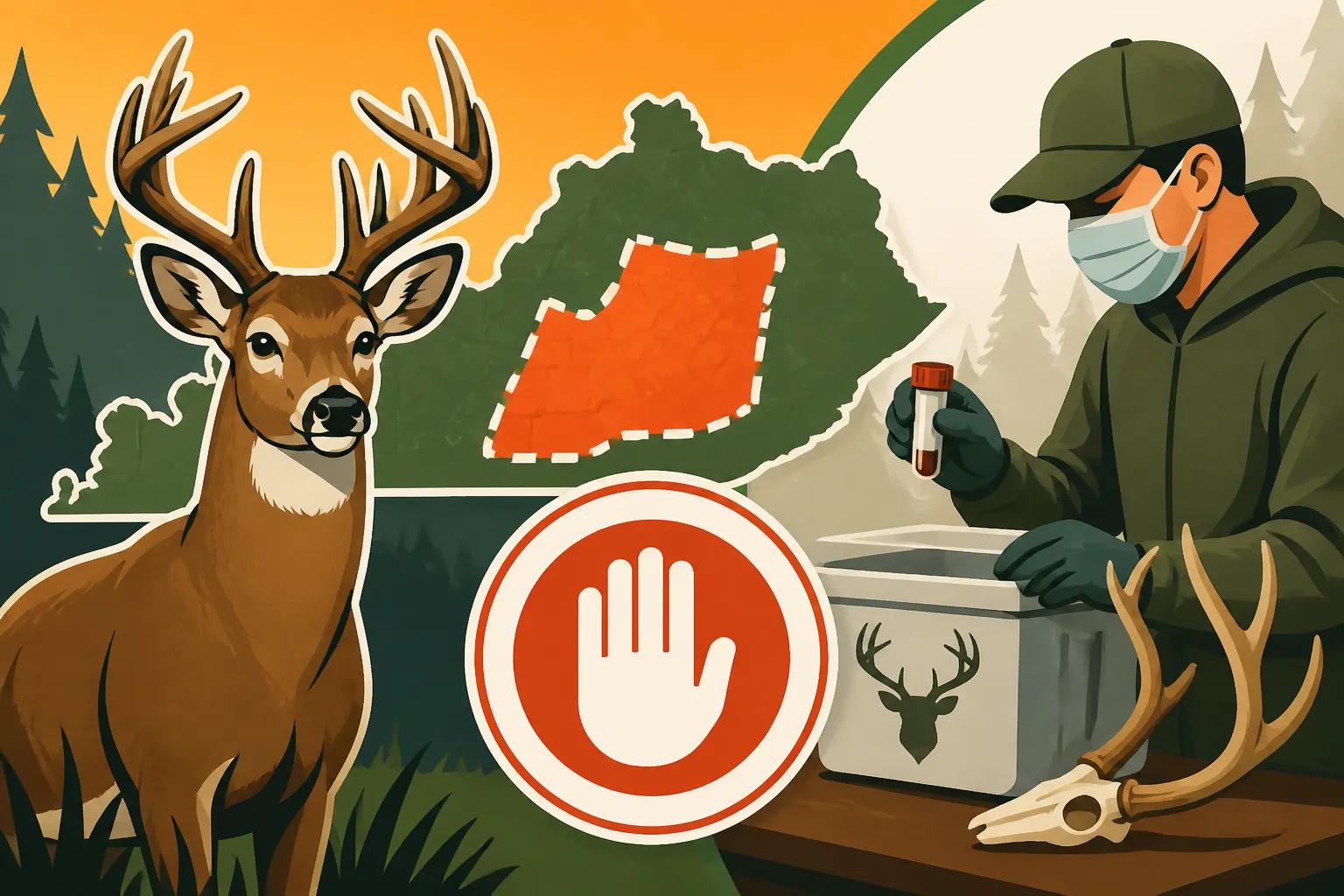
The CWD surveillance zone isn't static; it expands or contracts based on new detections and ongoing monitoring efforts. Currently, Kentucky has a designated CWD Surveillance Zone that includes specific counties. This zone encompasses areas where CWD has been detected or where there's a heightened risk of its presence due to proximity to positive cases.
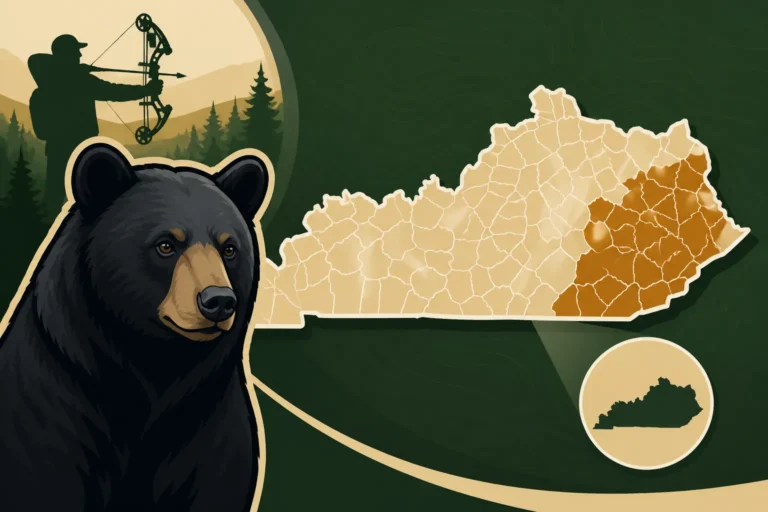
As of the latest updates, the primary CWD Surveillance Zone includes counties such as Ballard, McCracken, Calloway, Marshall, Livingston, Lyon, Trigg, and others in Western Kentucky, expanding to include counties like Pulaski in the central part of the state. These boundaries are crucial for hunters to understand, as the mandatory testing requirements apply specifically to deer harvested within these county lines.
Always, and I mean always, check the most current KDFWR regulations before you head afield. You can find an interactive map on their website or use the Kentucky Hunt Fish App, which typically has up-to-date boundaries. Many hunters also use mapping tools like GoHunt to cross-reference their hunting locations with the official CWD zones, ensuring they know whether mandatory testing applies to their harvest. Knowing Which Counties Sit in the CWD Surveillance Zone is your first critical step.
Impact on Hunter Behavior and Regulations
Hunting in a CWD zone fundamentally changes certain aspects of your routine. It's no longer just about the harvest and telecheck; there's an added responsibility. The most significant impacts are:
- Mandatory Testing: Any deer harvested within the CWD Surveillance Zone must be tested. This isn't optional; it's a legal requirement. You cannot simply telecheck your deer and go about your business without submitting a sample.
- Carcass Movement Restrictions: This is a big one. To prevent the further spread of CWD prions, there are strict rules about what parts of a deer harvested in a CWD zone can leave that zone. We'll dive into this more deeply, but generally, whole carcasses, brains, spinal cords, and certain other high-risk tissues cannot cross the zone boundary.
- Increased Awareness: Hunters in these zones become front-line defenders. You're asked to be more vigilant for signs of sick deer and to report anything unusual to KDFWR. This collective effort is what gives us the best chance at mitigating CWD's impact.
These regulations aren't designed to make hunting harder, but rather to safeguard the future of hunting in Kentucky. They ask for a little more effort from us, but the payoff is a healthier deer herd for years to come.
The Mandatory CWD Testing Process for Hunters
Once you've successfully harvested a deer within a CWD Surveillance Zone, the process shifts from the field to fulfilling your mandatory testing obligation. It might seem daunting at first, but KDFWR has streamlined the system to make it as straightforward as possible for hunters.
Step-by-Step Guide to Sample Submission
After the adrenaline of the shot wears off and you've got your deer on the ground, the next crucial step, if you're in a CWD zone, is sample submission. Here’s a general rundown of what you need to do:
- Telecheck Your Deer: First things first, as with any legal harvest in Kentucky, you must telecheck your deer. This registers your harvest with KDFWR and generates the necessary confirmation number. This number is vital for the CWD testing process. You can do this right from the field using your phone through the KDFWR website or app. Remember, Reporting a Deer Through Kentucky Telecheck is always the first step.
- Locate a Sample Collection Site: Before you even leave the house, or at least before you leave the woods, know where your nearest CWD sample collection site is. KDFWR provides staffed check stations during peak hunting seasons (like opening weekend of modern gun season) and unstaffed drop-off locations. These drop-off sites are typically freezer units or specific bins where you can leave a prepped sample. You can find these locations on the KDFWR website or through hunting apps.
- Prepare Your Sample: For CWD testing, KDFWR primarily needs the lymph nodes from the deer's head. If you’re submitting at a staffed check station, KDFWR personnel will typically take the sample for you. If you’re using an unstaffed drop-off site, you'll likely need to submit the deer’s head with about 4-6 inches of neck still attached, often along with the telecheck confirmation number clearly attached. Make sure the head is in a sturdy plastic bag. Always follow specific instructions provided by KDFWR for self-submission, as these can vary slightly.
- Submit Your Sample: Take your telechecked deer (or its head/sample, depending on the collection site) to the designated CWD sampling location. Ensure your telecheck confirmation number is readily available or clearly marked on the sample if you're using a drop-off freezer. This number links your harvest directly to your test results.
- Cooperate with Staff (if applicable): If you're at a staffed check station, the KDFWR biologist or technician will guide you through the process, ask for your telecheck number, and take the necessary tissue sample. They might also ask for general harvest location information to help with disease mapping. Be prepared to provide accurate details to aid their efforts.
This process is critical, and failing to comply can result in citations, so taking the time to understand and execute these steps correctly is paramount.
What to Expect at a CWD Check Station or Drop-off Site
Visiting a CWD check station or drop-off site might be a new experience for many Kentucky hunters. It's helpful to know what to expect.
At a staffed CWD check station, usually set up during high-traffic periods like the opening weekend of rifle season, you'll typically find KDFWR biologists or trained volunteers. They'll greet you, ask for your telecheck confirmation number, and likely confirm the county where the deer was harvested. They’ll then take the deer’s head, collect the retropharyngeal lymph nodes (which are located in the throat area), and sometimes a portion of the obex (part of the brainstem). This is a quick and efficient process, usually taking only a few minutes. They often wear gloves and use sterile tools. You might get a small tag or receipt indicating your sample has been collected. These stations are also excellent places to ask any questions you have about CWD or other regulations.
For unstaffed drop-off sites, these are generally large freezer units or designated bins at specific locations, sometimes KDFWR offices, public lands, or even local businesses. You’ll be expected to bring the deer’s head, with a section of the neck attached, inside a robust plastic bag. Crucially, you'll need to clearly label the bag with your name, phone number, and the telecheck confirmation number. There might be a log sheet to fill out as well. Make sure the freezer door is securely closed after you deposit your sample. These sites offer convenience, allowing you to submit samples outside of limited staffed hours, but require more hunter responsibility in preparing and labeling the sample correctly. Scouting these locations beforehand, perhaps with an app like GoHunt, can save you a lot of time and hassle after a successful hunt.
Receiving and Understanding Your Test Results
Once your sample is submitted, it’s sent to a certified lab for analysis. The waiting period for results can vary, often taking several weeks, especially during peak hunting season when labs are processing thousands of samples. KDFWR has a system in place to notify hunters of their results.
Typically, you'll receive notification via email or mail. If your deer tests negative for CWD, you might receive an automated notification. This is the most common outcome and means your deer showed no detectable signs of CWD. You can then process and consume your venison with confidence, as CWD is not known to be transmissible to humans, although health officials recommend not consuming meat from CWD-positive animals.
If your deer tests positive for CWD, KDFWR will usually contact you directly to discuss the results and next steps. This is a rare but significant event. They will provide guidance on safe disposal of the carcass and any further recommendations. While CWD is a serious concern, finding a positive case allows wildlife managers to focus their efforts and prevent further spread, ultimately benefiting the entire deer population. Understanding Kentucky CWD Testing for Hunters is part of being an informed and responsible hunter in our state.
Practical Considerations for Hunting in a CWD Zone
Hunting in a CWD zone adds a few extra layers of planning and execution to your hunt. It's about being prepared and mindful of the rules surrounding carcass handling, field dressing, and even your overall hunting strategy.
Carcass Movement Restrictions and Processing
This is perhaps the most critical aspect of hunting in a CWD zone. The goal is to prevent the physical movement of high-risk tissues (like brain and spinal cord) from an infected area to a clean one.
Here’s a breakdown of what parts of a deer can typically leave a CWD zone and what cannot:
Allowed to Leave the CWD Zone:
- Deboned Meat: All meat that has been completely deboned from the carcass. This is usually the preferred method for transport.
- Clean Skull Plate: The skull plate with antlers attached, after all brain and nervous tissue has been completely removed. This means no brain matter, and often KDFWR recommends a thorough cleaning.
- Capes/Hides: Clean hides and capes (for taxidermy), provided no nervous tissue or excess meat is attached.
- Teeth: For age determination, after thoroughly cleaned.
- Finished Taxidermy Mounts: Once a taxidermist has fully processed the skull and removed all risky tissues, the finished mount can leave the zone.
- Quarters: Meat that is bone-in, but with the spinal cord removed. This usually requires careful butchering.
Not Allowed to Leave the CWD Zone:
- Whole Carcasses: You cannot transport a whole, intact deer carcass out of a CWD zone.
- Heads with Brain/Spinal Tissue: Deer heads that still contain brain tissue or significant portions of the spinal cord are prohibited. This is why many hunters will de-head their deer in the field and only transport the head for testing, disposing of the body carefully within the zone, or processing it entirely within the zone.
- Spinal Columns and Other Nervous Tissue: Any part containing brain, spinal cord, or other lymphatic tissue.
This means if you harvest a deer in a CWD zone and live outside of it, you need to either process the deer entirely within the zone (debone it, clean the skull plate) or find a licensed processor within the zone. Many hunters will plan to take their deer directly to a CWD sampling station, then to a local butcher within the CWD zone for processing to ensure compliance. Knowing the Kentucky Carcass Movement Restrictions is key to avoiding issues.
Field Dressing and Safety Precautions
While CWD is not known to jump to humans, health agencies like the CDC recommend taking precautions when handling CWD-positive animals. Even with healthy-looking deer, it's wise to be cautious.
When field dressing a deer in a CWD zone, consider these safety measures:
- Wear Gloves: Always wear disposable gloves when handling internal organs, especially brain or spinal tissue.
- Minimize Contact: Try to minimize direct contact with the brain and spinal cord. If you're removing the head for testing, do so carefully.
- Proper Disposal: Dispose of all unused carcass parts (entrails, bones, etc.) properly within the CWD zone, preferably at the harvest site or in a designated landfill, avoiding water sources or areas where other deer might congregate. Do not leave them in accessible public areas.
- Clean Your Tools: Thoroughly clean and disinfect knives and other tools used for field dressing. A diluted bleach solution or commercial disinfectant specifically designed for prion decontamination can be used for extra caution, though regular soap and hot water are usually sufficient for general cleaning.
- Wash Hands: Always wash your hands thoroughly with soap and water after handling any part of the deer.
These steps aren't just for CWD; they're good general hygiene practices for any hunter.
Planning Your Hunt with CWD Regulations in Mind
Integrating CWD regulations into your hunting plan requires a bit of foresight. Don't let the adrenaline of a successful harvest catch you unprepared.
- Check Zones Before You Go: Before you even pack your truck, confirm the CWD zone boundaries for your intended hunting area. The KDFWR website and apps are your best friends here.
- Locate Sampling Sites: Know the exact locations and operating hours of CWD check stations and drop-off sites before you hunt. Map them out. Consider using a hunting app like GoHunt to mark these points on your map for easy navigation.
- Plan for Processing: If you live outside the CWD zone, identify a reputable deer processor within the CWD zone that can handle your deer. Call them ahead of time to confirm their services and hours. Alternatively, be prepared to debone your animal in the field or at camp before leaving the zone.
- Gear Up: Pack extra large, sturdy trash bags for carcass parts and waste, and plenty of disposable gloves. If you plan to skull cap in the field, bring the necessary tools.
- Stay Informed: CWD regulations can change. Keep an eye on KDFWR announcements and news regarding the CWD zones. Subscribing to their email updates or regularly checking their website or social media pages is a smart move. This proactive approach allows you to focus on the hunt itself, knowing you're prepared for the post-harvest procedures. It’s also wise to check for Hunting Pressure on Kentucky Public Land as CWD zone public lands can sometimes see higher or lower pressure depending on the area.
Addressing Common Hunter Concerns and Misconceptions
It's natural to have questions and even some frustrations when new regulations are introduced, especially for a disease as complex as CWD. Let's tackle some common concerns and clarify some misconceptions.
Why Mandatory Testing is Crucial for Herd Health
One of the biggest questions hunters often ask is, "Is all this really necessary?" The simple answer is yes, absolutely. CWD poses a grave long-term threat to our deer populations. Unlike some other wildlife diseases, CWD is always fatal, and there is no vaccine or cure. The prions that cause it are incredibly resilient and can persist in the environment for years, potentially infecting future generations of deer.
Mandatory testing gives KDFWR the vital data they need to understand the true prevalence and distribution of the disease. Without this data, management decisions would be based on guesswork, which is a gamble we can't afford to take with our state's deer herd. Every sample submitted, whether positive or negative, contributes to a larger scientific understanding that helps protect the health and sustainability of Kentucky's wildlife for years to come. Think of it as an investment in the future of Kentucky Deer Population Estimate.
The Role of Hunters in CWD Management
Hunters are, without a doubt, the most important partners in CWD management. We are the ones out in the field, observing the animals, and making the harvests. Our participation in mandatory testing and adherence to carcass movement restrictions directly contributes to controlling the disease.
Here’s how hunters play a critical role:
- Surveillance: By submitting samples, we provide the "eyes and ears" for KDFWR's surveillance efforts.
- Compliance: Following carcass movement rules and proper disposal practices actively prevents the spread of prions to new areas.
- Reporting: Being vigilant and reporting sick-looking deer helps identify new cases quickly. If you see a deer exhibiting symptoms like extreme weight loss, stumbling, or unusual behavior, report it immediately to KDFWR.
- Advocacy: Educating fellow hunters and the non-hunting public about CWD's seriousness helps build a broader understanding and support for these vital conservation efforts.
Your commitment isn't just about following the law; it's about being a responsible steward of Kentucky's natural resources. It's about being an integral part of the larger conservation effort that secures the future of our hunting traditions. We need to work together to protect Chronic Wasting Disease in Kentucky Deer.
Future Outlook for Kentucky's CWD Zones
The landscape of CWD management is constantly evolving. As KDFWR gathers more data, monitors the spread, and learns from other states' experiences, the CWD zones and associated regulations may change. It’s a dynamic situation.
Don't be surprised if boundaries shift, testing requirements are adjusted, or new protocols are introduced. This adaptability is a sign of a responsive and science-based management approach. KDFWR is committed to protecting our wildlife, and that means being flexible and reacting to the best available information. Keeping up with resources like the KDFWR website and even apps such as GoHunt provides timely updates that can affect where and how you hunt. The long-term goal is to contain and, if possible, minimize the impact of CWD on Kentucky's deer and elk populations. This ongoing effort is part of the broader commitment to wildlife health and the future of hunting in the Commonwealth. It's also part of understanding Kentucky's Chronic Wasting Disease Surveillance Zone as a whole.
Key Actions for Hunters in Kentucky's CWD Zones
To help summarize, here's a quick reference table for hunters operating in Kentucky's CWD Surveillance Zones:
| Action Item | Description |
|---|---|
| Check CWD Zone Boundaries | Before every hunt, verify if your intended hunting county is within the current CWD Surveillance Zone using the KDFWR website or Kentucky Hunt Fish App. This is the absolute first step to ensure compliance. |
| Telecheck Your Harvest | Immediately after harvesting a deer, telecheck it through the KDFWR website, app, or phone system. Obtain your confirmation number, as it is required for CWD sample submission. |
| Locate a Sample Collection Site | Identify the nearest KDFWR-approved CWD check station or unstaffed drop-off freezer. Plan your route to this site before you head out to hunt. |
| Submit Your Sample | Follow KDFWR instructions for submitting your deer's head/lymph nodes. Ensure it's properly tagged with your telecheck number and contact information. If using a drop-off, ensure the head is in a sturdy, sealed bag with appropriate ID. |
| Comply with Carcass Movement Restrictions | Do NOT transport whole deer carcasses, heads with brain/spinal tissue, or other high-risk parts out of the CWD zone. Plan to process your deer (debone, skull cap, etc.) within the zone, or utilize a local processor. |
| Practice Safe Field Dressing | Always wear disposable gloves when field dressing. Minimize contact with brain and spinal tissue. Properly dispose of unused carcass parts within the CWD zone. Clean and sanitize your tools thoroughly. |
| Stay Informed and Vigilant | Regularly check KDFWR updates for changes to CWD zones or regulations. Report any deer exhibiting symptoms of CWD (e.g., emaciation, neurological issues) to KDFWR immediately. Your observations are critical to early detection. |
Disclaimer
The information provided in this guide is intended for general informational purposes only and does not constitute legal advice. Hunting regulations, including CWD zones and testing requirements, can change frequently. Hunters are solely responsible for verifying and complying with all current Kentucky Department of Fish and Wildlife Resources (KDFWR) regulations before engaging in any hunting activities. Always consult the official KDFWR website and current hunting guides for the most accurate and up-to-date information.