Kentucky Carcass Movement Restrictions
Navigating hunting regulations can sometimes feel like trying to track a trophy buck through a thicket in the dark—confusing, frustrating, and prone to missteps. When you factor in something as serious as Chronic Wasting Disease (CWD), the stakes are even higher, and the rules around transporting your hard-earned harvest become critically important. This guide aims to clear up the confusion around Kentucky's deer carcass movement restrictions, offering practical, real-world advice to help you stay legal and contribute to the health of our deer herd.
Understanding Kentucky's CWD Challenge
Chronic Wasting Disease (CWD) is a serious concern for deer hunters and wildlife managers across the country, and Kentucky is no exception. It's a disease that can spread silently, posing a significant threat to our cherished deer population. Understanding what it is and why the Kentucky Department of Fish and Wildlife Resources (KDFWR) has implemented these regulations is the first step in being a responsible hunter.
What is Chronic Wasting Disease?
Chronic Wasting Disease is a fatal neurological disease that affects cervids—deer, elk, and moose. It's caused by abnormal proteins called prions, which slowly damage the animal's brain and nervous system. Animals infected with CWD might appear healthy for an extended period, but eventually, they develop symptoms like drastic weight loss, stumbling, listlessness, excessive drooling, and a lack of fear of humans. There is currently no vaccine or cure, and it's always fatal. While there's no evidence CWD can spread to humans, health organizations still advise against consuming meat from infected animals. The disease can linger in the environment for years through infected soil or plant matter, making containment incredibly challenging.
Where CWD Has Been Detected in Kentucky
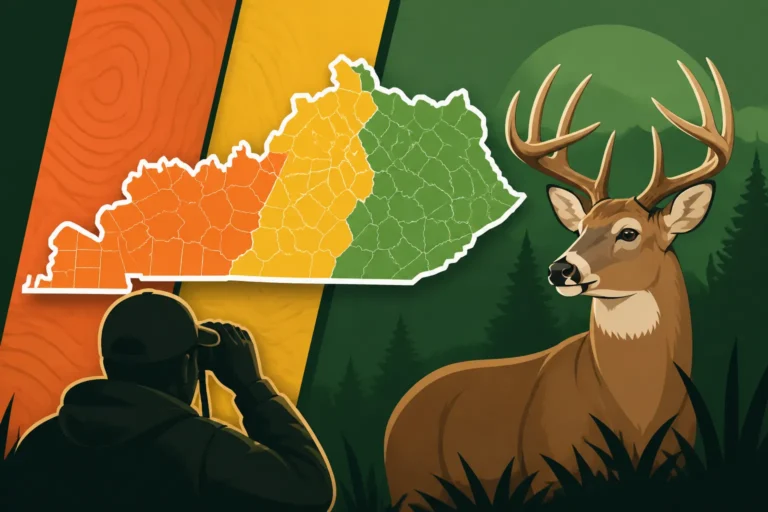
Kentucky has been diligently monitoring for CWD for many years, and unfortunately, the disease has made its presence known in certain areas. Historically, the first positive CWD cases in Kentucky's wild deer population were detected in Ballard County, which led to immediate and comprehensive management efforts. Since then, additional cases have been confirmed, expanding the areas of concern. For example, the discovery of CWD in captive deer facilities, like the one in Breckinridge County, and later in wild deer in Pulaski County, further broadened the scope of Kentucky's CWD Surveillance Zone. Knowing How Many Kentucky Counties Have Found CWD is critical for hunters to understand which areas are under heightened restrictions. The KDFWR maintains an up-to-date list of Which Counties Sit in the CWD Surveillance Zone on their website, and it's imperative to check this resource before heading afield, especially if you're planning a hunt near a known CWD hotspot.
Why These Restrictions Are So Important
These carcass movement restrictions aren't just bureaucratic red tape; they are a vital tool in our collective effort to slow the spread of CWD. The primary way CWD spreads over long distances is often through the movement of infected carcasses or parts. Imagine a hunter harvests a CWD-positive deer in a surveillance zone, and then transports the entire carcass, bones, brain, and spinal column intact, across the state to their home. If any of those infected tissues are then discarded in a new area, the prions can contaminate the soil, potentially infecting other deer that frequent that location for years to come. These rules are designed to prevent such scenarios, limiting the transport of high-risk tissues out of affected areas. It’s about protecting Kentucky’s deer hunting heritage for future generations, ensuring the health of the herd, and preserving the traditions we all cherish.
The Carcass Movement Restrictions Explained
When you're out hunting, the excitement of a successful harvest can sometimes overshadow the critical importance of understanding and following the rules. But with CWD, knowing precisely what you can and cannot move from one county to another is paramount. These regulations are designed to minimize risk while still allowing hunters to enjoy their success.
Defining "Carcass Parts" Under Kentucky Law
Kentucky law is quite specific about what constitutes a "carcass part" and which parts carry a higher risk of CWD prions. Generally, the prions are most concentrated in the brain, spinal cord, lymph nodes, and spleen of an infected animal. Therefore, when discussing carcass movement restrictions, the KDFWR focuses heavily on these "high-risk" tissues. This means that parts like the skull cap with antlers still attached (with brain matter removed), deboned meat, and clean hides are typically considered safe to move, even from CWD zones. However, whole carcasses, or even bone-in cuts that still contain spinal column material, are restricted. It's not just about the meat; it's about the parts that could harbor and spread the disease. This distinction is crucial for hunters who might be tempted to just toss a whole deer in the back of the truck for the trip home.
Specific Rules for CWD Surveillance Zone Counties
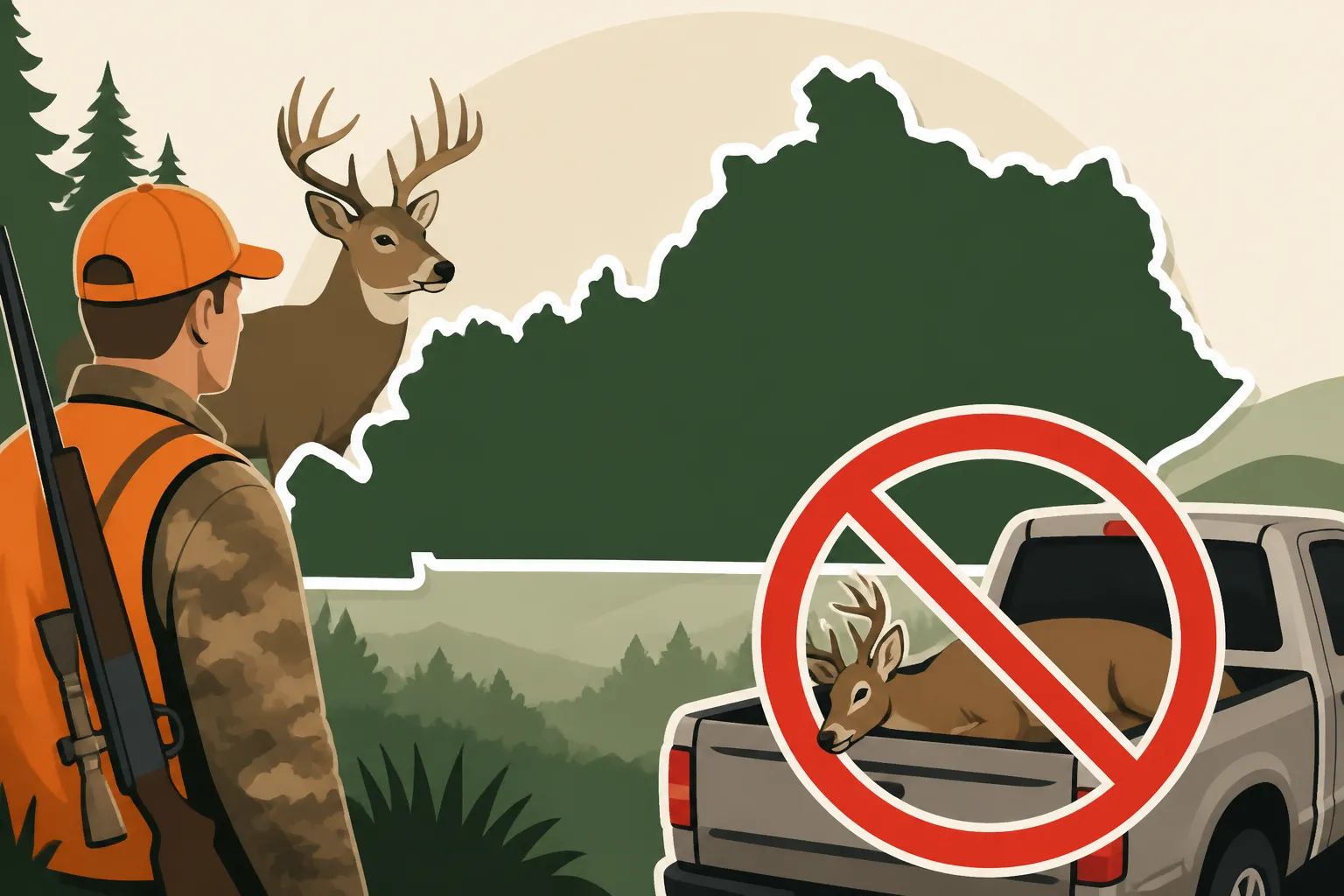
If you're hunting in a county designated as part of Kentucky's Chronic Wasting Disease Surveillance Zone, you face specific, more stringent rules regarding carcass movement. The overarching rule is that certain high-risk parts cannot leave the surveillance zone. This means if you harvest a deer in one of these counties, you cannot transport the whole carcass, or even major parts of it like the head (unless the brain is completely removed) or the spinal column, into a non-CWD surveillance county. This applies whether you're taking it home, to a processor, or to a taxidermist. The intent is to keep any potential CWD prions localized to the area where they were found. To facilitate this, hunters are highly encouraged, and in some cases mandated, to perform field dressing and even deboning within the CWD zone. Utilizing mapping tools like those offered by GoHunt can help you identify exactly where these zones begin and end, allowing you to plan your hunt and field processing accordingly.
Exemptions to the Movement Rules
While the rules in CWD surveillance zones are strict, there are important exemptions designed to make hunting feasible and to allow hunters to keep their harvest. The key is to understand which parts are exempt. Generally, the following parts are allowed to leave a CWD surveillance zone:
- Deboned meat: All meat that has been completely removed from the bone. This is the safest and most recommended way to transport your harvest.
- Antlers or clean skull plates: Antlers still attached to a skull plate are permitted as long as all brain and spinal tissue has been removed. This means the skull plate must be free of any meat, tissue, or fluid.
- Clean hides: Hides without the head or any other parts attached are allowed.
- Teeth: Individual teeth, or lower jawbones with teeth, are permitted for age determination purposes, provided no other tissue is present.
- Finished taxidermy products: Once a taxidermist has fully processed a head or hide into a mount, it is considered safe for transport.
It's important to remember that these exemptions focus on removing the high-risk tissues before transport. If you're planning on a shoulder mount, you'll need to remove the skull plate with the antlers and attached cape, but then arrange for a taxidermist within the CWD zone to process the skull and brain material, or send the clean skull plate and cape to your chosen taxidermist after initial processing. Understanding Moving a Deer Carcass Out of the Surveillance Zone is essential for compliance.
Practical Steps for Hunters in the CWD Zone
Hunting in a CWD surveillance zone adds a few extra layers of responsibility, but with a bit of planning and preparation, it's completely manageable. The goal is to minimize the risk of spreading CWD while still making the most of your hunting experience. It’s all about being proactive and informed.
Field Dressing and Bone-Out Strategies
When you successfully harvest a deer in a CWD surveillance zone, your immediate actions after the shot become even more critical. Field dressing is still your first priority, and it's generally best to do this at the kill site to reduce the weight for extraction and to allow the carcass to cool. However, you'll want to leave the gut pile where the deer was harvested, as it contains some high-risk tissues.
For transport out of the zone, the most foolproof method is to bone out your deer in the field. This means meticulously removing all the meat from the bones, leaving the skeletal structure, head, and spinal column behind. This might sound daunting, especially if you're used to dragging a whole deer out, but it's really the safest and most compliant way. There are plenty of online tutorials demonstrating the "gutless method" or quartering in the field, which make this process much easier than you might think. A good, sharp knife and some game bags are essential gear for this. Many hunters who frequent CWD zones pack out their meat in large freezer bags within their hunting packs, ensuring all high-risk material remains in the harvest county. This strategy also ties into the process of Butchering a Deer at Camp if you have a processing setup in the zone.
Using Approved Processors and Taxidermists
If you prefer not to bone out your deer in the field, or if you plan on a full shoulder mount, you'll need to use a licensed meat processor or taxidermist located within the CWD surveillance zone. These businesses are equipped and permitted to handle the restricted carcass parts appropriately, ensuring that high-risk materials are disposed of in accordance with KDFWR guidelines. They act as a critical buffer, preventing the spread of CWD.
Before you drop off your deer, it's always a good idea to call ahead and confirm their procedures for CWD zone deer. They can also advise you on how to best prepare your harvest for transport to their facility within the zone. Remember, you can't just take an entire deer from a CWD county to a processor in a non-CWD county. Planning this out beforehand is part of responsible hunting, much like scouting a new area or practicing with your bow for Bowhunting Kentucky's Long Archery Season.
Mandatory CWD Testing and Sampling Locations
In addition to carcass movement restrictions, hunters who harvest deer within Kentucky's CWD Surveillance Zone are often subject to mandatory CWD testing. This isn't just a suggestion; it's a critical part of the state's CWD management strategy to monitor prevalence and track the disease's spread. The KDFWR provides specific dates and locations where hunters can submit their deer heads for testing.
These Kentucky CWD Testing for Hunters locations are typically check stations or designated drop-off points within the affected counties. You'll need to bring the deer's head, usually with 4-6 inches of neck still attached, and your telecheck confirmation number. The KDFWR website and your GoHunt app can help you find nearby Finding a Kentucky CWD Sampling Location. This process helps wildlife biologists gather vital data, informing future management decisions. It's a small but significant contribution to the long-term health of Kentucky's deer herd, and it’s an expectation that comes with hunting in these specific areas.
What to Do if You Harvest Outside the CWD Zone
While the focus on CWD surveillance zones is critical, the vast majority of Kentucky still falls outside these designated areas. This doesn't mean you can ignore all rules, but the regulations regarding carcass movement are less restrictive. It's important to understand the standard procedures, especially if you plan to travel across county or state lines.
General Transport Rules for Healthy Deer
If you harvest a deer in a county that is not part of a CWD surveillance zone, you generally have more flexibility in how you transport your carcass. You can typically transport a whole, field-dressed deer directly to your home, a processor, or a taxidermist anywhere else within Kentucky. The main requirements here revolve around legal harvest, proper tagging, and humane treatment. Ensure your deer is properly telechecked according to Kentucky Deer Harvest Reporting Rules, and that any required tags are securely affixed.
However, even outside CWD zones, common sense and good practice dictate keeping your deer cool and clean during transport. Overly warm temperatures can spoil meat quickly, especially if the deer is not properly field dressed or if the trip is long. Planning your route and having adequate cooling for the carcass is always a good idea, whether you're bringing it from a farm in Western Kentucky to a home in Louisville, or just a few miles down the road.
When Crossing State Lines
This is where things can get tricky, even with deer harvested outside Kentucky's CWD zones. Each state has its own specific regulations regarding the importation of deer carcasses or parts, especially concerning CWD. If you plan to hunt in Kentucky and then take your harvest back to, say, Tennessee, Ohio, or Indiana, you absolutely must check the regulations of your home state before you leave for your hunt.
Many states have rules similar to Kentucky's CWD zone restrictions, even if the deer originated from a CWD-free area in Kentucky. They might only allow deboned meat, clean skull plates, or finished taxidermy products to cross their borders. This is a preventative measure to protect their deer herds from potential CWD introduction. Ignorance of these laws is not an excuse and can lead to fines, confiscation of your harvest, and other legal troubles. Always err on the side of caution and assume a deboned harvest is the safest bet for interstate travel.
Bringing Meat to a Processor Anywhere in Kentucky
Even if you're not in a CWD zone, and you're simply taking your deer to a local processor, there are still best practices. Ensure the deer is clean, properly field-dressed, and cooled. Most reputable processors appreciate a well-cared-for carcass, as it results in higher quality meat. While you might not face the strict "bone-out" rules, understanding the general principles of proper game care, like Handling Venison From a CWD Surveillance County, can apply universally.
A quick call to your chosen processor can confirm their specific requirements or recommendations for deer brought to their facility. Some might prefer the deer to be skinned, others might handle it all. Regardless, maintaining hygiene and temperature control during transport is key to delicious venison, which is ultimately why we hunt.
Preparing Your Harvest for Transport
Whether you're dealing with CWD restrictions or just aiming for the best quality meat, proper preparation of your harvest before transport is crucial. It’s not just about compliance; it’s about respect for the animal and ensuring you get the most out of your efforts.
Deboning in the Field
Deboning a deer in the field is rapidly becoming the gold standard for responsible hunters, especially when CWD is a concern. It’s also incredibly practical for hunters tackling rugged terrain or those deep in the Daniel Boone National Forest, far from vehicle access. The process involves systematically removing all muscle tissue from the bone structure, leaving the skeleton, head, and entrails at the kill site.
This method significantly reduces the weight you need to carry, which is a huge bonus on long hauls. You'll need a sharp knife or two, a small sharpening steel or stone, and good quality game bags to keep the meat clean and allow it to breathe. Start by quartering the deer, then work on each quarter to strip all the meat from the bone. Don't forget the tenderloins and backstraps! For hunters using navigation tools like GoHunt, marking your kill site on the app can help ensure you don't leave any important gear behind, and aids in returning to the site if needed for bone disposal. This method is often preferred when scouting Treestand Setups in Daniel Boone National Forest, where heavy drags are to be avoided.
Skull Plate and Antler Preparations
For many hunters, the antlers are a cherished trophy, representing a successful hunt. If you harvest a buck in a CWD surveillance zone and want to keep the antlers, you'll need to prepare the skull plate correctly before moving it. This involves carefully removing the antlers from the skull by cutting through the skull plate, ensuring that all brain tissue is completely detached and left within the CWD zone.
The skull plate should be clean and free of any muscle, tissue, or fluid. This might involve a bit of scraping and rinsing. Some hunters opt to simply remove the antlers themselves, while others use a saw to cut around the skull plate to include a small portion of bone. If you plan on a European mount or want the full skull, you must either process it entirely within the CWD zone (meaning boiling and cleaning it there) or leave it with a licensed taxidermist in the zone to handle the high-risk tissues properly. It's a small effort to ensure that your trophy is compliant and doesn't pose a risk to other deer herds.
Safe Handling and Storage for Travel
Once your deer is field-dressed, deboned, or otherwise prepared, safe handling and storage for travel are paramount, regardless of CWD status. Warm temperatures are the enemy of venison quality. If you're hunting in Kentucky's early archery season, when temperatures can still be quite warm, this is especially important. You'll want to get the meat cooled down as quickly as possible.
For deboned meat, place it in breathable game bags and then into coolers with plenty of ice. Block ice lasts longer than cubed ice. Ensure that the meat is not sitting directly in meltwater, as this can degrade quality. Some hunters use dry ice or frozen water bottles to supplement. For whole carcasses (outside CWD zones), pack the chest cavity with ice, or transport it quickly to a walk-in cooler. A good rule of thumb for Field Dressing a Deer in Cold Weather is to ensure air circulation and avoid putting plastic over the deer until it's fully cooled, as this can trap heat. Always cover your harvest with a tarp or blanket to protect it from road grime and sunlight during transport.
Beyond the Basics: Special Scenarios and Considerations
Beyond the common scenarios, there are a few other situations and considerations hunters should be aware of regarding carcass movement. These touch on aspects like road-killed deer, the final stage of taxidermy, and the broader responsibility we share as hunters.
Road-Killed Deer and Salvage Rules
Accidents happen, and unfortunately, deer are often involved in vehicle collisions on Kentucky's roads. In Kentucky, if you hit a deer and want to claim it, there are specific rules to follow. You must report the deer to the KDFWR within 24 hours of salvage. This can be done through the Telecheck system, just like a harvested deer. However, if that road-killed deer is picked up within a CWD surveillance zone county, the same carcass movement restrictions apply. You cannot transport a whole road-killed deer from a CWD zone to a non-CWD zone. You would need to bone it out or utilize a processor within the zone, just as if you had harvested it yourself. This ensures that even accidental harvests adhere to the disease management protocols.
Transporting Processed Meat and Taxidermy Mounts
Once your deer has been professionally processed into deboned meat, or your trophy has been completely transformed into a finished taxidermy mount, the carcass movement restrictions generally no longer apply. This is because the high-risk tissues have either been removed and properly disposed of, or they have been rendered safe through the taxidermy process (e.g., the brain and spinal column material are removed from a skull mount).
You can safely transport your vacuum-sealed venison, jerky, or finished shoulder mount across county and state lines without concern for CWD restrictions. This is the ultimate goal: to responsibly enjoy the fruits of your hunt while mitigating any risk to the wider deer population. Always confirm with your processor or taxidermist that their methods meet the necessary CWD compliance for the parts you intend to keep.
Educating Fellow Hunters and Preventing Spread
Ultimately, the success of Kentucky's CWD management efforts, including carcass movement restrictions, depends on the understanding and cooperation of the entire hunting community. It's not enough for just a few of us to know the rules; we all need to be informed. As experienced hunters, we have a responsibility to educate our peers, especially those new to the sport or unfamiliar with hunting in CWD zones.
Share this information at deer camp, encourage friends to check the KDFWR website or use resources like GoHunt to understand current regulations, and lead by example with proper field dressing and carcass handling. Our collective actions can make a real difference in preventing the spread of CWD and ensuring that Kentucky remains a premier destination for deer hunting. Let's work together to protect our herd and our hunting traditions, whether we're planning for Kentucky's Statewide Modern Gun Season or just a quiet late-season hunt.
| Carcass Part | Allowed from CWD Zone? | Notes for Transport |
|---|---|---|
| Deboned Meat | Yes | Must be completely free of bone, muscle, and other tissue. |
| Clean Skull Plate/Antlers | Yes | All brain and nervous tissue removed; clean bone only. |
| Clean Hide | Yes | No head, meat, or other tissue attached. |
| Teeth/Lower Jawbone | Yes | For aging purposes, free of meat/tissue. |
| Finished Taxidermy Mount | Yes | Fully processed by a licensed taxidermist. |
| Whole Carcass | No | Not permitted to leave CWD zone. |
| Head (Unprocessed) | No | Not permitted to leave CWD zone (unless for testing). |
| Spinal Column / Bone-in Parts | No | Not permitted to leave CWD zone. |
Disclaimer
The information provided in this guide is for general informational purposes only and does not constitute legal advice. Hunting regulations, including CWD restrictions, are subject to change. Always consult the official Kentucky Department of Fish and Wildlife Resources (KDFWR) regulations, website, or contact the department directly for the most current and accurate information before hunting. Compliance with all applicable laws and regulations is the responsibility of each individual hunter.