Kentucky Youth Spring Turkey Weekend
Trying to introduce a young person to the magic of turkey hunting can feel like a high-stakes adventure, often fraught with more questions than answers. You want them to have that unforgettable experience, to hear that gobble shake the woods, but figuring out all the special rules, where to go, and how to keep a kid engaged can be a real headache. This comprehensive guide is here to untangle the complexities of the Kentucky Youth Spring Turkey Weekend, offering practical advice and deep insights to help you create lasting memories and foster a love for the outdoors in your young hunter.
Understanding the Kentucky Youth Spring Turkey Weekend
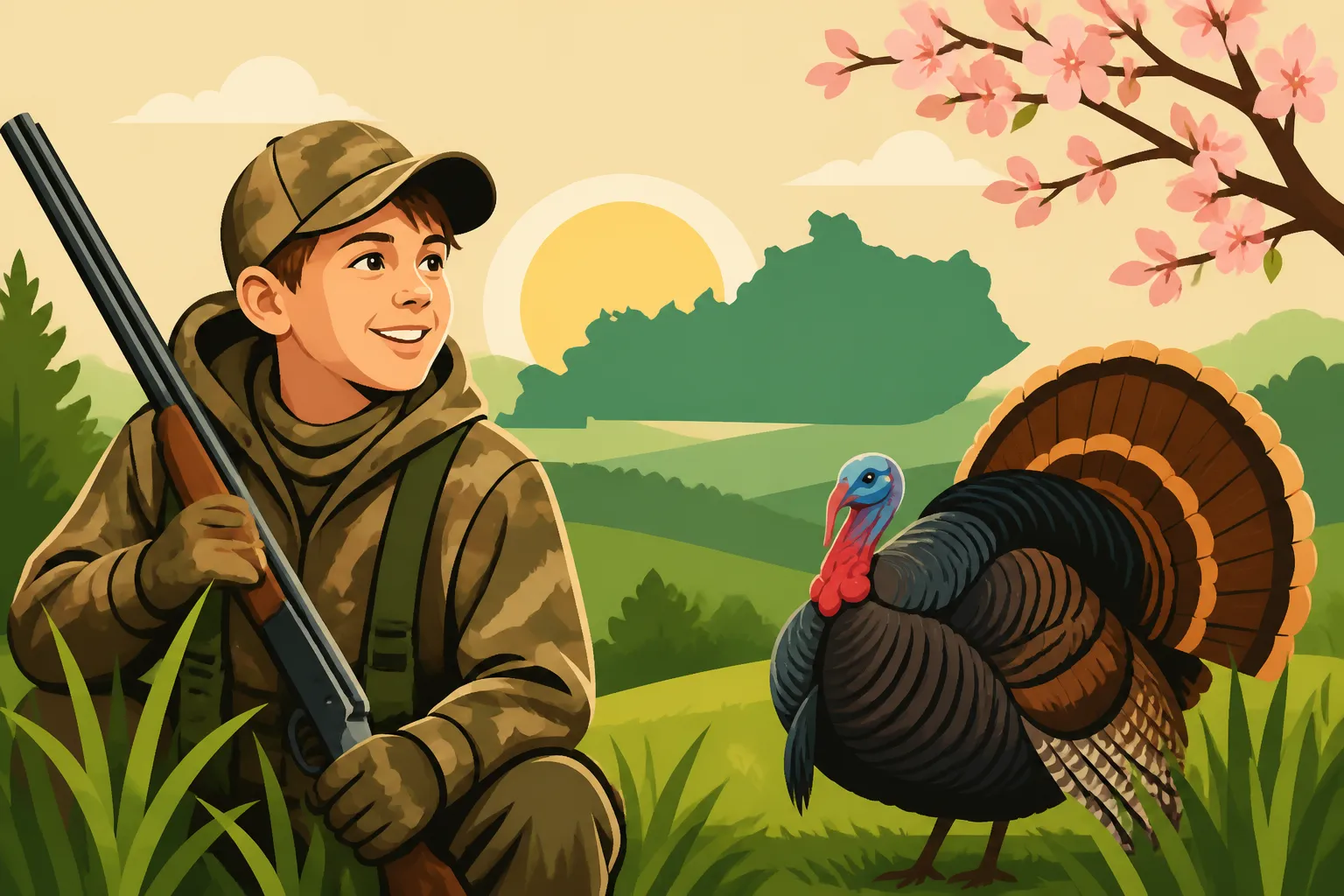
For many of us who grew up in the outdoors, our fondest memories often involve a patient parent or grandparent teaching us the ropes, especially when it came to turkey hunting. Kentucky recognizes the immense value in cultivating this tradition, which is precisely why the Kentucky Department of Fish and Wildlife Resources (KDFWR) established a dedicated Youth Spring Turkey Weekend. This isn't just a random set of dates; it's a carefully planned opportunity designed to give young hunters a head start and a less pressured experience before the main season kicks off for adults. It’s about building confidence, making mistakes in a forgiving environment, and simply enjoying the wild.
Why This Special Season Exists
The idea behind creating a dedicated youth season is multi-faceted, stemming from a desire to address several common barriers young hunters face. First and foremost, it’s about providing a unique, low-pressure hunting experience. When the general season opens, public lands can become crowded, and birds can get educated quickly. By having their own weekend, youth hunters and their mentors often find quieter woods and more responsive birds, which significantly increases the chances of a successful and enjoyable hunt. It's a fantastic way to minimize frustration and maximize excitement for new hunters.
Secondly, it's a powerful tool for hunter recruitment and retention. In an age where kids have countless distractions, getting them hooked on hunting early is crucial for the future of wildlife conservation. A positive first experience can ignite a lifelong passion. The KDFWR understands that by giving kids a special weekend, it signals that they are valued participants in the hunting community, not just tag-alongs. It also eases the pressure on mentors, allowing them to focus solely on the youth hunter without worrying about their own tag or conflicting hunting schedules. This dedicated time is invaluable for teaching safety, ethics, and woodsmanship in a relaxed setting, laying a strong foundation for future hunts.
Who is Eligible to Hunt
Eligibility for the Kentucky Youth Spring Turkey Weekend is quite straightforward, but it's crucial to understand the specifics to ensure compliance. This special season is open to any person 15 years of age or younger at the time of the hunt. This age cut-off is firm, meaning if a youth turns 16 before or during the youth weekend, they would no longer be eligible to participate in that specific special season, though they could participate in the Kentucky General Spring Turkey Season with the appropriate licenses.
A critical component of this eligibility is the requirement for accompaniment by an adult. Every youth hunter must be supervised by an adult, 18 years of age or older, who is not licensed to hunt turkey during the youth-only weekend. This means the adult cannot carry a weapon or attempt to harvest a turkey. Their role is purely to mentor, guide, and ensure the safety of the young hunter. It's truly about the kid's experience, which is why the mentor must be focused solely on them. This rule ensures that the mentor is fully attentive to the youth's actions, safety, and learning, fostering a true teaching moment rather than a dual hunt. For more information on who needs hunter education, check out Kentucky Hunter Education Requirements.
Key Dates and Duration
The Kentucky Youth Spring Turkey Weekend typically falls in April, usually the first full weekend before the statewide general spring turkey season opens. It’s a brief, concentrated window, often just two days (Saturday and Sunday), specifically designed to provide that early advantage. The exact dates can shift slightly year-to-year, so it’s imperative to consult the current Kentucky Hunting and Trapping Guide published by the KDFWR each season. You can usually find these dates listed clearly at the beginning of the turkey season section.
The limited duration of this season is part of its charm and its challenge. It means you only have a short time to make it happen, which adds to the excitement but also necessitates thorough pre-season planning. Mentors need to scout effectively, have a solid game plan, and be ready to adapt quickly to weather changes or bird behavior. For example, if the first morning is a washout, you only have one more day to potentially make a harvest. This limited window also emphasizes the importance of making the most of every moment afield, whether a bird is harvested or not, focusing on the shared experience.
Essential Rules and Regulations for Young Hunters
Navigating the rules and regulations can sometimes feel like trying to untangle a gobbler's track in fresh mud. Kentucky's KDFWR does a good job of laying them out, but for new hunters and their mentors, it’s easy to get overwhelmed. Understanding these specifics is not just about avoiding fines; it’s about ensuring a safe, ethical, and lawful hunt, which is the cornerstone of responsible outdoor stewardship. For the Kentucky Youth Spring Turkey Weekend, certain rules are particularly important to emphasize for both the young hunter and their accompanying adult.
Licensing and Permit Requirements
Even for a special youth season, proper licensing is non-negotiable. Every young hunter participating in the Kentucky Youth Spring Turkey Weekend must possess a valid Kentucky hunting license and a Kentucky Spring Turkey Permit. These licenses and permits can typically be purchased online through the KDFWR website, at sporting goods stores, or at county clerk offices across the state. It’s always a good idea to purchase these well in advance of the season opener to avoid any last-minute stress or technical glitches.
There are specific options for resident versus nonresident youth. For Kentucky residents, options like the Kentucky Resident Hunting License Options can be a great value, sometimes bundling several permits. Nonresident youth will need to purchase the appropriate nonresident hunting license and spring turkey permit. Remember, the supervising adult, while not needing a turkey permit themselves for the youth weekend if they are not hunting, still needs a valid hunting license if they are otherwise participating in hunting activities at other times or are required by other state laws. Always double-check current year's regulations as fees and requirements can change.
Bag Limits and Reporting Procedures
One of the most exciting moments for a young hunter is successfully taking a turkey, and knowing the bag limits and reporting requirements ensures that celebration is lawful. During the Kentucky Youth Spring Turkey Weekend, the statewide bag limit applies: one (1) turkey per hunter, which must be a gobbler or a bearded hen. It's crucial that this is the only turkey the youth can take during this special weekend. While the Kentucky Turkey Bag Limit Rules for the general season allow for more, the youth season is strictly limited to one.
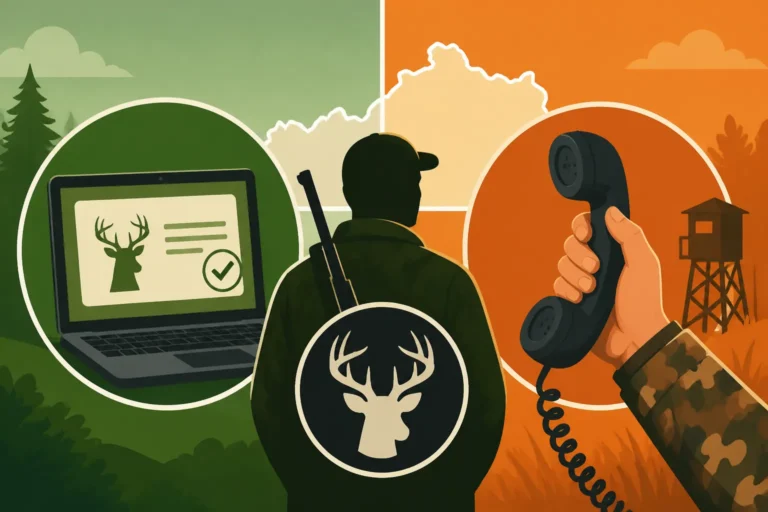
Once a turkey is harvested, the next critical step is telechecking. Kentucky requires all harvested deer and turkeys to be reported via the Telecheck system by 8:00 PM on the day the animal is recovered. This can be done online or by phone. It's a quick process that provides vital data for wildlife management. Make sure to have the youth's license number handy when you call or go online. Failing to telecheck a harvest is a serious violation and can result in penalties, so make it part of the post-harvest routine. It's a good teaching moment about legal responsibility for the young hunter.
Legal Firearms and Archery Equipment
Understanding what equipment is legal for hunting turkey in Kentucky is vital for both safety and compliance. For the Youth Spring Turkey Weekend, young hunters are generally permitted to use shotguns, muzzleloading shotguns, or archery equipment. For shotguns, the most common gauges are 12-gauge, 20-gauge, and .410, loaded with legal shot sizes (typically lead #4, #5, #6, or specific non-toxic shot like bismuth or tungsten if using those types). Full or extra-full chokes are highly recommended for optimal patterns at turkey hunting distances.
When it comes to archery equipment, vertical bows and crossbows are permitted. This includes compounds, recurves, and longbows. While there isn't a specific draw weight minimum for turkeys, it's generally accepted that for ethical hunting, a bow should be capable of achieving sufficient penetration. For more details on archery gear, you can look into Crossbow Versus Vertical Bow in Kentucky. It's illegal to hunt turkeys with rifles or handguns during the spring season. Regardless of the chosen weapon, it's absolutely paramount that the young hunter is proficient and comfortable with their equipment, having practiced extensively before heading into the woods.
| Item | Requirement / Rule | Notes |
|---|---|---|
| Age | 15 years old or younger | Must be 15 or under at the time of the hunt. |
| Mentor | Adult (18+) not licensed to hunt turkey | Must be present, cannot hunt or carry a weapon. |
| Hunting License | Required for youth | Must possess a valid annual KY hunting license. |
| Turkey Permit | Required for youth | Must possess a valid KY Spring Turkey Permit. |
| Bag Limit | One (1) gobbler or bearded hen | Applies statewide for the youth weekend. |
| Telecheck | Mandatory by 8 PM day of harvest | Report online or by phone. |
| Legal Weapons | Shotguns, Muzzleloading Shotguns, Archery Equipment (bows/crossbows) | No rifles or handguns for spring turkey. |
| Blaze Orange | Not required for turkey hunting | Recommended for safety when moving, but not legally mandated. |
Mentoring Young Turkey Hunters: Strategies for Success
Mentoring a young hunter during the Kentucky Youth Spring Turkey Weekend is arguably more rewarding than taking a bird yourself. It’s an opportunity to pass on knowledge, instill values, and create bonds that last a lifetime. However, it also comes with its own set of challenges, from keeping attention spans engaged to ensuring safety above all else. A successful mentorship goes far beyond just calling in a bird; it's about fostering a deeper appreciation for the outdoors.
Scouting and Location Selection
One of the biggest keys to success, especially with young hunters, is thorough pre-season scouting. You want to put your young hunter in the best possible position for an encounter, as sitting for hours without action can quickly lead to disengagement. Start weeks before the season by listening for gobblers at dawn, identifying potential roosting areas, and looking for turkey sign like tracks, droppings, and strut marks. Good intel here significantly boosts morale and reduces the amount of time spent searching during the actual hunt.
Consider using tools like the Scouting With the Kentucky Hunt Fish App or other mapping applications like GoHunt to pinpoint likely locations. Look for areas with a mix of mature timber for roosting, open fields or ridges for strutting, and water sources. Public lands like those found in Kentucky Wildlife Management Areas can offer excellent opportunities, but be sure to check specific WMA regulations, as some may have unique rules for youth hunts. If you have private land access, even better, as it generally means less pressure. The goal is to find a spot where birds are active and predictable, increasing the chances of that thrilling gobble and close encounter.
Calling Techniques for Kids
Teaching a child to call turkeys can be a fantastic part of the experience, but it requires patience and a realistic approach. You don't need to be a world champion caller; consistency and realism are far more important. Start with simple calls, like clucks and yelps, using easy-to-master friction calls (slate or box calls). Mouth calls can be effective but often take more practice to perfect, which might frustrate a beginner. Consider what Turkey Calls Worth Carrying in Kentucky might be best for different situations.
When you're actually hunting, the mentor often does the primary calling, but involve the youth by letting them try some soft clucks or purrs. Explain why you're making certain calls and what response you're hoping for. Talk them through the scenario: "I'm going to yelp like a lonely hen, and we're listening for a gobbler to answer." If a bird responds, the excitement in their eyes will be payment enough. Remember, sometimes less is more. Over-calling can spook birds, especially if they are already pressured. Let the birds work, and focus on subtle, natural sounds.
Safety First: Gear and Field Practices
When hunting with youth, safety is the absolute priority, overshadowing even the desire to harvest a bird. Before you even step foot in the woods, review firearm or archery safety rules repeatedly. Ensure the young hunter understands muzzle control, target identification, and the importance of only taking a safe, ethical shot. Practice handling their chosen weapon until it becomes second nature.
Beyond weapon safety, field practices are crucial. Dress in layers appropriate for Kentucky's variable spring weather, and always carry a well-stocked first-aid kit. While blaze orange isn't legally required for turkey hunting, it's an excellent idea to wear it when moving to and from your setup, especially on public land. Take the time to identify your shooting lanes from your chosen position, ensuring a clear, safe shot. Emphasize the importance of positive identification – "beard, red head, no movement" – before pulling the trigger. When Setting Up Against a Big Oak or other large trees, always position the youth so they have a solid backstop and a clear field of fire, with the mentor slightly behind and to the side, ready to whisper instructions or intervene if necessary.
Overcoming Challenges and Making Memories
Let's be real: hunting with kids isn't always picture-perfect. Turkeys are wild animals, and kids are… well, kids. They have boundless energy, short attention spans, and sometimes an inability to sit still for more than five minutes. Recognizing and planning for these challenges is part of being a good mentor, and it’s what turns potential frustration into memorable adventures. The goal isn't just to harvest a bird, but to instill a love for the outdoors, regardless of the outcome.
Dealing with Difficult Birds and Short Attention Spans
There will be days when the turkeys just won't cooperate. They might gobble their heads off on the roost and then fly down silently into the next county. Or they might hang up just out of range, completely ignoring your most seductive yelps. This is a common frustration, even for seasoned hunters, but it can be particularly demoralizing for a child. This is where your role as a mentor truly shines. Instead of dwelling on the missed opportunity, use it as a teaching moment. Explain that turkeys are smart, unpredictable animals, and that's part of what makes hunting them so challenging and rewarding.
To combat short attention spans, keep the hunt dynamic without being reckless. Consider shorter sits, especially in the mornings, and be prepared to move if birds aren't responding. Bring snacks, water, and perhaps a small, quiet activity like a nature journal or binoculars for identifying other wildlife. Sometimes, seeing a squirrel or a cardinal can be just as exciting as hearing a distant gobble for a young hunter. Engage them with questions: "What do you think that gobbler is doing now?" or "Do you see any fresh tracks?" Talk about Kentucky Turkey Population Trends and how their hunt contributes to conservation. Make them feel like an active participant, not just a spectator.
Celebrating the Experience, Regardless of Harvest
The biggest trap mentors can fall into is placing too much emphasis on the harvest. While taking a turkey is thrilling, the true success of a youth hunt lies in the experience itself. Whether your young hunter harvests a bird or not, make sure to celebrate the effort, the time spent together, and the lessons learned. Did they sit quietly for a full hour? Did they spot a deer? Did they master a new call? These are all victories worth acknowledging.
Focus on the non-harvest aspects: the beauty of the Kentucky woods at dawn, the sound of songbirds, the quiet camaraderie. Talk about the ethics of hunting, respect for wildlife, and the importance of conservation. Maybe they learned to identify a new tree or saw a fox scamper by. These moments are often what young hunters remember most vividly. Take photos, even if it's just of them enjoying their snack in the blind. Reinforce that hunting is about much more than pulling a trigger; it's about being present in nature and sharing an adventure.
Resources and Tools for Youth Hunters
Modern technology can be a huge asset for youth hunters and their mentors. Beyond just having the right gear, leveraging digital resources can enhance the experience and make planning much smoother. A great example is the GoHunt platform, which offers detailed mapping, public land boundary overlays, and species data. While GoHunt might be more known for Western big game, its mapping capabilities are invaluable for understanding terrain, access points, and property lines right here in Kentucky, helping you scout more effectively from home.
The KDFWR website itself is an incredible resource, providing updated regulations, season dates, and information on public hunting opportunities. Apps like the Kentucky Hunt Fish App offer mobile access to regulations, license purchasing, and an interactive map to help you navigate WMAs and other public lands. These tools can help teach kids about responsible land use and navigation. Consider bringing a small pair of binoculars for the youth; it can keep them engaged as they scan for movement or identify distant objects. Having these resources at your fingertips can significantly reduce stress and allow you to focus on the core mission: creating a positive, educational, and fun hunting experience for your young charge.
Planning Your Youth Turkey Weekend Adventure
A successful youth hunt isn't left to chance; it's the result of thoughtful planning and preparation. From choosing the right location to understanding the nuances of post-harvest care, every step contributes to the overall experience. For the Kentucky Youth Spring Turkey Weekend, getting these details right can make all the difference between a frustrating outing and an unforgettable adventure.
Public vs. Private Land Considerations
Deciding between public and private land is often one of the first and most critical decisions a mentor faces. Private land, if you have access, often provides a more controlled environment with potentially lower hunting pressure, making it an ideal choice for a young hunter's first turkey experience. You can manage the property specifically for turkeys, control who else is hunting, and have more flexibility with setup locations and movement. Many landowners are receptive to allowing youth hunters on their property, especially if approached respectfully and well in advance.
However, Kentucky boasts a fantastic array of public hunting opportunities, including portions of the Daniel Boone National Forest and numerous Kentucky Wildlife Management Areas. Hunting public land can teach valuable skills in navigation, scouting, and adapting to more challenging conditions. While public land can sometimes see higher pressure, especially on opening days, the youth season often sees lighter crowds than the general season. Using mapping tools like those from GoHunt or the KDFWR's own interactive map can help you find less-pressured corners of public land. Remember that on WMAs, specific rules might apply, such as special check-in procedures or restrictions on certain activities, so always check the individual WMA regulations before heading out.
The Importance of Pre-Season Prep
Pre-season preparation extends beyond just scouting; it encompasses physical, mental, and logistical readiness. Physically, ensure both you and the young hunter are capable of walking the terrain you plan to hunt. Eastern Kentucky's ridges, for example, can be demanding. Mentally, prepare the youth for what to expect: early mornings, potentially long periods of sitting still, and the possibility of not seeing a bird. Set realistic expectations, focusing on the experience rather than just the harvest.
Logistically, pack smart. Beyond licenses and permits, think about comfort. A comfortable, supportive seat or blind can make a huge difference in a child’s ability to sit still. Pack plenty of water, snacks, bug spray, and appropriate clothing for changing weather. Have your calling strategy down, and ensure the youth is familiar with the safe handling of their weapon. This is also a good time to review Roost Hunting Kentucky Gobblers tactics or Turkey Tactics for Farmland Field Edges depending on your chosen hunting area. The more prepared you are, the smoother the hunt will go, and the more enjoyable it will be for everyone involved.
Post-Harvest Care and Traditions
If your young hunter is fortunate enough to harvest a turkey, the learning and bonding continue with post-harvest care. Immediately after the shot, secure the bird and ensure it is dispatched humanely. The next step is telechecking the bird as required by Kentucky law. This is a quick and important part of the legal process.
Then comes the field dressing. Teach the youth how to properly field dress and clean their bird. This can be a hands-on experience that reinforces the connection between harvest and table fare. Explain how to cool the bird quickly, especially if it’s a warm spring day, to ensure the best meat quality. Many families have traditions around a first harvest, whether it's preparing a special meal with the turkey, preserving the fan and beard, or simply sharing the story with family and friends. These traditions cement the memory and create lasting connections to the hunt and the outdoors. Remember, the journey from field to plate is a valuable lesson in respect and sustainability, teaching your child where their food truly comes from.
Disclaimer
Please note: Hunting regulations and laws can change frequently. While this guide aims to provide accurate and up-to-date information, it is the hunter's responsibility to consult the most current Kentucky Hunting and Trapping Guide published by the Kentucky Department of Fish and Wildlife Resources (KDFWR) before participating in any hunting activity. Always confirm season dates, bag limits, licensing requirements, and specific WMA rules directly with the KDFWR.