Why Kentucky Raised License Fees for 2026-27
It's tough when you're passionate about Kentucky hunting, pouring your heart and soul into scouting and preparing, only to get hit with the news that the cost of your cherished pastime is going up. Nobody likes to see prices rise, especially when it comes to something as fundamental as our hunting licenses and permits. This guide is here to break down exactly why the Kentucky Department of Fish and Wildlife Resources (KDFWR) is increasing license fees for the 2026-27 license year, what those changes mean for you, and how these funds support the wild places and animals we all love.
Understanding the "Why" Behind the Fee Hike
When you hear about license fee increases, it's easy to feel a jolt of frustration. We're all trying to make ends meet, and hunting is often a treasured escape, not just a hobby. But behind these necessary adjustments are some very real, very pressing reasons that directly impact the health of Kentucky's wildlife and the future of our hunting traditions. The KDFWR, like any other organization, isn't immune to the economic realities we all face.
The Rising Costs of Conservation and Management
Let's be honest, everything costs more these days. From the gas in your truck to the groceries on your table, inflation has been a relentless force. The KDFWR is facing the exact same challenges. Their operational expenses – covering everything from fuel for their vehicles, maintenance of equipment, utilities for their facilities, and even the cost of feed for various wildlife programs – have steadily climbed. It's not just about managing deer and turkey; it's about the scientific research, the habitat projects, the law enforcement efforts, and the overall administrative costs that keep the lights on and the programs running.
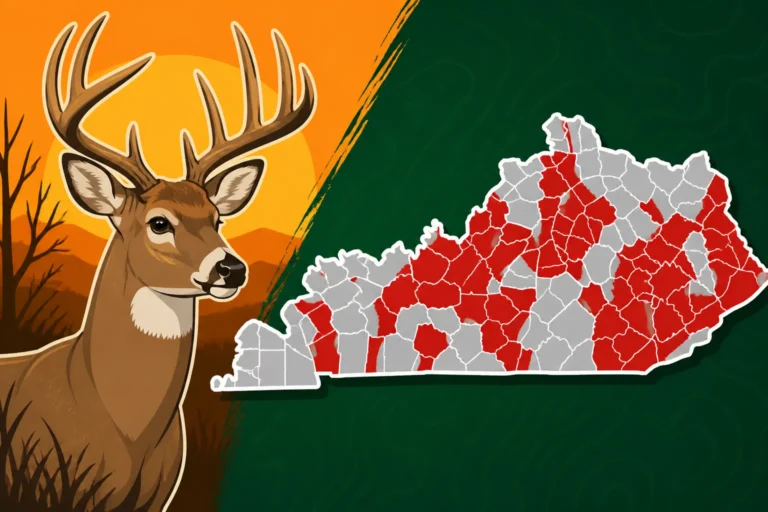
A significant portion of their budget goes into direct wildlife management activities. Think about the extensive work involved in monitoring the health of our deer herd, especially with threats like Kentucky's Chronic Wasting Disease Surveillance Zone. Biologists need equipment, laboratory services, and staff time to collect samples, conduct tests, and implement management strategies to try and contain or prevent the spread of diseases. This isn't cheap, but it's vital for ensuring our herds remain healthy and huntable for generations to come. Without sufficient funding, these critical programs would be severely hampered, potentially leading to a decline in the very game populations we cherish.
Expanding Hunter Services and Infrastructure
Kentucky boasts an incredible array of public hunting opportunities, from the vast expanses of the Daniel Boone National Forest to our numerous Kentucky Wildlife Management Areas. But these lands don't just maintain themselves. They require constant attention: road maintenance, boundary marking, habitat improvement projects like timber thinning and prescribed burns, and the development of new access points. The agency is always looking to acquire or secure access to more ground for public use, which comes with significant upfront costs and ongoing management expenses.
Furthermore, the KDFWR is committed to fostering new generations of hunters and anglers. Their robust hunter education programs, outreach events, and youth mentorship initiatives are crucial for the long-term health of our hunting heritage. These programs require dedicated staff, teaching materials, shooting ranges, and event coordination, all of which demand financial resources. If we want to see more kids in the woods, learning respect for wildlife and safe hunting practices, we need to invest in these foundational services. Lastly, the presence of conservation officers on the ground, enforcing regulations and responding to wildlife violations, is paramount. These dedicated men and women protect our resources from poaching and ensure fair chase, but their equipment, training, and operational costs are substantial and continue to rise.
Maintaining Financial Stability for KDFWR
Unlike many other state agencies that rely heavily on general tax dollars, the KDFWR operates largely as an "enterprise fund." This means a substantial portion of its funding comes directly from the sale of hunting and fishing licenses, permits, and boat registrations. When those revenues don't keep pace with increasing expenses, the agency faces a difficult choice: cut essential programs or raise fees. They also receive significant federal aid through programs like the Pittman-Robertson Act, which taxes firearms and ammunition. However, to receive the full allocation of these federal funds, states often need to provide matching funds, which again, typically come from license sales.
Think of it like running a business; if the cost of your raw materials and labor goes up, but you don't adjust your product prices, you'll eventually go bankrupt. The KDFWR is no different. They are stewards of our natural resources and hunting heritage, and they need a stable, predictable funding stream to fulfill that mission. These fee increases are a proactive measure to ensure the agency remains financially solvent and can continue to provide top-tier wildlife management and hunter services without compromising the quality of our hunting experiences in Kentucky. It's about protecting the long-term viability of the agency and, by extension, our hunting future.
What Specific Changes Are Coming in 2026-27?
The upcoming changes in Kentucky hunting license fees starting March 1, 2026, are designed to reflect the current economic landscape and ensure the continued funding of vital conservation efforts. It's not a blanket increase across the board in the same percentage, but rather a strategic adjustment to various license types and permits. Understanding these specifics is crucial for every hunter to plan their future seasons.
Breakdown of Key License and Permit Increases
Let's talk numbers, because that's where the rubber meets the road for most of us. Both resident and nonresident hunters will see adjustments, but the impact often feels more pronounced for our friends visiting from out of state. For residents, the annual statewide hunting license, which is your gateway to most hunting opportunities, is seeing an increase. While it might feel like a pinch, consider that this is often the most fundamental license for accessing various seasons. Similarly, specific game permits, like the Kentucky Deer Permit Cost and Kentucky Turkey Permit Cost, are also slated for increases. For a resident hunter pursuing multiple species, these individual permit bumps can add up, making it essential to budget accordingly.
Nonresidents will likely experience more substantial percentage increases, which is a common practice across states as they often aim to generate significant revenue from out-of-state hunters who don't contribute to the state's tax base year-round. An annual nonresident hunting license is increasing, as are the specific nonresident deer and turkey permits. This means if you're traveling to Kentucky for our fantastic whitetail hunting or chasing a spring gobbler, your overall trip cost will undoubtedly be higher. It's important for nonresidents to factor this into their planning well in advance, especially those who make Kentucky an annual destination. For example, if you typically hunt the Western Kentucky bottomlands for deer, the cost of your permit alone will change, impacting your total spend for the trip.
Special Licenses and Bundles Affected
It's not just the standard annual licenses getting a facelift; other options designed for convenience and comprehensive coverage are also seeing changes. The popular Kentucky Sportsman's License Bundle, which typically combines various hunting and fishing licenses and permits into one convenient package, will also reflect the new pricing structure. While the bundle usually offers a discount compared to buying each component separately, its total cost will be higher than in previous years. For many avid hunters and anglers, this bundle is a no-brainer for its convenience and value, but the new price tag will still require some adjustment. It's crucial to compare the bundle's new price to the cost of purchasing individual licenses if you only pursue one or two species, to ensure you're still getting the best deal for your specific hunting style.
One area many people wonder about is lifetime licenses. These are designed to be a one-time purchase, often purchased for younger hunters, to lock in hunting and fishing privileges for life. Generally, once purchased, the terms of a lifetime license remain in effect, shielding the holder from future fee increases for the licenses and permits it covers. However, new lifetime license purchases will reflect the higher initial cost that aligns with the future value of the bundled services. Youth licenses and permits, which are often priced lower to encourage participation, will also see adjustments. The KDFWR often tries to keep youth prices as affordable as possible, but even these categories are subject to the broader economic pressures.
The Rationale for a Delayed Implementation
You might be wondering why these changes are being announced now but won't take effect until March 1, 2026. This isn't an arbitrary date; it's a strategic decision by the KDFWR. First and foremost, it provides a generous window for hunters to understand, plan for, and adapt to the new fee structure. Imagine the chaos if these changes were announced a month before opening day! This lead time allows individuals and families to adjust their budgets, perhaps reconsider their hunting plans, or even explore purchasing longer-term options like the Sportsman's License Bundle before the higher prices kick in.
From an administrative standpoint, it also gives the KDFWR ample time to update their systems, educate their vendors, and prepare all the necessary logistical changes. Implementing new fee structures involves updates to their online licensing portal, adjustments to point-of-sale systems at retailers across the state, and widespread communication campaigns. A phased approach ensures a smoother transition for both the agency and the hunters they serve. It’s a thoughtful way to implement significant financial changes without creating immediate hardship or confusion for the hunting community.
Here's a simplified look at how some common licenses are changing (actual figures will vary and are subject to final approval, but this table provides a typical example of the type of increases seen in license adjustments):
| License/Permit Type | Current Cost (Est. 2024-25) | Proposed Cost (Est. 2026-27) | Increase | Percentage Increase (Approx.) |
|---|---|---|---|---|
| Resident Annual Hunting | $27 | $35 | $8 | 29% |
| Resident Deer Permit | $18 | $25 | $7 | 39% |
| Resident Spring Turkey | $20 | $28 | $8 | 40% |
| Nonresident Annual Hunting | $150 | $195 | $45 | 30% |
| Nonresident Deer Permit | $75 | $95 | $20 | 27% |
| Nonresident Spring Turkey | $80 | $105 | $25 | 31% |
| Resident Sportsman's Bundle | $95 | $120 | $25 | 26% |
Note: These are illustrative figures based on typical increases seen in similar situations and may not reflect the exact final approved amounts.
The Hunter's Perspective: Impact and Adaptation
When license fees increase, it's not just a line item on a budget sheet; it's a real-world impact on individual hunters and their families. We all feel the squeeze in different ways, and it often requires us to re-evaluate our hunting plans and how we approach our seasons. It’s a natural reaction to feel the financial weight of these changes, and it's something many of us are already considering.
Budgeting for the New Reality
For resident hunters, these increases, while perhaps not as dramatic as for nonresidents, still add up. If you're someone who enjoys the full spectrum of Kentucky's hunting opportunities – perhaps you chase deer in the fall, head out for Spring Turkey Hunting in Kentucky, and maybe even get after some small game – those individual permit increases can mean a significant bump in your annual hunting budget. You might find yourself needing to allocate an extra $50-$100 or more each year just for licenses, not counting gear, gas, and other expenses. This could mean fewer new gear purchases, or perhaps having to pick and choose which species to pursue in a given year.
For nonresident hunters, the impact is often far more substantial. Kentucky has become a popular destination for hunters seeking quality deer, turkey, and even elk opportunities. When a nonresident general hunting license jumps, and individual species permits also see significant increases, the total cost of a hunting trip to Kentucky can easily climb into the hundreds, if not thousands, of dollars just for the privilege of hunting. This might lead some nonresidents to hunt Kentucky less frequently, or perhaps focus on shorter, single-species trips instead of multi-week excursions. It's a tough pill to swallow when you've fallen in love with hunting a particular region, like Hunting Western Kentucky Bottomland Deer, and suddenly find the barrier to entry much higher. Savvy nonresidents often use tools like GoHunt to analyze license costs and draw odds across states, and these fee hikes will certainly influence those calculations.
Evaluating Hunting Opportunities and Value
With the new fee structure, many hunters will naturally ask: "Is Kentucky still a good value for my hunting dollars?" This is a perfectly valid question. For residents, the answer often remains yes, simply because their hunting opportunities are so much more accessible. However, it might prompt some to more closely evaluate how many tags they actually fill or how much time they can realistically dedicate to hunting each year. If you're only able to hunt a few days and don't fill multiple tags, the increased cost for multiple permits might feel less justifiable.
For nonresidents, the question of value becomes even more critical. Kentucky has historically been known for its relatively accessible hunting opportunities compared to some Western states. However, as fees rise, it begins to compete more directly with other states that might offer different experiences or perceived higher trophy potential for a similar price point. Hunters might start prioritizing, perhaps choosing to focus on a Hunting a Bull Firearm Elk Season application instead of an annual deer trip, or dedicating their budget to other states. The value proposition isn't just about the cost of the license itself, but the overall hunting experience, the quality of the game, and the accessibility of public lands. It becomes a personal equation for every hunter.
Tools and Resources for Navigating Changes
Navigating these new fee structures might feel daunting, but there are resources available to help you plan. The KDFWR website is always the first and best place to go for the most up-to-date and official information on license fees, season dates, and regulations. They often have detailed breakdowns and FAQs about changes, which can clarify any confusion. Regularly checking their "Seasons & Regulations" section is always a smart move.
Beyond official channels, many hunters rely on digital scouting and planning tools. Platforms like GoHunt provide comprehensive information on hunting regulations, application strategies, and license costs across various states. While they don't set the prices, they aggregate the data, allowing you to easily compare Kentucky's new fees against other states you might be considering. This can be invaluable for nonresidents, or even residents looking to expand their hunting horizons. Moreover, don't forget the benefits of the Kentucky Sportsman's License Bundle. Even with an increased price, for those who hunt and fish regularly, it often still represents the most cost-effective way to get all your necessary permits in one go. Thinking ahead and purchasing this bundle before the 2026-27 season officially starts could be a smart move to maximize your value.
The KDFWR's Financial Landscape and Mission
Understanding the KDFWR's financial structure helps demystify why these fee increases are necessary. It's not about padding pockets; it's about sustaining a vital public service. The agency manages an incredibly diverse set of responsibilities, from the microscopic health of a deer tick to the macroscopic health of an entire river system, and all of it requires careful financial stewardship.
Where License Dollars Traditionally Go
When you purchase a hunting license or a deer tag, that money doesn't just disappear into a black hole. It directly funds the salaries of the dedicated biologists, conservation officers, wildlife technicians, and administrative staff who work tirelessly to manage Kentucky's natural resources. These are the folks conducting the annual Kentucky Deer Population Estimate, studying Kentucky Turkey Population Trends, and working on the remarkable success story of Kentucky's Record Elk Herd. Without their expertise and boots-on-the-ground efforts, our wildlife populations would suffer.
Beyond personnel, your license dollars are invested directly into habitat management projects on public lands. This includes everything from planting beneficial food plots and creating early successional habitat to managing timber and conducting prescribed burns that improve conditions for deer, turkey, grouse, and countless other species. These efforts enhance the very places we hunt and ensure robust, healthy wildlife populations. Moreover, a portion of these funds supports crucial research, disease monitoring (like CWD surveillance), and efforts to educate the public about conservation and safe hunting practices through programs like Kentucky Hunter Education Requirements. It’s a direct investment in the future of hunting itself.
Federal Aid and Other Funding Streams
While license sales are a cornerstone, they aren't the KDFWR's sole source of income. A significant portion of the agency's budget comes from federal aid programs, primarily the Pittman-Robertson Wildlife Restoration Act and the Dingell-Johnson Sport Fish Restoration Act. These landmark pieces of legislation impose excise taxes on hunting equipment (firearms, ammunition, archery gear) and fishing tackle, respectively. The funds collected from these taxes are then apportioned back to state wildlife agencies for conservation projects. It's truly a "user pays, user benefits" model, where hunters and anglers directly fund conservation efforts through their purchases.
However, there's a catch: states often need to provide a 25% match for these federal funds to receive their full allocation. This means that for every three federal dollars, the KDFWR needs to provide one dollar from state sources, predominantly from license and permit sales. If license revenues stagnate or decline, the agency risks losing out on millions of dollars in federal funding, which would cripple their ability to carry out large-scale conservation projects. Other smaller funding streams include boat registration fees, specialty license plate sales, and sometimes grants, but these are supplementary to the main pillars of license sales and federal aid. GoHunt often highlights the importance of these funding mechanisms in its reporting on state wildlife agencies.
Transparency and Accountability in Funding
It's natural to question where your money goes, and the KDFWR operates with a degree of transparency that allows public scrutiny. Their financial reports, annual budgets, and commission meeting minutes are typically available to the public on their website. These documents detail revenues, expenditures, and how funds are allocated across different divisions and programs. This accountability is vital for maintaining public trust and demonstrating that license fee increases are genuinely necessary for conservation, not for frivolous spending.
Furthermore, hunters and anglers have avenues for input. The Kentucky Fish and Wildlife Commission, a nine-member board that oversees the KDFWR, is comprised of citizens from across the state, many of whom are avid hunters and anglers themselves. These commissioners are appointed by the Governor and serve as a voice for the sporting public. Attending commission meetings, contacting commissioners, or participating in public input sessions are ways that hunters can stay informed and advocate for their interests. It’s a system designed to ensure that the people who pay for conservation have a say in how it's managed, fostering a collaborative approach to wildlife stewardship.
Looking Ahead: Long-Term Outlook for Kentucky Hunting
The decision to raise license fees isn't made lightly. It's a forward-thinking move aimed at securing the future of hunting in Kentucky, ensuring that the next generation can enjoy the same, if not better, opportunities that we have today. It's about vision and sustainability, looking past the immediate season to the decades ahead.
Ensuring Sustainable Wildlife Populations
At its core, the fee increase is an investment in healthy, sustainable wildlife populations. Robust funding allows the KDFWR to employ cutting-edge science and management practices to ensure our deer, turkey, elk, and small game thrive. This includes maintaining optimal habitat conditions across public and private lands, conducting surveys to track population trends (like Kentucky Deer Population Estimate), and setting responsible harvest limits that balance recreational opportunities with biological sustainability.
For example, the stunning comeback of Kentucky's Record Elk Herd is a testament to dedicated conservation efforts that require substantial funding. From reintroduction programs to ongoing management and monitoring, elk require significant resources. Similarly, for white-tailed deer, consistent funding is needed to manage populations, address disease concerns, and enhance habitat. Without these funds, the quality and quantity of hunting opportunities would inevitably decline, leading to fewer deer, turkeys, and other species for hunters to pursue. It's a direct link: higher investment, healthier wildlife, better hunting.
Future Challenges and Opportunities
The landscape of wildlife management is constantly evolving, presenting both challenges and opportunities. One of the most significant challenges Kentucky faces, like many other states, is the ongoing threat of Chronic Wasting Disease (CWD). Containing and managing CWD within Kentucky's Chronic Wasting Disease Surveillance Zone requires continuous, expensive monitoring and research. Adequate funding ensures the KDFWR can respond swiftly to new outbreaks, conduct widespread testing, and implement strategies to protect our deer herd. This isn't a problem that will go away on its own, and proactive funding is essential.
Another challenge is habitat loss and fragmentation due to urban sprawl and changing land use practices. The KDFWR continually seeks opportunities to protect and enhance habitat, often through partnerships with private landowners or by acquiring new public lands. These efforts preserve critical areas for wildlife and create more access for hunters. On the opportunity front, there's always the potential to expand hunting programs, develop new areas, and introduce innovative management techniques. This requires flexible funding that can adapt to new scientific discoveries and conservation needs, ensuring that Kentucky remains at the forefront of wildlife management.
Advocating for Hunters and Wildlife
As hunters, we have a vital role to play beyond just buying licenses. Staying informed about KDFWR decisions, understanding the rationale behind them, and actively participating in the conversation are crucial. This means keeping an eye on KDFWR news releases, attending public meetings when possible, and connecting with organizations that advocate for hunters and wildlife. Your voice matters, and organized efforts can significantly influence future policies.
Supporting conservation organizations, whether local Kentucky groups or national bodies, is another powerful way to contribute. These organizations often work in tandem with state agencies, providing additional funding, volunteer labor, and political advocacy to further conservation goals. Remember, we are all stewards of Kentucky’s wild places and creatures. By understanding the financial realities, adapting our planning, and remaining engaged in the conservation dialogue, we can help ensure that Kentucky remains a premier hunting destination for generations to come.
Disclaimer
The information provided in this guide is for general informational purposes only and does not constitute official legal advice or definitive KDFWR policy. While every effort has been made to ensure accuracy based on available public information, specific license fees, regulations, and effective dates are subject to change by the Kentucky Department of Fish and Wildlife Resources. Always consult the official KDFWR website or contact the agency directly for the most current and authoritative information before planning your hunting activities.