Kentucky Deer Population Estimate
For many hunters in Kentucky, there's a nagging question that often comes to mind while sitting in a stand: "Just how many deer are actually out here?" It’s a completely fair thought, especially when a few sits go by without spotting much movement or, conversely, when you're seeing deer everywhere and wondering if the population is truly booming. Understanding the Kentucky deer population estimate isn't just a matter of curiosity; it directly impacts how we hunt, the regulations we follow, and the overall health of our beloved whitetail herd. This guide will take a deep dive into how Kentucky's deer numbers are calculated, what those estimates mean for hunters, and why these figures are so crucial to the future of deer hunting in the Bluegrass State.
The Evolution of Kentucky's Deer Herd
Kentucky's deer herd hasn't always been the robust population we know today. It’s a remarkable conservation success story, truly, and understanding that history helps us appreciate the efforts that go into maintaining such a healthy and huntable population. For a long time, deer were practically non-existent in many parts of the state due to unregulated hunting and habitat destruction in the late 19th and early 20th centuries.
From Near Extinction to Abundance
Imagine a Kentucky landscape where seeing a deer was a rare, almost mythical event. That was the reality for much of the state until the mid-20th century. Over-hunting and habitat loss had pushed white-tailed deer to the brink of extirpation. It wasn't until the Kentucky Department of Fish and Wildlife Resources (KDFWR) stepped in with aggressive restoration programs that things began to change. These efforts, which included trapping deer from areas with burgeoning populations and relocating them to suitable habitats across Kentucky, were nothing short of monumental. They literally rebuilt our herd from the ground up, one relocation at a time.
These initial stocking efforts, coupled with strict harvest regulations like buck-only seasons and low bag limits, allowed the deer to establish footholds and begin to multiply. It took decades of dedicated work, but the results speak for themselves. The deer population steadily climbed, reaching numbers that few could have imagined possible just a generation or two prior. Today, deer are a common sight in all 120 Kentucky counties, a testament to what focused conservation can achieve. This rebound has brought with it an exciting challenge: managing an abundant resource to ensure its long-term health while providing ample hunting opportunities.
Factors Driving Population Growth and Stability
Once the deer were re-established, several factors contributed to their continued growth and the stability we largely enjoy today. First and foremost is habitat. Kentucky boasts an incredible diversity of landscapes, from the expansive forests of Eastern Kentucky to the rich agricultural lands of Western Kentucky. This mix provides excellent cover, abundant food sources, and suitable breeding grounds. Even with development, there's still a significant amount of suitable habitat available for deer to thrive.
Another critical factor is effective management by KDFWR. Their biologists constantly monitor the herd, adjusting regulations to ensure a healthy balance. This includes setting appropriate bag limits, defining seasons, and utilizing programs like bonus antlerless tags to manage localized populations. The goal isn't just more deer; it's healthy deer, with good buck-to-doe ratios and strong age structures. Without this careful oversight, our deer population could quickly become unsustainable, leading to issues like widespread disease or habitat degradation. Hunters play a vital role in this management, as their harvest data provides invaluable information for these decisions.
How Kentucky Biologists Estimate Deer Numbers
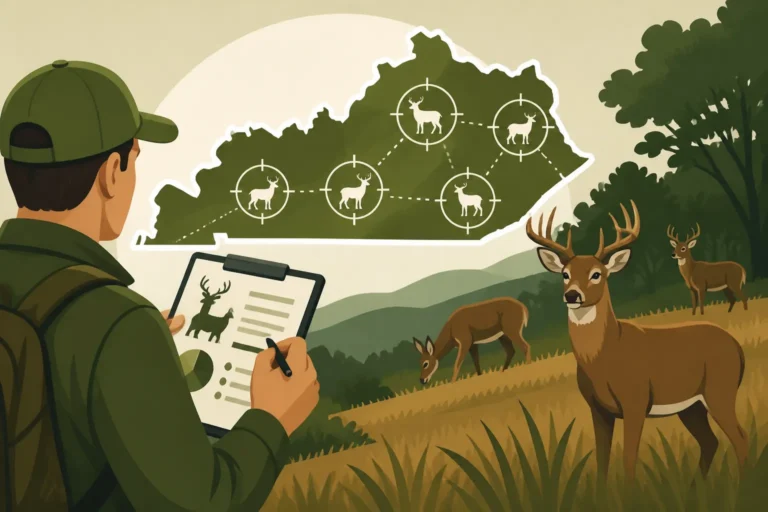
You might wonder how in the world anyone can accurately count wild deer across an entire state. It’s not like they can just send out a survey or put collars on every deer! Estimating a wild population is a complex science, combining multiple data points and sophisticated analytical models. The KDFWR uses a multi-faceted approach, leveraging technology, hunter participation, and extensive field observations to paint the clearest picture possible of our deer herd.
The Role of Hunter Harvest Data
One of the most crucial pieces of the puzzle comes directly from us, the hunters. Every time you successfully harvest a deer and Telechecking a Kentucky Deer Harvest your animal, you’re contributing vital data. This isn't just about recording a kill; it's about providing location, sex, and often age information. This data, collected annually, forms the backbone of the population estimate. Biologists use harvest numbers, broken down by county and deer management zone, to infer population trends. If harvest numbers are up in a specific area, it suggests a healthy or growing population. Conversely, a decline might signal the need for more conservative regulations.
This raw harvest data is then fed into various population models. These models don't just count the deer killed; they extrapolate backwards and forwards, accounting for factors like hunter effort, success rates, and the proportion of the population that is typically harvested. Without mandatory harvest reporting, which is a requirement for all deer taken in Kentucky, biologists would be flying blind. This is why it's so important that every hunter diligently reports their harvest – it directly informs the health and future of our hunting opportunities.
Incorporating Field Observations and Surveys
Beyond hunter harvest, KDFWR biologists are constantly gathering data from the field. This includes a variety of surveys designed to estimate deer density and overall health. One common method involves spotlight surveys, where biologists drive designated routes at night, counting deer spotted along the way. While this doesn't give a total count, it provides a valuable index of population trends in specific areas. Think of it like a sampling method; if you consistently see more deer on a route year after year, it's a good indicator the local population is growing.
Another important survey involves monitoring roadkill data. While grim, the number of deer hit by vehicles can also serve as an indicator of population density, especially in areas bordering urban or suburban developments. Biologists also conduct extensive checks on harvested deer, collecting data on age, weight, and antler development. This biological data helps assess the overall health and age structure of the herd, which in turn influences population estimates and management strategies. For example, a high proportion of young bucks might indicate heavy pressure or a rapidly expanding population.
Advanced Modeling and Technology
In today's world, wildlife management isn't just about counting deer; it's about sophisticated data analysis. KDFWR utilizes advanced population modeling software that integrates all the aforementioned data points – harvest records, spotlight counts, roadkill statistics, and biological samples. These models take into account birth rates, survival rates, and natural mortality factors (like disease or predation) to generate the most accurate population estimate possible. They can even predict how different management strategies might impact the herd in future years.
Geographic Information Systems (GIS) and tools like the GoHunt app or other digital mapping platforms also play a significant role. These technologies help visualize deer distribution, identify habitat corridors, and understand how landscape changes might affect deer movements and populations. By combining boots-on-the-ground observation with powerful analytical tools, Kentucky's wildlife managers can make informed decisions that ensure our deer herd remains healthy and abundant for generations to come. This blend of traditional observation and cutting-edge tech allows for a much more nuanced and reliable estimate than simple guesswork ever could.
Understanding Kentucky's Deer Population Estimates
So, what do these estimates actually tell us? It's not just a single, static number. The KDFWR's deer population estimates are dynamic, reflecting changes in the herd, environmental factors, and hunting pressure. They offer a comprehensive look at where the deer are, how healthy they are, and how that impacts our hunting experiences.
Interpreting Current Population Figures
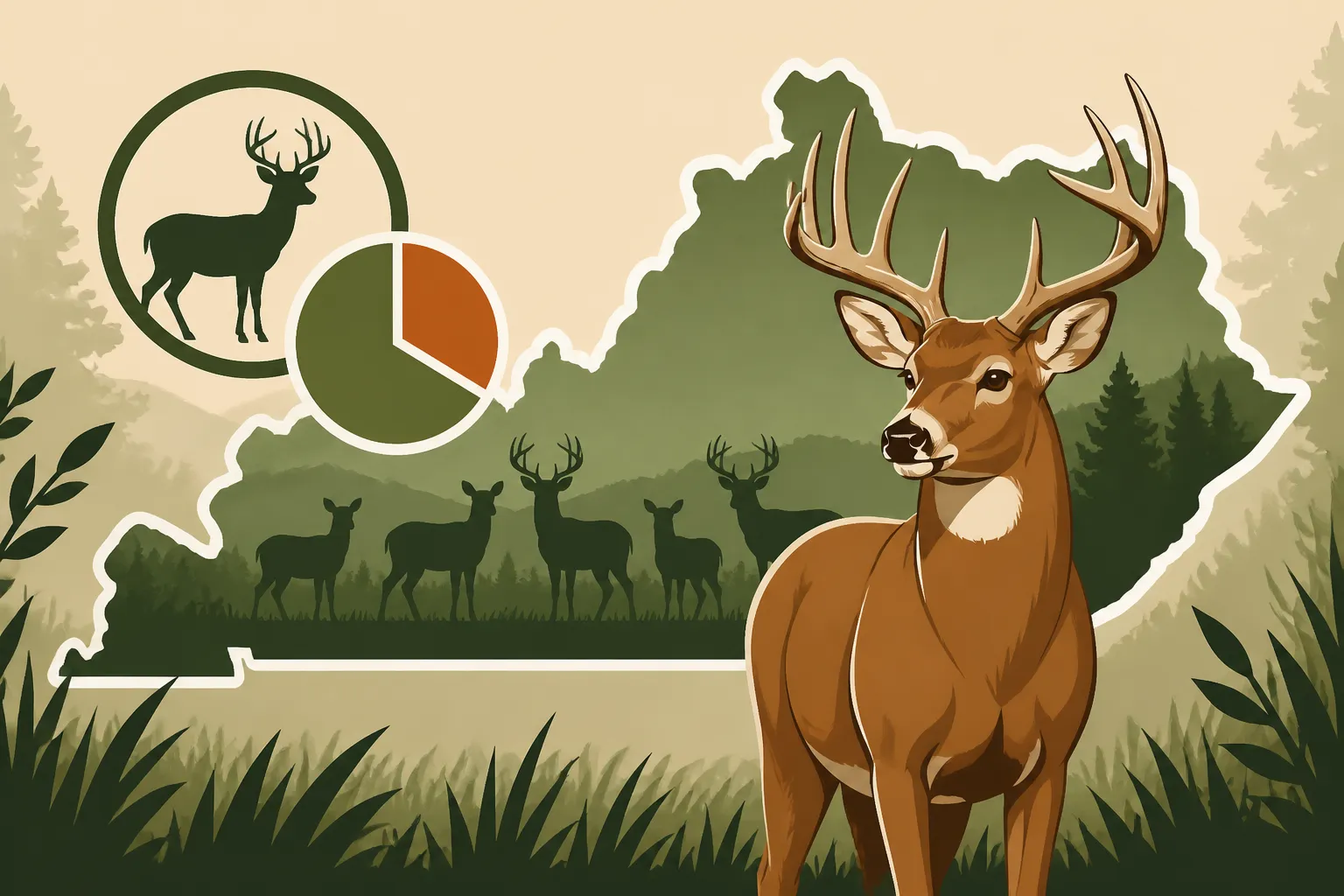
Currently, the Kentucky deer herd is estimated to be well over one million animals. While an exact, real-time census is impossible, the KDFWR consistently reports a robust and thriving population across the state. This abundance is a source of pride for Kentucky hunters and conservationists. However, it's crucial to understand that "over a million" doesn't mean a uniform distribution. Deer density varies significantly by region. For instance, the Bluegrass Region, with its rich agricultural lands and scattered woodlots, often boasts some of the highest deer densities and produces some of the Best Kentucky Counties for Big Bucks. In contrast, the vast, rugged terrain of the Daniel Boone National Forest, while holding deer, might have a lower density per square mile but still offers incredible hunting opportunities in its own right.
The overall population trend for Kentucky deer has been stable to slightly increasing in recent years. This indicates that current management strategies are largely effective in maintaining a healthy, sustainable population. Hunters should look at these figures not just as a bragging point, but as a confirmation that their license fees and participation in reporting are truly making a difference in sustaining this incredible resource.
Regional Variations and Deer Management Zones
Kentucky is divided into four Deer Management Zones (DMZs), each with specific antlerless bag limits and season structures designed to address varying deer densities and management goals. These zones are critical because a one-size-fits-all approach simply wouldn't work.
- Zone 1: These counties typically have high deer densities, often in agricultural areas, and allow for a more liberal antlerless harvest to help manage crop damage and ensure herd health. Hunters might find that How Many Antlerless Deer Your Zone Allows in these areas is quite generous.
- Zone 2: Represents moderate deer densities where antlerless harvest is encouraged but not as heavily as in Zone 1.
- Zone 3: Characterized by lower deer densities, often in more heavily forested or rugged terrain, with more conservative antlerless harvest limits.
- Zone 4: These are areas, often near urban centers, where deer populations are typically lower, and antlerless harvest is very restricted or not permitted at all.
Understanding which zone your hunting area falls into is paramount. You can easily find this information using the Kentucky Hunt Fish App or by checking the KDFWR website. These zone distinctions allow biologists to fine-tune management strategies, preventing overharvest in areas with fewer deer while allowing for increased harvest where populations are high. This tailored approach is key to maintaining healthy deer across the diverse landscapes of Kentucky.
| Deer Management Zone | General Deer Density | Antlerless Bag Limit (Statewide Season) | Typical Habitat |
|---|---|---|---|
| Zone 1 | High | Unlimited | Agricultural, mixed woods, suburban |
| Zone 2 | Moderate | 4 antlerless (often includes bonus tags) | Mixed agricultural and forested |
| Zone 3 | Low to Moderate | 1-2 antlerless | Heavily forested, rugged terrain, some reclaimed land |
| Zone 4 | Very Low / Special | Often 0-1 (with specific restrictions) | Urban fringe, specific WMAs, sensitive areas |
Note: Always consult the current KDFWR Hunting and Trapping Guide for exact and up-to-date regulations as they can change annually.
The Influence of Environmental Factors
Deer populations aren't just shaped by hunting; they're heavily influenced by the environment around them. Weather patterns, especially severe winters or prolonged droughts, can significantly impact deer survival rates and fawn production. A harsh winter with deep snow and limited food sources can lead to increased mortality, especially among fawns and older deer. Conversely, mild winters can contribute to higher survival and a healthier breeding population in the spring.
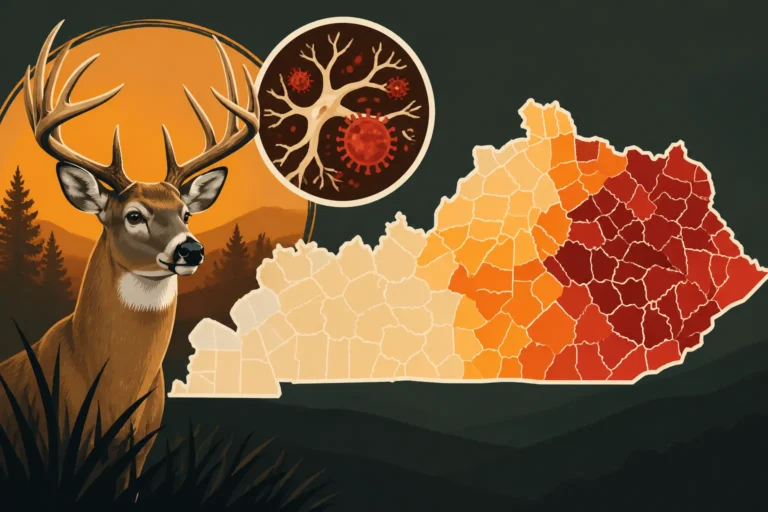
Food availability is another huge factor. A great acorn crop, for example, provides abundant nutrition, leading to healthier deer and better fawn recruitment. A poor acorn year can force deer to seek alternative food sources, potentially leading to stress and reduced body condition. Disease, like Epizootic Hemorrhagic Disease (EHD), can also cause localized die-offs, especially during hot, dry summers. While EHD doesn't typically impact the entire state simultaneously, it can significantly reduce deer numbers in affected counties for a season or two. All these environmental variables are constantly monitored by KDFWR biologists and factored into their ongoing population assessments.
Impact on Hunting Seasons and Regulations
The estimated deer population numbers aren't just interesting statistics; they are the fundamental basis for all deer hunting regulations in Kentucky. If the population is thriving, we might see more liberal seasons and bag limits. If it’s struggling in certain areas, stricter rules could be implemented. It’s a delicate balancing act, and these estimates are the scale.
Adjusting Bag Limits and Season Lengths
One of the most direct ways population estimates influence hunting is through adjustments to bag limits and season lengths. When deer populations are high and healthy, especially in agricultural areas prone to crop damage, the KDFWR might increase antlerless bag limits in Zone 1 or Zone 2 counties. This provides more opportunities for hunters and helps manage herd numbers effectively. Conversely, if estimates suggest a decline in a particular region, bag limits might be reduced, or specific season segments could be shortened to protect the breeding stock. This ensures that the herd has ample opportunity to recover.
These adjustments are often subtle from year to year, but they accumulate over time. Think about how Kentucky's Archery Season Runs Into January now, offering a fantastic late-season opportunity. This extended season is a direct reflection of a healthy and robust deer population capable of sustaining a longer harvest window. It's a testament to good management and hunter cooperation.
Specific Management Strategies for Public Lands
Public lands, like the Daniel Boone National Forest or various Wildlife Management Areas (WMAs), often have even more specific management strategies tailored to their unique circumstances. On some WMAs, antler restrictions might be in place to foster an older age structure in the buck population, or special quota hunts might be implemented to control numbers in a precise way. For example, some WMAs might have reduced antlerless quotas compared to the surrounding private land, or specific periods for Hunting Pioneer Weapons Only WMAs to manage pressure.
These localized rules are based on population estimates derived from harvest data and observations specific to that piece of public ground. If you're planning a hunt on a WMA, it's absolutely crucial to check the specific regulations for that area, as they can differ from statewide rules. The GoHunt app, for instance, often provides WMA-specific information which can be invaluable for planning your trip and ensuring you're compliant.
Adapting to Emerging Challenges
Population estimates also help the KDFWR adapt to emerging challenges, such as the spread of Chronic Wasting Disease (CWD). When CWD was detected in Kentucky, specifically in Ballard County and later Pulaski County, it prompted swift action. Understanding the deer density and movement patterns in the affected areas became paramount. The establishment of the Kentucky's Chronic Wasting Disease Surveillance Zone and mandatory CWD testing requirements in those counties are direct responses to population data and disease monitoring.
These measures, while sometimes inconvenient for hunters, are vital for protecting the health of the entire statewide herd. The KDFWR uses population estimates to predict how CWD might spread and what impact different management interventions (like increased harvest in surveillance zones) might have on slowing its progression. It's a stark reminder that our deer population is a living, breathing entity, constantly facing new threats that require careful, data-driven management.
Scouting and Hunting Based on Population Knowledge
Knowing about the deer population isn't just for biologists; it's incredibly useful information for hunters too! Understanding where deer are abundant and how they're managed can significantly improve your scouting and hunting strategies.
Targeting High-Density Areas
If you're looking for areas with more deer, paying attention to the DMZ classifications and general population trends can be a huge advantage. Zone 1 and Zone 2 counties, especially those with a mix of agriculture and timber, are often where you’ll find the highest densities of deer. This doesn't necessarily mean bigger deer, but it does mean more deer encounters. For hunters new to the state or those looking for a higher chance of success, focusing on these areas can be a good starting point. Places like the Western Kentucky bottomlands or sections of the Bluegrass region are prime examples.
However, high density can also mean more hunting pressure, especially on public land. So, while you might see more deer, you might also have to work harder to find undisturbed animals. This is where combining population knowledge with other scouting tactics, like Reading Aerial Photos for Eastern Kentucky Deer or understanding how to locate Finding Ground Others Walk Past, becomes crucial.
Adjusting Strategies for Lower-Density Regions
Conversely, hunting in lower-density areas, like much of the rugged terrain in Eastern Kentucky, requires a different approach. You might not see as many deer, but the ones you do encounter might be older, more mature animals simply because they've had less pressure. In these areas, successful hunting often relies on extensive scouting, understanding deer movement patterns in complex topography, and often putting in more miles.
For example, when Still-Hunting Eastern Kentucky Ridges, you're often covering a lot of ground in search of limited but potentially high-quality sign. Every track, every rub, every scrape becomes more significant. In these lower-density regions, understanding the age structure of the herd, which is also part of the population estimate data, can help you decide if you want to hold out for a truly mature buck or be content with a healthy doe for the freezer. The point is, your expectations and tactics should be informed by the estimated population density of your chosen hunting ground.
Utilizing Technology for Better Insight
Modern hunting tools, particularly mapping apps like GoHunt, now integrate a lot of the data that KDFWR provides. While they might not give you the exact real-time number of deer in your stand, they often display public land boundaries, WMA regulations, and even historical harvest data or CWD surveillance zones. Using these apps allows you to cross-reference KDFWR population estimates with ground-level information.
For example, if KDFWR data suggests a high deer density in a particular county, you could then use your mapping app to identify potential public access points or unpressured pockets of habitat within that county. Tools that help you with Scouting With the Kentucky Hunt Fish App are indispensable. This combination of statewide population knowledge and hyper-local mapping data empowers you to make smarter decisions in the field, increasing your chances of success and making your hunting experience more rewarding.
Challenges in Deer Population Estimation
Despite sophisticated methods and dedicated biologists, estimating deer populations is far from an exact science. There are numerous inherent challenges that can make precise counting incredibly difficult, and understanding these limitations helps us appreciate the work that goes into the figures we receive.
Dynamic Nature of Wild Populations
One of the biggest challenges is simply that wild deer populations are constantly in flux. Births, deaths, emigration, and immigration are happening every single day. Fawns are born in the spring, some deer succumb to disease or predation throughout the year, and others might move between properties or even counties, especially during the rut. For example, a young buck might travel miles in search of does during Hunting the Rut in Early November, effectively moving between different "population segments" being counted.
This dynamic nature means that any population estimate is essentially a snapshot in time. It's an educated guess based on the best available data, but it's not a live census. Biologists are always working with averages and probabilities, and those figures can shift based on a particularly good or bad fawning season, or an unexpected disease outbreak. Accepting this inherent variability is key to understanding the nuance of deer population numbers.
Data Collection Limitations and Biases
While hunter harvest data is invaluable, it's not without its biases. Hunter effort, for example, can fluctuate based on weather, economy, or even popular culture. If a lot of hunters stay home due to bad weather during the opening weekend of Kentucky's Statewide Modern Gun Season, the harvest numbers might be lower, but that doesn't necessarily mean the deer population itself has declined. Similarly, reporting compliance, while generally high, might not be 100%, leading to slight undercounts in harvest data.
Field surveys also have limitations. Spotlight counts, for example, can be affected by weather conditions, habitat density, and deer behavior. Deer in heavily pressured areas might be more likely to flee before being spotted. Roadkill data is useful but doesn't capture deer that die in remote areas or from causes other than vehicle collisions. Every data source has its strengths and weaknesses, and biologists work diligently to cross-reference and account for these biases to generate the most accurate estimate possible.
Environmental Variables and Unpredictable Events
Mother Nature has a huge say in deer populations, and her plans are often unpredictable. A severe ice storm, a widespread drought, or an unusual disease outbreak can dramatically impact deer numbers in a way that's hard to forecast. While KDFWR can track the aftermath of such events, predicting their exact impact on a statewide population estimate can be challenging.
Consider a significant EHD outbreak that might be localized to just a few counties. While those counties might see a sharp, temporary decline in deer numbers, the statewide estimate might not reflect such a dramatic drop. Similarly, changes in habitat due to logging, land development, or forest fires can alter deer carrying capacity and distribution, making long-term population trends harder to project precisely. Biologists must continuously monitor these variables and adjust their models accordingly, highlighting the constant, ongoing nature of deer population management.
Looking Ahead: Sustaining Kentucky's Deer Herd
The ongoing effort to estimate and manage Kentucky's deer population is a never-ending task, one that relies heavily on both scientific expertise and hunter participation. Our actions today directly impact the health of the herd tomorrow, ensuring that future generations can continue to enjoy the incredible hunting opportunities we have in Kentucky.
The Hunter's Role in Conservation
As hunters, we are frontline conservationists, and our role extends far beyond pulling a trigger. By purchasing licenses and permits, we directly fund the KDFWR's vital work in wildlife management, habitat improvement, and population monitoring. Every dollar spent on a Kentucky hunting license or a deer permit contributes to the health of the very animals we pursue.
Beyond finances, responsible hunting practices are crucial. Following regulations, Reporting a Deer Through Kentucky Telecheck diligently, and even participating in voluntary CWD testing helps provide biologists with the data they need. Being mindful of ethical hunting practices, such as making quick, clean kills and recovering every animal, also contributes to the overall health and public perception of hunting. Our commitment to ethical hunting and conservation is what truly sustains the future of deer hunting in Kentucky.
Adaptive Management for Future Generations
The KDFWR employs an adaptive management approach, meaning they continuously evaluate their strategies based on new data and changing conditions. As habitat changes, climate shifts, or new diseases emerge, management plans will be adjusted. This might mean different bag limits, altered season dates, or even new research initiatives. For example, continued monitoring of Kentucky's CWD Case Count by County will influence regulations for years to come.
This adaptability is essential for maintaining a resilient and healthy deer herd. It acknowledges that there are no static answers in wildlife management; it’s a constant process of learning, adjusting, and improving. As hunters, staying informed about these changes, understanding their rationale, and providing constructive feedback through surveys or public meetings are all ways we can contribute to this adaptive management process.
Supporting Research and Habitat Efforts
Finally, supporting broader conservation efforts and wildlife research is vital. Organizations that work to protect and enhance deer habitat, whether through reforestation, creating food plots, or preserving wild spaces, directly benefit our deer population. Even something as simple as participating in a local conservation group or landowner cooperative that focuses on Habitat Work on Kentucky WMAs can have a tangible impact.
Kentucky's deer herd is a treasure, a symbol of successful wildlife conservation. By understanding how its population is estimated, the factors that influence it, and our crucial role in its stewardship, we can ensure that the thrill of a crisp morning in the deer woods, waiting for that first glimpse of a whitetail, remains a cherished tradition for generations of Kentucky hunters to come.
Disclaimer
The information provided in this article is for general informational purposes only and is not intended as legal advice or a substitute for official hunting regulations. Hunters are responsible for consulting the most current Kentucky Department of Fish and Wildlife Resources (KDFWR) hunting and trapping guides and local regulations before participating in any hunting activities. Seasons, bag limits, and rules can change annually and by specific location.