Kentucky Mallard and Wood Duck Numbers
If you've spent any time at all chasing waterfowl in Kentucky, you know the frustration of scouting a prime spot only to find it empty, or seeing flocks on one lake but none on another. It often comes down to understanding the populations, habits, and influences on our most common ducks. This guide will take a deep dive into the current status of Kentucky's mallard and wood duck numbers, exploring what drives their populations and how that impacts your hunting success.
Understanding Kentucky's Duck Populations
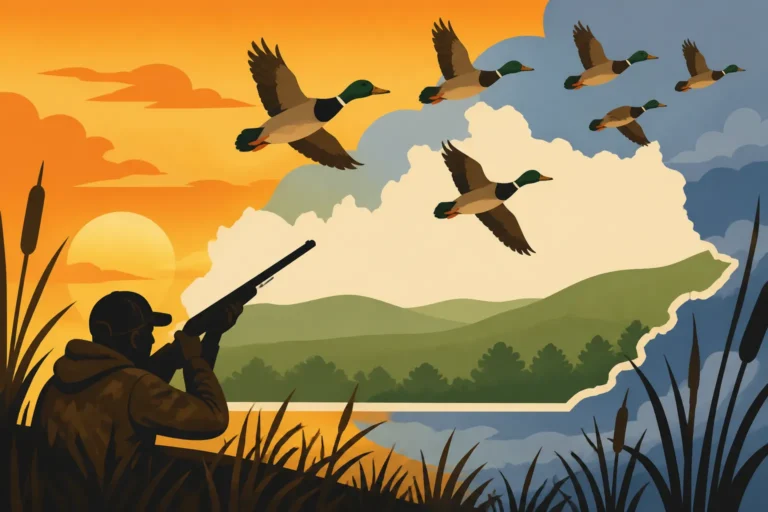
Kentucky, nestled within the mighty Mississippi Flyway, is a crucial stopover and wintering ground for countless migratory waterfowl. For hunters, two species consistently dominate the conversation and the bag limits: the iconic mallard and the strikingly beautiful wood duck. While both are prized, their numbers, behaviors, and what draws them to our waters are distinctly different, and understanding these nuances is key to consistent success in the blind or on the slough.
The Dynamics of Migratory and Resident Birds
It’s easy to think of duck populations as static, but they’re anything but. Mallard numbers, for instance, are heavily influenced by breeding success in the prairie pothole region of the Dakotas, Canada, and other northern states. A dry spring up north can mean fewer mallards making it south, impacting our fall and winter numbers significantly. We're on the receiving end of these northern breeding grounds. On the flip side, wood ducks have a more substantial resident population here in Kentucky, nesting in tree cavities along our rivers and creeks. While we do get migrant wood ducks, a good portion of our hunting opportunities come from birds raised right here in the Bluegrass State. This mix of transient and home-grown birds creates a complex dynamic that keeps even seasoned waterfowl hunters on their toes. Hunters use tools, like those found on platforms such as GoHunt, to track regional migratory patterns and help predict local concentrations.
Factors Influencing Duck Numbers Annually
Several critical factors play a role in the annual fluctuations of both mallard and wood duck populations in Kentucky. Weather patterns are a huge one; severe cold fronts further north can push birds down quickly, while mild winters can mean they linger longer in states like Missouri or Illinois. Habitat availability is another massive driver. The amount of flooded timber, harvested agricultural fields, and healthy wetlands directly correlates to where ducks will choose to rest and feed. For wood ducks, the health of our forested riparian areas and availability of nesting cavities are paramount. Then there's hunting pressure; while regulations are in place to prevent overharvest, localized pressure can certainly move birds out of popular spots, making finding quieter areas essential. Disease, like avian influenza, can also play a role, though often localized, it's something wildlife agencies constantly monitor.
Deciphering Kentucky's Mallard Numbers
The mallard is, without a doubt, the king of ducks for many Kentucky hunters. Its distinctive green head, loud quack, and challenging flight make it a highly sought-after trophy. However, mallard numbers in Kentucky are a reflection of a much larger continental picture, and understanding this bigger picture can help us make sense of our local hunting prospects.
Continental Trends and Kentucky's Share
Kentucky's mallard population is primarily composed of birds that breed in the northern prairies and boreal forests. Each spring, biologists conduct extensive surveys across these breeding grounds to estimate continental populations. These numbers are a huge indicator for what we can expect to see in Kentucky during the fall and winter. A strong breeding year up north, characterized by good rainfall and abundant nesting habitat, generally translates to more birds migrating down the flyway. When those birds hit a strong cold front, they get pushed south, and many end up in prime Kentucky waterfowl habitat like Hunting Land Between the Lakes Waterfowl or the sprawling agricultural fields of the western part of the state.
However, even with a strong continental population, local conditions in Kentucky dictate where those birds will settle. Persistent drought that keeps natural wetlands dry, or conversely, prolonged flooding that disperses birds too widely, can make them harder to find. It’s a delicate balance, and tracking these larger trends is something that avid hunters and conservationists regularly do, often utilizing resources to inform their understanding of the broader picture. When planning my season, I'll often consult long-range forecasts and continental duck reports to get a feel for what might be headed our way.
Preferred Habitats and Local Concentrations
Mallards are incredibly adaptable, but they certainly have their favorite haunts in Kentucky. You'll find them in large numbers on major water bodies like Kentucky Lake and Lake Barkley, especially in flooded timber areas or secluded bays. But they also absolutely love agricultural fields, particularly cut corn and bean fields, where they can feed on waste grain. This is why areas in Western Kentucky, with their rich farmland and proximity to major rivers, are often hotspots. Layout Blind Hunting Western Kentucky Fields is a popular tactic for a reason, targeting mallards feeding after leaving the water.
They're also drawn to shallow, slow-moving backwaters and flooded bottomland areas along rivers like the Ohio and Mississippi. These spots offer both food and sanctuary. Understanding these preferences helps narrow down scouting efforts. For instance, after a good rain, looking for sheet water in cut fields or newly flooded woods near larger water bodies can pay dividends. The availability of diverse, healthy habitat is crucial for maintaining consistent local concentrations, offering places for birds to rest, feed, and escape pressure.
Kentucky's Wood Duck Population Insights
The wood duck is a truly magnificent bird, and while it might not carry the same continental weight as the mallard, it holds a special place in the hearts of Kentucky hunters. Its distinctive crest, vibrant plumage, and affinity for flooded timber make it a unique and challenging quarry. Crucially, a significant portion of Kentucky's wood duck numbers are homegrown.
Resident vs. Migratory Wood Ducks
Unlike mallards, a substantial number of wood ducks nest and breed right here in Kentucky. These "resident" birds are a product of successful local breeding efforts, thriving in the abundant wooded wetlands, river bottoms, and beaver swamps across the state. They nest in tree cavities, making healthy, mature timber stands near water absolutely essential for their reproduction. This means that local habitat management – things like preserving old-growth timber, managing water levels, and even installing nesting boxes – directly impacts our wood duck numbers.
Of course, Kentucky also sees an influx of migratory wood ducks during the fall. These birds, often having bred further north in states like Ohio, Indiana, or Illinois, add to our local population as they push south. The overlap creates excellent early-season hunting opportunities, particularly when Hunting Western Kentucky Bottomland Deer might also bring you into contact with these early migrants. The health of the entire eastern flyway contributes to our overall wood duck abundance.
Habitat Reliance and Management Needs
Wood ducks are far more reliant on specific habitat types than mallards. They are forest ducks through and through, preferring densely wooded swamps, flooded timber, backwater sloughs, and tree-lined creeks and rivers. They often feed on acorns, various seeds, and aquatic insects found in these environments. Their dependence on tree cavities for nesting means that any widespread logging of mature timber or significant alteration of riverine habitats can have a direct negative impact on their breeding success.
Conservation efforts for wood ducks often focus on preserving and enhancing these specific habitats. Creating or maintaining artificial nesting boxes can also help supplement natural cavities, particularly in areas where suitable trees are scarce. For hunters, knowing this means focusing your efforts on these timbered, brushy, and often difficult-to-access areas. Wood Ducks in Kentucky Bottomland describes exactly the kind of prime real estate these birds love. Understanding their habitat preferences, especially those within Kentucky's vast public lands, can be greatly assisted by using mapping tools from providers like GoHunt to pinpoint areas with the right blend of water and timber.
The Future of Kentucky's Duck Hunting
Looking ahead, the health of Kentucky's mallard and wood duck populations, and thus the future of our waterfowl hunting traditions, rests heavily on continued conservation efforts and adaptive management strategies. We've seen incredible rebounds in waterfowl numbers over the decades, largely due to hunter-funded conservation, and maintaining that momentum is critical.
Conservation Efforts and Hunter Contributions
Hunters are, and always have been, the frontline conservationists. Through the purchase of hunting licenses and federal duck stamps, we directly contribute millions of dollars to habitat preservation and restoration initiatives. These funds are vital for programs that protect wetlands, restore flooded timber, and manage water levels in critical areas like the Ballard Wildlife Management Area, all of which benefit both mallards and wood ducks. Organizations like Ducks Unlimited also play a massive role, working with landowners and agencies to create and enhance crucial habitat across the flyway, including within Kentucky. It’s an investment that pays dividends for generations of hunters and wildlife enthusiasts.
Adapting to Changing Conditions
Climate change and shifting land use patterns present ongoing challenges for waterfowl management. More frequent and intense weather events, changes in precipitation, and continued habitat fragmentation can all impact duck populations. Wildlife agencies, like the Kentucky Department of Fish and Wildlife Resources, constantly monitor these changes and adjust seasons, bag limits, and management plans accordingly. Hunters, too, must adapt. This might mean adjusting hunting tactics based on changing water levels or food availability, or even exploring new areas as duck patterns shift. Being informed and flexible, and using resources like advanced mapping tools from GoHunt to analyze habitat and access, will be increasingly important for hunters looking to consistently find birds in Kentucky.
Mallard vs. Wood Duck: A Kentucky Hunter's Comparison
To help clarify the distinctions between these two fantastic species from a Kentucky hunter's perspective, here's a quick comparison:
| Feature | Mallard | Wood Duck |
|---|---|---|
| Primary Habitat | Open water, agricultural fields, flooded timber, large rivers | Wooded swamps, flooded timber, small creeks, beaver ponds |
| Diet Preference | Waste grain, seeds, aquatic vegetation, insects | Acorns, seeds, berries, aquatic insects |
| Nesting | Ground nests in dense cover (North) | Tree cavities (Kentucky resident nesters) |
| Migration | Strong, long-distance migrant from Northern prairies | Shorter distance migrant; significant resident population in Kentucky |
| Key Indicator for Kentucky Numbers | Northern breeding ground conditions, cold fronts pushing south | Health of local wooded wetlands, nesting success |
| Hunting Strategy | Decoys on open water/fields, jump-shooting, pass-shooting | Jump-shooting timbered creeks, still-hunting flooded woods |
| Typical Harvest Season | Mid-late season (after major cold fronts) | Early season (resident birds, early migrants) |
Key Takeaways for Kentucky Duck Hunters
Understanding the specific needs and patterns of both mallards and wood ducks is crucial for maximizing your hunting efforts here in Kentucky. For mallards, keep an eye on those northern weather reports and continental population forecasts; they'll tell you what's coming our way. Focus your scouting on larger bodies of water and agricultural fields. For wood ducks, remember that healthy, mature timber stands near water are their lifeblood. Hunting Kentucky Lake Diver Ducks might present a chance at mallards, but wood ducks prefer the shallower, timbered edges. The more you know about their habits, the better equipped you'll be to find them. And always remember, hunter-led conservation is what makes these opportunities possible year after year.
Disclaimer
This article is for general informational purposes only and does not constitute professional advice. Laws, prices and regulations vary by location and change over time. Consult a qualified professional for guidance on your specific situation.