Kentucky Deer Vehicle Collisions
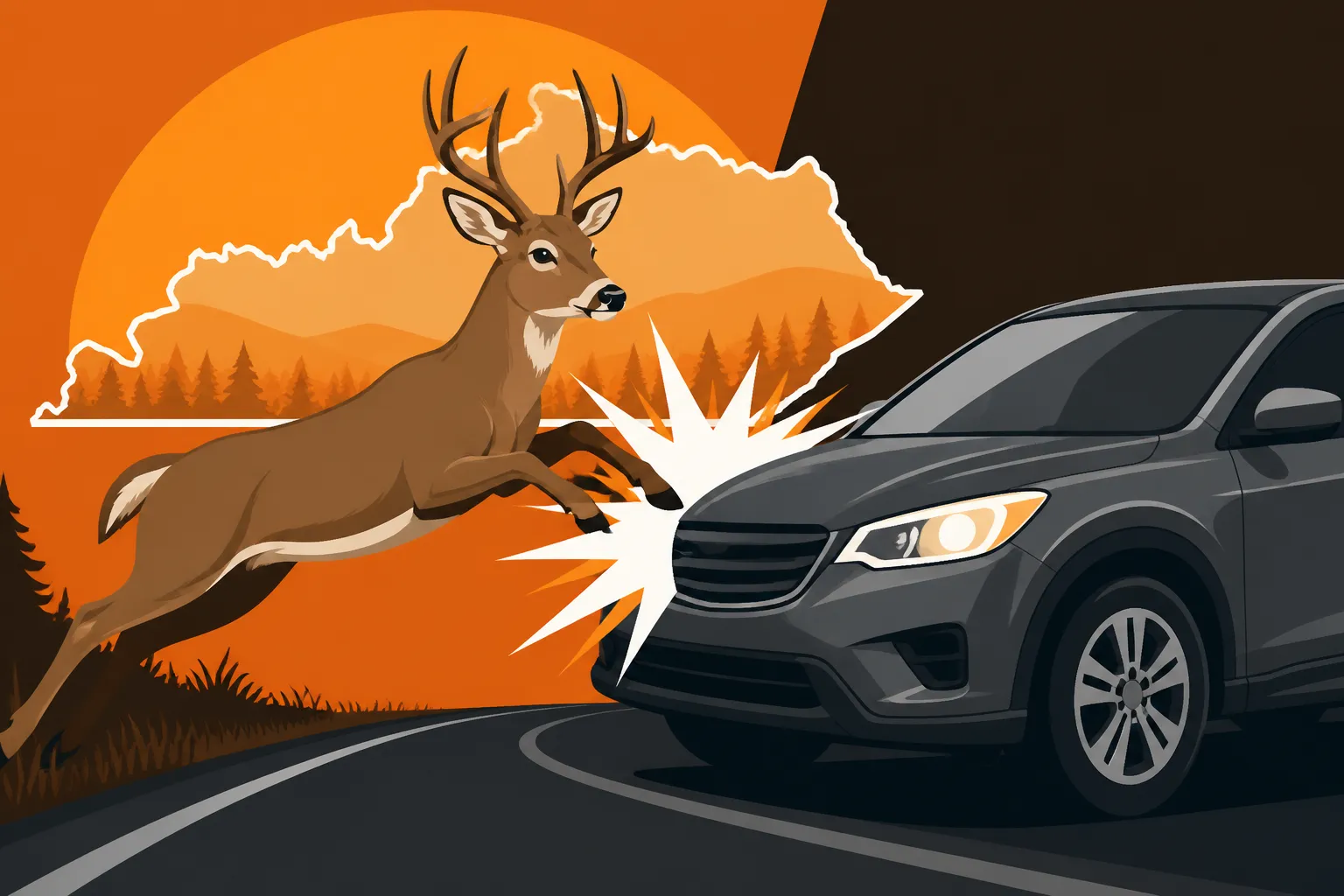
It's a frustrating, startling, and often dangerous reality for drivers across the Bluegrass State: the sudden, unexpected encounter with a deer on our roads. From the deep hollers of Eastern Kentucky to the rolling fields of the west, deer vehicle collisions are an all-too-common occurrence, causing significant damage, potential injury, and a profound sense of helplessness. This guide will dive deep into why these incidents happen, how you can proactively reduce your risk, and what steps to take if you find yourself in the unfortunate situation of hitting a deer.
The Unfortunate Reality: Why Deer Vehicle Collisions Are So Prevalent in Kentucky
Kentucky is renowned for its vibrant wildlife, and our white-tailed deer population is a testament to successful conservation efforts. While this is fantastic news for hunters and wildlife enthusiasts, it also means more deer are sharing our landscape, including the areas crisscrossed by roads. It’s not just bad luck; there are distinct biological and environmental reasons why these collisions are such a persistent problem for Kentucky drivers.
Peak Times and Seasonal Spikes
If you've spent any time driving in Kentucky, you've likely noticed that deer seem to be more active at certain times of the year and specific hours of the day. This isn't your imagination. Deer activity is heavily influenced by their daily routines and annual biological cycles. Dusk and dawn, when light levels are low and human visibility is reduced, are prime times for deer movement. They're often heading to or from bedding areas and feeding grounds. Think about those early morning commutes or late evening trips home – that's when deer are most likely on the move.
Beyond the daily rhythm, the seasons play an enormous role. Fall, especially from October through December, is statistically the most dangerous period for deer vehicle collisions in Kentucky. This is because it aligns perfectly with the breeding season, often referred to as the rut. During this time, bucks are singularly focused on finding does, leading them to abandon their usual caution and travel widely, often across unfamiliar terrain and, inevitably, across roads. The general hunting seasons also influence deer movement, as increased human activity in the woods can push deer into more open areas or across roads as they seek refuge. Understanding these peak times, like When the Kentucky Rut Peaks, can significantly inform your driving habits.
The Role of Expanding Deer Populations and Habitat
Kentucky's deer herd has truly rebounded over the decades, a fantastic success story. This means more deer are living in closer proximity to human development than ever before. Suburban fringes and agricultural areas, where woodland meets fields and residential zones, become natural highways for deer. They thrive in these "edge" habitats, which offer both cover and abundant food sources like crops and garden plants. When a subdivision or new road cuts through what was once continuous deer habitat, those animals don't simply vanish; they adapt, often by navigating these new obstacles.
Furthermore, factors like food availability can influence how far deer travel. In years of poor acorn mast crops, for instance, deer might range further to find alternative food sources, increasing their likelihood of encountering roadways. The overall Kentucky Deer Population Estimate is a good indicator of the sheer number of animals out there. While this speaks to a healthy ecosystem, it also underscores the increased potential for interactions with vehicles, particularly in areas with high deer density where deer frequently cross roads to access different parts of their home range.
Decoding Deer Behavior: Understanding the Whitetail Mindset on Roads
To truly understand how to avoid hitting a deer, it helps to put yourself in their hooves, so to speak. Deer aren't trying to cause accidents; they're simply acting on instinct within their environment. Their perception of danger, their travel patterns, and their responses to threats are crucial to understanding why they might suddenly dart in front of your car.
Instincts Driving Deer Movement
Deer are creatures of habit, but also of impulse. Their primary drives are feeding, breeding, and seeking cover. These instincts dictate their daily and seasonal movements. They'll often follow familiar trails, even if those trails now lead them directly to or across a paved road. When startled, a deer's first instinct is often to flee, and sometimes that flight path unfortunately takes them directly into the path of an oncoming vehicle. They don't grasp the speed or danger of a car in the same way a human does, often freezing in headlights or reacting unpredictably.
A deer's social structure also plays a role. Often, if you see one deer cross the road, there are more to follow. Young deer, especially yearlings, might be less experienced and more prone to erratic behavior. Does with fawns can be particularly protective and unpredictable. Bucks, especially during the rut, might chase a doe across a highway without a second thought for their own safety. It's important to remember that these animals are wired for survival in the wilderness, not for navigating busy highways. Their natural defenses against predators, like camouflage and sudden bursts of speed, often work against them in the face of fast-moving vehicles.
Recognizing High-Risk Crossing Areas
Deer aren't just popping up randomly on the pavement. They tend to cross roads in areas that offer them the easiest passage or where the road intersects their established travel corridors. These include places where dense woods open up to fields, along creek bottoms, or where power lines or clear-cuts break through continuous forest. Anywhere you see a natural funnel or transition zone in the landscape, you should be on high alert.
Road signs indicating deer crossings are there for a reason, but deer don't read them. You need to read the landscape. Look for obvious deer trails leading to the road edge, areas with fresh deer tracks in soft ground, or even sections of road where you've seen deer before. Using resources like the Kentucky Hunt Fish App can help you visualize habitat features that might create these crossing points. Even small woodlots or hedgerows that connect larger parcels of timber can serve as a travel corridor, making the adjacent road a high-risk area. Think like a deer: where would you go to find food or cover if you were navigating this specific stretch of Kentucky?
Proactive Driving Strategies to Minimize Your Risk
While you can't control where deer roam, you can control how you drive. Adopting a few key defensive driving strategies, especially during peak deer activity times, can drastically reduce your chances of being involved in a deer vehicle collision. It's about awareness, anticipation, and smart decision-making behind the wheel.
Defensive Driving Techniques in Deer Country
The golden rule in deer country is to slow down, especially at dawn, dusk, and during the fall months. Reducing your speed gives you more time to react if a deer suddenly appears. Scan the roadsides constantly, not just the pavement directly in front of you. Deer often stand just off the road before deciding to cross. Use your high beams when there's no oncoming traffic; the extra light can help you spot deer's reflective eyes far sooner. If you see one deer, assume there are more nearby. Deer often travel in groups, and the first one you see might just be the scout for several others.
If a deer does jump out, brake firmly and remain in your lane if possible. Swerving to avoid a deer can often lead to more serious accidents, such as hitting another vehicle, a tree, or rolling your car. It's a tough call in a split second, but experts often advise hitting the deer rather than risking a more severe collision. This is easier said than done, of course, but it’s a critical consideration for your safety. Always be aware of your surroundings, checking your mirrors before braking hard, just in case someone is following too closely.
Utilizing Technology and Local Knowledge for Awareness
Modern technology and local knowledge can be invaluable allies in avoiding deer collisions. Navigation apps often include crowd-sourced alerts for road hazards, including animal crossings. While not always real-time, these can provide a general heads-up for common trouble spots. Many state wildlife agencies, including Kentucky's, also publish data on deer activity and collision hotspots, which can guide your route planning.
For hunters, tools like the GoHunt app or other detailed mapping services are indispensable for understanding terrain and habitat, which can indirectly help with driving safety. While primarily used for scouting game and finding areas for Hunting Western Kentucky River Bottoms or Reading a Ridge for Cumberland Deer, these applications also highlight natural funnels, creek beds, and dense cover near roads—all places where deer are more likely to cross. By understanding where deer are likely to travel based on terrain features, even if you’re just driving through, you can anticipate potential crossing points. Staying informed about local conditions, whether through community groups, news outlets, or even just chatting with folks who live in rural areas, can provide real-time insights into recent deer activity or specific problem areas.
Understanding Deer Collision Patterns
To further illustrate the factors involved in deer-vehicle collisions, here's a quick overview of when and why these incidents often occur:
| Factor | Peak Occurrence / Description | Driver Awareness Tip |
|---|---|---|
| Time of Day | Dusk (6 PM – Midnight) and Dawn (5 AM – 8 AM) | Be extra vigilant during these low-light hours. |
| Season | Fall (October – December), especially during the rut. | Drive slower and increase scanning, particularly in peak months. |
| Weather | Foggy or rainy conditions, reducing visibility. | Reduce speed significantly and use appropriate lights. |
| Habitat Type | Areas where woods meet fields, creek bottoms, dense cover. | Anticipate crossings where natural cover or food sources are adjacent to roads. |
| Deer Behavior | Bucks seeking does, does with fawns, startled deer fleeing. | If you see one deer, expect more. Be prepared for unpredictable movements. |
| Road Type | Rural roads, two-lane highways, less-traveled routes. | Don't let a lack of traffic lull you into complacency; deer favor these routes. |
Navigating the Aftermath: What to Do If a Collision Occurs
Even with the most careful driving, sometimes an accident is unavoidable. If you do hit a deer, it can be a jarring and confusing experience. Knowing what to do in the immediate aftermath, both for your safety and in terms of legal requirements and practical considerations, can make a difficult situation a little easier to manage.
Immediate Safety and Reporting Protocols
First and foremost, pull your vehicle safely off the road if it's still operable. Turn on your hazard lights. Your personal safety and the safety of other motorists are paramount. Do not approach an injured deer. A wounded deer can be unpredictable, dangerous, and inflict serious injury. Stay in your vehicle and call the local authorities. This typically means calling 911 for emergencies or your local police/sheriff's department for non-emergency assistance. They can dispatch an officer to handle traffic, assess the situation, and determine if the deer needs to be dispatched or removed.
You will need to report the incident, especially if there's significant damage to your vehicle or if anyone in your car is injured. The Kentucky Department of Fish and Wildlife Resources (KDFWR) also has specific procedures for reporting deer harvests, which can apply even in the case of a collision. While you aren't "hunting" the animal, the state still wants to monitor mortality. An officer can assist you with understanding these requirements, including whether the deer needs to be "telechecked." Remember, this isn't just about your insurance; it's about contributing to accurate wildlife management data that informs decisions about the Kentucky Deer Management Zone Rules and the overall Kentucky Annual Deer Harvest.
Handling the Deer and Insurance Considerations
After police have arrived and assessed the scene, they can advise you on the deer. In many cases, if the deer is deceased, you may be able to keep the carcass for consumption, provided you obtain a "roadkill" permit or tag from the responding officer. This is often a matter of state law and local policy, so always check with the authorities on scene. It's a way to Donating Venison in Kentucky to yourself or others, rather than letting it go to waste, but strict rules apply to ensure proper handling and reporting. However, if the deer is in a CWD Surveillance Zone county, there might be specific regulations regarding carcass movement or testing, which an officer can explain.
From an insurance perspective, deer collisions are typically covered under the comprehensive portion of your auto insurance policy, not collision. This is an important distinction as it usually means your collision deductible won't apply. However, every policy is different, so it's crucial to contact your insurance provider as soon as possible after ensuring safety and reporting the incident. Take photos of the damage to your vehicle and the scene if it's safe to do so, as this can be helpful for your insurance claim. While it's a stressful event, knowing these steps can help you navigate the process more smoothly and get back on the road safely.
Disclaimer
This article is for general informational purposes only and does not constitute professional advice. Laws, prices and regulations vary by location and change over time. Consult a qualified professional for guidance on your specific situation.