Kentucky CWD Prevalence in Ballard County
It’s unsettling to hear about Chronic Wasting Disease (CWD) cropping up in our deer herd, and for folks in Kentucky, especially those of us who hunt in the western part of the state, the news coming out of Ballard County has been particularly concerning. This guide aims to clear up some of the confusion, explain exactly what CWD prevalence in Ballard County means for you, and outline the steps we all need to take to protect our cherished deer hunting traditions and the health of Kentucky's whitetail population.
Understanding Chronic Wasting Disease and Its Threat
Chronic Wasting Disease (CWD) is a neurological illness affecting deer, elk, and moose. It’s caused by abnormal proteins called prions that slowly degrade the animal’s brain, leading to symptoms like drastic weight loss, stumbling, lethargy, and behavioral changes. Unfortunately, CWD is always fatal for infected animals, and there's currently no cure or vaccine. It's a real heartbreaker for anyone who loves our wild cervid populations.
The insidious nature of CWD is what makes it such a threat. The prions can persist in the environment for years, making it incredibly difficult to eradicate once it takes root in an area. This means the soil, plants, and even other animals can become contaminated, potentially spreading the disease even after an infected animal is gone. For hunters, it’s not just about the health of individual deer; it’s about the long-term viability of the entire herd and the integrity of our hunting heritage. The prospect of losing healthy, vibrant deer populations is a grim one that keeps many of us up at night.
How CWD Spreads Among Deer
CWD is primarily spread through direct animal-to-animal contact, but also indirectly through contact with contaminated environments. This can include saliva, urine, feces, blood, or even carcasses of infected animals. Imagine a deer with CWD licking a mineral lick, or bedding down in a spot where it sheds infected bodily fluids. Another deer comes along, uses that same lick, or beds in the same spot, and the cycle continues. It’s a silent, invisible killer that works its way through the herd without initial obvious signs.
Another major concern is the movement of infected carcasses or parts. If a hunter harvests a CWD-positive deer in one county and takes the entire carcass to another county, they could inadvertently introduce the prions to a new, previously unaffected area. This is why strict regulations around carcass movement are so crucial, especially for hunters traveling between different regions or states. Every hunter has a role to play in preventing this spread, whether it's through careful disposal of remains or understanding the rules for Kentucky Carcass Movement Restrictions.
Why CWD is a Concern for Hunters
Beyond the obvious impact on the deer herd itself, CWD raises several serious concerns for hunters. First and foremost is the question of human health. While there's no conclusive scientific evidence that CWD can be transmitted to humans, health organizations advise against consuming meat from CWD-positive animals. This means if you harvest a deer in a CWD zone, there’s an extra step of testing to ensure your harvest is safe to eat, which adds to the process and can be an emotional hurdle if your animal tests positive.
Secondly, CWD can lead to drastic changes in hunting regulations, including bag limits, season structures, and even specific weapon restrictions in affected areas. Nobody wants to see their favorite hunting grounds impacted by a disease that could decimate deer numbers and limit opportunities. It’s a frustrating situation that often leaves hunters feeling helpless, but active participation in surveillance and management efforts is one way we can all contribute. Understanding how diseases affect Kentucky Deer Population Estimate helps put the individual concerns into perspective for the overall health of the herd.
Ballard County: A Critical Point in Kentucky's CWD Fight
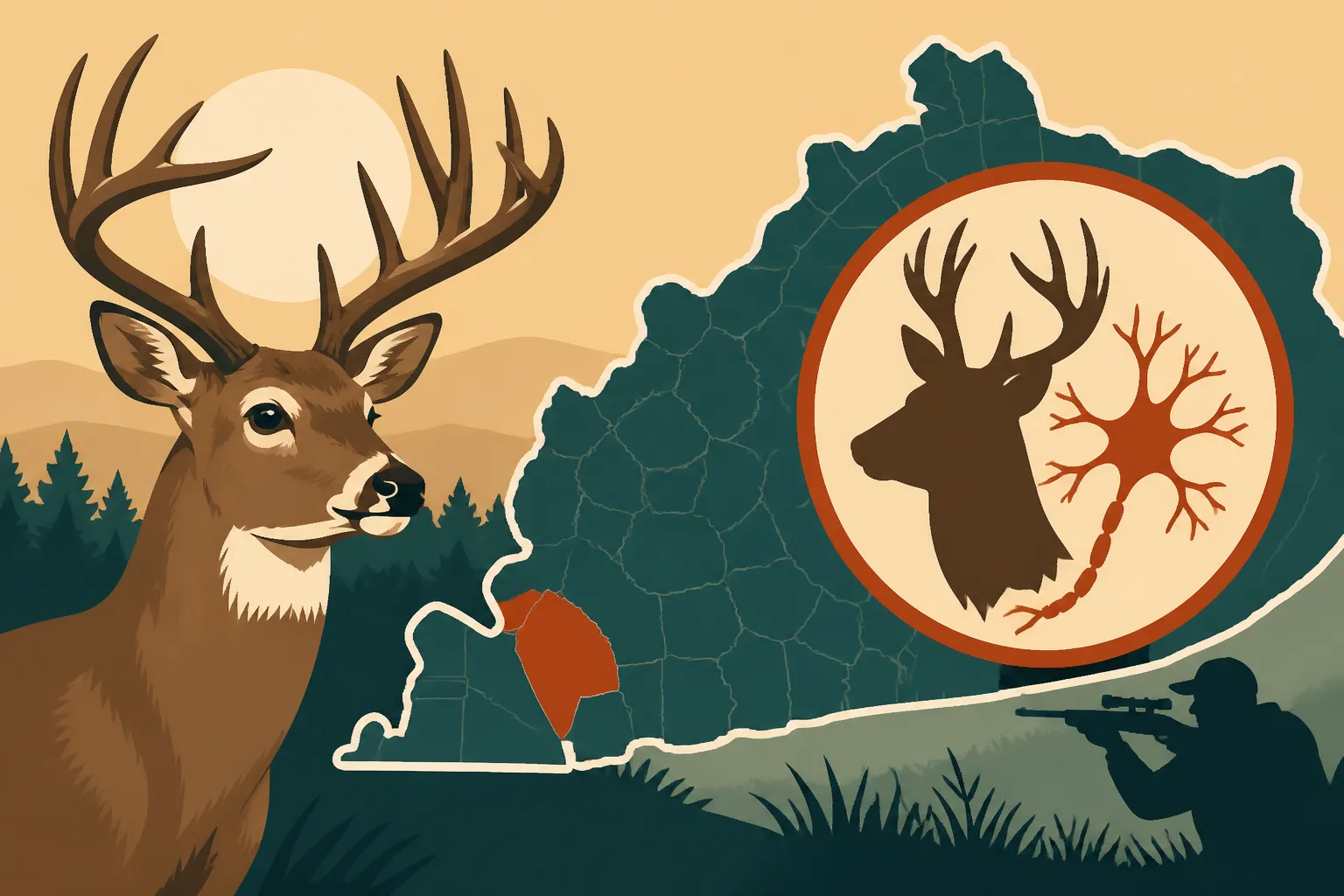
Ballard County, located in the far western corner of Kentucky, has unfortunately become a focal point in the state’s ongoing battle against CWD. The initial discovery of CWD in captive deer in Ballard County was a wake-up call, immediately triggering heightened surveillance and management efforts. This wasn't just another data point; it marked a significant moment for Kentucky, confirming the presence of this devastating disease within our borders.
The response was swift, leading to the establishment of the state's first CWD surveillance zone, with Ballard County at its core. This designation brings with it a whole new set of rules and responsibilities for hunters and landowners in the area. It’s a situation that demands vigilance and cooperation from everyone involved to prevent further spread and protect the deer herd that so many of us value.
The Initial CWD Cases in Ballard County
The first confirmed cases of CWD in Ballard County were found in animals at a captive deer facility. This was particularly alarming because captive facilities can sometimes act as vectors for disease introduction and spread, even unintentionally. Once confirmed, these cases led to an immediate investigation and expansion of testing efforts in the surrounding wild deer population. It's a stark reminder of how quickly a localized issue can become a widespread concern for our wildlife managers.
Following the captive facility discovery, subsequent testing of wild deer in Ballard County yielded more positive results. This confirmed that CWD had indeed escaped into the free-ranging herd, intensifying the need for strict protocols. Each new positive test is a piece of data that helps Kentucky Fish and Wildlife officials understand the disease's prevalence and distribution, guiding their strategies. For a more detailed breakdown of these events, you might want to read How CWD Reached Ballard County Twice.
Impact on Local Hunting Regulations and Practices
The presence of CWD in Ballard County has had a tangible impact on hunting regulations and practices in the region. Hunters in Ballard and surrounding counties within the CWD surveillance zone now face mandatory CWD testing for all harvested deer, as well as strict carcass movement restrictions. You can't just take your deer home and process it wherever you like if you're leaving the zone; certain parts must be left behind or processed beforehand. These rules, while sometimes inconvenient, are vital for disease containment.
For instance, if you harvest a deer in Ballard County, you’re required to take its head to a designated sampling station for CWD testing. This means an extra step in your post-harvest routine, and sometimes a wait for results. But it’s a small price to pay for the long-term health of the herd. Many hunters have adapted, embracing these new protocols as part of their responsibility. Hunting in these areas now requires a bit more planning, and tools like GoHunt can be useful for quickly identifying where sampling stations are located and understanding the latest boundary lines.
Navigating Hunting in Kentucky's CWD Surveillance Zone
Hunting in a CWD surveillance zone requires a different mindset and adherence to specific rules designed to minimize the risk of spreading the disease. It’s not just about getting your deer; it’s about being a responsible steward of the land and its wildlife. This means being informed, prepared, and cooperative with state wildlife officials.
When planning your hunt, a tool like GoHunt can be invaluable for pinpointing CWD surveillance zone boundaries and identifying sampling station locations. These digital maps often incorporate the latest regulatory information, saving you time and ensuring you're compliant before you even step foot in the woods. Always double-check with the Kentucky Department of Fish and Wildlife Resources (KDFWR) for the most current regulations, as things can change.
Mandatory Testing and Reporting
One of the most critical requirements for hunters in the CWD surveillance zone, which includes Ballard County, is mandatory CWD testing for all harvested deer. This isn't optional; it's a necessary step to monitor the disease and prevent its spread. After harvesting a deer, you'll need to locate a KDFWR-approved CWD sampling station and present the head of your deer for testing. This process allows wildlife biologists to track the prevalence of the disease and identify any new areas of concern.
The good news is that KDFWR has made efforts to establish convenient Finding a Kentucky CWD Sampling Location within and near surveillance zones. You’ll typically receive instructions on how to tag your deer and where to drop off the sample. Once the sample is collected, your deer can be processed, but you'll be notified if your animal tests positive. While waiting for results can be stressful, it's a crucial part of the management strategy. Always remember to Telechecking a Kentucky Deer Harvest as usual, regardless of CWD testing.
Carcass Movement and Disposal Rules
To prevent the geographic spread of CWD prions, strict regulations are in place regarding the movement of deer carcasses from the CWD surveillance zone. You cannot simply transport a whole deer carcass out of the zone without following specific guidelines. This is because the brain, spinal cord, and certain other tissues are where CWD prions are most concentrated.
Here’s a general overview of what's typically allowed to leave the CWD zone:
- Deboned meat: All bone and nervous tissue removed.
- Cut and wrapped meat: Commercially processed meat, usually.
- Clean skull plate: Antlers attached, with all brain matter and tissue removed.
- Teeth: Cleaned and free of tissue.
- Hides: With no head attached.
Essentially, anything that could potentially harbor CWD prions must either remain within the CWD zone or be processed in such a way that those high-risk tissues are removed and disposed of properly. This means often performing initial field dressing or even boning out your deer within the CWD zone before heading home, or using a licensed processor within the zone. For specific details on what you can and cannot move, refer to Kentucky Carcass Movement Restrictions.
Practical Tips for Hunters in CWD Zones
Hunting in a CWD zone doesn't have to be overly complicated, but it does require careful planning and adherence to regulations. Here are some practical tips to make your hunt safer and more compliant:
- Know Your Zone: Before you hunt, confirm if your chosen hunting area falls within a CWD surveillance zone. Websites, printed guides, and mapping apps like GoHunt are great resources.
- Plan for Processing: If you're hunting in a CWD zone, plan how you’ll handle your harvest. This might mean bringing extra tools for field butchering or researching certified processors in the area that understand CWD regulations.
- Hygiene is Key: Always wear gloves when handling deer, especially when field dressing. While CWD isn't known to infect humans, general hygiene practices are always recommended when dealing with wild game. Clean your knives and equipment thoroughly after use.
- Proper Disposal: If you process your deer yourself within the CWD zone, dispose of carcass waste (bones, entrails, etc.) on the property where the animal was harvested, or at an approved landfill. Never dump high-risk parts outside the CWD zone.
- Stay Informed: CWD regulations can change as new information becomes available. Regularly check the KDFWR website or use trusted resources within mapping applications to stay updated on the latest rules.
- Consider Alternatives: If you're really concerned about CWD in your area, remember that Kentucky offers diverse hunting opportunities. You might explore Grouse and Small Game Hunting in Kentucky or Waterfowl Hunting Kentucky Lakes and Rivers in other regions, or even apply for an Applying for a Kentucky Elk Quota Hunt permit if you're looking for a different challenge.
These measures might seem like an added burden, but they are crucial for preserving Kentucky's deer herd for future generations. By understanding and following these guidelines, we can all contribute to limiting the spread of CWD and continuing our hunting traditions responsibly.
Broader CWD Management and Hunter Responsibility
While Ballard County has been a focal point for CWD, the Kentucky Department of Fish and Wildlife Resources takes a statewide approach to managing and monitoring this disease. Their efforts involve extensive surveillance, public education, and collaboration with hunters, landowners, and other state agencies. It's a massive undertaking that relies heavily on the cooperation of the hunting community.
Ultimately, preventing the spread of CWD and mitigating its impact on Kentucky's deer herd is a shared responsibility. Every hunter, regardless of whether they hunt in a CWD zone, plays a role in being vigilant, informed, and compliant with regulations. It’s about more than just checking a box; it’s about contributing to the health of our wild resources.
Kentucky's Statewide CWD Surveillance
Beyond the immediate CWD surveillance zones, KDFWR conducts ongoing statewide surveillance for CWD. This involves collecting samples from harvested deer across various counties, often focusing on areas near known positive cases or high-risk locations. This proactive approach helps biologists detect any new outbreaks early, allowing for a rapid response to contain the disease before it becomes widespread.
This statewide testing is often voluntary in non-surveillance zones, but hunters are strongly encouraged to participate. The more samples collected, the clearer the picture KDFWR gets of the disease's distribution. Data from these surveillance efforts, combined with tools like GoHunt that can help track potential movement corridors, are critical in understanding How Many Kentucky Counties Have Found CWD and adapting management strategies. Every sample provides valuable insight, making your participation incredibly important.
Hunter Ethics and Future of Deer Hunting
The challenge of CWD also touches upon hunter ethics. Being a responsible hunter today means being an educated hunter. It means understanding the threats to wildlife, including diseases, and adjusting your practices to be part of the solution rather than inadvertently contributing to the problem. The future of deer hunting in Kentucky, and indeed across the country, depends on how effectively we can manage CWD.
This also means supporting the KDFWR in their efforts. Wildlife agencies are on the front lines, and they need our help. Whether it's through following regulations, reporting sick animals, or participating in voluntary sampling, our collective actions make a difference. The goal is to maintain a healthy, huntable deer herd for generations to come, and that requires vigilance and dedication from all of us. When you're considering your next hunting adventure, remember the importance of staying informed and adhering to regulations, whether you're interested in Bowhunting Kentucky's Long Archery Season or Hunting the Kentucky Rut in Early November.
Summary of Key Hunter Actions in CWD Zones
Here’s a quick overview of key actions every hunter should take when operating within or near a CWD surveillance zone like Ballard County:
| Action Category | Key Steps | Why It's Important |
|---|---|---|
| Pre-Hunt Preparation | Verify current CWD zone boundaries (e.g., using KDFWR maps or GoHunt). Research sampling station locations and operating hours. Plan carcass transport. | Ensures compliance and readiness for post-harvest requirements, minimizing delays and risk. |
| During Harvest | Field dress deer carefully, wearing gloves. Note the exact location of harvest. | Reduces exposure to potential prions. Helps KDFWR track disease spread accurately. |
| Post-Harvest Reporting | Telecheck your deer promptly as required. Transport deer head (with proper identification) to a designated CWD sampling station within the required timeframe. | Mandatory for data collection on disease prevalence. Ensures your harvest is officially recorded and tested. |
| Carcass Handling | Debone meat and clean skull plates thoroughly within the CWD zone before transporting out. Dispose of high-risk parts (brain, spinal cord) properly within the zone. | Prevents the physical movement of CWD prions to unaffected areas. Essential for containment efforts. |
| Equipment Sanitation | Thoroughly clean all knives, saws, and processing equipment with a 10% bleach solution or commercial disinfectant after use. | Eliminates prions from equipment, preventing accidental transfer to other game or areas. |
| Stay Informed | Regularly check KDFWR updates on CWD regulations, new zone expansions, or testing requirements. | CWD management is dynamic; staying current ensures ongoing compliance and understanding of the evolving situation. |
Disclaimer
This article is for general informational purposes only and does not constitute professional advice. Laws, prices and regulations vary by location and change over time. Consult a qualified professional for guidance on your specific situation.