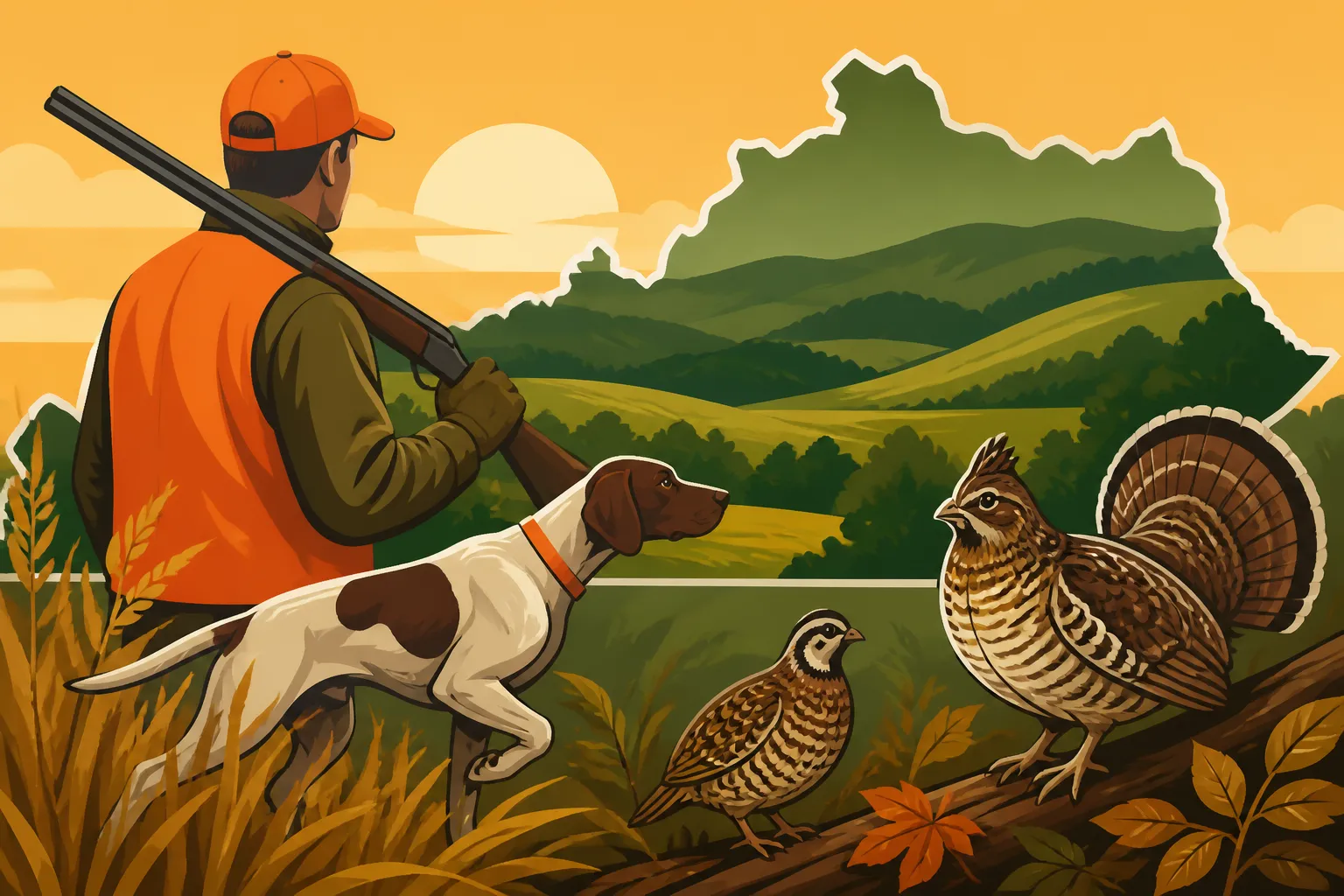
Grouse and Small Game Hunting in Kentucky
Kentucky’s woods and fields hold a special kind of magic, a quiet tradition of chasing small game that speaks to the very soul of hunting. But let’s be real: for many, the idea of bagging a limit of rabbits, squirrels, or especially grouse, feels like a dream from another era. Habitat loss, changing land use, and simply knowing where to go can make small game hunting feel like an uphill battle. This guide is here to dive deep into those challenges, celebrating the heritage and offering practical advice to help you find success, even in today’s landscape.
Understanding Kentucky's Small Game Landscape
For generations, hunting rabbits, squirrels, and grouse was a rite of passage in Kentucky, a way to put food on the table and teach valuable lessons in the woods. While the landscape has undeniably changed, and some species face significant hurdles, the opportunities are still out there for those willing to learn and adapt.
The State of Small Game Populations
It’s no secret that Kentucky’s small game populations have seen better days. Ruffed grouse, in particular, have experienced a dramatic decline, a reality that hits hard for anyone who remembers their explosive flushes. This isn’t unique to Kentucky; it’s a regional issue, largely tied to the loss of young, regenerating forest habitat. That early successional growth, often created by timber harvests or natural disturbances like wildfires, is crucial for grouse, rabbits, and many songbirds.
Rabbit numbers, too, have ebbed and flowed. The disappearance of small farms, fencerows, and brushy field edges has impacted them significantly. You’re less likely to find rabbits hopping through every briar patch like your grandpa might have. However, dedicated hunters can still find pockets of good habitat, especially on reclaimed mine lands or areas with robust conservation efforts. Squirrels, thankfully, remain the most abundant and widespread small game species across the state, particularly in areas with mature hardwoods. They’re still a fantastic entry point for new hunters and a reliable pursuit for veterans. Understanding these trends is the first step toward managing your expectations and focusing your efforts where they’re most likely to pay off.
Seasons and Regulations Overview
Navigating the regulations for small game in Kentucky is generally straightforward, but it’s crucial to always consult the current Kentucky Department of Fish and Wildlife Resources (KDFWR) hunting guide. Seasons for various small game species usually kick off in the late summer or early fall and can extend well into the winter months, offering a long window of opportunity. For instance, squirrel season often opens in August, providing a warm-weather hunt, while rabbit and grouse seasons typically begin later in the fall and run through late winter. Migratory birds like woodcock, snipe, and dove have more specific, shorter seasons dictated by federal guidelines.
Daily bag limits and possession limits are clearly defined for each species. For example, squirrel limits are often generous, reflecting their healthy population. Rabbit limits are usually moderate, and for declining species like grouse, the limit is often very conservative, sometimes just one or two birds. Remember, all hunters, regardless of age, need a valid Kentucky hunting license. If you're pursuing migratory birds like dove, woodcock, or snipe, you'll also need a Kentucky Migratory Bird-Waterfowl Permit and to be HIP (Harvest Information Program) certified. Always double-check these requirements before heading afield.
Why Small Game Hunting Matters
Beyond the thrill of the chase or the satisfaction of a meal, small game hunting is a vital thread in the fabric of Kentucky's outdoor heritage. It’s often the first hunting experience for young people, teaching them about wildlife, ethics, and responsible firearm handling in a less pressure-filled environment than, say, a deer hunt. My own father started me on squirrels, and those early morning hunts cemented my love for the outdoors.
Small game hunting can also be incredibly accessible. You don't always need specialized, expensive gear or vast tracts of land. A simple shotgun, good boots, and a keen eye can get you started. It fosters a deep connection to the land and its rhythms, making you a more observant and appreciative outdoors person. Moreover, license sales and excise taxes on hunting equipment directly fund conservation efforts in Kentucky, benefiting all wildlife, not just game species. Supporting small game hunting means supporting the future of all wildlife and wild places in our state. It's a tradition worth preserving, adapting, and passing on.
Ruffed Grouse Hunting: A Vanishing Pursuit
For many, the mention of grouse hunting in Kentucky evokes a bittersweet nostalgia. It’s a hunt steeped in tradition, demanding skill, perseverance, and a deep understanding of unique forest ecosystems. However, it's also a pursuit facing immense challenges.
The Challenges of Kentucky Grouse Hunting
Let’s be honest: hunting ruffed grouse in Kentucky today is not for the faint of heart, nor for those expecting easy limits. The numbers have plummeted dramatically over the last few decades. Where once you might have flushed multiple birds in a single cover, today, finding even one can be an all-day affair. This decline is heartbreaking for many, and it stems primarily from a statewide loss of the specific habitat grouse need to thrive. These birds rely almost entirely on young, regenerating forests – dense thickets of saplings, shrubs, and briars that offer both food and escape cover from predators. As forests mature and timber harvests become less frequent or are managed differently, that critical habitat shrinks, leaving grouse vulnerable and scarce.
The frustrations are real. You might walk miles through dense woods, your legs burning and your nerves on edge, only to hear nothing but the rustle of dry leaves. It can feel like searching for a ghost. This difficulty also means that if you do find a bird, it’s a moment to truly savor, a testament to the bird’s resilience and your dedication. This isn’t a hunt about filling the freezer; it’s about experiencing a wild place and connecting with a truly wild bird.
Prime Grouse Habitat and Scouting
Despite the overall decline, pockets of viable grouse habitat still exist, primarily in the rugged terrain of Eastern Kentucky. The Cumberland Mountains and parts of the Daniel Boone National Forest are your best bets. You’re looking for areas that have been clear-cut or heavily thinned in the last 5-20 years, creating dense, tangled regrowth. This thick cover, often called "early successional habitat," is what holds grouse. They need it for protection from avian predators like hawks and owls, and it provides a smorgasbord of buds, berries, and insects.
When scouting, look for recent timber cuts that are now choked with dense saplings, greenbrier, and rhododendron. Steep hillsides with mixed hardwoods and conifers, particularly those with plenty of hemlock or pine, can also be productive, offering thermal cover in winter. The ideal cut should be roughly 8-15 years old for optimal grouse cover, often referred to as "how old a cut should be for grouse." Use online mapping tools like the Kentucky Hunt Fish App or even GoHunt’s detailed satellite imagery to identify areas with recent clear-cuts or areas that show signs of dense, young timber. These tools can help you pinpoint promising spots before you ever step foot in the woods, saving you valuable time and effort. Don’t be afraid to put in the legwork. A lot of grouse hunting involves covering ground, looking for that distinct type of cover.
Tactics for Flushing Kentucky Grouse
Hunting grouse is often a game of methodical searching and sudden, explosive action. Many traditional grouse hunters swear by a good bird dog, typically a setter or a pointer, to find and hold birds. A well-trained dog covers ground efficiently, pinpoints the scent, and goes on point, allowing the hunter to move in for the flush. However, hunting without a dog is also entirely possible and, for many, the only option. To understand the dynamics, check out this guide on Flushing Grouse Without a Dog.
If you're hunting without a canine companion, you become the "dog." This involves still-hunting – moving slowly and deliberately through prime cover, pausing frequently to listen and scan. Grouse often hold tight, relying on their camouflage until you are almost on top of them. Walk in a zigzag pattern, pushing through the densest thickets. Kick brush piles, circle downed logs, and always be ready for that startling roar of wings. Pay particular attention to natural funnels, creek bottoms, or the edges of dense cover where birds might move. It’s physically demanding, but incredibly rewarding when you finally get a bird to flush.
Gear and Shot Selection for Grouse
When it comes to grouse hunting, your gear choices can make a significant difference. A lightweight, fast-handling shotgun is paramount. Most grouse hunters prefer a 20-gauge or even a 28-gauge over a 12-gauge, as shots are typically close and fast, and recoil is less of a concern. An open choke, such as improved cylinder or skeet, is ideal for the tight cover and quick shots you’ll encounter. You want a wide pattern to increase your chances of connecting with a bird exploding through thick brush.
For ammunition, small shot sizes are key. #7 ½ or #8 lead shot are standard for grouse. These smaller pellets provide a dense pattern that’s effective at close range without over-penetrating or damaging too much meat. Because you'll be walking through thorny thickets and dense undergrowth, durable clothing is a must. Brush pants for Kentucky fencerows are invaluable, protecting your legs from briars and thorns, and a good upland vest with plenty of shell loops and a game pouch will keep your gear organized. Waterproof boots with good ankle support are also critical for navigating the rugged, often wet, terrain you'll encounter in grouse country.
Rabbit Hunting: The Southern Tradition
Rabbit hunting is a cherished southern tradition, often bringing to mind crisp autumn mornings, the baying of beagles, and the promise of a delicious meal. While habitat changes have made it tougher in some areas, the pursuit of cottontails remains a vibrant and accessible form of small game hunting in Kentucky.
Finding Cottontails in Kentucky
Kentucky cottontails thrive in specific types of habitat: dense, brushy cover. Think old farm fields reverting to forest, briar patches, thickets along creek banks, fencerows, and the edges of clear-cuts. These areas provide food, escape cover, and protection from predators. You'll often find them near agricultural fields where they can dart out to feed on clover, alfalfa, or waste grain, then quickly retreat to safety. Areas with abundant greenbrier, honeysuckle, and blackberry brambles are prime rabbit real estate.
Many of the best rabbit spots are found on private land. This means cultivating relationships with landowners is often essential. Learning the art of Asking a Kentucky Farmer for Permission can open up vast opportunities. Public lands, particularly certain Wildlife Management Areas (WMAs) and reclaimed mine lands, can also hold good numbers, but they often require more scouting to find those dense, neglected pockets of cover that rabbits love. Pay attention to areas that look "messy" – places where nature is reclaiming disturbed ground, where thorny bushes and vines create an impenetrable fortress.
Hunting with Beagles: The Classic Method
For many, rabbit hunting is synonymous with a pack of beagles. The melodic baying of hounds as they pick up a scent and push a rabbit through the cover is an exhilarating experience that’s hard to beat. Beagles are purpose-bred for this task; their keen noses and relentless drive make them exceptional rabbit dogs. The typical scenario involves releasing the dogs in a likely cover. Once they strike a trail, they'll chase the rabbit in a wide circle. Rabbits, being creatures of habit, often return to their original starting point or circle back through familiar territory.
The hunters position themselves strategically along the expected path of the rabbit, listening intently to the dogs. When the baying indicates the rabbit is nearing, hunters get ready for a shot. It's not just about the kill; it's about the chase, the dog work, and the camaraderie among hunters. Training beagles is a process of patience and exposure, but a good pack can provide endless hours of excitement and a consistently higher success rate than hunting without dogs. The sound of beagles in full cry, working a hot trail, is one of the most iconic sounds of a Kentucky winter hunt.
Still-Hunting and Jump-Shooting Rabbits
If you don't have a pack of beagles, or prefer a more solitary approach, still-hunting and jump-shooting are effective ways to hunt rabbits. Still-hunting involves moving slowly and quietly through prime rabbit habitat, stopping frequently to scan ahead. Rabbits will often sit tight, hoping to go unnoticed, so a keen eye is necessary to spot them before they bolt. Look for anything that looks out of place—an ear, an eye, or the distinct outline of a rabbit hunkered down. When you spot one, you can attempt a shot before it moves, or nudge it to flush for a moving target.
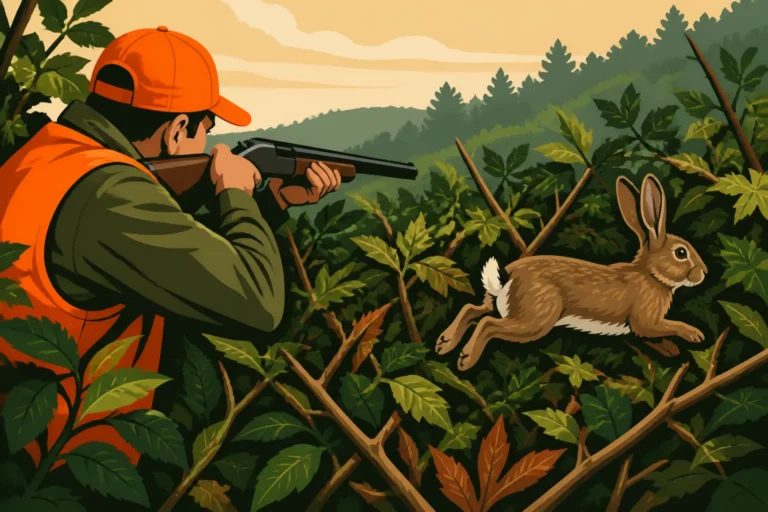
Jump-shooting is a more active approach, where you purposefully walk through thick cover, kicking briar patches, rustling bushes, and stomping around to scare rabbits into flushing. This is often done in tandem with another hunter or two, walking abreast through likely cover, like when you're Hunting Thick Kentucky Brush. As rabbits burst from cover, you quickly shoulder your shotgun and take a shot. This method is physically demanding but can be very productive in areas with high rabbit density. It requires quick reflexes and familiarity with your shotgun. While it lacks the musical charm of beagles, it’s an incredibly engaging and active way to spend a day in the field.
Ideal Conditions and Time of Day
Like most small game, rabbits are creatures of routine, and understanding their activity patterns can significantly boost your success. Cold, overcast days are often ideal for rabbit hunting. When temperatures drop, rabbits tend to be more active, foraging for food to maintain their body heat. Fresh snow can be a game-changer, making tracks easy to spot and pushing rabbits into denser cover where they’re easier to locate. After a snowfall, you can clearly see where rabbits have been feeding and moving, helping you pinpoint their bedding areas.
Mornings, from dawn until mid-morning, and late afternoons, from an hour or two before dusk until dark, are generally the most productive times. During these periods, rabbits are typically more active as they leave their bedding areas to feed. Midday, especially on warmer days, they’ll often be hunkered down in thick cover, conserving energy. Hunting during a light drizzle or immediately after a rain shower can also be effective, as the wet ground might make them move more freely, and the damp conditions can help dogs pick up a scent more easily. Knowing these patterns allows you to maximize your time in the field.
Squirrel Hunting: The Accessible Classic
Squirrel hunting is often the gateway drug to the hunting world for many Kentuckians, and for good reason. It’s accessible, challenging, and offers plentiful opportunities across the state. Whether you prefer the stealth of still-hunting or the thrill of hunting with a good dog, squirrels provide an engaging and rewarding experience.
Habitat and Food Sources for Kentucky Squirrels
Kentucky is blessed with vast tracts of hardwood forests, making it prime squirrel country. Both gray and fox squirrels thrive where there are abundant mast-producing trees. Gray squirrels prefer denser, more mature forests, often found in the deep hollows and along the ridges of Eastern Kentucky. Fox squirrels tend to favor more open woodlands, particularly those interspersed with agricultural fields, making them more common in the rolling farmlands of Western and Central Kentucky.
The key to finding squirrels is finding their food source. Oak ridges, particularly those with mature white oaks and red oaks, are absolute magnets. Hickory bottoms, with their nutrient-rich nuts, are also prime locations. During early season, squirrels will often be found in beech trees, cutting green beechnuts, or even in cornfields adjacent to woodlots. As the season progresses, they shift to whatever mast crop is available. You’ll know you’re in the right spot by reading cuttings under an oak – tiny pieces of acorn shells or hickory nut fragments scattered on the forest floor, indicating recent feeding activity. Learning how to identify these "cuttings" is a crucial skill for any squirrel hunter.
Still-Hunting and Stalking Squirrels
For many, still-hunting is the quintessential squirrel hunting method. It demands patience, stealth, and a keen eye. The strategy involves moving slowly and quietly through the woods, pausing frequently, often for 5-10 minutes at a time, to listen and scan. Squirrels are constantly on the move, but they also pause to feed or survey their surroundings. These pauses are your opportunity. Find a good tree to lean against, let your eyes adjust, and meticulously pick apart the canopy and forest floor.
Look for movement, twitching tails, or the tell-tale sound of falling nut cuttings. If you hear a squirrel barking, move slowly and deliberately towards its general direction, but be prepared to stop and freeze as it approaches. When you spot one, try to get a clear shot at its head or chest. Often, it’s best to sit down and let the woods calm around you; squirrels that have "treed" or been alarmed will often reappear if you remain still and silent. This method is incredibly rewarding, teaching you the rhythms of the forest and honing your observational skills. For more detailed advice, consider tips for Squirrel Hunting a Kentucky Oak Ridge.
Hunting with Squirrel Dogs
Just like rabbit hunting with beagles, hunting squirrels with a dedicated squirrel dog is a time-honored tradition in Kentucky. Breeds like feists and cur dogs are specifically bred and trained for their ability to locate squirrels by scent and sight, then "tree" them—pinning them in a tree and barking to alert the hunter. The dog’s job is to keep the squirrel focused on it, allowing the hunter to circle the tree and find the squirrel, which often tries to hide on the opposite side of the trunk.
This method is highly effective, especially for locating squirrels that are difficult to spot from the ground. It also covers a lot more ground than still-hunting, making it a great option for vast timber tracts. The excitement of a dog barking treed, the scramble to find the squirrel, and the teamwork involved create a unique and memorable hunting experience. Training a squirrel dog requires dedication, but a good one becomes an indispensable partner in the woods.
Gear and Calibers for Squirrels
The beauty of squirrel hunting is its simplicity in gear. Many hunters opt for a .22LR rifle, which is perfect for accurate, quiet shots at tree-bound squirrels. A good quality .22 rifle, paired with a low-power scope (2-7x or 3-9x), allows for precise headshots, ensuring quick, humane kills and minimal meat damage. Rimfire ammunition is also inexpensive, allowing for plenty of practice.
Alternatively, a small gauge shotgun (20-gauge, 28-gauge, or even a .410) loaded with #6 or #7 ½ shot is an excellent choice, especially for younger hunters or those who prefer to shoot squirrels on the move. Shotguns provide a wider pattern, making it easier to hit fast-moving targets, particularly in dense canopy. For guidance on appropriate firearms, consult Best Shotgun Gauge for Kentucky Squirrel. Many hunters also carry a pair of small binoculars to help locate camouflaged squirrels in the treetops. Beyond firearms, comfortable walking boots, a small backpack for water and snacks, and a game pouch are really all you need for a successful squirrel hunt.
Other Small Game Opportunities
While grouse, rabbits, and squirrels dominate the small game conversation in Kentucky, the state offers several other rewarding, albeit often more niche, opportunities for hunters willing to explore.
Bobwhite Quail: A Resurgent Hope (but still tough)
The iconic bobwhite quail, with its distinctive whistle, was once a staple of Kentucky’s agricultural landscape. Sadly, like grouse, quail populations have suffered a severe decline across much of their range, including Kentucky. This is overwhelmingly due to the loss of their preferred habitat: a mosaic of native grasses, open woodlands, shrubby cover, and agricultural fields. Intensive farming practices, urban sprawl, and the maturation of forests have all contributed to this heartbreaking trend. Finding huntable populations today is genuinely tough, often requiring access to private lands actively managed for quail or specific WMAs.
However, there is a glimmer of hope. KDFWR and various conservation groups are actively engaged in habitat restoration projects aimed at bringing back native warm-season grasses and early successional cover. These efforts are slow but critical. For hunters, this means targeting areas where such management is underway, or seeking private land where landowners have dedicated efforts to create quail-friendly environments. A quail hunt is a nostalgic and physically demanding experience, often requiring a good pointing dog to locate and hold birds in dense cover. The thrill of a covey rise, though rare, is unforgettable.
Woodcock and Snipe: Migratory Challenges
Woodcock and snipe are fascinating migratory shorebirds that offer unique hunting challenges during their brief passage through Kentucky. Both are known for their erratic, zigzagging flight patterns, making them notoriously difficult targets. Woodcock, often called "timberdoodles," prefer moist, young woodlands, dense thickets, and alder bottoms. They use their long bills to probe for earthworms in soft soil. Snipe, on the other hand, are typically found in more open, wet environments like marshes, flooded fields, and damp meadows.
Their seasons are relatively short, typically coinciding with their fall migration through the state. Hunting woodcock often involves walking through damp, lowland cover, similar to grouse hunting but in wetter terrain. Snipe hunting usually requires covering open, marshy areas, often jump-shooting them as they flush. A good bird dog can be invaluable for finding these camouflaged birds, especially woodcock. Understanding When Woodcock Migrate Through Kentucky can help you time your hunts for peak opportunities. These hunts aren't about large numbers; they're about the unique experience of pursuing these elusive migratory birds and the challenge of their unpredictable flight.
Dove Hunting: A Social Opener
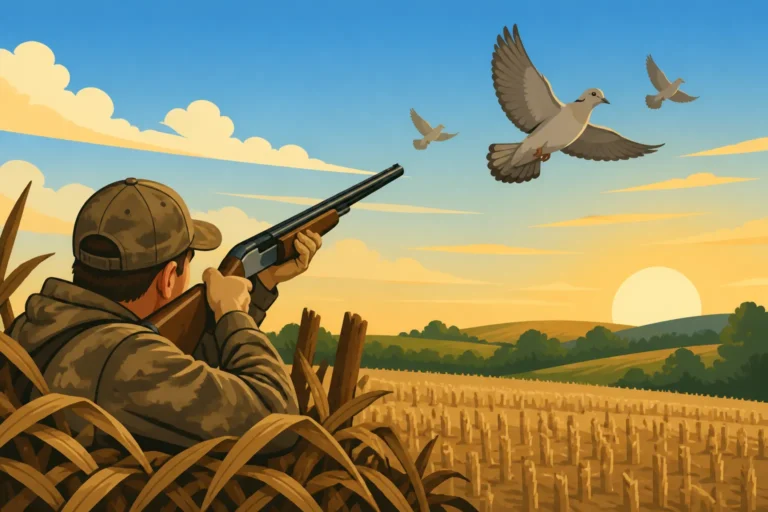
Dove hunting stands in stark contrast to the solitary, challenging pursuits of grouse or woodcock. It’s a fast-paced, social affair, often kicking off the entire hunting season in early September. Mourning doves are abundant in Kentucky and are classified as migratory game birds, meaning their seasons are set with federal input. They thrive in agricultural landscapes, feeding on various seeds, and are particularly attracted to cut grain fields—especially corn, wheat, or sunflowers.
A typical dove hunt involves sitting on a field edge, often with friends and family, waiting for doves to fly into or out of a feeding area. The shooting can be fast and furious, providing excellent wing-shooting practice. Decoys, especially spinning-wing models, can be incredibly effective at drawing birds closer. Camouflage is helpful, and a good dove stool or bucket makes for comfortable waiting. The key to a successful dove hunt is scouting fields before the season to identify active feeding areas. Understanding the dynamics of Dove Hunting a Cut Kentucky Field is crucial for success. It's an exciting, high-volume hunt that brings people together and sets the tone for the hunting season ahead.
Essential Gear and Tactics for Small Game
Success in small game hunting often boils down to preparation, the right gear, and understanding the nuances of each species' behavior. While high-tech gadgets have their place, the core essentials remain rooted in practicality and durability.
Footwear and Clothing for Kentucky Terrain
Kentucky’s varied terrain, from the rugged mountains of the east to the marshy bottomlands of the west, demands appropriate footwear. Sturdy, waterproof boots with good ankle support are non-negotiable. You’ll be walking through briars, mud, over uneven ground, and potentially through shallow creeks. Brands like Irish Setter, LaCrosse, or Schnee's offer excellent options that can withstand the rigors of Kentucky hunting. For many hunters, rubber boots are a preferred choice, especially for marshy or wet areas.
When it comes to clothing, layering is your best friend. Kentucky weather can be unpredictable, with temperatures swinging dramatically even within a single day. Start with a moisture-wicking base layer, add an insulating mid-layer (fleece or wool works great), and top it off with a durable, briar-resistant outer layer. For rabbit and grouse hunting, I can't stress enough the importance of Brush Pants for Kentucky Fencerows. They’ll save your legs from countless scratches and tears. Don't forget your hunter orange: Kentucky requires a minimum amount of blaze orange, often a solid cap and outer garment, especially when gun hunting during seasons that overlap with deer season. This is a critical safety measure.
Firearms and Ammunition Considerations
For small game, shotguns are king, though .22 rifles are excellent for squirrel. For shotguns, the 12-gauge is the most versatile, capable of handling everything from doves to pheasants. However, 20-gauge shotguns are increasingly popular, offering lighter weight and less recoil, which is particularly beneficial for younger hunters or those covering many miles. A 20-gauge is perfectly adequate for any small game in Kentucky. For specific recommendations, check out advice on the Best Shotgun Gauge for Kentucky Squirrel.
Choke tubes are another critical consideration. For close-range, fast-flushing birds like grouse or rabbits in thick cover, an open choke (like improved cylinder or skeet) provides a wider pattern, increasing your chances of a hit. For doves over open fields, a modified or even full choke might be preferred to extend your effective range.
Ammunition-wise, stick to smaller shot sizes:
- Doves: #7.5 or #8 lead shot.
- Squirrels: #6 or #7.5 lead shot (in a shotgun), or .22LR solid point in a rifle.
- Rabbits: #6 or #7.5 lead shot.
- Grouse/Woodcock/Snipe: #7.5 or #8 lead shot.
Remember, if you’re hunting waterfowl, even incidentally, non-toxic shot (steel, bismuth, tungsten alloy) is legally required.
Navigational Tools and Safety Gear
Even on familiar land, a reliable navigation system is crucial. GPS devices or robust smartphone apps like GoHunt, onX Hunt, or the KDFWR's Kentucky Hunt Fish App are invaluable. They allow you to mark parking spots, track your route, identify property lines (especially helpful when Finding Kentucky Property Lines to avoid trespassing), and locate public land boundaries. Don’t rely solely on cell service; download offline maps before you head out. A compass and physical map are excellent backups.
Safety should always be your top priority. In addition to hunter orange, carry a small first-aid kit for minor cuts, scrapes, or briar punctures. A whistle can be invaluable for signaling if you get disoriented or need help. Inform someone of your hunting plans—where you’re going and when you expect to return. And always, always follow the four fundamental rules of firearm safety: treat every firearm as if it’s loaded, always point the muzzle in a safe direction, be sure of your target and what’s beyond it, and keep your finger off the trigger until you’re ready to shoot. Being prepared not only increases your safety but also your confidence and enjoyment in the field.
Finding Public Land and Gaining Access
One of the biggest hurdles for small game hunters, especially as private lands become more restricted, is simply finding a place to hunt. Luckily, Kentucky offers a mix of public lands and opportunities to access private ground if you know how to look.
Utilizing Kentucky Wildlife Management Areas (WMAs)
Kentucky boasts numerous Wildlife Management Areas (WMAs) managed by the KDFWR, offering excellent public hunting opportunities. These areas are specifically managed for wildlife and provide a diverse range of habitats suitable for various small game. From the dense cover for rabbits and grouse to open fields for doves and timber for squirrels, WMAs are a fantastic resource.
The key to successfully hunting WMAs is research. The KDFWR website and the Kentucky Hunt Fish App are indispensable tools for this. They provide maps, details on specific WMA regulations (which can sometimes differ from statewide rules), and information on habitat types. Some WMAs, particularly those in Western Kentucky, might feature agricultural plantings that are magnets for dove and rabbits. Others, like those in the eastern mountains, offer more rugged terrain suitable for grouse and squirrels. Always check the specific regulations for any WMA you plan to hunt, as some may have special seasons or restrictions. Getting familiar with Scouting With the Kentucky Hunt Fish App before you go can save you a lot of time and boost your chances of finding productive areas.
Daniel Boone National Forest Opportunities
For those seeking a truly wild experience, the Daniel Boone National Forest (DBNF) offers over 700,000 acres of public land stretching across Eastern Kentucky. While known for its deer and elk, the DBNF also provides significant small game hunting opportunities, particularly for squirrels and, in limited areas, ruffed grouse. The vastness of the forest means less hunting pressure in some areas, but it also requires more effort to scout and access.
You'll find miles of mature hardwood forests, which are ideal for squirrel hunting. Focus on oak and hickory ridges, and don't be afraid to hike deep into the forest to find less pressured spots. For grouse, look for the rare pockets of young, regenerating forest—often found in old timber cuts or areas impacted by storms. These are dwindling, but still exist. Remember, regulations for the DBNF generally follow statewide rules, but always double-check. The sheer scale of the DBNF can be intimidating, but with good maps (like those available through GoHunt) and a willingness to explore, it can be incredibly rewarding.
Securing Private Land Permission
In a state like Kentucky, where much of the land is privately owned, gaining permission to hunt private property can unlock some of the best small game opportunities, particularly for rabbits and doves. Farmers and landowners are often more receptive to small game hunters than deer hunters, especially if rabbits or squirrels are causing minor nuisance or damage.
The process of Asking a Kentucky Farmer for Permission requires respect, politeness, and persistence. Start by introducing yourself, explaining your intentions (e.g., "I'd love to hunt rabbits on your property, if you'd allow it"), and offering to share some of your harvest. Be clear about your hunting methods (e.g., "I'll be using a shotgun, and I have a hunting license"). Offer to help with chores or farm work in exchange for access. Showing respect for their property, closing gates, not leaving trash, and being mindful of livestock are paramount. Always get explicit permission, and ideally, a contact number for quick communication. A good relationship with a landowner can provide years of fantastic hunting.
Understanding Kentucky Trespass Laws
Knowing Kentucky’s trespass laws is critical for any hunter, whether you’re on public or private land. In Kentucky, it is illegal to hunt on private land without the landowner's permission. "No Trespassing" signs or purple paint on trees clearly indicate restricted access, but even without these, you need permission. This isn't just a legal formality; it's a matter of ethics and respect.
If you accidentally retrieve game from private land, or if wounded game crosses onto private land, you still need to seek permission from the landowner before entering. Trespassing can result in fines, loss of hunting privileges, and damage to the public image of hunters. Always know where you are, use your mapping tools to identify property boundaries, and if in doubt, err on the side of caution and stay off. Understanding and adhering to these laws protects both your hunting privileges and the access opportunities for all hunters in Kentucky.
Conservation and the Future of Small Game
The future of small game hunting in Kentucky hinges on proactive conservation efforts, robust habitat management, and the dedicated involvement of hunters themselves. It’s a challenge, but one with committed individuals and organizations working hard to make a difference.
Habitat Restoration Efforts
The primary driver behind the decline of many small game species, particularly ruffed grouse and bobwhite quail, is habitat loss and degradation. Consequently, significant conservation efforts in Kentucky are focused on habitat restoration. The KDFWR, often in partnership with organizations like the National Wild Turkey Federation (NWTF), Ruffed Grouse Society, and Quail Forever, is implementing programs aimed at creating and maintaining early successional habitat.
This involves selective timber harvesting, prescribed burning, and planting native warm-season grasses and other beneficial vegetation on public lands. These practices mimic natural disturbances that historically created the dense, young cover that small game needs. For example, projects in the Daniel Boone National Forest are strategically creating patch cuts and managing timber to encourage grouse habitat. On WMAs, fields might be rotated into warm-season grasses to provide nesting and brooding cover for quail and rabbits. These efforts are long-term investments, and their success depends on continued funding and public support.
The Hunter's Role in Conservation
Hunters are, and always have been, the original conservationists. Your purchase of hunting licenses, permits, and equipment (through excise taxes from the Pittman-Robertson Act) provides the vast majority of funding for wildlife management and habitat restoration in Kentucky. Without hunters, these crucial conservation programs would simply not exist.
Beyond financial contributions, hunters play a vital role through active participation. This could involve volunteering for habitat improvement projects on WMAs, advocating for sound wildlife management policies, or simply serving as eyes and ears on the ground, reporting observations of wildlife populations or habitat changes to the KDFWR. Ethical hunting practices, such as adhering to bag limits and respecting game, are also crucial. By being responsible stewards of the land and its wildlife, hunters ensure the health of populations for future generations.
Mentoring and Recruitment
One of the greatest challenges facing small game hunting, and hunting in general, is declining participation. As fewer people grow up with hunting traditions, the pool of conservation-minded individuals shrinks. This makes mentoring new hunters, especially youth, absolutely critical. Small game hunting, with its often less demanding physical requirements and more frequent action (especially for squirrels), is an ideal entry point for beginners.
Taking a new hunter out for their first squirrel or rabbit hunt provides invaluable lessons in firearm safety, woodsmanship, wildlife identification, and ethical behavior. It's about more than just harvesting game; it's about sharing experiences, forging connections with nature, and instilling a love for the outdoors. Organizations like KDFWR offer hunter education courses and apprentice hunting licenses to make it easier for newcomers to get started. By actively inviting friends, family, or young people to join you in the field, you're not just creating memories; you're investing in the future of small game hunting and conservation in Kentucky.
Small Game Season & Bag Limit Overview
While specific dates can vary annually, this table provides a general overview of common small game seasons and typical bag limits in Kentucky. Always consult the official KDFWR guide for current regulations.
| Species | Typical Season Dates (General) | Daily Bag Limit | Key Habitat | Common Method |
|---|---|---|---|---|
| Squirrel | Mid-August – Late February | 6 | Hardwood forests (oak, hickory, beech) | Still-hunting, Dogs, Stalking |
| Rabbit | Mid-November – Late February | 4 | Fencerows, briar patches, brushy fields | Dogs (Beagles), Jump-shooting |
| Grouse | Mid-November – Late February | 2 (often 1 or 0) | Young, regenerating forests, dense thickets | Dogs (Pointers/Setters), Still-hunting |
| Quail | Mid-November – Late February | 4 | Native grass fields, brushy edges, open woods | Dogs (Pointers), Covey flushing |
| Woodcock | Late October – Mid-November | 3 | Moist, young woodlands, alder bottoms | Dogs (Pointers/Setters), Still-hunting |
| Snipe | Early September – Late November | 8 | Wet meadows, marshes, flooded fields | Jump-shooting |
| Dove | Early September – Mid-October | 15 | Cut grain fields (corn, wheat, sunflower) | Decoys, Field edge sitting |
Disclaimer
Please note: Hunting regulations and seasons are subject to change. Always consult the official Kentucky Department of Fish and Wildlife Resources (KDFWR) website or current hunting guide before planning your hunt to ensure you have the most up-to-date information on licenses, permits, season dates, bag limits, and specific WMA rules. This guide provides general information and should not be used as the sole source for legal or safety guidance.