Bowfishing Kentucky Rivers in the Off-Season
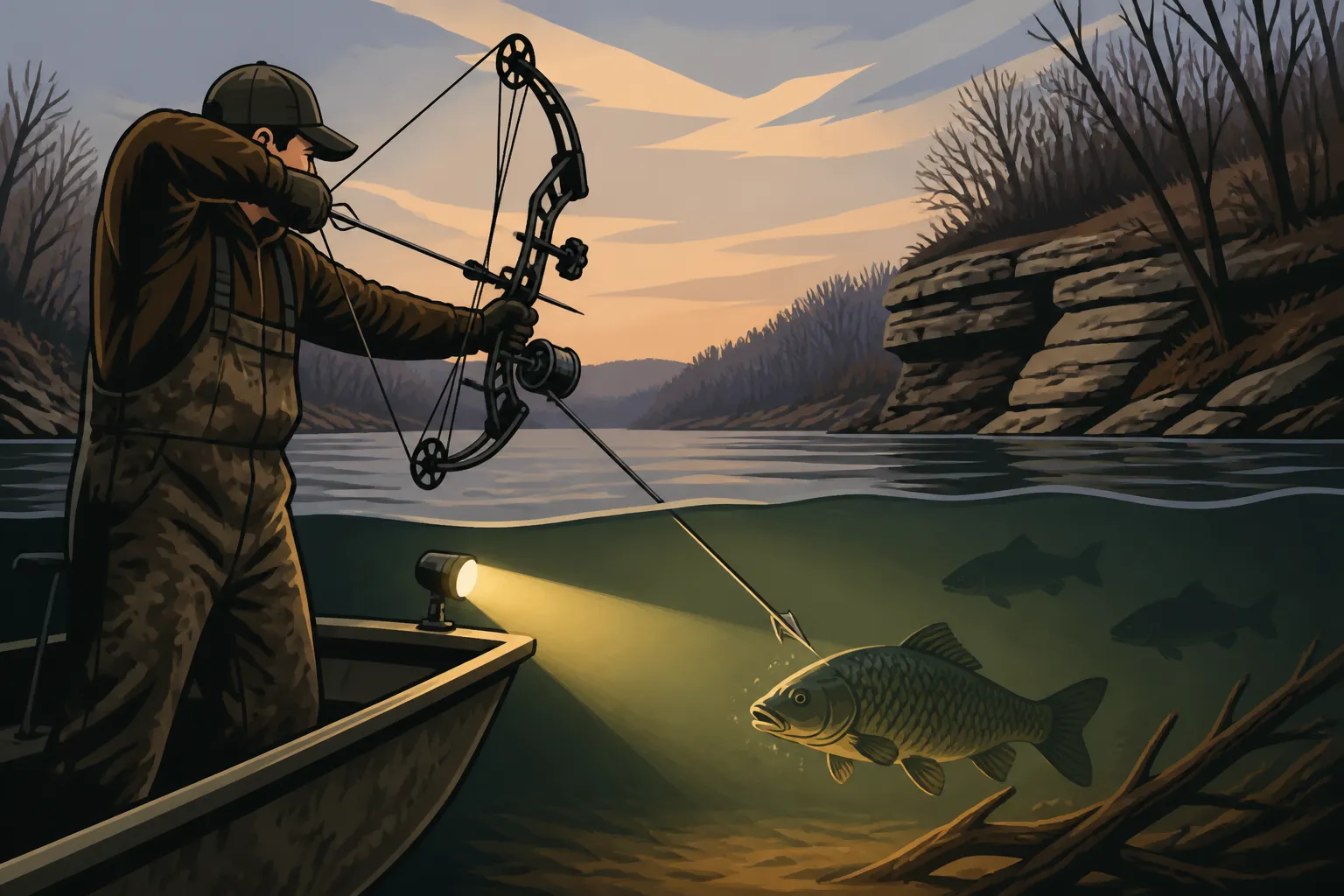
When deer season closes, turkey tags are filled, and the quiet of the off-season settles over Kentucky, many of us hunters feel a familiar ache – the yearning to be out there, bow in hand, pursuing something. The long months between spring gobblers and fall whitetails can drag, leaving you feeling restless and out of practice. That's where bowfishing Kentucky rivers comes in, offering an exhilarating, action-packed way to stay sharp, enjoy the water, and fill your freezer with some surprising protein.
Why Bowfishing is the Perfect Off-Season Pursuit in Kentucky
That feeling of stagnation during the warmer months, when the woods seem to hold little in terms of legal hunting opportunities, is something every dedicated Kentucky hunter knows well. You clean your gear, organize your arrows, and then… wait. But what if you didn't have to wait? Bowfishing bridges that gap perfectly, offering a unique blend of hunting skill and angling excitement that keeps you engaged year-round. It's not just a way to pass the time; it's a chance to hone your instincts and appreciate Kentucky's waterways from a whole new perspective.
Breaking the Cabin Fever Cycle
Let's be honest, we all get a little stir-crazy when we can't be in the field. That intense focus you develop during deer season, the patience of waiting for a gobbler, or the constant scouting for new sign – it doesn't just switch off. Bowfishing provides a fantastic outlet for that pent-up energy and hunting drive. Instead of being cooped up, you're out on the water, often at night, under the stars, or during the heat of the day, actively searching for your quarry. It’s a completely different environment from the deep woods, but the thrill of the hunt is undeniably the same.
You’re constantly moving, scanning the water, and reacting quickly, which is a far cry from a sedentary tree stand sit. This active approach can be incredibly refreshing, especially if you're used to still-hunting Eastern Kentucky ridges or sitting patiently for hours. The change of scenery, from dense timber to open water, also helps break up the monotony. Plus, the social aspect can be a huge bonus; many bowfishermen head out with friends or family, making it a great way to introduce others to a unique outdoor activity without the often-strict silence required for traditional hunting.
Target Practice with a Purpose
How many of us spend hours flinging arrows into a foam block in the backyard, trying to maintain that muscle memory and accuracy? Bowfishing takes that practice range experience and makes it real. Every shot counts, and every fish is a moving target, often obscured by water and light refraction – talk about a challenge! It forces you to make quick, precise shots under pressure, which directly translates to improved performance when deer season rolls back around. Imagine being able to fine-tune your aim, follow-through, and shot placement on dozens of live targets throughout the summer.
This isn't just about hitting a stationary bullseye. Bowfishing demands that you learn to "aim low" to account for refraction, anticipate fish movement, and quickly re-draw for follow-up shots if needed. It's dynamic, engaging, and provides instant feedback on your shooting form. You're not just practicing; you're hunting. For those who meticulously manage their gear, like using an app such as GoHunt to track their hunting history and scouting notes, bowfishing can even be another data point for honing your overall outdoor skills. The muscle groups used are similar to regular archery, meaning you’re building strength and endurance while having a blast.
Essential Gear for Kentucky Bowfishing Success
Just like any other specialized hunting or fishing method, bowfishing requires a specific setup to maximize your chances and ensure a smooth, safe experience. You can't just grab your deer bow and a regular fishing reel and expect success. The gear is designed to withstand the unique rigors of water, constant shooting, and fighting powerful, sometimes enormous, fish.
Bow and Reel Combinations
When it comes to the bow itself, you have a few options. Many bowfishing enthusiasts use a dedicated bowfishing rig, often an older compound bow set at a lower draw weight (around 30-50 pounds is common) for easier, quicker shooting. Recurve bows are also very popular for their simplicity and fast follow-up shots. The key is durability and ease of use, as you'll be shooting a lot and often in wet, sometimes muddy, conditions. Forget about precision sights; most bowfishermen shoot instinctively, relying on feel and practice.
The reel is arguably the most critical component. Unlike a traditional spinning reel, bowfishing reels are designed to release line freely and quickly without snagging when an arrow is shot. There are three main types:
- Bottle Reels: These are simple, robust spools attached directly to the bow, often manually pulled by hand before the shot. They are highly reliable but require more manual management of the line.
- Spincast Reels: These are modified fishing reels with a larger opening and heavier line, allowing for faster, smoother deployment of the bowfishing arrow. Brands like Cajun Bowfishing and AMS Bowfishing offer excellent spincast options built specifically for this purpose.
- Retriever Reels: These are the most popular and user-friendly. They store the line inside a bottle-like container, and a lever allows for quick, automatic line release and retrieval. They are fast, reliable, and excellent for beginners and seasoned pros alike.
Make sure your bowfishing reel is spooled with heavy-duty bowfishing line, typically 200-pound test braided line, which can withstand the abrasion of submerged obstacles and the strong pulls of large fish. Attaching your reel directly to the bow's stabilizer bushing is standard practice.
Arrows and Points
Bowfishing arrows are distinctly different from hunting arrows. They are typically heavier, solid fiberglass or carbon-fiberglass composites, designed to penetrate water and fish flesh without bending or breaking. They usually lack fletching, as it's unnecessary underwater and would only create drag. A slide system is crucial for safety and functionality; this device attaches to your line and slides up the arrow shaft away from the bow on the shot, preventing the line from tangling in the bowstring, which could cause the arrow to snap back and injure the shooter. Never shoot a bowfishing arrow without a proper safety slide system.
The broadheads, or rather, points, are also unique. They are barbed to hold the fish securely once penetrated, but typically, the barbs can be reversed or deployed to allow for easy removal from the fish without tearing up the meat. Common types include:
- Grapple Points: These have two or more sharp, inward-facing barbs that open up once inside the fish, preventing it from slipping off.
- Retractable Barbs: These points feature barbs that lie flat during penetration and then deploy once through the fish, offering a clean entry and secure hold.
- Fixed Points: Simple, robust points with permanent barbs, often favored for their durability and ease of use, though removal can be trickier.
Brands like Muzzy Bowfishing and Innerloc make excellent bowfishing points. Having a variety on hand can be useful, depending on the species you're targeting and the water conditions.
Safety First: Lighting and Accessories
Bowfishing often happens at night, which means reliable lighting is paramount. A good bowfishing boat will have an array of powerful LED lights mounted to illuminate the water, allowing you to spot fish clearly. For shore-based or smaller boat operations, bright headlamps and handheld spotlights are essential. Ensure your lighting system is waterproof and robust enough to handle splashes and rough conditions.
Other important accessories include:
- Polarized Sunglasses: For daytime bowfishing, these help cut glare off the water, making fish easier to spot.
- Gloves: Protect your hands from the line, fish scales, and potential nicks from points.
- First-Aid Kit: Accidents happen, especially around sharp points and slippery conditions.
- A Good Cooler and Ice: Essential for keeping your harvest fresh, especially in the Kentucky summer heat.
- Knife/Pliers: For dispatching fish and removing arrows.
- Life Vest: Always wear one, especially if you're in a boat, and make sure everyone else does too. Safety on the water is non-negotiable, just as it is when hunting in any other capacity. It's a key part of the general Kentucky Hunter Education Requirements.
- Mapping Apps: Just like deer hunting, having a reliable mapping app like GoHunt can help you navigate rivers, mark hotspots, and even identify public access points and property boundaries, preventing accidental trespassing.
Top Kentucky Rivers and Hotspots for Bowfishing
Kentucky is blessed with an incredible network of rivers, lakes, and streams, many of which teem with common bowfishing species. While a detailed map would be impossible here, understanding the types of areas that hold fish will guide your off-season adventures. Remember to always check local regulations and access points before heading out.
The Ohio River and Its Tributaries
The mighty Ohio River is a fantastic resource for bowfishing. Its vast expanse means a huge variety of habitats, from shallow backwaters and flooded timber to deep channels. Common species like carp (common, grass, silver, bighead), buffalo, and gar are abundant here. The numerous tributaries flowing into the Ohio, such as the Kentucky River, Salt River, and Green River, also offer prime opportunities. These smaller rivers often have clearer, shallower sections where fish are easier to spot, especially during periods of lower water flow.
Focus on areas with structure: submerged logs, rock piles, weed beds, and shallow flats near deeper channels. The mouths of creeks where they meet the main river can be particularly productive, as fish often congregate there to feed or escape stronger currents. Consider putting in at public boat ramps in towns like Louisville, Owensboro, or Paducah, and explore the vast stretches of river from there. Remember, these large river systems can have strong currents and heavy boat traffic, so always prioritize safety.
Western Kentucky Lakes and River Systems
Western Kentucky is renowned for its massive impoundments, particularly Kentucky Lake and Lake Barkley. These lakes are interconnected by the Barkley Canal and are part of the Tennessee River and Cumberland River systems. While famous for bass and crappie, they are absolute bowfishing havens, especially in their shallow bays, coves, and backwater areas. When the water temperatures rise, carp and gar will often move into these warmer, shallower regions, making them prime targets.
The vastness of these lakes means endless possibilities. Look for flats with submerged vegetation, shallow points, and creek mouths. Early mornings and late evenings, or nighttime with strong lights, are often the most productive times. Beyond the "big two," other excellent western Kentucky options include Green River Lake, Barren River Lake, and Rough River Lake, all offering similar shallow-water potential. Access to these areas, just like for Hunting Land Between the Lakes Waterfowl, typically involves public boat ramps or designated access points.
Lesser-Known Gems and Backwaters
Don't overlook the smaller, often less-pressured waters. Many smaller creeks, oxbow lakes, and flooded fields (when conditions are right) can hold an incredible number of fish. These areas often require a smaller boat, kayak, or even wading, but the payoff can be huge. The quieter, less disturbed environment can make fish less wary. Places like the backwaters of the Mississippi River in far western Kentucky, or the slow-moving sections of the Tradewater River, can be absolute goldmines.
Sometimes, the best spots aren't on any map; they're found through exploring, talking to locals, and good old-fashioned scouting. Pay attention to water clarity, current, and the presence of aquatic vegetation. Even urban ponds and flooded retention basins can offer surprising opportunities, though always verify legal access and regulations. Just like when you're Scouting Kentucky Public Land Before Season, paying attention to subtle signs and putting in the footwork (or paddle-work) can reveal hidden treasures.
Mastering Kentucky Bowfishing Techniques and Targeting Species
Bowfishing isn't just about pointing and shooting; there's an art and a science to it, particularly when dealing with the optical illusions of water. Understanding how fish behave and how light interacts with water is crucial for consistent success.
Spotting and Stalking Fish in Shallow Water
Much like still-hunting for deer, bowfishing requires keen eyesight and stealth. During the day, polarized sunglasses are your best friend, cutting the glare and allowing you to see into the water. Look for movement, subtle wakes, fins breaking the surface, or even the shadows of fish on the bottom. Fish will often hold near structure or in areas where currents are weaker.
When you spot a fish, the stalk begins. Whether you're in a boat or wading, move slowly and deliberately. Avoid sudden movements or loud noises that could spook the fish. Many bowfishermen prefer to use an electric trolling motor for silent navigation in boats. If wading, shuffle your feet to avoid stirring up mud and be mindful of your shadow falling over the water. Once you're in range, take a moment to assess the fish's direction and speed before making your shot. For detailed scouting information, some advanced hunters even use mapping tools like GoHunt to mark specific shallow water areas that look promising, just like they would for game trails or bedding areas.
Dealing with Water Refraction
This is perhaps the biggest challenge for new bowfishermen. Water refraction makes fish appear shallower and closer than they actually are. If you aim directly at what you see, you'll almost always shoot over the fish. The general rule of thumb is to aim low. How low? That depends on the depth of the fish and your distance from it.
- Shallow Fish (a few inches deep): Aim just below the fish's belly.
- Deeper Fish (a foot or more): Aim significantly lower, sometimes even at the bottom beneath the fish.
- Farther Away: The effect of refraction is more pronounced, so you need to aim even lower.
It takes practice, but your brain will eventually start to make the adjustment instinctively. Think of it like learning to shoot a new caliber or figuring out the trajectory of your arrow for Bow Draw Weight for Kentucky Whitetails. Start by aiming low and adjusting based on where your arrows hit relative to the fish. Missing low is better than missing high, as a low shot might still graze the fish or impact the bottom, giving you a better read.
Common Bowfishing Species and Regulations
Kentucky's waters offer a variety of non-game and rough fish species that are legal for bowfishing. The most common targets include:
- Carp (Common, Grass, Silver, Bighead): These are by far the most popular targets. They can grow quite large, are abundant, and put up a good fight.
- Gar (Longnose, Spotted, Shortnose): Another exciting target, gars have tough scales, requiring a sharp point and good penetration. They often cruise near the surface.
- Buffalo (Smallmouth, Bigmouth, Black): Similar to carp in size and fight, these bottom-feeders are often found in similar habitats.
- Suckers: Smaller than carp or buffalo but abundant, especially in clearer streams.
- Drum (Freshwater): Also known as Gaspergoo, these fish are often found near river bottoms.
- Snapping Turtles: Yes, even these prehistoric creatures are fair game in many areas (with specific regulations for Kentucky Snapping Turtle Harvest Rules).
It is absolutely crucial to know your target species. While many species are legal to bowfish, others are not. Shooting a protected game fish by accident can lead to serious Kentucky Wildlife Violation Penalties. Always double-check the current Kentucky Department of Fish and Wildlife Resources (KDFWR) regulations before you head out.
Here's a quick reference table for common bowfishing species in Kentucky:
| Species | Average Size (lbs) | Habitat Preference | Best Time to Target | Notes |
|---|---|---|---|---|
| Common Carp | 5-20 | Shallow, muddy bottoms; vegetated areas | Day & Night | Abundant, strong fighter, good for beginners. |
| Grass Carp | 10-50+ | Heavy vegetation, shallow areas | Day | Invasive, often found grazing in dense weed beds. |
| Silver/Bighead Carp | 10-60+ | Open water, surface feeders, jump when startled | Day | Invasive, often seen jumping from boat noise. Difficult to target. |
| Longnose Gar | 5-20 | Slow-moving rivers, backwaters, often near surface | Day | Distinctive long snout, tough scales, good table fare. |
| Spotted/Shortnose Gar | 1-10 | Similar to Longnose, often in shallower water | Day | Smaller than Longnose, also tough scaled. |
| Buffalo (all types) | 10-40 | Deeper pools, mudflats, near structure | Day & Night | Strong fighters, similar to carp but generally deeper. |
| Freshwater Drum | 1-10 | River channels, rocky bottoms, sluggish currents | Day & Night | Easily confused with game fish, verify identification. |
| Snapping Turtle | 5-30+ | Muddy bottoms, dense vegetation, slow moving water | Day | Check specific regulations for harvest limits and legal methods. |
Understanding Kentucky's Bowfishing Regulations
Just like any hunting or fishing activity in the Commonwealth, bowfishing is subject to specific rules designed to manage resources and ensure safety. Ignorance of the law is never an excuse, so taking the time to understand the current KDFWR guidelines is essential.
Licenses and Permits You'll Need
To bowfish in Kentucky, you'll need the appropriate Kentucky Hunting Licenses and What They Cost. For Kentucky residents, this usually means a resident annual hunting license or a resident annual fishing license. Some people opt for the Sportsman's License, which bundles both. If you're coming from out of state, you'll need a Kentucky Nonresident Hunting License Options or a nonresident fishing license. There isn't a separate "bowfishing license" per se, but you'll generally need one of the core licenses that grants you the right to harvest aquatic species or use archery equipment.
It's always a good idea to check if the specific body of water you intend to fish has any additional requirements, such as a Kentucky WMA Permit Requirement if it's within a Wildlife Management Area, or special permits for federal lands like Land Between the Lakes. These smaller details can often be found on the KDFWR website or specific land management agency sites. Ensure you always have proof of your license readily available, whether it's a physical copy or stored on your phone.
Species-Specific Rules and Bag Limits
While most common bowfishing species like carp, gar, and buffalo are considered "rough fish" or "non-game fish" and often have no bag limits or size restrictions, there are exceptions. It's critical to positively identify your target before taking a shot. For instance, game fish like bass, crappie, and catfish are generally not legal to take with a bow and arrow, though regulations for certain species in specific waters can change.
Snapping turtles are a popular bowfishing target, but they do have specific harvest regulations, including daily limits and potentially size restrictions. You need to be aware of these. Additionally, certain invasive carp species (silver, bighead, grass) are highly encouraged targets due to their detrimental impact on native ecosystems, and the KDFWR actively promotes their removal. However, even with these, understanding how to differentiate them from native species is important. Always carry a current KDFWR fishing and hunting guide, or have the official app on your phone, to clarify any uncertainties while afield.
When and Where You Can Legally Bowfish
Unlike deer or turkey season, which have strict opening and closing dates, bowfishing for non-game species is often open year-round in Kentucky. However, there can be specific restrictions:
- Night Hunting/Fishing: Bowfishing at night is very popular, especially with illuminated boats. Ensure you understand any local rules regarding noise ordinances or light pollution, particularly near populated areas.
- Public vs. Private Land: Always have permission if you're bowfishing from private land, or accessing private land to reach public waters. Do You Need Written Permission in Kentucky? The answer is generally yes for private land access.
- Prohibited Areas: Some lakes or sections of rivers might have special regulations or be closed to bowfishing for various reasons, such as for fish spawning, public safety, or specific ecological management. Check signage at access points and on official KDFWR maps.
- Restricted Hours: While many areas allow 24-hour bowfishing, it's worth a quick check, just as you'd confirm Kentucky Public Land Hunting Hours for traditional hunting.
Staying informed is your best defense against potential issues. The KDFWR website is an invaluable resource for the most up-to-date regulations. Don't rely on word-of-mouth alone, as rules can and do change. A responsible bowfisherman is an informed bowfisherman, contributing to the positive image of all hunters and anglers in Kentucky.
Disclaimer
The information provided in this guide is for general informational purposes only and does not constitute legal advice. Hunting and fishing regulations in Kentucky are subject to change. Always consult the most current official regulations published by the Kentucky Department of Fish and Wildlife Resources (KDFWR) before engaging in any hunting or fishing activities. Ensure you possess all necessary licenses and permits and adhere to all safety guidelines.