Kentucky Wildlife Violation Penalties
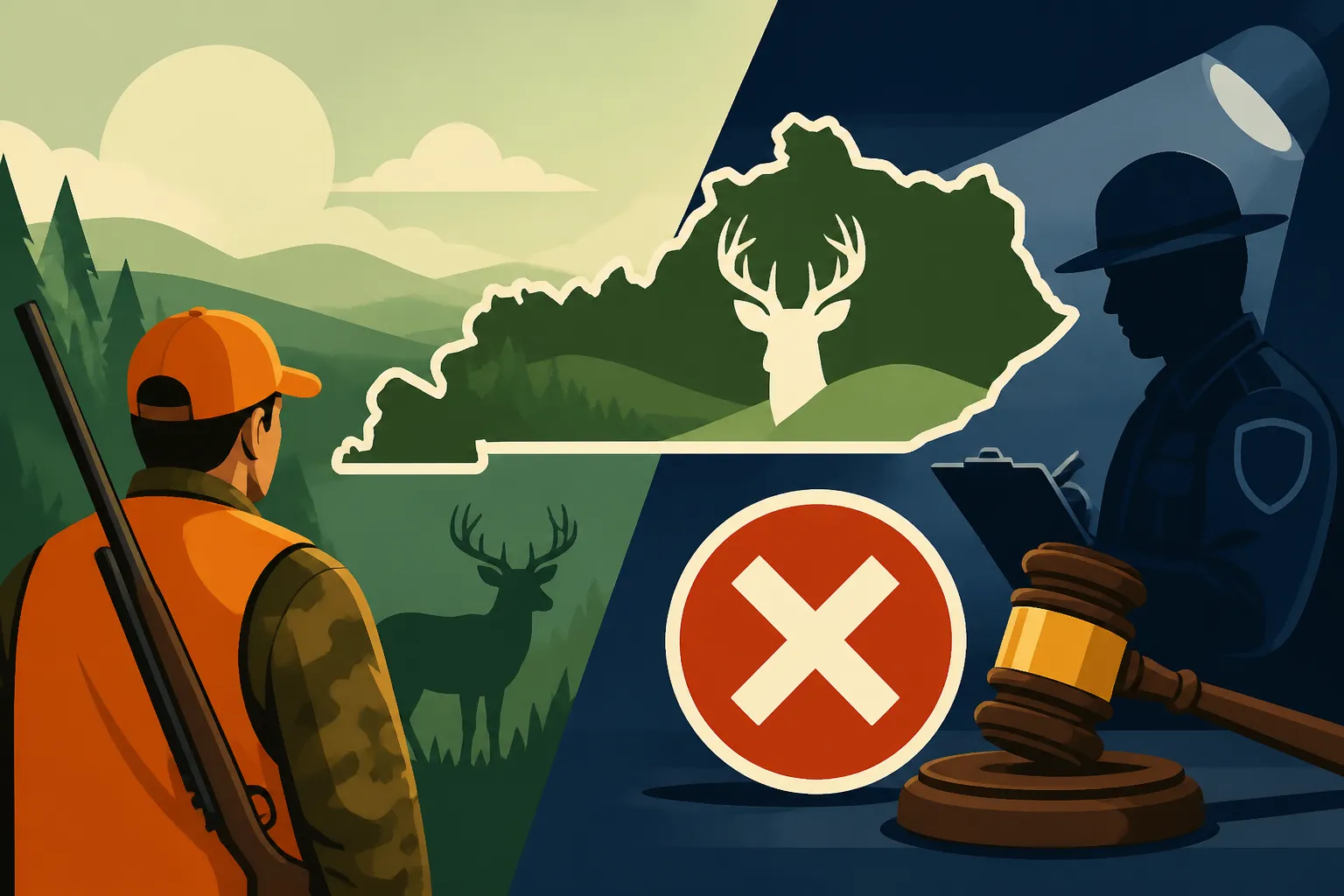
Many hunters have felt that knot of anxiety, wondering if they accidentally crossed a line or misunderstood a regulation. The sheer volume of Kentucky hunting rules, from season dates to bag limits, public land restrictions, and even the type of ammo you can use, can be overwhelming. Making an honest mistake, or worse, knowingly breaking a rule, can lead to serious consequences that go far beyond a slap on the wrist. This guide will walk you through the various Kentucky wildlife violation penalties you might face, helping you understand the stakes and how to avoid costly missteps.
The Weight of a Violation: Understanding the Stakes
It's easy to think of a hunting violation as just a minor inconvenience, but the truth is, the Kentucky Department of Fish and Wildlife Resources (KDFWR) takes these infractions very seriously. These aren't just arbitrary rules; they're in place to protect our wildlife populations, ensure fair chase, and keep everyone safe in the field. Ignoring them, whether intentionally or through negligence, can have a ripple effect that impacts conservation efforts for years to come.
More Than Just a Fine: Impact on Your Hunting Future
A wildlife violation isn't simply about paying a fine. It can touch every aspect of your hunting life, from your ability to purchase a license next year to your standing in the hunting community. For many of us, hunting is more than a hobby—it's a passion, a way of life, and a deeply ingrained tradition. Losing the privilege to hunt is a devastating thought, and that's precisely what's on the table for many violations. Imagine being told you can't join your buddies for a deer hunt this fall because of a mistake you made last season. That reality hits hard, impacting not just your personal pursuits but also the camaraderie and traditions you share with fellow hunters.
Beyond the immediate financial sting, the long-term consequences can be profoundly disheartening. You might feel a sense of shame or regret, knowing that your actions contributed to a negative perception of hunters. The KDFWR maintains detailed records of all violations, and repeat offenses can lead to increasingly severe penalties, including longer license revocations and even permanent bans. This history can also impact your ability to hunt in other states, as many jurisdictions share enforcement data.
Reciprocity Across State Lines
It’s also crucial to understand that Kentucky's penalties often don't stay within Kentucky's borders. Many states participate in interstate compacts, such as the Wildlife Violator Compact. This means if you lose your hunting privileges in Kentucky, there's a very real chance you'll lose them in dozens of other member states as well. So, that lapse in judgment here in the Bluegrass State could mean no deer hunting in Ohio, no elk hunting in Colorado, or no waterfowl season in Arkansas. It’s a sobering thought, especially for those of us who travel to hunt.
The Wildlife Violator Compact is a powerful tool for conservation agencies, ensuring that serious violators can't simply cross state lines to continue their illegal activities. If you receive a suspension in Kentucky, KDFWR will typically notify the compact, and your privileges in other member states will also be suspended. Always check the specific rules of any state you plan to hunt in, and understand that compliance in one state often affects your eligibility elsewhere. This network of enforcement serves as a strong deterrent and emphasizes the universal respect for wildlife laws among ethical hunters.
Common Violations and Their Associated Penalties
Kentucky's hunting regulations are extensive, covering everything from specific game seasons to equipment restrictions. While some violations are clearly illegal poaching, others might seem minor but still carry significant penalties. Understanding the most common pitfalls can help you steer clear of trouble and ensure you remain a responsible steward of our natural resources.
Deer and Turkey Hunting Infractions
Deer and turkey are our most popular game species here in Kentucky, and consequently, they account for a large number of violations. Think about issues like exceeding bag limits, hunting outside legal shooting hours, or harvesting a deer in a closed zone. For instance, if you harvest a second antlered deer when your county is a one-buck county, that's a clear violation. Or perhaps you're out, and you bag a turkey before the legal opening time. These aren't just minor missteps; they directly impact the sustainable management of these populations by disrupting KDFWR's carefully crafted management plans.
Penalties for deer and turkey infractions often include substantial fines, usually ranging from a few hundred dollars to over a thousand, depending on the severity and whether it’s a first offense. But it doesn't stop there. You could also face the forfeiture of the harvested animal, your weapon, and potentially your vehicle if it was used in the commission of a crime. On top of that, mandatory license revocation periods are common, sometimes lasting for several years. Imagine being sidelined for seasons because you couldn't resist the urge to take an extra bird, or because you didn't adequately verify legal shooting hours. To avoid such scenarios, I always make sure to know exactly how many deer your zone allows. Using an app like GoHunt to scout areas and review regulations on the go can be a lifesaver, especially when you're deep in the woods and need to confirm a rule about a specific WMA or property boundary.
Licensing, Tagging, and Reporting Lapses
One of the easiest ways to fall afoul of the law, often unintentionally, is through issues with your hunting license, permits, or harvest reporting. While these might seem like bureaucratic hurdles, they are fundamental to how KDFWR manages game populations. Every hunter's compliance helps maintain accurate data for conservation efforts, allowing biologists to make informed decisions about future seasons and bag limits.
Not having the proper license or tag with you while hunting can lead to fines, and harvesting an animal without purchasing the necessary permit is essentially poaching, even if you intend to buy it later. Failure to report a harvest within the specified timeframe (often immediately via Telecheck or within a certain number of hours) can also result in fines and, again, potential license suspension. This is particularly important with species like deer and turkey where timely reporting is critical for data collection and monitoring herd health. Many people rely on the KDFWR app or website for quick reporting. It’s not just a formality; it’s a vital part of responsible hunting and ensures that KDFWR has an accurate picture of harvest numbers. Be meticulous about these details; they’re often the "easy" violations that could have been avoided with a bit more attention to administrative tasks.
Public Land and Blaze Orange Rules
Hunting comes with its own set of rules, from vehicle restrictions to camping regulations, and specific safety requirements. Kentucky has some fantastic public land, like Land Between the Lakes, but it's not a free-for-all. Violations on public land can include everything from unauthorized trail camera placement to driving where you shouldn't, leaving trash behind, or damaging state property. These rules are there to protect the shared resource for everyone, ensure sustainable use, and maintain safety for all visitors, whether they're hunting, hiking, or wildlife viewing.
Not wearing the required blaze orange (or blaze pink) during firearm seasons is a serious safety violation that could lead to fines and even endanger others in the field. This rule is designed to make hunters visible to each other and prevent accidents. Similarly, trespassing onto private land, even if it's just to retrieve game you shot from public land, can lead to charges. When you're using digital mapping tools like GoHunt, make sure to layer in public and private land boundaries to avoid accidentally stepping over the line. Many of these apps also show WMA boundaries and any specific regulations tied to those areas. A little upfront research and careful navigation in the field can save you a lot of headache later and keep you compliant with all public land use regulations.
The Process: What Happens When You're Cited
Getting a citation for a wildlife violation can be a stressful and confusing experience, especially if you've never been through it before. Knowing what to expect can help you navigate the process more effectively, even if it's not a situation anyone wants to be in. Remaining calm and informed is crucial, even when your emotions are running high.
The Initial Encounter and Citation
Typically, a wildlife officer (Game Warden) will approach you, inform you of the alleged violation, and ask for your identification and hunting license. They might also ask questions about your hunting activity, the circumstances surrounding the alleged violation, and your knowledge of the regulations. While you should always be courteous and cooperative, remember that you have the right to remain silent regarding self-incriminating statements. The officer will then issue a citation, similar to a traffic ticket, detailing the offense, the date, time, and location. This citation will also include a court date and usually a list of potential penalties or instructions on how to pay a fine if it's a minor, payable offense.
It’s a good idea to clearly understand the specific details of the alleged offense and ask clarifying questions at the time, if appropriate and without being confrontational. Jot down notes as soon as you can, including the officer's name and badge number, what was said, and any other pertinent details about the scene or situation. This information can be incredibly helpful if you decide to contest the citation or consult with an attorney later. Do not argue or become confrontational with the officer; any disputes should be handled respectfully in a court of law with proper legal counsel. Remember, your demeanor during the initial encounter can sometimes influence the officer's decision-making, though it won't change the facts of a clear violation.
Navigating Court Appearances and Penalties
For most wildlife violations in Kentucky, you'll be required to appear in district court. Here, you'll enter a plea of guilty, not guilty, or no contest. If you plead guilty, the judge will typically impose the fine and any other penalties, such as license suspension, based on the KDFWR guidelines and state statutes. If you plead not guilty, a trial will be scheduled, giving you the opportunity to present your side of the story or challenge the evidence. This is where having legal representation can be incredibly beneficial. An attorney specializing in wildlife law can help you understand your rights, gather evidence, present your case effectively, and potentially negotiate a reduced penalty or even a dismissal, especially if there were technicalities or misunderstandings.
The fines for Kentucky wildlife violations can vary widely, from around $50 for minor infractions like not carrying your license to several thousand dollars for serious poaching offenses, particularly those involving high-value game or commercial intent. Jail time, though rare for first-time minor offenses, is a very real possibility for repeat offenders or egregious violations, especially those involving commercial poaching, wanton waste, or harm to endangered species. Additionally, court costs, processing fees, and sometimes even restitution for the value of the poached animal will be added to any imposed fines, further increasing the financial burden. These penalties are designed to deter future violations and reflect the serious nature of undermining wildlife conservation.
License Revocation and Restoration
Perhaps the most impactful penalty for a dedicated hunter is the loss of hunting privileges. License revocation periods can range from one year to a lifetime, depending on the severity and frequency of the violations. The KDFWR maintains a comprehensive database of all violators, and their system flags individuals with suspended privileges, making it impossible to legally purchase a new license during your suspension. Trying to purchase a license while suspended, or hunting without one, is another violation in itself, leading to even more severe penalties and extending the revocation period.
To restore your privileges after a suspension, you'll often need to pay additional reinstatement fees to the KDFWR. In some cases, particularly for more serious offenses or repeat violations, you might be required to retake a hunter education course to demonstrate your commitment to responsible hunting practices. It's a long road back, and it underscores the importance of understanding and following the rules from the outset. Don't take your hunting privileges for granted; they are indeed a privilege, not an inherent right, and they come with the responsibility of upholding the law and respecting our wildlife.
Proactive Steps to Ensure Compliance and Avoid Penalties
Nobody wants to face fines, lose their hunting privileges, or worse. The good news is that most violations are preventable with a little diligence and education. Being a responsible hunter means not just ethical conduct in the field, but also a thorough understanding of the regulations. Taking proactive steps can save you a world of trouble and ensure your hunting experiences remain positive and legal.
Staying Informed: Your Best Defense
The Kentucky Department of Fish and Wildlife Resources (KDFWR) updates its hunting and fishing guide annually. This guide is your bible. Don't just skim it; read it thoroughly, especially the sections pertaining to the species and areas you plan to hunt. Keep a digital or physical copy with you at all times in the field. Additionally, the KDFWR website is a treasure trove of information, including up-to-the-minute news, emergency season changes, and special regulations. If you're ever in doubt about a specific rule, err on the side of caution and look it up in your guide or call the KDFWR directly. It's far better to ask a "dumb" question than to face a smart penalty.
Beyond the official guide, consider using modern tools. Mapping apps, like GoHunt, often have state regulation overlays or specific notes related to WMAs or land designations. They can help you visualize property lines and special zones, which is crucial. Regularly checking these resources, even for seasons you think you know well, can catch subtle changes that might have slipped your radar. These digital aids, coupled with the official KDFWR sources, provide a comprehensive approach to staying informed.
Doubling Down on Due Diligence
Before every hunt, take a few moments to review the specific regulations for that day's quarry and location. Are you hunting in general statewide public land? What's the specific bag limit for the county you're in? What are the exact legal shooting hours? Confirming these details, even if you’ve hunted the same spot for years, can prevent a costly mistake. If you’re hunting a new area, particularly a WMA, check for any unique rules that might apply to that specific tract. For example, some WMAs might have different antler restrictions, access limitations, or special harvest reporting requirements.
Bringing a first-timer on a hunt? That's a fantastic experience, but it also adds another layer of responsibility. Make sure they understand not just the fundamental safety rules, but also the legal requirements and how to properly identify legal game. It's a perfect opportunity to instill ethical hunting practices and respect for the law from the very beginning. Remember, we are all ambassadors for hunting, and our adherence to regulations reflects on the entire community. Taking the time to scout an area thoroughly beforehand can also help you identify potential access issues or boundaries you need to be aware of during your hunt.
Table: Common Kentucky Hunting Violations and Potential Penalties (Examples)
| Violation Type | Example Offense | Typical Penalties (First Offense) | Long-Term Impact |
|---|---|---|---|
| Licensing/Permit | Hunting without a valid license or appropriate permit | Fine ($50-$500), court costs, potential license suspension (1-3 years) | Revocation of hunting privileges, entry into Wildlife Violator Compact |
| Bag Limit/Season | Harvesting over the legal bag limit for deer or turkey | Fine ($200-$1000+ per animal), court costs, forfeiture of game, license suspension (1-5 years) | Extended loss of hunting privileges, severe financial burden |
| Illegal Method/Weapon | Using an illegal firearm (e.g., non-compliant caliber) | Fine ($100-$500), court costs, forfeiture of weapon, license suspension (1-3 years) | Loss of equipment, potential for repeated offenses if not learned from |
| Illegal Hunting Hours | Hunting deer/turkey outside of legal shooting hours | Fine ($100-$500), court costs, potential forfeiture of game, license suspension (1-2 years) | Impacts credibility as a responsible hunter |
| Failure to Report Harvest | Not telechecking a harvested deer/turkey on time | Fine ($50-$250), court costs, potential minor license suspension (6 months-1 year) | Skews KDFWR data, could lead to more restrictive future seasons |
| Trespassing | Hunting or retrieving game on private land without permission | Fine ($100-$500), court costs, potential jail time, license suspension (1-3 years) | Damage to landowner relationships, legal record |
| Public Land Violation | Unauthorized vehicle use on WMA or national forest | Fine ($50-$250), court costs, potential temporary ban from public land | Limits access to public hunting grounds |
| Blaze Orange Violation | Failing to wear required blaze orange during gun season | Fine ($50-$250), court costs, emphasis on safety compliance | Endangers self and others, negative perception of hunting |
| Serious Poaching (e.g., night hunting, commercial) | Illegally harvesting multiple animals for profit | Significant fines ($1000s), mandatory jail time, lifetime license revocation, forfeiture of assets | Felony conviction, complete loss of hunting rights, public shaming |
Note: Penalties are illustrative and can vary based on specific circumstances, county, judge, and whether it's a first or repeat offense. Always consult the official Kentucky Department of Fish and Wildlife Resources regulations or legal counsel for precise information.
Disclaimer
Please remember that this article provides general information and insights into Kentucky wildlife violation penalties. Hunting regulations are complex and subject to change. Always consult the most current Kentucky Department of Fish and Wildlife Resources (KDFWR) official guides, publications, or contact KDFWR directly for the precise and up-to-date legal requirements and penalties. This content is not a substitute for legal advice.