What Happened at the Breckinridge Facility
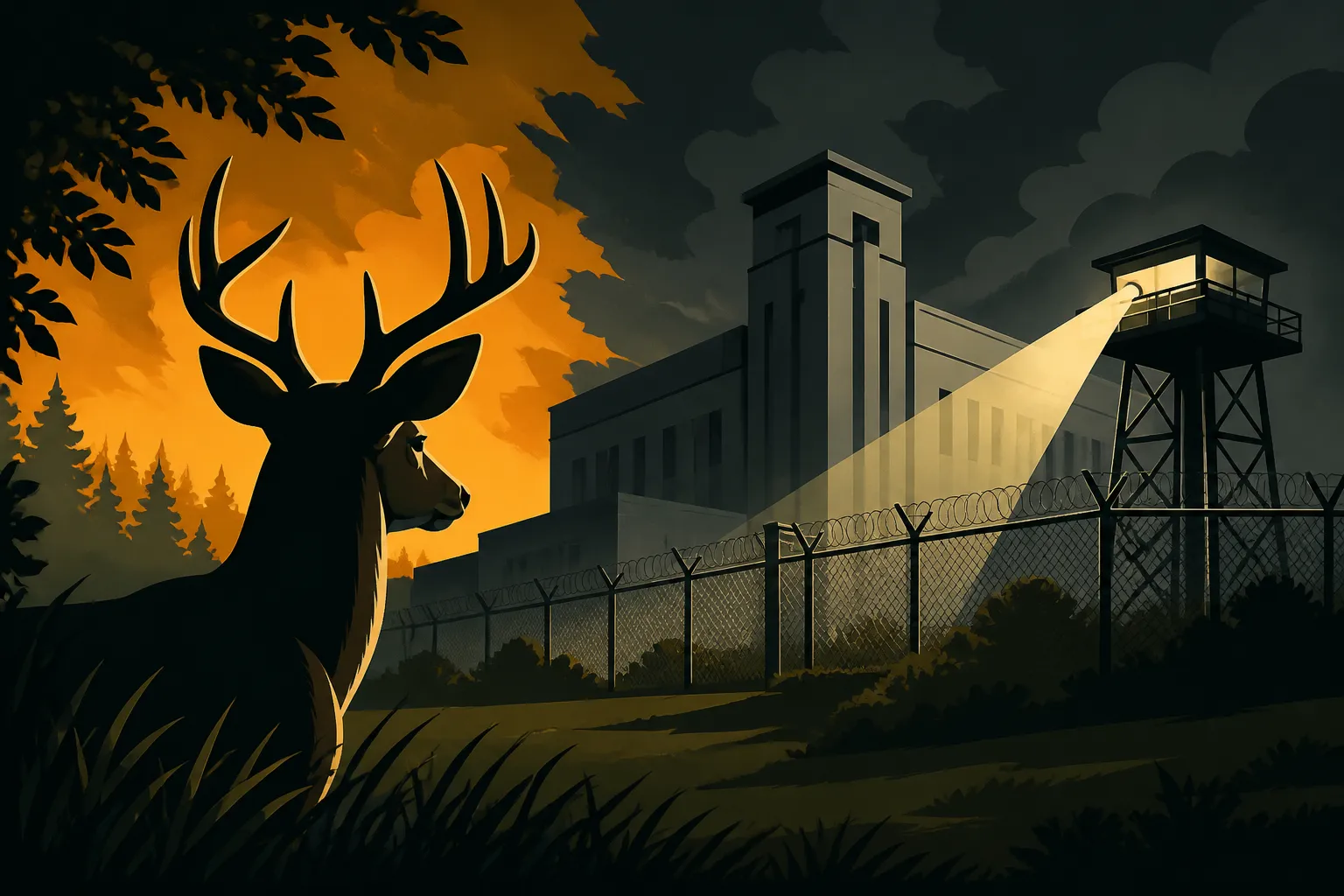
Hearing about disease outbreaks, especially when they involve captive deer facilities, can send a real shiver down a Kentucky hunter's spine. We invest so much time and passion into our deer, and the thought of something impacting the herd is deeply concerning. The situation at the Breckinridge facility certainly raised a lot of eyebrows and sparked critical conversations among hunters and wildlife managers alike. This guide will walk you through what exactly happened there, the state's response, and what it means for deer hunting in the Bluegrass State.
Understanding Kentucky's Captive Deer Industry
Before diving into the specifics of the Breckinridge incident, it's important to understand the landscape of captive cervid facilities in Kentucky. These operations, often referred to as deer farms or preserves, serve various purposes, from breeding superior genetics for other captive herds to providing specialized hunting experiences within a controlled environment. They are typically subject to stringent regulations designed to prevent disease transmission and ensure animal welfare, though the nature and enforcement of these regulations can vary.
The Purpose of Captive Cervid Facilities
Many captive cervid facilities in Kentucky focus on raising deer for breeding stock. They meticulously track genetics, aiming to produce animals with specific antler characteristics or other desirable traits that can then be sold to other facilities across the country. Some also operate as preserves where hunters can pursue deer in a managed, enclosed setting, often guaranteeing a harvest opportunity. These facilities often point to their role in economic development and providing alternative hunting experiences for those who might not have access to traditional free-range hunting opportunities. The business side of it is often robust, with significant investments in fencing, nutrition, and veterinary care.
Maintaining these herds also provides a unique opportunity for research into deer health, nutrition, and behavior that might not be as easily conducted in the wild. Breeders and managers often work closely with veterinarians and wildlife biologists to monitor herd health, administer vaccinations, and ensure compliance with state agricultural and wildlife regulations. This relationship is crucial, as the health of captive herds can sometimes have implications for the wild populations just beyond their fences. The hope, of course, is that these facilities act as a buffer and a safeguard, rather than a point of vulnerability, for the broader deer population.
Initial CWD Concerns and Kentucky's Proactive Stance
For years, Kentucky has prided itself on being a CWD-free state, a status that is hard-earned and fiercely protected. Chronic Wasting Disease is a devastating neurological disease that affects cervids, including deer, elk, and moose. It's always fatal and, critically, it's highly contagious and can persist in the environment for years. This persistent threat led Kentucky wildlife agencies to adopt a proactive and vigilant stance against the introduction and spread of the disease. They invested in extensive surveillance programs, testing thousands of harvested wild deer annually, and implemented strict rules for the importation of captive cervids from other states.
The concern was always that a CWD positive animal, either wild or captive, could cross state lines and introduce the disease to Kentucky's cherished deer herd. This proactive approach involved a combination of regulatory frameworks, educational outreach to hunters, and a robust testing infrastructure. Hunters were encouraged to report any deer exhibiting signs of illness, and the state conducted routine checks on captive facilities to ensure compliance with biosecurity protocols. The goal was to build a strong defensive line against a disease that has plagued many neighboring states, ensuring Kentucky remained a safe haven for healthy deer populations.
The CWD Incident at the Breckinridge Facility
Despite Kentucky's diligent efforts, the state's CWD-free status was ultimately challenged by an incident at a captive cervid facility in Breckinridge County. This event was a stark reminder of the persistent threat CWD poses and the critical importance of biosecurity in both wild and captive deer populations. The news sent ripples through the hunting community, prompting many to question how such an occurrence could happen given the state's protective measures.
Timeline of Discovery and Confirmation
The discovery of CWD at the Breckinridge facility unfolded over a period, beginning with routine surveillance and eventually leading to confirmation. When a deer within the facility exhibited signs consistent with a neurological disease or died under suspicious circumstances, it triggered established protocols. Samples from the animal were sent to a diagnostic lab for testing. The initial test results, which could have been presumptive or preliminary, immediately flagged the potential presence of CWD. This set in motion a series of confirmatory tests, often involving highly specialized laboratories, to definitively identify the disease.
Once CWD was confirmed, the implications were immediate and severe, not just for the facility itself, but for the surrounding landscape and Kentucky's overall CWD status. This wasn't merely a sick animal; it was a confirmed case of a highly transmissible and environmentally persistent disease within the state's borders. The confirmation marked a pivotal moment, shifting Kentucky from a CWD-free state to one actively managing a confirmed presence. It sparked intense scrutiny of all protocols and set off a chain reaction of responses from state agencies aimed at containment and mitigation.
The Immediate Impact and Facility Response
The immediate impact on the Breckinridge facility was devastating. Following the confirmed CWD positive test, the difficult decision was made to depopulate the entire captive herd. This measure, while extreme, is considered a critical step in CWD containment to prevent further spread of the infectious prions. Imagine the logistical and emotional toll of such an undertaking, involving the humane culling of every animal within the enclosure, followed by extensive cleaning and disinfection protocols. The facility essentially had to be stripped bare and decontaminated to try and remove any lingering prions from the environment.
Beyond the animals themselves, the incident triggered a cascade of investigations into the facility's operations, its animal acquisition history, and its biosecurity measures. Regulators scrutinized how the disease might have entered the herd, looking for any breaches in fencing, lapses in health checks for imported animals, or other potential vectors. This intensive review was not just about assigning blame, but about understanding weaknesses in the system to prevent future occurrences, both at this specific site and within the broader captive cervid industry in Kentucky. The event served as a somber educational moment for everyone involved in deer management.
State's Swift Response and Enhanced Protocols
The confirmation of CWD at the Breckinridge facility prompted an immediate and decisive response from Kentucky wildlife and agricultural agencies. This wasn't a time for hesitation; quick, coordinated action was deemed essential to contain the threat and protect the state's free-ranging deer population. The response involved a multi-faceted approach, combining regulatory changes, increased surveillance, and a strong push for hunter cooperation.
Expanding the CWD Surveillance Zone
One of the most significant and immediate actions taken was the establishment and expansion of a CWD Surveillance Zone around the Breckinridge County facility. This zone is a geographically defined area where heightened monitoring and specific regulations are enforced to assess the potential spread of the disease into wild deer. The boundaries of this zone were carefully determined based on scientific models of deer movement and potential disease transmission, aiming to encompass all areas at high risk. You can learn more about Kentucky's Chronic Wasting Disease Surveillance Zone and pinpoint Which Counties Sit in the CWD Surveillance Zone to see if your hunting grounds are affected.
Within this surveillance zone, hunters and landowners face new, mandatory requirements. The aim is to gather as much data as possible from harvested wild deer to determine if CWD has indeed jumped the fence. This means more rigorous testing and specific rules about how deer can be processed and transported. For anyone hunting within these counties, understanding these regulations is no longer optional; it's a critical part of ethical and responsible hunting. It's an inconvenience, certainly, but a necessary one to protect the overall health of Kentucky's deer.
Mandatory Testing and Carcass Restrictions
To support the expanded surveillance zone, mandatory CWD testing for harvested deer was implemented within the affected counties. Hunters are now required to submit lymph node samples from their deer for testing, often at designated drop-off locations or through cooperation with local taxidermists and meat processors. This ensures that a large sample size of wild deer is tested, providing a clearer picture of whether CWD is present in the free-ranging population and, if so, at what prevalence. Detailed information on these requirements can be found in resources like Mandatory Testing Inside Kentucky's CWD Zone and Kentucky CWD Testing for Hunters.
Furthermore, strict carcass movement restrictions were put into place. Hunters harvesting a deer within the CWD Surveillance Zone are often prohibited from transporting certain parts of the carcass, such as the brain and spinal cord, out of the zone. This is because these tissues are known to contain the highest concentration of CWD prions. The goal is to prevent inadvertent spread of the disease to unaffected areas of the state. For comprehensive guidelines on what parts of a deer can and cannot be moved, hunters should consult official resources on Kentucky Carcass Movement Restrictions. It's a significant change, but one that is absolutely vital for safeguarding the future of our deer herd.
Hunter Education and Awareness Initiatives
Beyond regulations, the Kentucky Department of Fish and Wildlife Resources (KDFWR) launched extensive hunter education and public awareness campaigns. Recognizing that hunters are on the front lines and are crucial partners in disease management, these initiatives aimed to inform and empower the hunting community. Workshops, informational pamphlets, online resources, and direct communication channels were utilized to explain CWD, its risks, and the new rules that hunters needed to follow.
The emphasis was on understanding the signs of CWD in deer, knowing how and where to submit samples, and adhering to carcass transportation rules. Hunters were encouraged to be vigilant, reporting any deer exhibiting unusual behavior or symptoms, even if they weren't planning to harvest the animal. This collaborative approach recognized that the success of CWD containment efforts relies heavily on the collective knowledge and cooperation of every individual who spends time in the woods. Platforms like GoHunt can be a fantastic resource for hunters looking to stay updated on the latest regulations and CWD advisories specific to their hunting areas, helping them remain compliant and informed.
Here's a quick overview of some of the key responses:
| Response Category | Specific Actions | Primary Goal | Impact on Hunters in CWD Zone |
|---|---|---|---|
| Zone Establishment | Creation/Expansion of CWD Surveillance Zone | Isolate potential spread, define high-risk areas | Defines where new rules apply |
| Testing Protocols | Mandatory CWD testing for harvested deer | Assess disease prevalence in wild deer | Required sample submission at designated sites, or through participating processors/taxidermists |
| Movement Restrictions | Regulations on transporting deer carcasses out of the CWD Zone | Prevent spread of prions to unaffected areas | Limits what parts of a deer can leave the zone |
| Public Education | Information campaigns, hunter workshops, online resources | Inform hunters, foster cooperation | Increased awareness, understanding of new responsibilities |
| Biosecurity Review | Audits of captive cervid facilities, strengthening of import regulations | Prevent future introductions, improve industry standards | Indirectly protects wild herd health, may influence future facility operations |
Long-Term Outlook for Kentucky Hunters
The CWD incident at the Breckinridge facility has undoubtedly left a lasting mark on Kentucky's hunting landscape. While it's a challenging situation, it also highlights the resilience of both our wildlife and the hunting community. Moving forward, hunters will play an even more critical role in managing and mitigating the risks associated with CWD, ensuring that our rich hunting traditions can continue for generations to come.
Continued Vigilance and Scouting
One of the most significant takeaways for Kentucky hunters is the ongoing need for vigilance. This isn't a problem that will simply disappear; it requires sustained attention. When you're out Scouting Kentucky Public Land Before Season, you're not just looking for deer sign anymore; you're also keeping an eye out for any deer that appear sickly or behave abnormally. Reporting such observations to the KDFWR is a crucial public service. It helps wildlife biologists track potential cases and respond quickly.
Staying informed about CWD developments, whether through official state channels or reliable hunting resources, is paramount. Many hunters use apps like GoHunt to stay on top of regulations, map property lines, and understand the lay of the land, which can be particularly useful in areas with specific CWD protocols. Knowing your hunting area's designation and the rules that apply to it is the first step in being a responsible hunter in the age of CWD. This proactive approach ensures that every hunter becomes an active participant in protecting Kentucky's deer.
The Future of Deer Management
The incident has certainly spurred deeper conversations about the future of deer management in Kentucky. It has underscored the delicate balance between managing wild populations and regulating captive cervid operations. Expect to see continued emphasis on robust CWD surveillance efforts, not just in the initial surveillance zone, but potentially statewide. This means ongoing testing of harvested deer, especially in counties bordering affected areas, and a continued focus on understanding deer movement patterns.
Furthermore, there will likely be ongoing discussions about how to best manage Kentucky Deer Population Estimate in the context of disease. High deer densities can sometimes accelerate disease transmission, so management strategies might evolve to incorporate CWD considerations more prominently. The KDFWR will continue to work closely with scientific experts, hunters, and landowners to develop strategies that are both effective in disease mitigation and sustainable for the deer herd. The goal remains to preserve a healthy and huntable deer population across the entire state.
Adapting Hunting Practices and Responsible Stewardship
For hunters, adapting to the new reality means incorporating CWD prevention and compliance into their regular hunting practices. This includes familiarizing yourself with Kentucky Deer Management Zone Rules and understanding the specific bag limits and antlerless deer opportunities in your area, as these can be influenced by CWD concerns. Always check the latest regulations before you head afield, especially if you're traveling to a new county or hunting near the expanded surveillance zone.
Responsible carcass handling is another critical aspect. Whether it's adhering to carcass movement restrictions or properly disposing of remains, every hunter has a role in preventing the spread of CWD prions. Learning to field dress your deer efficiently and potentially using a game processor within the surveillance zone if you harvest a deer there are excellent practices. Additionally, promptly reporting your harvest through Kentucky Deer Harvest Reporting Rules remains essential, as this data is crucial for wildlife managers tracking deer populations and health trends. Your individual actions, combined with the collective efforts of the hunting community, are vital for ensuring the long-term health and vitality of Kentucky's deer and the continuation of our cherished hunting heritage.
Disclaimer
This article is for general informational purposes only and does not constitute professional advice. Laws, prices and regulations vary by location and change over time. Consult a qualified professional for guidance on your specific situation.