Donating Venison in Kentucky
For many Kentucky hunters, the freezer is already full to bursting, or perhaps you've been fortunate enough to harvest more deer than your family can realistically consume. It's a great problem to have, but it can also lead to wasted meat if you don't have a plan. This guide is here to walk you through the incredibly rewarding process of donating venison in Kentucky, ensuring that your harvest goes to good use, helping feed those in need across the Commonwealth.
Why Donating Venison Matters So Much
Let's be honest, hunting is about more than just filling your own freezer. It’s a primal act, a connection to the land, and for many, a way to provide for their family. But what happens when you’ve got more than you need, or you simply want to extend that spirit of provision to your wider community? That's where venison donation comes in. It’s a direct, tangible way to combat food insecurity right here in Kentucky, turning your successful hunt into a meal for a struggling family.
Imagine the impact: a family that might otherwise go without high-quality protein can enjoy a nutritious meal, all thanks to the venison you harvested. This isn’t just about charity; it’s about a hunter’s ethic extending beyond the woods, a responsibility to utilize a natural resource fully and for the greater good. It aligns perfectly with the conservation values many of us hold dear, ensuring no part of a sustainable harvest goes to waste.
Beyond the immediate impact on hunger, donating venison also helps reinforce a positive image of hunting. In a world where hunting is sometimes misunderstood, demonstrating this profound act of giving back to the community can show non-hunters the incredible generosity and ethical framework that often drives us afield. It’s a powerful statement about hunters being part of the solution, actively contributing to the well-being of their neighbors.
Navigating Kentucky's Venison Donation Programs
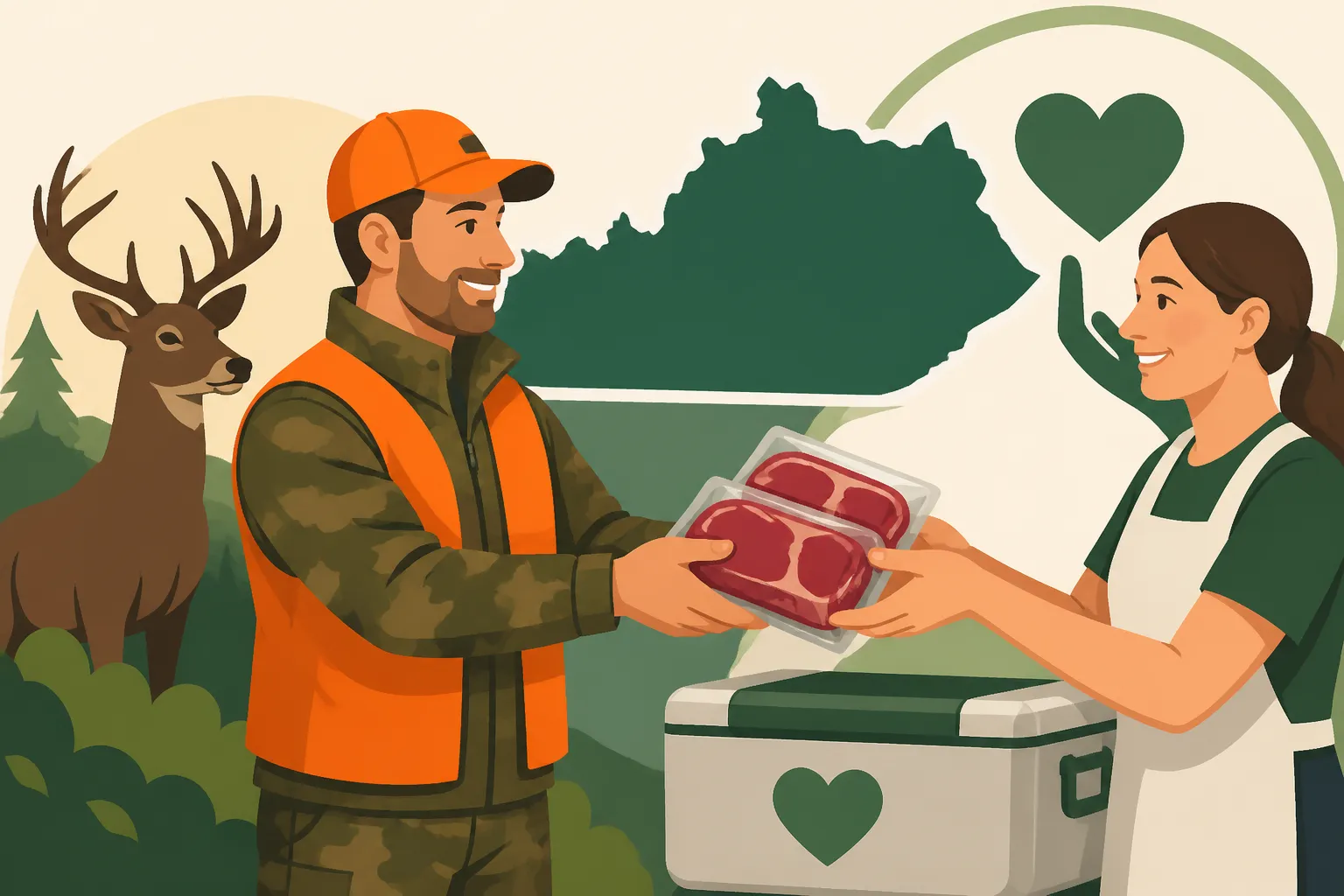
When it comes to donating venison in Kentucky, the primary program you'll hear about, and for good reason, is Kentucky Hunters for the Hungry (KHFH). This organization acts as the crucial link between generous hunters and hungry families. They partner with deer processors across the state who are willing to accept donated deer, process the meat, and then distribute it to food banks, soup kitchens, and other charitable feeding organizations. It's a streamlined system, built by hunters for the community, and it works remarkably well.
Finding a participating processor is usually the first step, and KHFH makes this relatively easy. They maintain a list of certified processors on their website, often organized by region, so you can locate the nearest facility that accepts donations. This list is updated regularly, so it’s always a good idea to check before you head out for your hunt, just in case there have been any changes or new processors have joined the program. Some processors might charge a small fee to the hunter to cover processing costs, while others might have those costs covered through KHFH's fundraising efforts. It varies, so confirm this detail when you call.
While KHFH is the main player, some smaller, local initiatives or individual food pantries might also accept venison donations directly. However, these are less common, and you'd need to verify their specific requirements regarding meat processing, food safety, and storage capabilities. Stick with KHFH-affiliated processors to ensure your donation is handled correctly and reaches those who need it most, following all necessary health and safety protocols. As you prepare for your hunt, you can use resources like GoHunt to scout potential hunting areas, which might also help you locate processors nearby for planning purposes. Knowing where you might take a deer after the shot, whether for personal consumption or donation, is part of being a prepared hunter.
Understanding Regulations and Requirements
Donating venison isn't just about dropping off a deer; there are some important regulatory steps to ensure everything is above board. First and foremost, any deer you donate must be legally harvested and properly Telechecking a Kentucky Deer Harvest. This means you've tagged the animal according to the rules for your specific Kentucky Deer Management Zone Rules and reported it through the Telecheck system within the required timeframe. Proof of legal harvest, such as your Telecheck confirmation number, will be needed by the processor.
It's also crucial to be aware of Kentucky's Chronic Wasting Disease (CWD) Surveillance Zone. If you harvest a deer in one of the counties designated within the Kentucky's Chronic Wasting Disease Surveillance Zone, there might be mandatory CWD testing requirements before the meat can be processed or distributed, especially for donation. Processors in these zones are typically well-versed in these rules, but it’s always wise for you as the hunter to understand them. A positive CWD test would, unfortunately, render the meat unsuitable for consumption or donation, a rare but important consideration.
Finally, proper field care of the animal is paramount. A processor will only accept venison that is clean, well-cared for, and free from excessive damage or spoilage. This means promptly Field Dressing a Deer in Cold Weather (or warm weather, paying extra attention to cooling), getting it cooled down quickly, and transporting it cleanly. The quality of the donated meat directly reflects the care you put in after the shot. No one wants to receive questionable meat, so treat it with the same respect you would for your own family's table.
The Venison Donation Process: Step by Step
Alright, you've decided to donate. You've had a successful hunt, your deer is down, and you're ready to make a real difference. What happens next? The process is relatively straightforward, but having a clear understanding of each step will make it smoother for you and the processor.
Step 1: Confirm with a Participating Processor
Even if you checked the KHFH website before your hunt, it's always a good idea to call the specific processor after you've harvested the deer. Confirm they are still accepting donations, inquire about their hours, and ask if there are any specific drop-off instructions or fees you should be aware of. Some processors might have limited capacity, especially during the peak of Kentucky's Statewide Modern Gun Season or Bowhunting Kentucky's Long Archery Season. A quick phone call can save you a lot of hassle and ensure a smooth transaction. You can use tools like GoHunt to plan your route to the processor, ensuring efficient transport.
Step 2: Field Dressing and Initial Care
This cannot be stressed enough: proper field dressing is critical for venison donation. The processor needs clean, wholesome meat to distribute. Field dress your deer immediately and thoroughly. Remove all internal organs, wipe out the cavity with clean rags or paper towels (avoiding water in the cavity unless absolutely necessary, and then drying it thoroughly), and get the carcass cooled as quickly as possible. If it's warm outside, this might mean quartering the deer and placing the meat in coolers with ice. During colder months, hanging it in a cool, shaded place is often sufficient. Just remember, a warm deer spoils quickly, and spoiled meat cannot be donated.
| Aspect of Care | Importance for Donation | Notes |
|---|---|---|
| Field Dressing | Essential for hygiene and cooling | Perform immediately after harvest; remove all organs. |
| Cooling | Prevents spoilage, crucial for meat quality | Get internal temperature down quickly; use ice in warm weather. |
| Cleanliness | Avoids contamination, ensures acceptable product | Keep hair, dirt, and gut contents away from meat. |
| Transportation | Maintains integrity of carcass before drop-off | Keep deer clean and cool during transit to processor. |
| Legal Tagging | Confirms legal harvest, required by processor & KDFWR | Tag immediately upon harvest; have Telecheck details ready. |
Step 3: Transport to the Processor and Telecheck
Once your deer is properly cared for, transport it to the designated processor as soon as possible. Keep the carcass clean during transit. Many hunters use a tarp or plastic sheeting in the bed of their truck to prevent contamination and make cleanup easier. Remember, you'll need your valid Kentucky Resident Hunting License Options or nonresident equivalent, and your deer permit.
Upon arrival, the processor will likely ask for your Telecheck confirmation number. This proves that the deer was legally harvested and reported. You should have already reported your harvest through the Kentucky Telecheck system before dropping off the animal. If you haven't, you'll need to do so on the spot. The processor will then take possession of the deer, and their expert staff will handle the rest, processing it into ground venison or other cuts for distribution.
Step 4: No Further Action for You!
Once you’ve dropped off the deer and provided the necessary information, your part in the donation process is complete! KHFH, through its network of processors and food banks, will ensure the meat reaches families in need. You won’t receive specific updates on where your deer went, but you can rest assured that your ethical and generous act has provided valuable protein to fellow Kentuckians. It’s a truly rewarding feeling, knowing that your passion for hunting has directly translated into a positive impact on your community. If you harvest more deer later in the season, perhaps during the Kentucky Late Muzzleloader Tactics week, remember this option is always available.
Maximizing Your Harvest: Beyond Just Donation
Even if you're not donating an entire deer, understanding how to maximize every part of your harvest is key to ethical hunting. Sometimes, you might want to keep a portion for yourself while still contributing to those in need. This is where strategic hunting and planning come in.
Planning Your Harvest for Personal Use and Donation
Before the season even begins, especially if you're targeting multiple deer, consider your freezer space and your family's needs. If you know you want to fill your own freezer with a buck, and then perhaps take an antlerless deer or two for donation, plan accordingly. Kentucky Deer Season Structure Explained allows for this flexibility, particularly with varying antlerless bag limits depending on your Kentucky Deer Management Zone Rules. Using tools like GoHunt can help you scout different zones and understand harvest potential, allowing for better pre-season planning.
Some hunters dedicate specific hunts or even entire permits to donation. For example, if you manage to punch your buck tag early in the season, you might decide to focus subsequent hunts on harvesting does for donation. Does are often more numerous and can be easier to locate, providing excellent, lean meat for donation programs. This approach ensures you meet your personal goals while still making a significant contribution to the community.
Learning Basic Butchering Skills
While processors are fantastic for large-scale donation, knowing how to Butchering a Deer at Camp can be incredibly empowering. Even if you're not doing a full processing job, understanding how to break down a deer into primary cuts can save you money if you only need the processor for grinding, or allow you to utilize parts you might otherwise discard. Plus, if you're in a pinch with a long wait at a processor, you can do some initial breakdown yourself.
For example, learning to remove the backstraps and tenderloins quickly can allow you to keep those prime cuts for yourself, while still donating the rest of the deer to a processor for ground meat for KHFH. Always communicate with your chosen processor beforehand if you plan to do this, as they may have specific requirements about what parts they will accept for donation. This hybrid approach allows for maximum utilization and personal enjoyment, without sacrificing the spirit of giving.
Exploring Other Ways to Give Back
Beyond venison, hunters can contribute in many other ways. Consider volunteering with KHFH during their events or helping local processors manage incoming deer. Share your knowledge with new hunters, especially youth, on the importance of ethical harvest and giving back. Encourage friends and family to donate their excess venison. Every little bit helps to strengthen both the hunting community and the wider Kentucky community. Getting involved, even if it's not directly donating meat, reinforces the values of responsibility and stewardship that are at the heart of our hunting heritage. Ensure you've completed your Kentucky Hunter Education Requirements so you're always operating safely and ethically in the field.
Ultimately, donating venison in Kentucky is a rewarding experience that embodies the best of the hunting tradition. It transforms a successful hunt into a lifeline for those facing food insecurity, strengthens community bonds, and showcases the generous spirit of Kentucky's hunters. So, the next time you tag a deer, consider how you can share the bounty and make a tangible difference in the lives of your neighbors.
Disclaimer
This article is for general informational purposes only and does not constitute professional advice. Laws, prices and regulations vary by location and change over time. Consult a qualified professional for guidance on your specific situation.