Best-Eating Game in Kentucky
After all the scouting, the early mornings, and the patience in the stand, there's nothing quite like the feeling of harvesting an animal in Kentucky. But once the excitement of the hunt settles, a new journey begins: transforming that wild game into a meal. It's a common question among hunters, both seasoned and new: what exactly is the best-eating game in Kentucky? Beyond the trophy, the true prize is often the sustenance and delicious meals it provides, and this guide will walk you through the finest table fare our great state has to offer, discussing factors that make certain meats truly shine.
The Mainstays: Whitetail Deer and Wild Turkey
Let's be honest, for many Kentucky hunters, the whitetail deer and the wild turkey are the bread and butter of their freezer. These aren't just plentiful; they're incredibly versatile and delicious when handled correctly.
Whitetail Deer: Kentucky's Premier Venison
Ask almost any Kentucky hunter what their favorite game meat is, and many will immediately point to venison. And for good reason! A healthy Kentucky whitetail, particularly a younger doe or buck, provides lean, flavorful meat that can rival the finest beef. The key here is proper handling from the moment the animal hits the ground. Rapid field dressing, getting the carcass cooled quickly, and meticulous butchering are paramount to avoiding off-flavors.
Think about a young Kentucky buck harvested during the early archery season in September, before the rut kicks in full swing. The meat from such an animal, especially if it's been feasting on lush green fields or tender browse, will be incredibly mild and tender. You can get beautiful backstraps perfect for searing quickly, tenderloins that melt in your mouth, and roasts that slow-cook to perfection. Even the ground meat, often blended with a bit of pork fat, makes for excellent chili, burgers, or sausage. The taste often varies depending on the deer's diet; a deer from an agricultural area might have a slightly different flavor profile than one from the deep woods of Daniel Boone National Forest. You can truly appreciate the effort that went into your Bowhunting Kentucky's Long Archery Season harvest once you taste that first bite.
Wild Turkey: A Hunter's Delight
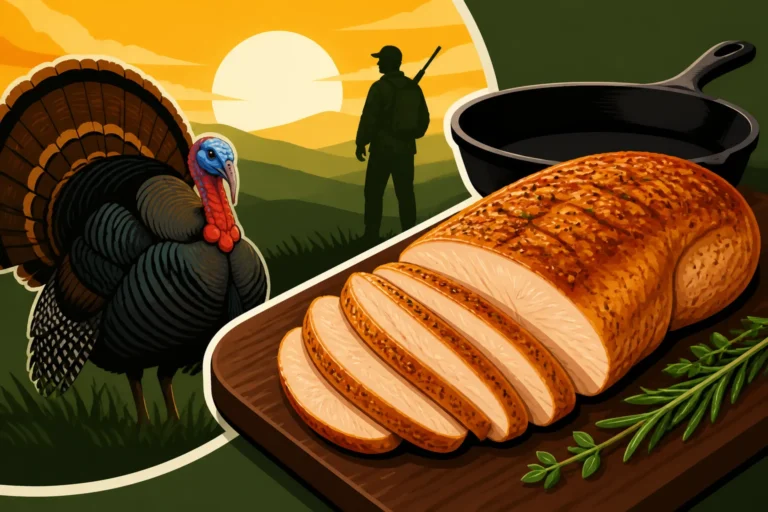
Wild turkey, especially a spring gobbler, is another highly prized meal. Forget everything you think you know about store-bought turkey; wild turkey is a completely different experience. The meat is leaner, has a richer, deeper flavor, and its texture is firm and satisfying. The breast meat is phenomenal pan-fried, grilled, or even cut into strips for stir-fries. The legs and thighs, while tougher and full of tendons, are absolutely incredible when slow-braised or confit'd until they fall off the bone. They absorb flavors beautifully and become incredibly tender.
A big, strutting tom taken during Spring Turkey Hunting in Kentucky or Hunting Kentucky's Fall Turkey Season offers a lot of meat, and it's some of the most rewarding to prepare. The diet of a wild turkey, often consisting of acorns, insects, and wild berries, contributes to its distinct, robust flavor. Many hunters will tell you that a wild turkey breast, lightly breaded and fried, is one of the best meals they'll ever eat. The effort of calling in that wary bird, often using tools like those discussed in Turkey Calls Worth Carrying in Kentucky, is truly paid off at the dinner table.
Surprising Stars: Small Game and Waterfowl
While deer and turkey get a lot of the spotlight, Kentucky offers a fantastic array of small game and waterfowl that are not only fun to hunt but also provide some truly exceptional meals. Don't overlook these often-underestimated species.
Squirrel and Rabbit: The Original Table Fare
Before deer became so plentiful, squirrel and rabbit were staples in many Kentucky households. And for good reason – they're delicious!
Squirrel: Often called "tree chicken," squirrel meat is mild, tender, and incredibly versatile. It's fantastic fried, stewed, or in a savory pot pie. If you've been Squirrel Hunting a Kentucky Oak Ridge, you know how much fun these hunts can be, and the reward is truly worth it. The key to excellent squirrel is often age; younger squirrels tend to be more tender. Many hunters will skin and clean their squirrels right in the field, then parboil them before frying to ensure tenderness. The subtle, slightly nutty flavor, especially from squirrels feasting on acorns, is a real treat that brings you back to simpler times.
Rabbit: Kentucky cottontails offer a mild, delicate flavor that is truly exquisite. Similar to squirrel, rabbit meat is lean and best when stewed, fried, or baked low and slow to ensure tenderness. A proper Rabbit Hunting Kentucky Fencerows excursion can yield enough meat for several hearty meals. Like deer, proper field care is important. Getting the animal cooled quickly prevents any strong gamey flavors from developing. Many old family recipes revolve around rabbit, proving its long-standing place at the Kentucky table.
Waterfowl: A Rich and Flavorful Experience
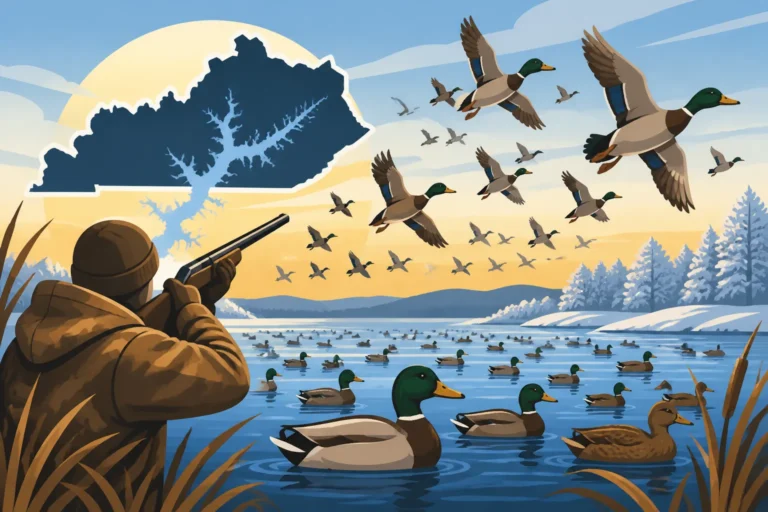
Waterfowl hunting in Kentucky, whether you're targeting mallards on a flooded timber hunt or geese in a cut cornfield, provides not only an exciting challenge but also some incredibly rich and flavorful meat. Ducks and geese have darker, richer meat than most upland birds, and their flavor profile is deeply influenced by their diet.
Ducks: A plump mallard or wood duck, especially one taken over a managed wetland or agricultural field, offers dark, rich breast meat. The legs and thighs are also excellent, though they benefit from slow cooking. Many hunters love searing duck breasts to a medium-rare, allowing the fat to crisp up beautifully. The flavor can be robust, sometimes described as "liver-like" or "iron-rich," but it's delicious if you appreciate it. Proper cleaning and removal of shot-damaged meat is crucial. You might find that Duck Migration Timing Through Kentucky influences the plumpness and fat content, which in turn impacts flavor.
Geese: Canada geese provide a good amount of dark meat, though it can be a bit tougher than duck and benefits from marinades and slower cooking methods. Goose breasts can be fantastic when smoked, roasted, or slow-cooked for pulled goose sandwiches. It has a slightly stronger flavor than duck, which some hunters prefer. Using a mapping tool like GoHunt can help you scout out specific fields or water bodies where geese might be feeding on corn or wheat, which often translates to a more palatable flavor.
The Unique and Robust: Elk and Bear
Kentucky isn't just about deer and turkey; we're also blessed with thriving populations of elk and black bear, offering unique and robust culinary experiences. These are less common on the dinner plate for many, but no less rewarding.
Kentucky Elk: A Gourmet Game Meat
Kentucky has one of the largest elk herds east of the Mississippi, and for the lucky few who draw a tag, the culinary reward is immense. Elk meat is often considered a gourmet game meat. It's incredibly lean, has a fine texture, and a mild, slightly sweet flavor that's less "gamey" than venison for many palates.
Imagine grilling an elk steak from a Hunting Kentucky's Record Elk Herd harvest – the meat is rich, tender, and incredibly satisfying. Elk roasts are exceptional, and ground elk makes for premium burgers or meatloaf. Because it's so lean, it's important not to overcook elk. Medium-rare is often the preferred doneness to maintain its tenderness and flavor. Accessing the elk zone can be challenging, but tools like GoHunt can help you navigate the landscape once you've secured one of those coveted Kentucky Elk Quota Hunt Rules permits.
Kentucky Black Bear: A Rich and Surprising Delicacy
Bear meat is perhaps the most misunderstood game meat. When handled correctly, it can be absolutely delicious – rich, dark, and often compared to pork or beef, but with its own unique wild flavor. The key, and I cannot stress this enough, is to ensure the bear is properly cooled quickly after harvest and cooked thoroughly to a safe internal temperature, as bears can carry trichinosis.
Bear fat is highly prized for rendering into lard, which makes excellent pastries or frying oil. The roasts, especially from the hindquarters, are fantastic when slow-cooked or smoked. Stews and chilis made with bear meat are incredibly hearty and flavorful. The diet of the bear plays a huge role in its taste; a bear that has been feasting on berries and acorns in the Pine Mountain region during Bear Hunting Southeastern Kentucky will likely have a sweeter, milder flavor than one that has been scavenging. Some hunters even find the backstraps excellent when seared. It's a truly unique taste that might just surprise you. Make sure you understand Kentucky Bear Checking Requirements for proper handling.
Factors Influencing Flavor and Enjoyment
While certain species generally rank higher for their eating quality, several factors significantly impact the flavor and tenderness of any wild game meat. Ignoring these can turn a potentially delicious meal into something less appealing.
Diet and Habitat
The old adage "you are what you eat" applies directly to wild game. An animal's diet has a profound impact on its flavor profile.
- Deer: A whitetail feeding heavily on acorns or agricultural crops (like corn or soybeans) in the fertile Hunting Western Kentucky Bottomland Deer country will often have a sweeter, milder flavor and sometimes more fat than a deer browsing primarily on woody stems in the rugged terrain of Hunting Eastern Kentucky Coalfield Country.
- Ducks and Geese: Waterfowl feeding in grain fields often taste milder than those that have been diving for fish or foraging in muddy bottoms.
- Bear: Bears feasting on wild berries and nuts tend to have a sweeter, more pleasant flavor than those that have been consuming carrion or other strong-tasting foods. This is why scouting with a tool like GoHunt to identify prime foraging areas can be so beneficial, as it indirectly contributes to better-tasting meat.
Age and Sex of the Animal
Generally, younger animals tend to have more tender and milder-flavored meat than older ones.
- Deer: A yearling buck or a mature doe typically offers more tender meat than an old, rut-worn buck. During the rut, a mature buck's hormones can impart a stronger, sometimes less desirable flavor to the meat.
- Turkey: While a big gobbler is a trophy, a younger hen or jake might provide more tender meat.
Field Care and Processing
This is arguably the most critical factor in ensuring delicious wild game. Proper field care can make even a less-than-ideal animal taste great, while poor field care can ruin the best of game.
- Quick Cooling: Getting the animal field-dressed immediately and cooled as rapidly as possible is vital to prevent bacterial growth and the development of off-flavors. This is especially true in early season hunts. Think about Field Dressing a Deer in Cold Weather versus a warm September day – the challenges are vastly different.
- Cleanliness: Avoiding contamination from gut contents, dirt, or hair during field dressing and butchering is essential.
- Aging: For larger game like deer and elk, allowing the carcass to hang in a cool, controlled environment for a few days (known as aging) can significantly tenderize the meat and enhance its flavor. This process needs to be done carefully and only when temperatures are consistently low.
- Proper Butchering: Removing all fat, silver skin, and damaged tissue during butchering is crucial. This can significantly reduce "gamey" flavors. For detailed advice, consider articles like Butchering a Deer at Camp.
Cooking Methods
Even the "best" game meat can be ruined by improper cooking.
- Lean Game: Most wild game is very lean, meaning it can dry out quickly if overcooked. For cuts like backstraps or elk steaks, quick searing to medium-rare or medium is often ideal.
- Tougher Cuts: Legs and shoulders, especially from older animals, benefit from slow, moist cooking methods like stewing, braising, or grinding for sausage. These methods break down tough connective tissues, resulting in fork-tender meat.
Kentucky's Culinary Game Table
Kentucky truly offers an incredible variety for the hunter's table. From the lean, versatile venison of a whitetail to the rich, dark meat of a wild duck, and even the surprising delicacy of a properly prepared bear, there's a unique flavor experience waiting with every successful hunt. Understanding these species, the factors that influence their taste, and how to best prepare them not only honors the animal but also completes the full cycle of the hunt. So, next time you're out there, remember that the biggest trophy might just be the delicious meal you bring home.
| Game Species | Flavor Profile | Texture | Best Cooking Methods | General Tenderness |
|---|---|---|---|---|
| Whitetail Deer | Mild, slightly sweet, lean | Fine-grained | Steaks (seared), roasts (slow-cooked), ground meat for chili/burgers | Good (younger animals) |
| Wild Turkey | Rich, deep, earthy | Firm, lean | Pan-fried breast, slow-braised legs/thighs, roasted | Good |
| Elk | Very mild, sweet, extremely lean | Very fine-grained | Steaks (seared to medium-rare), roasts, ground meat | Excellent |
| Black Bear | Rich, dark, robust (can be pork-like) | Coarse, can be firm | Slow-cooked roasts, stewed, smoked, ground meat | Varies (needs slow cooking) |
| Squirrel | Mild, slightly nutty | Fine-grained | Fried, stewed, pot pie | Good (younger animals) |
| Rabbit | Mild, delicate, subtle | Fine-grained | Fried, stewed, baked | Excellent |
| Ducks (e.g., Mallard) | Rich, dark, sometimes "liver-like" | Firm | Seared breast (medium-rare), slow-cooked legs, smoked | Good (breast) |
| Geese (e.g., Canada) | Robust, strong, dark | Coarse, firm | Slow-cooked, smoked, ground for sausage | Can be tough |
Disclaimer
This article is for general informational purposes only and does not constitute professional advice. Laws, prices and regulations vary by location and change over time. Consult a qualified professional for guidance on your specific situation.