Kentucky Osprey Nesting Platforms
It's truly a magnificent sight to witness an osprey, that majestic "fish hawk," plunge from the sky to snatch a fish from the water, then rise with its prey clutched tightly in its talons. Many of us have seen these incredible birds around Kentucky's larger lakes and rivers, but perhaps you've wondered why they're thriving in some spots more than others, or even how they manage to find suitable places to raise their young in an increasingly developed landscape. The truth is, while nature provides incredible instincts, sometimes it needs a helping hand. This comprehensive guide will walk you through the fascinating story of Kentucky's osprey population, dive deep into why artificial nesting platforms are so vital for their continued success, and offer insights into how these platforms are designed, installed, and maintained to ensure these magnificent birds have a safe home for generations to come.
The Resurgence of Ospreys in Kentucky and Why Nesting Platforms Matter
For many years, seeing an osprey in Kentucky was a rare and special event. These incredible raptors faced significant challenges that led to a drastic decline in their numbers across much of their historic range. However, thanks to dedicated conservation efforts, including the strategic placement of artificial nesting platforms, we're now fortunate enough to see their population not just recovering, but truly flourishing in the Commonwealth. It's a testament to what thoughtful intervention can achieve, and understanding this journey helps us appreciate the crucial role these platforms play.
A Comeback Story: Ospreys in the Commonwealth
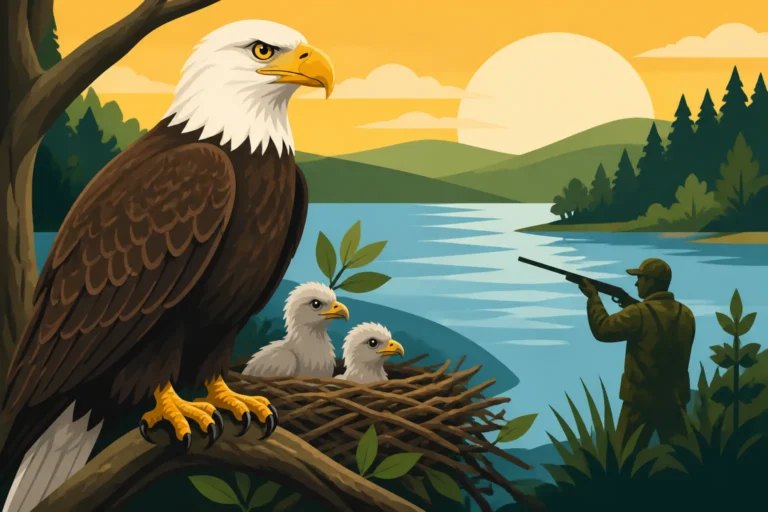
Picture Kentucky decades ago, when DDT and habitat loss pushed ospreys to the brink. It was a bleak time for many raptor species. The pesticide DDT, which accumulated in the food chain, caused osprey eggs to have dangerously thin shells, leading to widespread nesting failures. Combine that with the loss of old-growth timber that provided the massive, sturdy trees ospreys prefer for nesting, and you had a recipe for disaster. For many of us who remember those leaner times, the sight of a soaring osprey today is nothing short of a miracle. Their reintroduction and subsequent population growth in Kentucky, particularly around major waterways like Kentucky Lake, Lake Barkley, and the vast Cumberland River system, has been a shining example of successful wildlife management. It’s not just about more birds; it's about seeing a healthy ecosystem where a top predator like the osprey can thrive. Their presence signals cleaner waters and a robust fish population, which benefits everyone, including those of us who love to cast a line. The stability that comes from reliable nesting sites is absolutely critical for this continued comeback. Kentucky Bald Eagle Recovery Near the Lakes also tells a similar story of conservation success through dedicated efforts.
The Natural Challenges of Nesting
Even with a healthy population, ospreys face an uphill battle when it comes to finding ideal natural nesting sites. They are notoriously particular. They prefer large, strong trees with broken tops, often near or directly over water, or at least with an unobstructed view of their fishing grounds. These trees need to be robust enough to support a nest that can weigh hundreds of pounds and withstand strong winds and heavy rains. As our landscapes change, those perfect natural snags become scarcer. Storms can bring down existing nests or suitable trees, leaving pairs scrambling during breeding season. Predation from raccoons, snakes, or great horned owls can also be a threat if nests aren't strategically placed. Then there's the ever-present human element: disturbance from boating, fishing, or shoreline development can cause sensitive pairs to abandon a nest. Imagine an osprey pair, after a long migration, returning to their chosen territory only to find their traditional nest site gone or compromised. It's a huge setback, potentially leading to a lost breeding season, which directly impacts the growth of the overall population.
The Role of Artificial Platforms in Conservation
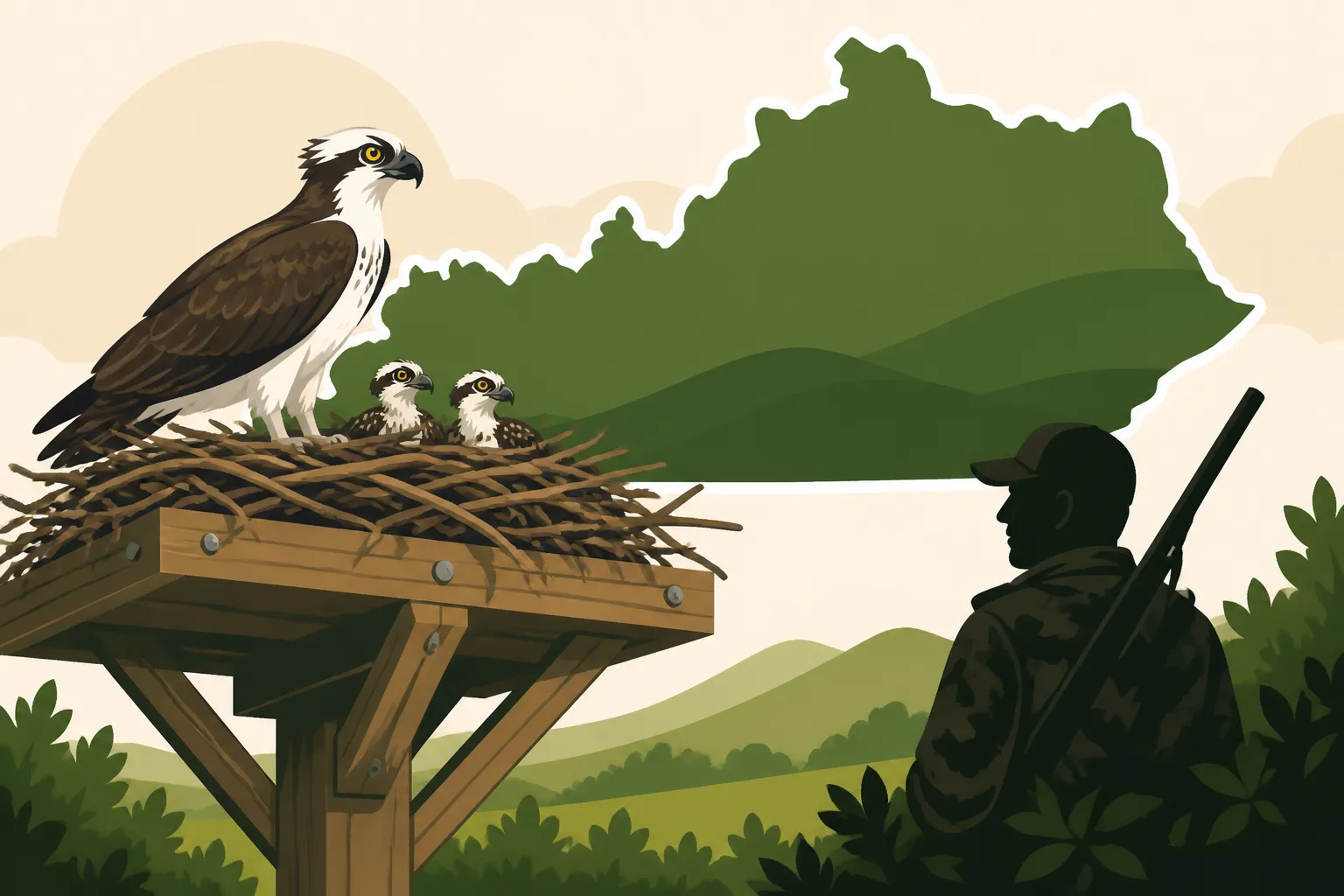
This is where artificial nesting platforms become truly indispensable. They aren't just a convenience; they are a direct solution to these critical nesting challenges. These man-made structures provide a stable, durable, and predator-resistant alternative to natural snags. By strategically placing them in prime fishing territories, wildlife managers and conservation groups are essentially giving ospreys a guaranteed, safe place to raise their young. These platforms are often designed to be easily accessible for monitoring, which helps biologists track population health and reproductive success. Think of it as providing housing in a real estate market where suitable natural homes are increasingly hard to come by. It stabilizes the population, reduces competition for natural sites, and helps mitigate the impact of human activity and natural disasters on breeding success. Without these platforms, the osprey's comeback story in Kentucky would likely be far less impressive, perhaps even stalled. These efforts often go hand-in-hand with broader wildlife management initiatives on areas like Kentucky Wildlife Management Areas.
Designing and Installing Effective Osprey Nesting Platforms
So, what exactly goes into creating one of these vital structures? It's more than just slapping a few boards together and sticking them on a pole. There's a science and an art to it, aimed at mimicking the best aspects of natural nest sites while providing enhanced stability and safety. When you see one of these platforms towering over a lake or river, you're looking at a carefully engineered piece of conservation infrastructure.
Key Design Principles for Success
An effective osprey nesting platform isn't just about height; it's about structural integrity and mimicking what ospreys instinctively look for. First, the materials need to be robust and weather-resistant. Treated lumber, galvanized steel, or other non-corrosive materials are essential to ensure the platform lasts for decades. The dimensions are also critical: a typical platform top might be 3-4 feet square, providing ample space for a large nest and growing fledglings. The platform needs to be stable, capable of supporting the weight of a massive nest, two adult ospreys, and several rapidly growing chicks, plus withstand strong winds. Safety is paramount, too. The platform surface itself should be somewhat open or have a coarse texture to prevent chicks from overheating on hot metal or slick surfaces, and also to allow for drainage. Often, a sturdy wooden frame with a wire mesh or slotted base is used, allowing air circulation and preventing water accumulation. Many platforms will also have an initial layer of sticks or branches secured to the base, giving the ospreys a head start on nest building and signaling that this is a desirable location.
Site Selection: Where to Place Your Platform
This is arguably the most crucial step. You can build the most perfect platform in the world, but if it's in the wrong place, it's just an expensive decoration. Ospreys are fish-eaters, so proximity to abundant, shallow fishing waters is non-negotiable. Think about large lakes, wide rivers, or expansive reservoirs. Places like Kentucky Lake or Lake Barkley are prime examples. The platform also needs to be in an open area, offering a clear flight path to and from the nest. Ospreys are large birds, and they need room to maneuver. A height of 20-50 feet above the ground or water is typical, providing both security from ground predators and a good vantage point for the adults. It's essential to keep platforms a safe distance from active human disturbance, such as busy boat ramps or high-traffic swimming areas, to minimize stress on the nesting birds. Critically, platforms must be installed far away from power lines. Not only do power lines pose an electrocution risk to the birds, but nests built on utility poles can cause power outages and are often removed for safety reasons, undoing all conservation efforts. When you're Scouting Kentucky Public Land Before Season, you might actually spot some of these platforms, indicating healthy habitat.
Step-by-Step Installation Considerations
Erecting an osprey platform is a serious undertaking, often requiring specialized equipment and a team of people. Typically, a robust utility pole or treated wooden post forms the central support. This pole is then either augured deep into the ground (or lakebed, if safe and permitted) or secured with robust concrete footings. The platform itself, often pre-fabricated, is then hoisted and securely bolted to the top of the pole. Safety for the human installers is paramount throughout this process, often involving bucket trucks, cranes, or skilled climbers. Once the platform is firmly in place, it's a good practice to "dress" it. This means wiring or weaving in some starter nesting material – branches, sticks, and even some sod – to make it immediately attractive to prospecting ospreys. This visual cue can significantly increase the chances of a pair adopting the new site quickly. Imagine you're a tired osprey, just flown thousands of miles, looking for a place to raise a family. Seeing a pre-furnished, sturdy home is a much more inviting prospect than a bare, empty platform.
Here's a quick look at the typical components of a successful osprey nesting platform:
| Component | Description | Key Consideration |
|---|---|---|
| Support Pole | Treated utility pole, heavy-duty wood, or steel pipe. | Minimum 20 feet tall; deeply secured for stability. |
| Platform Frame | Sturdy wood (treated lumber) or galvanized steel. | 3-4 feet square; robust enough for heavy nest and birds. |
| Platform Base | Wire mesh, spaced wooden slats, or thick plastic grating. | Allows drainage, provides grip, prevents overheating. |
| Predator Guard | Metal cone or slick sleeve around pole base (optional but recommended). | Prevents raccoons, snakes from climbing. |
| Starter Nest Material | Pre-placed sticks, branches, sod, burlap. | Attracts ospreys and encourages immediate nesting. |
| Location | Within 1/2 mile of abundant water, open flight paths, away from power lines. | Crucial for osprey foraging success and safety. |
Long-Term Management and Community Involvement
Once a platform is installed and, hopefully, adopted by an osprey pair, the work isn't over. Effective conservation is a continuous process, requiring ongoing observation, maintenance, and often, the enthusiastic participation of local communities. These platforms become focal points for local wildlife enthusiasts and a source of pride for those involved in their creation and care.
Monitoring Your Osprey Platform
Monitoring an active osprey platform is one of the most rewarding aspects of this work. It allows us to track the success of the conservation efforts and simply enjoy watching these magnificent birds. What do you look for? First, evidence of nest building: Ospreys will bring in a remarkable amount of material, from large sticks and branches to sod, grass, and even bits of trash they find. Then, the eggs appear – typically 2-4, laid in intervals. Observing the adults incubating is a clear sign. After about 35-40 days, the chicks hatch. This is a delicate time, and observations should always be made from a distance with binoculars or a spotting scope to avoid disturbance. Watch for the adults bringing fish back to the nest, feeding their voracious young. Finally, after about 50-55 days, the young ospreys will fledge, taking their first awkward flights from the platform. Documenting these milestones—nest construction, incubation, hatching, and fledging—provides invaluable data for wildlife biologists. Many local birding groups, or even statewide organizations, organize volunteer monitoring programs.
Maintenance and Troubleshooting Common Issues
Even the most well-built platforms require periodic attention. Over time, wood can rot, metal can corrode, and storms can cause damage. Regular inspections are essential to identify and address these issues before they become critical. This might involve replacing a broken slat, reinforcing a support, or clearing accumulated debris that could hold moisture and hasten decay. Another common challenge is competition from other species. Canada geese, for example, sometimes try to appropriate osprey platforms for their own nests, or great horned owls might attempt to nest there before the ospreys return. Gently discouraging these alternative nesters before the ospreys arrive is crucial, ensuring the platform is ready for its intended residents. Sometimes, a platform might even become choked with too much nesting material, making it less suitable over several seasons. In these cases, a careful, off-season cleanup might be necessary, again ensuring minimal disturbance. These kinds of challenges are not unique to ospreys; even in Waterfowl Hunting Kentucky Lakes and Rivers, species management often involves maintaining appropriate habitat.
Community Efforts and Local Impact
The success of Kentucky's osprey platforms isn't just due to state agencies; it's a true collaboration. Local conservation groups, lake associations, utility companies, and even individual landowners often spearhead or contribute to these projects. From fundraising for materials to volunteering time for installation and monitoring, community involvement is the backbone of many successful platform initiatives. These efforts don't just benefit the ospreys; they foster a deeper connection between people and their local environment. Seeing a pair of ospreys return year after year to a platform that your community helped erect is an incredibly rewarding experience. It builds pride, encourages further conservation efforts, and serves as a visible reminder of what can be achieved when people work together for wildlife. If you're passionate about Kentucky's wildlife, consider reaching out to your local Fish and Wildlife office or a regional conservation organization. There are often opportunities to contribute to projects like these, whether it's through volunteering, reporting sightings, or helping to fund new initiatives. The ripple effect of such projects can be significant, improving the overall health of our waterways and promoting a thriving ecosystem, much like the focus on habitat in topics such as Reading a Bottomland Slough for a Morning Flight.
Disclaimer
This article is for general informational purposes only and does not constitute professional advice. Laws, prices and regulations vary by location and change over time. Consult a qualified professional for guidance on your specific situation.