Where Kentucky Sits in the Grouse Cycle
If you're an upland bird hunter in Kentucky, the mention of ruffed grouse probably brings a mix of nostalgia and a bit of a sigh. While many states further north still boast healthy populations and vibrant grouse hunting traditions, here in the Bluegrass State, our experience with these elusive woodland rockets has changed dramatically. This guide is here to shed light on exactly where Kentucky stands in the broader grouse cycle, what factors have led us to this point, and what the future might hold for these incredible birds.
Understanding the Ruffed Grouse Population Cycle
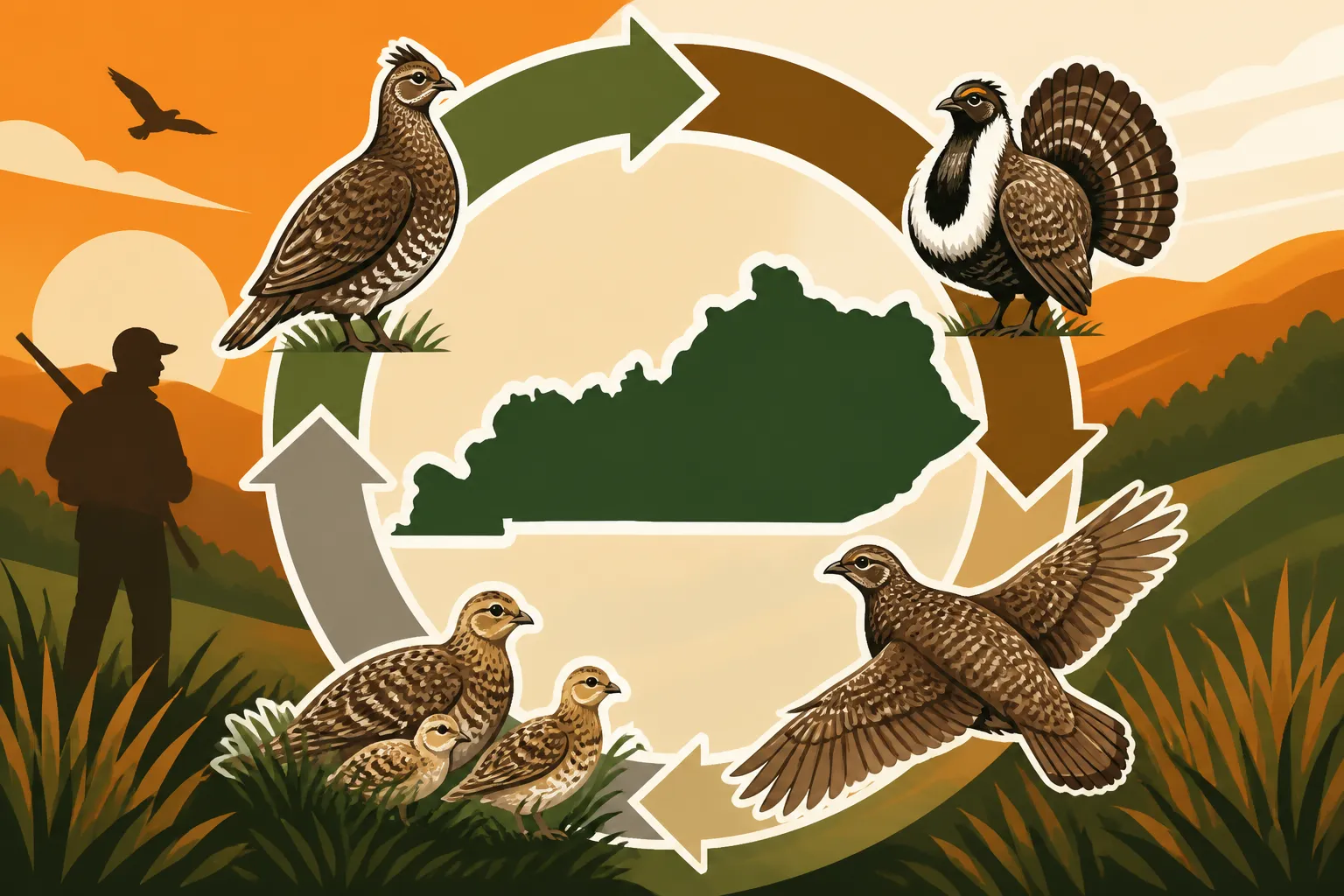
The concept of a "grouse cycle" refers to the periodic fluctuations in ruffed grouse populations, often seen as peaks and valleys over roughly an 8-11 year period. This isn't just a random rise and fall; it's a complex interplay of environmental factors, predation, and the birds' own biology. For many years, hunters and biologists observed this phenomenon in northern states, where populations would boom, leading to fantastic hunting, only to gradually decline before starting their ascent again.
The Science Behind the Cycle
The traditional understanding of the grouse cycle attributes these shifts to several key factors. One major player is habitat. Ruffed grouse thrive in early successional forests – young woods, clear-cuts, and areas with dense undergrowth that provide both food and protection from predators. As forests mature, this critical habitat disappears, leading to a natural decline in grouse numbers. When extensive timber harvesting creates new pockets of young forest, the cycle can begin anew.
Another significant influence is predation. During population peaks, predators like coyotes, foxes, bobcats, and various raptors have an abundant food source. Their populations can then increase, putting more pressure on the grouse. As grouse numbers inevitably start to dip due to habitat changes, the now-larger predator population can accelerate the decline. Disease and harsh weather patterns also play roles, especially during critical nesting and brooding periods. It's a delicate balance, and disruptions to any one element can throw the whole system out of whack.
Why Kentucky's Situation is Unique
While the concept of a grouse cycle is widely recognized, Kentucky's grouse population has largely decoupled from the classic, predictable cycle seen in more northern latitudes. Instead of distinct peaks and valleys, we've witnessed a more sustained, long-term decline. This isn't to say that local populations don't still ebb and flow with yearly conditions, but the overall trend has been downward for decades. This makes hunting for them a different challenge entirely, often requiring an intimate knowledge of the remaining habitats and a good dose of persistence. Tools like a mapping app, perhaps even one often used for deer like GoHunt, can be surprisingly useful for identifying potential habitat based on topography and timber type, though you'll be looking for different signatures.
Kentucky's Grouse Reality: A Difficult Decline
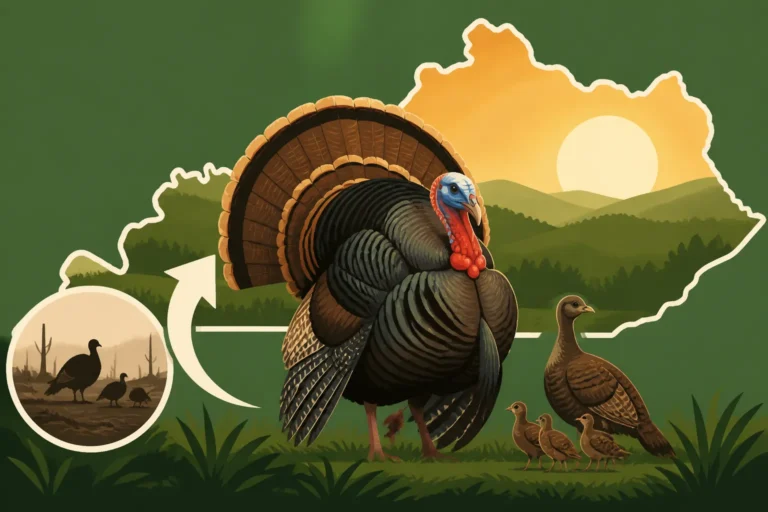
Kentucky's ruffed grouse population has unfortunately experienced a significant decline over the past several decades. What was once a widespread game bird found across much of the state's eastern and central forested regions is now largely restricted to fragmented pockets, primarily in the rugged eastern coalfields and mountain regions. This isn't just a dip in a cycle; it's a concerning trend that has led to a much more limited hunting experience than previous generations enjoyed.
Habitat Loss and Fragmentation
The primary driver behind the grouse decline in Kentucky, much like in many other parts of the southern Appalachian range, is habitat loss and fragmentation. Ruffed grouse are highly dependent on young, regenerating forests – dense thickets of saplings, shrubs, and brush that typically result from timber harvests, wildfires, or other disturbances. This early successional habitat provides crucial cover for nesting, brooding young chicks, and escaping predators.
Historically, logging practices, natural wildfires, and even small-scale farming created a mosaic of forest ages across Kentucky. However, modern forest management, often focused on longer rotation cycles for mature timber or simply allowing forests to grow old without disturbance, has led to a landscape dominated by mature, closed-canopy woods. While beautiful, these older forests lack the dense understory grouse need to thrive. When timber is harvested, it's often done in ways that don't create ideal grouse habitat or the resulting clearings are too small and isolated to sustain viable populations. This fragmentation means even if a suitable patch exists, it might be too far from other patches for grouse to disperse safely, especially with increased predator pressure. You can read more about the grim picture in Kentucky Ruffed Grouse Decline.
Changing Timber Practices
Gone are the days of widespread, small-scale clear-cutting that naturally created diverse age classes of timber. Today, many timber operations in Kentucky focus on selective cutting or larger, less frequent clear-cuts. While these methods have their own ecological benefits, they often don't mimic the kind of broad, dense regeneration that grouse need across a significant landscape. Landowners and timber companies often prioritize specific timber products, and grouse habitat isn't always at the top of the list.
It's a tough situation because everyone wants healthy forests, but what constitutes "healthy" can look different depending on which species you're focusing on. For grouse, it's about making sure there's enough young, brushy cover. Without intentional management for this specific habitat, their numbers will continue to struggle. This is a common frustration for upland bird enthusiasts who remember a different time when finding a covey or flushing a grouse was a more regular occurrence.
Conservation Efforts and Hunter Involvement
Despite the challenging outlook, there are dedicated efforts underway to understand and potentially reverse the decline of ruffed grouse in Kentucky. These initiatives often involve state agencies, conservation groups, and, importantly, hunters themselves. While a return to historical numbers might be a distant dream, localized improvements are possible through targeted habitat work.
Habitat Management Initiatives
The Kentucky Department of Fish and Wildlife Resources (KDFWR), along with partners like the Ruffed Grouse Society (RGS), has focused on habitat management projects in key areas. These projects often involve creating early successional habitat through controlled burns, timber harvests, and mechanical treatments. The goal is to mimic natural disturbances and create the dense, shrubby cover that grouse require for survival. Locations within the Daniel Boone National Forest and certain Wildlife Management Areas (WMAs) in eastern Kentucky are often targeted for these efforts. Understanding these areas requires diligent scouting, and platforms like GoHunt can provide topographic overlays and timber type information that might hint at recent logging or burning, even if not specifically marked for grouse.
One of the biggest hurdles is the scale required. To have a significant impact, early successional habitat needs to be created across large, contiguous areas, allowing grouse populations to expand and connect. Small, isolated patches, while beneficial, often aren't enough to sustain long-term growth due to increased vulnerability to predation and limited genetic exchange. Hunters can play a vital role by advocating for these habitat management practices and supporting the organizations that carry them out.
Hunter Engagement and Citizen Science
For years, hunters have been the primary eyes and ears on the ground for grouse populations. Reporting flush rates, observations of broods, and general trends can provide valuable data to wildlife managers. Programs like hunter surveys or even simply communicating observations to KDFWR can contribute to a clearer picture of the grouse's status. Even if you're primarily pursuing other game, keeping an eye out for grouse and their preferred habitat can be helpful.
Supporting conservation organizations like the Ruffed Grouse Society, which are specifically dedicated to grouse and woodcock habitat, is another tangible way hunters can make a difference. These organizations use membership dues and donations to fund habitat projects, research, and advocacy efforts. Without hunter support, many of these critical efforts wouldn't be possible. Your passion for the pursuit directly translates into resources for the birds.
Table: Key Characteristics of Quality Grouse Habitat in Kentucky
| Habitat Feature | Description | Why it's Important for Grouse |
|---|---|---|
| Young, Dense Forest | Stands of timber typically 5-20 years old, often resulting from clear-cuts, fires, or heavy thinning. | Provides impenetrable overhead and lateral cover from raptors and ground predators. Also offers abundant browse (buds, catkins) and insects for chicks. |
| Mixed Hardwood Species | Areas with oak, maple, hickory, cherry, and other species, especially those with good mast production. | Diverse food sources throughout the year. Acorns, berries, and various buds are critical, particularly in fall and winter. |
| Dense Understory/Shrubs | Thick growth of greenbriar, rhododendron, mountain laurel, blackberry, and saplings. | Essential thermal cover in winter, nesting cover, and escape cover. Chicks find insects and refuge here. |
| Topographic Diversity | Rolling hills, hollows, ridge tops, and benches with varied aspect and elevation. | Offers protection from harsh weather, varied food sources based on sun exposure, and escape routes. Grouse often roost on protected benches or near hollows. |
| Proximity to Water | Near springs, seeps, small creeks, or ephemeral drainages. | While not strictly dependent on open water, grouse use moist areas for dust baths and to find insects, especially during dry periods. Water sources can also foster denser undergrowth. |
| Soft Mast Producers | Areas with wild grapes, dogwood, greenbriar, sumac, and other berry-producing plants. | Provides critical food in late summer and fall, fattening birds for winter. |
| Dispersed Openings | Small clearings, logging roads, or utility rights-of-way within otherwise dense habitat. | Used for dusting, sunning, and sometimes foraging. Can also serve as travel corridors if edges are dense. |
| Vertical Structure | Multiple layers of vegetation from ground cover to canopy, even within young forests. | Offers multiple escape avenues from predators and varied foraging opportunities. |
Finding the Remaining Pockets and Future Outlook
For the dedicated upland hunter, finding ruffed grouse in Kentucky today requires more effort, more research, and often, more walking than ever before. It's a testament to their allure that many still undertake the challenge, cherishing every flush and the rare shot opportunity. The future of grouse hunting in Kentucky hangs largely on continued habitat work and a better understanding of the factors limiting their recovery.
Where to Look for Grouse Now
If you're determined to find Kentucky grouse, your best bet remains the rugged, extensive forest lands of Eastern Kentucky. This includes parts of the Daniel Boone National Forest, particularly the eastern and southern districts, and some of the larger Wildlife Management Areas in that region. Grouse Hunting the Cumberland Mountains offers insights into these challenging but rewarding areas.
Focus on areas that have seen recent timber cuts (within the last 5 to 20 years) or natural disturbances that have created dense, regenerating thickets. Look for areas with a mix of hardwood species, especially those that provide soft mast like wild grapes or dogwood, and plenty of greenbriar, rhododendron, or mountain laurel for cover. Steep hollows and benches on north-facing slopes can sometimes hold birds, offering both food and thermal protection. How Old a Cut Should Be for Grouse can provide more detail on ideal habitat age. Using mapping tools like GoHunt can help you identify these topographical features and areas of varying timber density, allowing you to scout potential locations even before you put boots on the ground. When on the ground, look for tracks, droppings, and signs of feeding, like clipped buds or catkins. Remember, these birds are masters of concealment, so you'll often have to walk them up.
Hunting Tactics for Pressured Birds
Grouse in Kentucky, much like other game species in areas with limited habitat, tend to be very wary. Long-range flushes are common, so be ready for quick shots. Covering ground deliberately, pausing often, and working cover thoroughly with a good bird dog (if you have one) are key. Flushing Grouse Without a Dog provides some excellent tips if you're hunting solo or without canine assistance. Many hunters prefer a smaller gauge shotgun, like a 20 or 28, with open chokes to handle the close, fast shots in dense cover.
It’s about understanding the land and the birds. If you're encountering areas that look perfect but aren't holding birds, consider what else might be at play – perhaps heavy predation pressure, or a lack of connectivity to other suitable habitat. Persistence and adaptation are your best friends in the grouse woods.
The Long-Term Outlook
The long-term outlook for ruffed grouse in Kentucky is cautious but not entirely without hope. The reality is that we're unlikely to see a return to the widespread, robust populations of past centuries due to fundamental changes in the landscape and forestry practices. However, through targeted habitat management, particularly in the larger, contiguous blocks of forest in Eastern Kentucky, localized populations can be stabilized and even, in some cases, enhanced.
The KDFWR continues to monitor Kentucky Ruffed Grouse Numbers Today and assess the effectiveness of habitat projects. The commitment of hunters and conservation groups will be crucial in advocating for and supporting future habitat work. For now, grouse hunting in Kentucky will remain a niche pursuit, deeply cherished by those who seek the challenge and beauty of these magnificent birds in their rapidly diminishing wild homes. It's a reminder that conservation is an ongoing effort, and every step, no matter how small, makes a difference.
Disclaimer
This article is for general informational purposes only and does not constitute professional advice. Laws, prices and regulations vary by location and change over time. Consult a qualified professional for guidance on your specific situation.