How Turkeys Were Restored to Kentucky
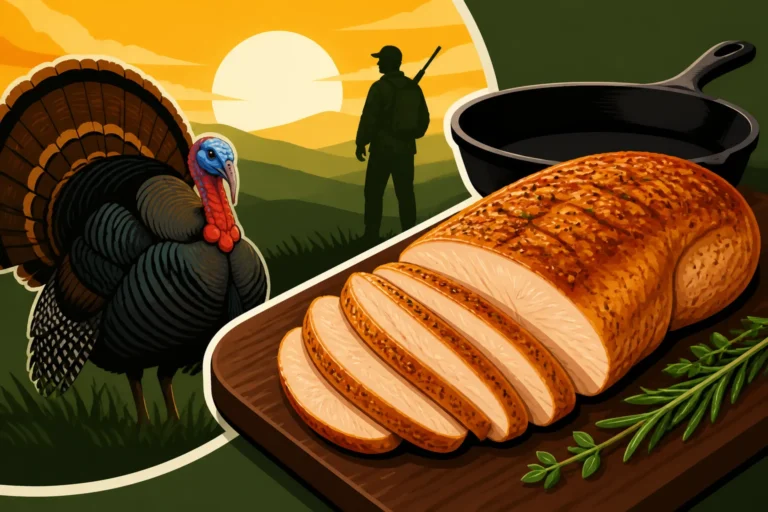
It's hard to imagine Kentucky's woods without the resonant gobble of a wild turkey echoing through the hollows, or the sight of a strutting tom fanning his tail feathers in a sun-dappled field. For many of us, spring turkey hunting is a cherished tradition, a time to connect with nature and experience the thrill of the chase. But what if I told you that less than a century ago, this iconic bird was practically nonexistent in our beloved Bluegrass State? It’s a wild thought, isn't it? This guide will take you on a journey through the near-disappearance and incredible comeback of wild turkeys in Kentucky, detailing the tireless efforts that brought them back from the brink.
The Devastating Decline of Wild Turkeys in Kentucky
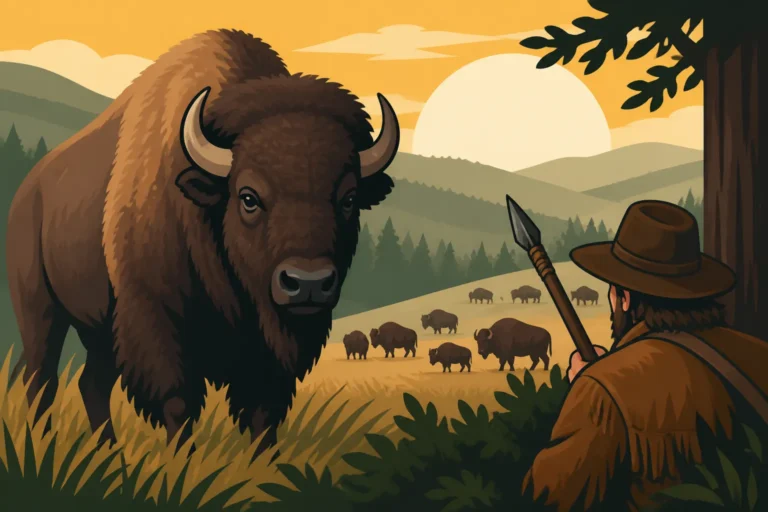
Before European settlement, Kentucky was a true wildlife paradise, and wild turkeys were a dominant feature of its forests. These majestic birds roamed in vast numbers, their populations thriving in the abundant hardwood forests that covered most of the state. Early accounts from pioneers often describe flocks so large they seemed to darken the sky. They were a cornerstone of the ecosystem and a reliable food source for early settlers, but this abundance would not last.
The Era of Abundance and Early Exploitation
Imagine a time when the deep woods of Kentucky were truly wild, stretching for miles, unbroken by fences or fields. In this pristine landscape, the Eastern wild turkey (Meleagris gallopavo silvestris) flourished. Historical records and journals from explorers like Daniel Boone often highlight the sheer numbers of turkeys they encountered, describing them as easy targets due to their relative tameness around humans who hadn't yet learned to hunt them relentlessly. This incredible bounty, however, also sowed the seeds of their decline. As more people moved into the region, the demand for meat and feathers grew, and the era of unregulated exploitation began. Turkeys were hunted year-round, without limits, for sustenance and, increasingly, for profit.
Habitat Destruction and Market Hunting's Toll
The expansion of human settlements brought with it widespread habitat destruction. Forests were cleared at an alarming rate for agriculture, logging, and infrastructure development. The massive, contiguous tracts of mature timber that wild turkeys depended on for food, roosting, and nesting were fragmented and diminished. Compounding this, market hunting became a lucrative business. Professional hunters would decimate entire flocks, shipping thousands of birds to burgeoning urban markets in places like Louisville and Cincinnati. There was no concept of conservation or sustainable harvesting; the mindset was simply to take as much as possible while the taking was good. This relentless pressure from both habitat loss and commercial hunting quickly pushed the wild turkey population past its breaking point.
The Near Extinction of Kentucky's Wild Turkeys
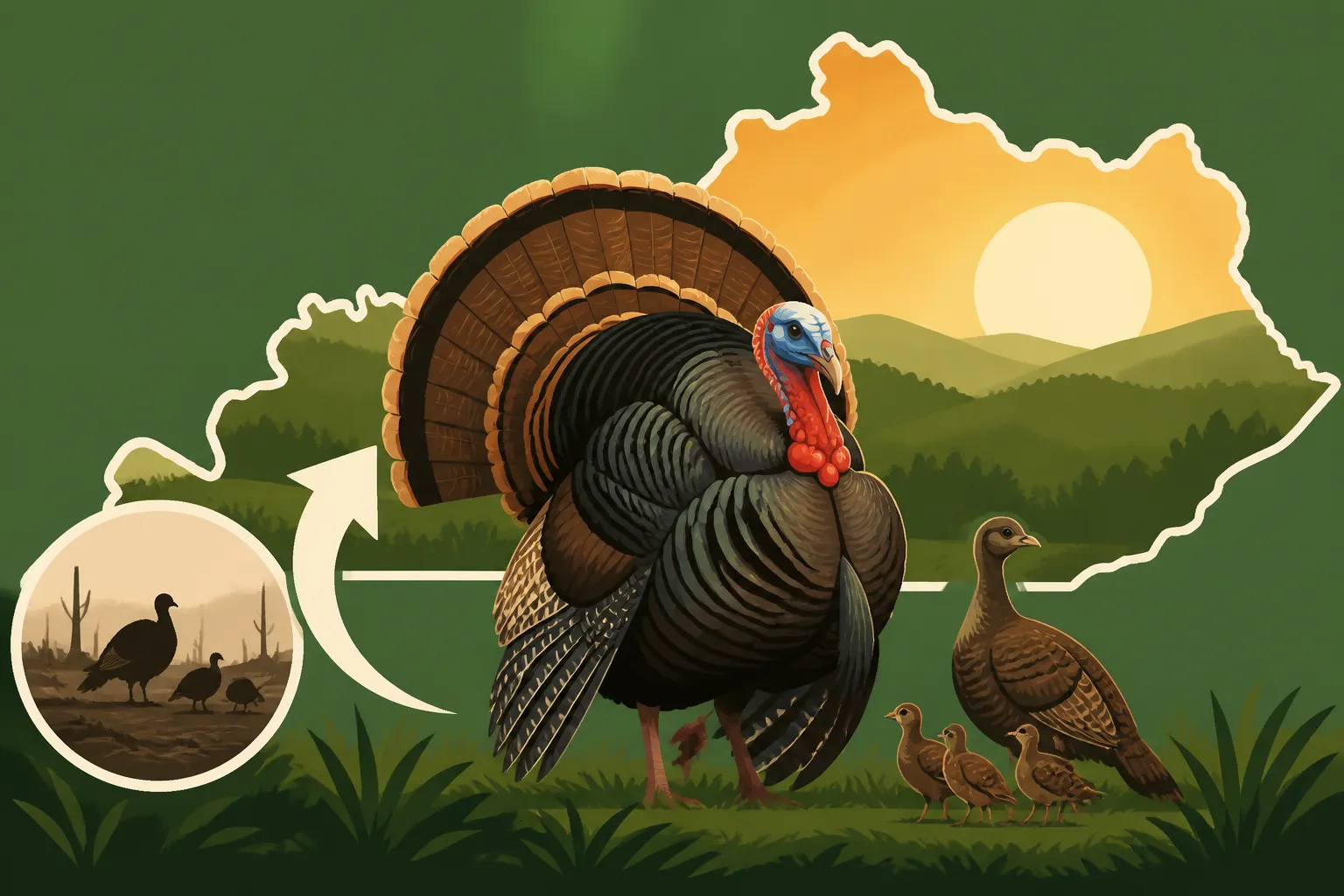
By the early 20th century, the situation was dire. The once-ubiquitous wild turkey had vanished from vast swathes of Kentucky. By the 1940s, it's estimated that fewer than 2,000 birds remained in isolated pockets, primarily in the rugged, less accessible regions of Eastern Kentucky. To put that into perspective, today we have well over 200,000 birds! This drastic decline wasn't unique to Kentucky; states across the nation experienced similar losses. It was a stark reminder of humanity's capacity to devastate natural resources without foresight or responsible management. The silence in the spring woods where gobblers once boomed must have been deafening to those who remembered the old days. This near-extinction event catalyzed a growing conservation movement, realizing that something drastic had to be done to save these magnificent birds.
Early Attempts at Restoration and Lessons Learned
As the wild turkey population dwindled, concerned conservationists and early wildlife agencies began to explore ways to bring them back. The intentions were good, but the methods initially employed were often misguided, born more out of hope than scientific understanding. These early attempts, while largely unsuccessful, taught invaluable lessons that would ultimately pave the way for true restoration.
The Flawed Strategy of Pen-Raised Turkeys
One of the first and most common approaches was to release pen-raised turkeys into the wild. The logic seemed sound enough: breed turkeys in captivity and then let them go in suitable habitats. State agencies, including the Kentucky Department of Fish and Wildlife Resources (KDFWR), invested significant resources into raising thousands of domestic or semi-domesticated birds. These birds, often a mix of wild and domestic genetics, were released with great optimism. Unfortunately, the results were consistently disappointing. These birds, accustomed to being fed and protected, lacked the innate survival instincts of their wild cousins. They struggled to find natural food, identify predators, and navigate the challenges of the wilderness. Many quickly fell prey to predators, disease, or simply starved.
Understanding Genetic Purity and Survival Instincts
The failure of the pen-raised turkey program highlighted a critical misunderstanding: you couldn't just "stock" turkeys like fish. Wild turkeys possess a complex set of behaviors, adaptations, and genetic traits that allow them to thrive in harsh environments. They are incredibly wary, possess keen eyesight and hearing, and have an instinctive understanding of their habitat. Domesticated birds, even those with some wild lineage, lose these crucial traits over generations of captivity. They become "soft" and unequipped for survival. This realization was a bitter pill to swallow, but it underscored the importance of genetic purity and the inherent wisdom of nature. Any successful restoration effort would need to work with the wild turkey's natural instincts, not against them.
The Realization: Wild Trapped Birds Are Key
After years of frustrating failures with pen-raised birds, wildlife biologists across the country, including those working tirelessly in Kentucky, came to a groundbreaking conclusion: the only way to restore wild turkey populations was to use truly wild-trapped birds. These birds, having survived in the wilderness, possessed the necessary genetics and survival skills to establish new, self-sustaining populations. This shift in strategy marked a pivotal moment in wildlife conservation. It meant foregoing the easier, cheaper method of breeding in pens for the more challenging, labor-intensive, but ultimately effective process of capturing wild turkeys from remnant populations and relocating them to new areas. The success stories from other states that adopted this method, particularly Missouri, served as a powerful inspiration for Kentucky's own ambitious program.
The Game-Changing Trap-and-Transfer Program
With the understanding that wild-trapped birds were the answer, the KDFWR embarked on one of the most successful wildlife restoration efforts in North American history: the trap-and-transfer program. This initiative didn't just bring turkeys back; it rebuilt their populations from the ground up, one bird at a time.
The Revolutionary Rocket Netting Technique
Central to the success of the trap-and-transfer program was the development and refinement of specialized trapping techniques, primarily rocket netting and later cannon netting. Imagine setting up a bait site, usually with corn, in an area where wild turkeys were known to congregate. Once a flock was comfortable feeding, biologists would conceal themselves nearby, often in a small blind. When the birds were optimally positioned, small rockets or cannons would fire a large net over the flock, safely capturing numerous birds at once. This method was a significant advancement over earlier, more cumbersome trapping techniques, allowing for the capture of many birds with minimal stress or injury. These captured birds, healthy and truly wild, were then quickly processed, checked for health, and prepared for transport to new release sites.
Strategic Release Sites and Habitat Considerations
The success wasn't just in trapping; it was also in where the birds were released. KDFWR biologists meticulously identified suitable habitats across the state, prioritizing areas with large, unbroken tracts of forest, good mast crops (acorns, beech nuts, etc.), and diverse undergrowth for nesting and brood-rearing. These initial release sites were often in relatively remote regions, such as parts of Daniel Boone National Forest and other large timber blocks, where human disturbance was minimal. The goal was to establish "nucleus" populations that could then expand naturally. Detailed habitat assessments were crucial, ensuring that the released birds had the best possible chance to not just survive, but to thrive and reproduce. This careful planning was a testament to the scientific rigor applied to the restoration effort, a far cry from the haphazard releases of pen-raised birds.
The Kentucky Department of Fish and Wildlife Resources' Vision
The KDFWR spearheaded this monumental effort, demonstrating incredible foresight and dedication. From the late 1970s through the 1990s, they systematically trapped wild turkeys from robust populations, first from other states like Missouri and then, as Kentucky's own numbers grew, from within the state itself. These birds were then released into carefully chosen areas across all 120 counties. The vision was clear: to return wild turkeys to every corner of Kentucky where suitable habitat existed. This wasn't just about throwing birds into the woods; it was a comprehensive program involving extensive scouting, scientific analysis, and relentless fieldwork. The dedication of the KDFWR staff, often working in challenging conditions, was the driving force behind this incredible turnaround. They transformed the landscape of Kentucky's wildlife for generations to come.
Rebuilding the Flock: Challenges and Triumphs
Bringing a species back from the brink is never easy, and the wild turkey restoration in Kentucky faced its share of hurdles. However, through persistent effort and a growing understanding of turkey ecology, the triumphs far outnumbered the challenges, leading to an astonishing comeback.
Population Spikes and Geographic Expansion
Once the trap-and-transfer program gained momentum, the results were nothing short of miraculous. Wild turkeys, given suitable habitat and a head start, proved incredibly resilient and prolific. From those initial nucleus populations, their numbers began to explode. Turkeys expanded their range, establishing themselves in county after county. It wasn't uncommon to hear reports of birds showing up in areas where they hadn't been seen in decades. This rapid geographic expansion was a clear indicator of the program's success. The KDFWR continued to monitor these burgeoning populations, often utilizing tools like GoHunt to visualize turkey sightings and habitat usage, allowing them to make informed decisions about future transfers and management strategies. This exponential growth meant that by the mid-1980s, limited hunting seasons could even begin to be re-established in some areas, a true milestone for the program. You can track some of these successes through the Kentucky Turkey Population Trends data.
Overcoming Habitat Fragmentation and Predation
While the initial success was thrilling, maintaining it wasn't without its challenges. Kentucky's landscape, while rich in forests, still experiences habitat fragmentation due to development, agriculture, and other human activities. Turkeys need large, unbroken tracts of timber for roosting and security, as well as open areas for foraging and bugging. Managing these diverse habitat needs in a changing landscape requires constant effort. Additionally, predation, especially on nests and young poults, is a constant factor. Coyotes, bobcats, raccoons, and opossums all prey on turkeys. While these are natural processes, concentrated predation can impact local populations. Wildlife managers continually work to balance predator populations and improve turkey habitat to provide better cover and nesting success.
Community Engagement and Hunter Support
The restoration effort wasn't just a scientific endeavor; it was a community-wide success story, largely fueled by the passion and financial contributions of hunters. Hunting license fees and excise taxes on hunting equipment (through the Pittman-Robertson Act) provided the essential funding for KDFWR's trap-and-transfer operations, habitat improvements, and ongoing research. Hunters, having seen the decline firsthand, were eager to support the return of wild turkeys. Their patience in waiting for populations to rebuild before widespread hunting resumed was crucial. Furthermore, landowners played a vital role, often allowing access for trapping and providing critical habitat on their properties. This partnership between state agencies, hunters, and landowners was, and continues to be, fundamental to the continued health of Kentucky's turkey populations.
The Modern Wild Turkey in Kentucky: A Thriving Success Story
Today, the wild turkey population in Kentucky is a testament to what dedicated conservation efforts can achieve. From near extirpation, they have rebounded to robust, huntable numbers, providing incredible opportunities for hunters and wildlife enthusiasts alike.
Today's Robust Turkey Population and Management
Kentucky now boasts a thriving wild turkey population, estimated to be well over 200,000 birds. This remarkable recovery means that turkeys can be found in every county, from the rugged eastern mountains to the western river bottoms. The KDFWR actively manages this population through ongoing research, habitat work, and careful regulation of hunting seasons. They conduct regular brood surveys to assess reproductive success and monitor population health, ensuring that harvest levels remain sustainable. This modern management approach is informed by decades of data and an unwavering commitment to the species' long-term viability. You can dive deeper into these figures by exploring Kentucky Turkey Harvest Numbers.
Hunting Seasons and Sustainable Harvests
With healthy populations, Kentucky offers excellent turkey hunting opportunities, both in the spring and fall. The spring season, focused on gobblers, is incredibly popular, drawing hunters from all over the state and beyond. It's a challenging but rewarding pursuit, requiring skill and patience. Fall seasons offer different tactics, often involving breaking up flocks and calling birds back together. These seasons are carefully regulated by the KDFWR, with specific bag limits and dates designed to ensure a sustainable harvest that doesn't jeopardize the overall health of the flock. Learning about Kentucky Spring Turkey Season Rules or Kentucky Fall Turkey Season Structure is essential for any hunter. The ability to pursue these magnificent birds is a direct result of the successful restoration program, allowing us to connect with nature and continue a rich tradition.
Here's a quick look at key restoration milestones:
| Milestone | Period | Impact on Wild Turkey Population | Key Technique/Strategy |
|---|---|---|---|
| Near Extirpation | Early 1900s | Fewer than 2,000 birds remaining in isolated pockets. | Unregulated hunting, habitat destruction |
| Failed Pen-Raised Releases | 1940s-1960s | Minimal to no sustained population growth. | Releasing genetically compromised, semi-domestic birds |
| Trap-and-Transfer Begins | Late 1970s | Slow but steady increase in populations, initial reintroductions. | Rocket/Cannon netting truly wild birds |
| Rapid Population Expansion | 1980s-1990s | Exponential growth, establishment across many counties. | Strategic releases, habitat assessment |
| First Huntable Seasons | Mid-1980s | Limited hunting seasons re-established in some areas. | Carefully managed, data-driven harvest limits |
| Statewide Presence Achieved | Early 2000s | Wild turkeys present in all 120 Kentucky counties. | Continued transfers, natural expansion |
| Robust Modern Population | 2010s-Present | Over 200,000 birds, managed sustainably. | Ongoing research, habitat work, hunter support |
Ongoing Conservation Efforts and Future Outlook
The work isn't over. While the wild turkey restoration is a shining example of conservation success, maintaining healthy populations requires continuous effort. The KDFWR, along with conservation organizations and individual landowners, continues to focus on habitat management, addressing issues like invasive species, maintaining forest health, and creating diverse ecosystems that benefit turkeys and other wildlife. For hunters, being aware of regulations and practicing ethical hunting is paramount. Tools like the Kentucky Hunt Fish App can assist in understanding WMA rules and boundaries, ensuring responsible scouting and hunting practices. By continuing to support conservation efforts, we ensure that the thrilling gobble of a wild turkey will remain a quintessential sound of spring in Kentucky for generations to come.
For those interested in hunting this incredible success story, remember that understanding where turkeys like to be is key. You can find excellent habitat for Spring Turkey Hunting in Kentucky across various regions. Public lands like Kentucky's Wildlife Management Areas, or WMAs, often have dedicated management efforts for turkeys. Knowing the specific rules for Kentucky Wildlife Management Areas is important before you head out. When you're scouting, an app like GoHunt can be incredibly useful for pinpointing areas with good roosting trees and foraging grounds, especially when combined with knowledge of Kentucky Turkey Roost Tree Preferences. If you're new to the sport, don't forget to check out the Kentucky Hunter Education Requirements to ensure you're prepared and legal. The hard work of the past has provided us with this amazing opportunity to chase gobblers across the state.
Disclaimer
The information provided in this guide is for general informational purposes only and is not intended to be a substitute for professional legal or wildlife management advice. Hunting regulations and seasons can change, and it is the responsibility of each individual hunter to consult the most current Kentucky Department of Fish and Wildlife Resources (KDFWR) regulations and laws before engaging in any hunting activities. Always prioritize safety, ethical practices, and adherence to all local, state, and federal regulations.