Kentucky Wolf History and Extirpation
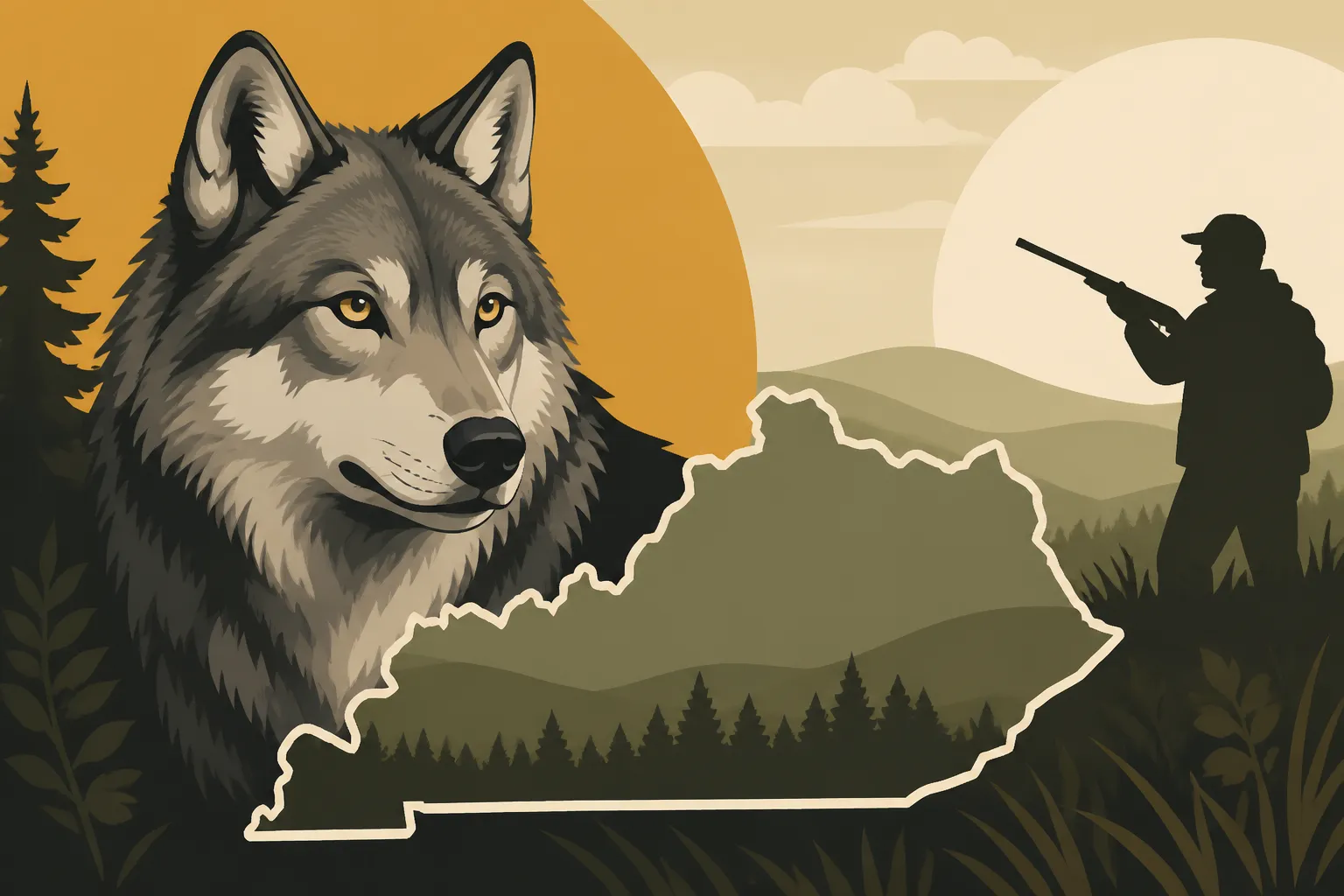
For many of us who cherish Kentucky's wild places, it's easy to look out over a ridge or across a river bottom and imagine only the deer, turkeys, and maybe even a black bear or coyote that roam there now. But turn back the clock a few hundred years, and Kentucky's forests echoed with a different chorus – the howl of wolves. This guide delves into the forgotten history of these magnificent predators in the Bluegrass State, exploring their vital role, the reasons for their disappearance, and the lasting legacy of their absence.
Kentucky's Original Apex Predators: Wolves in the Early Frontier
Imagine Kentucky before extensive settlement, a land of vast, unbroken forests, cane brakes, and sprawling meadows. This was a true wilderness, teeming with an incredible array of wildlife. At the top of this intricate food web, playing a critical role in maintaining the balance of nature, were wolves. These were not just any predators; they were the architects of herd health and the natural regulators of the entire ecosystem.
The Species That Roamed the Bluegrass
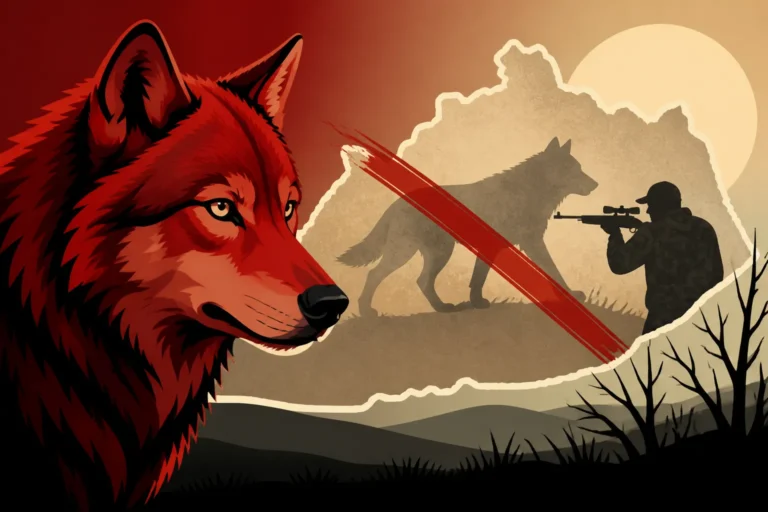
Historical accounts and archaeological evidence suggest that both the gray wolf (Canis lupus) and the red wolf (Canis rufus) likely inhabited Kentucky. The gray wolf, known for its larger size and adaptability, would have been more prevalent in the expansive, wilder territories, particularly in the mountainous east and the rugged terrain that characterized much of the state. These were powerful, intelligent animals, often weighing well over a hundred pounds, hunting in highly organized packs that could effectively take down large prey. Their coats varied from shades of gray to black, sometimes even a reddish tint, allowing them to blend seamlessly into the dense woods.
The red wolf, often a bit smaller and more reddish in coloration, historically occupied a range that included much of the southeastern United States, potentially overlapping with gray wolves in certain areas of Kentucky. There's been a long debate among naturalists and historians about the exact historical range and genetic distinctions between these two species, especially where their territories converged. Regardless of the precise scientific classification at the time, what is clear is that large, pack-hunting canids were a dominant force across the landscape. They were incredibly elusive, masters of their environment, and their presence would have shaped the behavior and populations of every other creature around them. You might also be interested in learning about Red Wolf History in Kentucky specifically, as their story is distinct yet intertwined with the broader narrative of wolves in the region.
A Crucial Role in the Ecosystem
The wolves were not simply hunters; they were vital components of a healthy, functioning ecosystem. Their primary role was to prey on the weak, old, or sick individuals within the abundant herds of white-tailed deer, elk, and even Kentucky Bison History Before Settlement. By selectively removing these vulnerable animals, wolves ensured that the remaining prey populations were stronger, healthier, and more resilient to disease. This natural selection process prevented overgrazing, allowing vegetation to thrive and supporting a wider variety of other species.
Think of the impact on the Kentucky Fawn Survival Rates. While wolves would have certainly taken fawns, their long-term effect was to produce stronger does better equipped to raise healthy offspring, leading to a robust overall deer population. This is a stark contrast to modern discussions around Kentucky Predator Impact on Fawn Recruitment, where coyotes often fill a similar but less structured niche due to their different hunting patterns and social dynamics. Without wolves, the natural checks and balances that had evolved over millennia began to unravel, leading to shifts in vegetation patterns and potential overpopulation of ungulates in certain areas. Their presence fostered a dynamic equilibrium, a wild harmony that is hard for us to fully comprehend today.
The Pressure Builds: Conflict and the Path to Extirpation
The arrival of European settlers marked a turning point for Kentucky's wolves. What had once been a vast, wild domain where wolves thrived, slowly began to transform. The clash between human expansion and the natural order of the wilderness set the stage for the eventual disappearance of these iconic predators.
European Settlement and Shifting Perceptions
As pioneers pushed westward into Kentucky in the late 18th and early 19th centuries, they brought with them not just their families and aspirations, but also a deeply ingrained fear and misunderstanding of large predators. The wilderness, to many settlers, was something to be tamed, and its inhabitants often viewed as obstacles. Forests were cleared for agriculture, settlements grew, and fences were erected. With these changes came domestic livestock – cattle, sheep, and hogs – which represented a significant investment and source of sustenance for these burgeoning communities.
For wolves, the expanding human presence meant not only habitat loss but also a new, easily accessible food source. A calf or lamb, often left unattended, was far easier prey than a wary, full-grown wild deer or elk. This led to inevitable conflicts. What was natural behavior for a wolf trying to feed its pack was perceived by settlers as wanton destruction and a direct threat to their livelihoods. The romanticized image of the noble wolf was nowhere to be found in the daily struggles of a frontiersman trying to protect his meager herd. This fundamental clash of interests created an immediate and intense pressure on wolf populations, painting them as villains rather than critical parts of the ecosystem.
Bounties, Traps, and the Relentless Pursuit
The response to this perceived threat was swift and systematic: extermination. Kentucky, like many other frontier states, implemented bounty programs designed to encourage the killing of wolves. These bounties offered monetary rewards for wolf scalps, effectively turning every settler, hunter, and trapper into a participant in a statewide eradication campaign. It wasn't just about protecting livestock; it was about conquering the wilderness and removing any challenge to human dominance. Imagine the grim determination of those early Kentuckians, setting traps, organizing wolf drives, and hunting them relentlessly.
The methods were varied and brutal, from steel traps and poison to organized hunts with dogs, often targeting dens to eliminate pups. This wasn't just individual effort; county governments and even the state encouraged and subsidized these killings. There was no concept of predator management as we understand it today, only eradication. The aim was clear: remove wolves entirely from the landscape. It was a relentless, decades-long campaign that, unfortunately for the wolves, proved incredibly effective. The pressure was constant, leaving no safe haven for the packs that once roamed freely. These efforts laid the groundwork for policies that would shape Kentucky Bear Harvest Trends and other predator management strategies much later, though with vastly different philosophies.
Echoes and Lessons: The Absence of Wolves in Modern Kentucky
Today, the howl of a wild wolf is absent from Kentucky's hills and hollows. Their extirpation represents a significant ecological loss, and while our understanding of wildlife management has evolved dramatically, their absence continues to shape the state's natural landscape.
The Last Known Sightings and Official Disappearance
Pinpointing the exact "last wolf" in Kentucky is nearly impossible, as the decline was gradual and poorly documented by modern scientific standards. By the mid-19th century, wolf populations were drastically reduced, with sightings becoming increasingly rare. Most historians and wildlife biologists estimate that wolves were effectively extirpated from Kentucky by the late 1800s, likely sometime between the 1880s and the very early 1900s. The last confirmed reports often came from the more remote, rugged regions of Eastern Kentucky, areas that offered the final, fleeting refuges for these tenacious animals. Imagine a lone wolf, perhaps driven from its traditional territory, desperately trying to find a mate or a safe place to raise pups in an increasingly hostile and fragmented landscape.
These final years would have been a desperate struggle for survival, a testament to the resilience of the species even as the odds stacked overwhelmingly against them. The lack of clear historical records means there isn't a single, definitive moment we can point to and say, "That was the end." Instead, it was a slow fade, a gradual silencing of a sound that had been a part of Kentucky for millennia. Today, if you hear a "wolf howl" in Kentucky, it's almost certainly a coyote, a testament to how effectively these historical campaigns achieved their goal. You can find out more about the modern wild canine population in Coyotes and Predators in Kentucky.
A Changed Landscape and the Role of Other Predators
The extirpation of wolves left a significant void in Kentucky's ecosystem. Nature, however, abhors a vacuum, and other species eventually began to fill some of the niches left open. The most prominent example is the coyote (Canis latrans), which began expanding its range eastward across North America in the early to mid-20th century. While coyotes are opportunistic and adaptable, thriving in landscapes altered by humans, they are not the ecological equivalent of wolves. Coyotes are generally much smaller, rarely hunt in large, coordinated packs, and primarily target smaller prey, although they will take fawns and other vulnerable deer. Kentucky Coyote Range and Density has expanded significantly over the past century, and they are now a ubiquitous presence.
Kentucky has also seen the remarkable recovery of its Kentucky's Black Bear Population in the eastern part of the state. While bears are also apex predators, their diet is highly omnivorous, consisting heavily of nuts, berries, and insects, in addition to opportunistic predation on fawns or carrion. They don't typically exert the same kind of selective pressure on large ungulate herds as wolves once did. The absence of wolves means that deer populations are primarily regulated by human hunting, Kentucky Wildlife Disease Monitoring, and the impact of other opportunistic predators. This highlights how profoundly the removal of one species can ripple through an entire ecosystem, altering the dynamics of all those remaining.
| Feature | Historical Kentucky Wolves (Gray/Red) | Modern Kentucky Coyotes | Modern Kentucky Black Bears |
|---|---|---|---|
| Average Size | Large (70-120+ lbs) | Medium (25-45 lbs) | Large (150-500+ lbs) |
| Primary Diet | Large ungulates (deer, elk, bison) | Small mammals, deer, carrion, fruit | Omnivorous (nuts, berries, insects, fawns) |
| Social Structure | Highly social packs | Smaller packs/family groups | Largely solitary, except females with cubs |
| Ecological Role | Apex predator, ungulate population control | Opportunistic predator/scavenger | Opportunistic omnivore, seed disperser |
| Current Status | Extirpated (gone) | Widespread, abundant | Recovering, expanding range |
| Management | Historical extermination | Managed as furbearer/predator | Managed with quotas |
The Enduring Legacy and Conservation Conversations
The extirpation of wolves from Kentucky serves as a powerful, albeit somber, lesson in wildlife management and the far-reaching consequences of human actions. It underscores the critical importance of apex predators in maintaining ecological balance, a concept that was poorly understood in the era of westward expansion. While the idea of wolf reintroduction in Kentucky occasionally surfaces in conservation discussions, it's currently not a widely considered or feasible option given the state's current landscape, population density, and the presence of livestock. The sheer scale of wilderness required to support a self-sustaining wolf population without significant human-wildlife conflict is simply not present in modern Kentucky.
However, the legacy of the wolf lives on in the collective memory of the land and in the ongoing efforts to manage Kentucky's Black Bear Population and protect species like the Kentucky elk herd. We now approach predator management with a greater understanding of ecology, striving for balance rather than eradication. The story of Kentucky's wolves reminds us of what was lost, prompting us to be more thoughtful stewards of the wildlife we still have, from the smallest rabbit to the largest elk. It encourages us to appreciate the complex web of life and the intrinsic value of every species, recognizing that all creatures, even those we might view as competitors, play a role in the health of our shared natural heritage. It's a reminder that once a species is gone, it's often gone for good, becoming part of the list of Game You Cannot Hunt in Kentucky.
Disclaimer
This article is for general informational purposes only and does not constitute professional advice. Laws, prices and regulations vary by location and change over time. Consult a qualified professional for guidance on your specific situation.