Kentucky Bear Harvest Trends
It can feel like Kentucky's black bear population just appeared overnight, and with it, a whole new layer of complexity for hunters trying to understand the actual trends and management decisions. It’s hard to cut through the noise and figure out what the harvest numbers truly mean for the future of bear hunting in the Bluegrass State. This guide is here to unravel the current Kentucky bear harvest trends, dive deep into the data, and explain the factors shaping the future of these magnificent animals in our wild places.
Understanding Kentucky's Bear Population Growth
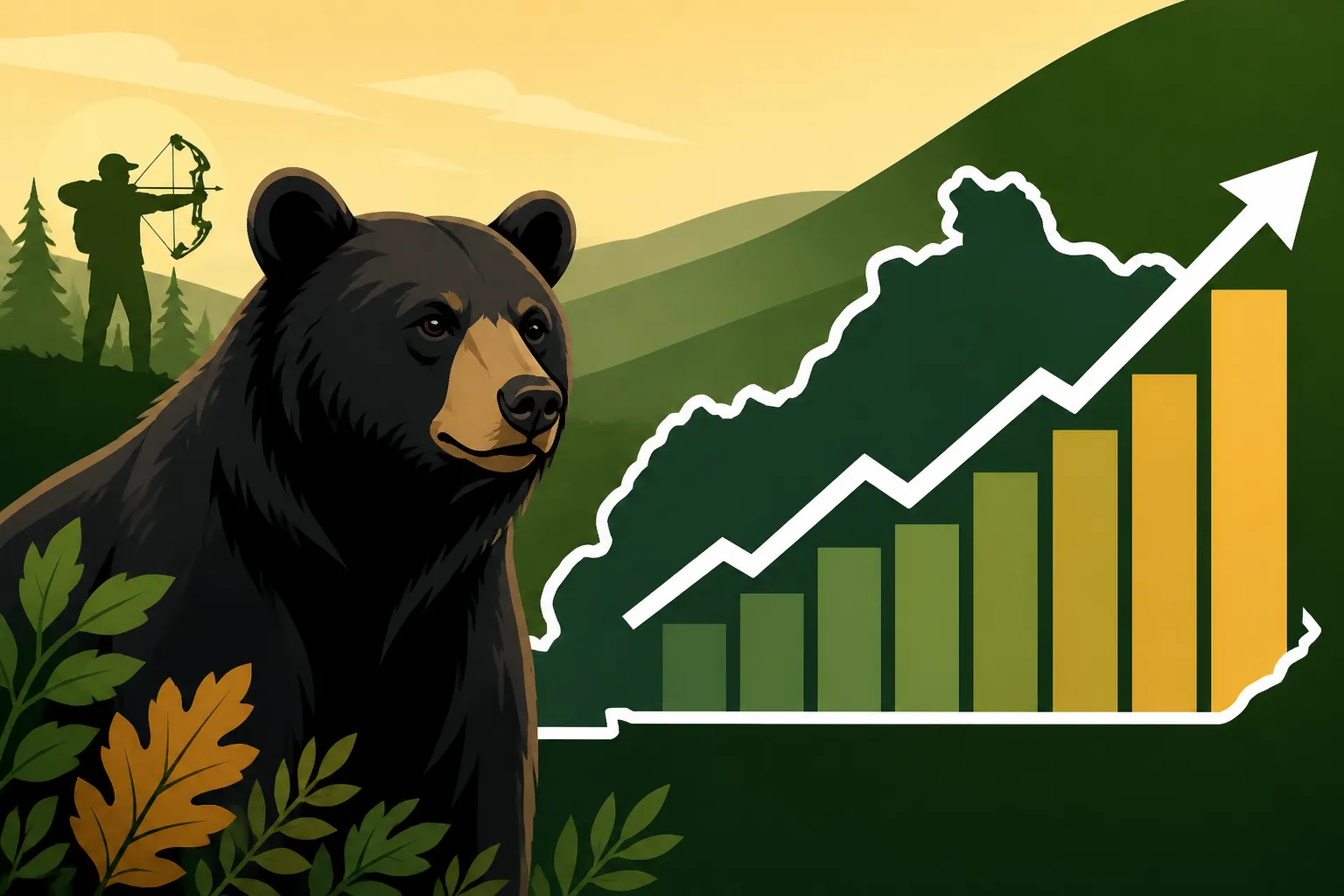
For many years, the idea of hunting a black bear in Kentucky might have sounded like a distant dream, something reserved for states much further north or west. But oh, how things have changed! Kentucky’s bear population has seen an incredible resurgence, a true testament to conservation efforts and the bears' natural resilience. It’s not just a few stragglers anymore; we have a growing, thriving population, primarily in the eastern part of the state.
Historical Context of Bear Recovery
Believe it or not, black bears were once common across Kentucky. However, habitat loss due to logging, agriculture, and unregulated hunting in the 1800s and early 1900s pushed them to the brink of extirpation. By the mid-20th century, sightings were exceedingly rare, often believed to be transient bears wandering in from neighboring states like West Virginia or Virginia. The mountains of southeastern Kentucky, particularly around the Big South Fork National River and Recreation Area, provided a crucial refuge and served as a natural corridor for bears migrating back into the state. It was a slow process, but as forest habitats began to recover and protective regulations were put in place, these resilient creatures found their way back. It’s a conservation success story that few states can match. Understanding this history is vital to appreciating the management strategies in place today and how far we’ve come.
Current Population Estimates and Distribution
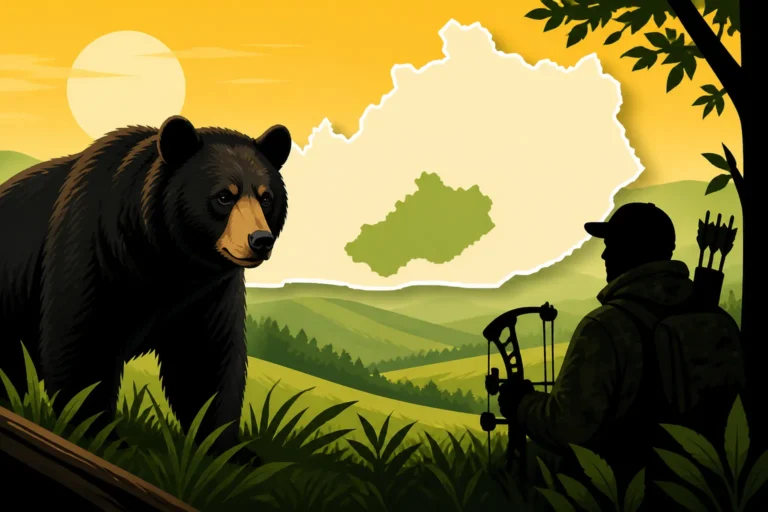
Today, the Kentucky Department of Fish and Wildlife Resources (KDFWR) estimates a robust and increasing black bear population, primarily concentrated in the mountainous counties of eastern Kentucky. While exact numbers are always tricky to pin down for wild, wide-ranging animals, estimates suggest several hundred bears now call Kentucky home. Their primary stronghold remains in the southeastern counties, encompassing areas like Harlan, Letcher, Pike, Bell, and Leslie, extending into Knox and Whitley counties. However, as the population grows and expands, bears are increasingly sighted in more central and even some western counties. This expansion isn't always met with open arms by everyone, leading to more frequent human-bear interactions, especially in areas where agriculture or residential development borders prime bear habitat. The KDFWR continually monitors this expansion through various methods, including remote cameras, public sighting reports, and harvest data, to get a clearer picture of where bears are moving and how dense their numbers are in different regions. This data is critical for adaptive management, ensuring that hunting opportunities align with population health and public safety.
Kentucky's Bear Management Philosophy
Managing a recovered apex predator like the black bear comes with its own unique set of challenges and responsibilities. The KDFWR has developed a comprehensive bear management plan aimed at fostering a healthy, sustainable bear population while simultaneously addressing public concerns and providing regulated hunting opportunities. It’s a careful balancing act that evolves as the bear population itself expands and changes.
Balancing Conservation and Opportunity
At the core of Kentucky's bear management philosophy is a commitment to conservation. The KDFWR wants to ensure that the bear population continues to thrive and grow, expanding its range into suitable habitats across the state. This means closely monitoring population health, reproductive rates, and overall distribution. However, an increasing bear population also brings increased interactions with humans, which can lead to conflicts over property damage, livestock depredation, and safety concerns. This is where regulated hunting plays a crucial role. Hunting is viewed not just as a recreational activity but as a vital tool for population management, helping to stabilize numbers in certain areas, manage densities, and disperse bears into new territories. It's about finding that sweet spot where both bears and people can coexist, with hunting serving as a primary mechanism to achieve that ecological and social balance. It also provides valuable data through harvest reports, which is essential for ongoing scientific monitoring.
The Evolution of Harvest Quotas and Zones
Kentucky's bear hunting regulations have seen significant changes as the population has grown. Initially, when the hunt was established, strict harvest quotas were set for specific bear zones, often differentiated by sex (male or female) and hunting method (archery/crossbow or firearms). These quotas were designed to be extremely conservative, allowing only a minimal number of bears to be harvested to ensure the population continued its upward trajectory. For instance, hunters might recall early seasons with a statewide quota of a dozen bears total, or perhaps specific county quotas. However, as the bear population exploded, these quotas became more challenging to manage. The KDFWR realized that the population had grown sufficiently robust that strict, immediate quotas could sometimes be met so quickly that hunters barely had a chance to get into the woods, especially with the surge in interest. This led to a significant shift in philosophy, and if you've been following the news, you know that Kentucky dropped the bear harvest quota in favor of a harvest objective approach. Instead of closing the season once a set number is reached, the KDFWR now focuses on achieving a target range for the annual harvest. This objective allows for greater flexibility and opportunity for hunters while still providing the KDFWR with the data they need to manage the population responsibly. This is a game-changer for many hunters who previously faced the frustration of a season closing before they even had a chance to participate. The zones themselves have also evolved, with the creation of Kentucky's New Bear Zone Three, for example, reflecting the natural expansion of bears into new counties.
Analyzing Kentucky's Annual Bear Harvest Data
Delving into the annual bear harvest data is like reading the pulse of Kentucky's bear population. These statistics aren't just dry numbers; they tell a story about where bears are thriving, how hunting pressure is distributed, and the overall health and demographic structure of the herd. For any serious hunter, or just someone fascinated by wildlife management, these reports are invaluable.
Key Metrics in Harvest Reports
When the KDFWR releases its annual bear harvest reports, there are several key metrics that wildlife biologists and hunters alike pore over. First and foremost is the total number of bears harvested. This headline figure gives an immediate sense of the season's success and contributes to understanding population trends. But the real depth comes from breaking down that total. Reports often detail the number of bears harvested by sex (male or female). This is crucial for management, as a healthy population typically requires a certain ratio, and an excessive female harvest could impact future reproduction. The average weight of harvested bears, especially by age class, can indicate food availability and overall bear health.
Another important metric is the method of harvest – how many bears were taken with archery gear, crossbows, or firearms. This helps assess hunting pressure across different seasons and weapon types. Geographic distribution is also key, showing which counties or zones are yielding the most bears, indicating areas of higher bear density or hunter effort. Age class data, often determined by analyzing a bear's tooth, provides critical insights into the population's age structure, reproductive potential, and overall stability. For those interested in deeper insights, tools like those offered by GoHunt often integrate publicly available harvest data, allowing hunters to visualize trends and make more informed decisions when planning their hunt. All this information is meticulously collected and analyzed by KDFWR to fine-tune future regulations and ensure sustainable hunting opportunities.
Regional Differences in Harvest Success
The landscape of Kentucky is diverse, and so is the success rate for bear hunters across different regions. Historically, the vast majority of bears have been harvested in the core mountainous counties of southeastern Kentucky, such as Harlan, Letcher, and Pike. These areas boast extensive forested habitat, less human encroachment in many places, and have been the primary range for bears during their recovery. You’re more likely to encounter dense populations and established bear travel corridors in these parts.
However, as the bear population expands, we're starting to see harvest numbers trickle in from counties further west and north. While these harvests might be lower in number, they signify the expansion of the bear's range and highlight new hunting opportunities. The success rates can also vary significantly based on public versus private land. On large tracts of public land like the Daniel Boone National Forest, hunter pressure can be higher, making bears more wary. On private lands, often with better food sources and less pressure, success rates might be higher for those who gain access. Understanding these regional nuances is critical for hunters to effectively plan their hunts, whether they're still-hunting eastern Kentucky ridges or considering areas where bears are just beginning to establish a stronger foothold.
Kentucky Black Bear Harvest Data (Recent Typical Year Example)
| Year | Total Harvest | Male Bears | Female Bears | Archery/Crossbow | Firearms | Heaviest Bear (lbs) | Top 3 Harvest Counties |
|---|---|---|---|---|---|---|---|
| 2022 | 105 | 68 | 37 | 25 | 80 | 495 | Harlan, Letcher, Pike |
| 2023 | 120 | 75 | 45 | 30 | 90 | 520 | Harlan, Bell, Leslie |
| 2024 (projected) | 130-140 | 80-90 | 50-55 | 35-40 | 95-100 | 550+ | Bell, Harlan, McCreary |
Note: This table provides hypothetical data for illustrative purposes of typical harvest trends. Actual KDFWR harvest data should always be consulted for official figures.
Factors Influencing Bear Harvest Trends
Bear harvest trends are not static; they ebb and flow with a variety of environmental and human-related factors. Understanding these influences is key to interpreting past season results and anticipating future outcomes. It’s a dynamic interplay that makes bear hunting in Kentucky both challenging and rewarding.
Habitat Changes and Food Availability
One of the most significant drivers of bear harvest trends, and bear activity in general, is habitat quality and food availability. Bears are opportunistic omnivores, and their movements are heavily dictated by the search for calories. Years with abundant mast crops—acorns, hickory nuts, and other hard mast—often see bears more widely dispersed, as they don't have to travel as far to find food. This can sometimes make them harder for hunters to pattern. Conversely, a poor acorn year can concentrate bears around alternative food sources, such as soft mast (berries, fruits), agricultural fields (corn, soybeans), or even human-provided food sources (bird feeders, garbage). This concentration can sometimes lead to increased hunter success in specific, scouted areas.
Forest management practices, such as timber cuts and prescribed burns, also play a role. Fresh clear-cuts can provide new growth and berries, attracting bears, while older, mature forests offer diverse mast crops. As the landscape changes, so do the bears' travel patterns and feeding habits, directly impacting where and when hunters encounter them. Being attuned to these environmental shifts, perhaps even using a mapping tool like GoHunt to analyze habitat types, can give hunters a significant edge.
Hunter Effort and Participation
The human element is another critical factor. The number of hunters participating in the bear season directly impacts harvest numbers. As Kentucky's bear population grows and success stories spread, more hunters are naturally drawn to the opportunity. Increased hunter effort—more days spent in the woods, more scouting, better equipment—can translate into higher harvest totals. Conversely, a dip in hunter numbers or poor weather conditions that deter hunters could result in lower harvest figures, even if the bear population is healthy.
Beyond just the sheer number of hunters, the quality of hunter effort matters. Hunters who put in the time to scout, understand bear behavior, and learn the local terrain are more likely to be successful. Education and experience also play a role; as more hunters gain experience chasing bears in Kentucky, their collective success rate tends to improve, pushing harvest numbers higher. The KDFWR often tracks permit sales and participation rates to correlate with harvest data, providing a fuller picture of the hunting pressure applied each season.
Weather Conditions and Bear Activity
Perhaps nothing influences a hunting season quite as dramatically as the weather. For bear hunting, specific weather patterns can significantly alter bear activity and, consequently, harvest trends. Mild fall temperatures, for instance, might keep bears active longer, delaying their denning behavior and extending the window of opportunity for hunters. Conversely, an early, severe cold snap or heavy snowfall can push bears into their dens much sooner, effectively shortening the active hunting season.
Rain and wind can also affect both bears and hunters. Bears might hunker down during heavy rain, making them less mobile, but they might also become very active immediately after a front passes. High winds make it difficult for hunters to hear approaching animals or safely sit in treestands. A deep understanding of how Wind and Thermals on a Kentucky Ridge influence animal movement is vital for success, particularly when pursuing bears in mountainous terrain. Persistent periods of warm weather can also pose challenges for meat care, especially during the early archery season, influencing how long a hunter might stay out after a harvest.
Navigating Kentucky's Bear Hunting Regulations
Understanding Kentucky's bear hunting regulations isn't just about reading a pamphlet; it's about staying abreast of a constantly evolving rulebook designed to manage a dynamic game species. The KDFWR makes adjustments based on population data, harvest trends, and public input, meaning what was true last year might have changed this year.
Evolution of Bear Zones and Season Dates
When Kentucky's regulated bear season first opened, it was a very limited affair, both in geographic scope and duration. Initially, only a handful of eastern counties were open, designated as Bear Zone One and Two. These zones were drawn based on the core population strongholds and the known distribution of bears at the time. Over the years, as the bear population has expanded its range, the KDFWR has responded by expanding the huntable area. For example, the establishment of Bear Zone Three, incorporating counties like Clinton and Wayne, is a direct result of increased bear sightings and established populations in these new territories.
Season dates have also seen adjustments. While the framework for archery/crossbow and firearms seasons generally remains, specific opening and closing dates, as well as the duration of each segment, can shift slightly from year to year. These changes are not arbitrary; they are carefully calculated to align with biological factors like breeding cycles and denning periods, as well as to manage overall harvest pressure. Keeping a close eye on the KDFWR hunting guide each year is paramount, as is understanding the specific rules for each zone, as they can differ in terms of weapon types allowed or even specific days of the week.
The Impact of Changing Quotas and Rules
As mentioned earlier, a significant shift in Kentucky's bear hunting strategy has been the move away from strict harvest quotas to a harvest objective. This rule change was monumental for hunters. In the past, hunters faced the anxiety of a season potentially closing within hours or days if the quota was quickly met. This often led to rushed hunts, or hunters missing the window entirely. For instance, the original strategy to drop the bear harvest quota was primarily in response to the population's robust growth and the logistical challenges of communicating immediate closures to a dispersed hunting community.
Now, with a harvest objective, the season typically runs for its full prescribed duration, offering hunters a more predictable and less pressured experience. This allows for more deliberate hunting strategies, better scouting, and a more enjoyable pursuit. This shift also reflects the KDFWR's confidence in the health of the bear population, indicating that it can sustain a higher, more consistent harvest without impacting its long-term viability. However, hunters still have a responsibility to adhere to all other regulations, such as checking their bear within the specified timeframe and providing necessary biological samples. This data remains critical for the KDFWR to assess whether the harvest objective was met, exceeded, or fell short, informing future management decisions.
Challenges and Future Outlook for Kentucky Bear Hunting
While Kentucky's black bear population is a tremendous conservation success, it's not without its challenges. As bears continue to expand their range and interact more frequently with human populations, managing these interactions and ensuring the long-term health of the species will require ongoing vigilance and adaptive strategies.
Human-Bear Conflict and Management
With more bears comes more potential for conflict. As bears move into more populated or agricultural areas, encounters with humans and property damage become more common. This can range from bears raiding garbage cans and bird feeders in suburban areas to depredation of livestock or damage to cornfields in rural farm country. These conflicts often lead to negative public perception, which can, in turn, put pressure on wildlife agencies to manage bear populations more aggressively.
The KDFWR actively works to mitigate these conflicts through public education campaigns, advising residents on how to "bear-proof" their properties and minimize attractants. Relocation of nuisance bears is sometimes an option, but it's often a temporary solution, and bears can travel vast distances to return to familiar areas or find new food sources. Regulated hunting plays a crucial role here, as it can help manage bear densities in areas where conflicts are highest, thereby reducing the overall number of negative interactions. It's a delicate balance to strike, ensuring public safety and economic well-being while protecting a cherished wildlife species.
Adapting to Evolving Bear Populations and Habits
The future of bear hunting in Kentucky will undoubtedly require continuous adaptation. As bears continue to expand, their habits and distribution will evolve. Bears are incredibly intelligent and adaptable animals. They learn quickly, whether it's where to find an easy meal or how to avoid hunter pressure. Hunters will need to adapt their strategies, too. This might mean exploring new areas where bears are just establishing themselves or learning new tactics for hunting bears that have become more wary due to increased pressure.
Climate change could also play a role, influencing mast crop availability, denning patterns, and overall bear activity levels. The KDFWR will need to remain agile, continually analyzing data from annual harvests, research projects, and public reports to make informed decisions about season structures, zone boundaries, and harvest objectives. The success of Kentucky's bear program over the last few decades demonstrates a strong capacity for adaptive management, which bodes well for the future. For hunters, this means staying informed, embracing new challenges, and appreciating the incredible privilege of pursuing such a magnificent animal in the wild mountains and forests of Kentucky.
Disclaimer
Hunting is an inherently dangerous activity. This guide provides general information and should not replace official regulations. Always consult the most current Kentucky Department of Fish and Wildlife Resources (KDFWR) hunting guide and local laws before planning any hunting trip. Safety should always be your top priority.