Kentucky Turkey Harvest Numbers
It's incredibly frustrating, isn't it? You spend hours scouting, patterning your shotgun, and practicing your calls, only to wonder if your efforts are even aligned with what's actually happening out there in the woods. Sometimes it feels like you're hunting blind, without a real grasp of how the overall turkey population is doing or what success rates look like across the state. This guide is here to pull back the curtain on Kentucky's wild turkey harvest numbers, helping you understand the data, what it means for the health of our flocks, and how you can use this knowledge to become a more informed and successful hunter.
Understanding Kentucky's Turkey Harvest Data
When we talk about hunting, especially for a prized game bird like the wild turkey, understanding the numbers is more than just statistics; it’s about knowing the pulse of the flock. Kentucky is blessed with a thriving turkey population, a testament to decades of diligent conservation efforts, and the harvest data is our window into that success. This information helps us, as hunters, appreciate the resource and, just as importantly, helps the Kentucky Department of Fish and Wildlife Resources (KDFWR) manage it sustainably for future generations.
Why Harvest Numbers Matter to Hunters
For many of us, the spring woods come alive with the thunderous gobble, drawing us in year after year. But beyond the thrill of the hunt, knowing the big picture of turkey harvest numbers can significantly refine your approach. If you see a consistent dip in harvests in your usual hunting area, it might signal a localized population decline, perhaps due to habitat changes or increased predation. Conversely, rising numbers could point to a healthy, expanding flock, making a particular region worth investigating. This data isn't just for biologists; it's a valuable tool in your hunting arsenal, helping you strategize where and when to focus your efforts. It can inform your decision to try a new WMA or re-evaluate an old favorite, ensuring your precious time in the field is spent wisely.
Moreover, these numbers offer a reality check. While we all dream of bagging a trophy tom every season, understanding the statewide success rates helps manage expectations and appreciate every bird taken. It fosters a deeper connection to the wildlife management process, making us more engaged stewards of the land. When you see how many birds are being harvested, it grounds your own experiences within the larger context of Kentucky's robust turkey hunting tradition.
How the Kentucky Department of Fish and Wildlife Resources Collects Data
The KDFWR relies on a mandatory reporting system called Telecheck, which is absolutely crucial for gathering accurate harvest data. Every single turkey harvested in Kentucky, whether it's a spring gobbler or a fall bird, must be reported through Telecheck by 8:00 PM on the day the animal is taken. This isn't just a suggestion; it's a critical part of our hunting regulations, and compliance ensures the KDFWR has the most up-to-date and complete picture of the harvest.
Hunters can report their harvest online via the KDFWR website, through the official Kentucky Hunting & Fishing app on their smartphone, or by calling a toll-free number. When you telecheck a bird, you'll provide information like your hunting license number, the county where the bird was harvested, the date of harvest, and often details about the bird itself, such as sex and whether it was bearded. This system allows biologists to track real-time harvest data, identify trends, and make informed decisions about season lengths, bag limits, and other management strategies. Without every hunter doing their part to accurately report their harvest, the integrity of this vital data would be compromised, making effective management much more challenging.
Differentiating Spring and Fall Harvests
Kentucky hunters are fortunate to have both a vibrant spring and a fall turkey season, but the harvest numbers from these two periods tell vastly different stories. The spring season, focused on adult gobblers, is by far the more popular and productive hunt, generating the bulk of Kentucky's annual turkey harvest. Hunters are actively pursuing vocal, breeding birds, often using calls and decoys, resulting in higher participation and success rates. It's the classic turkey hunting experience, and the numbers reflect that intense effort.
The fall season, on the other hand, includes both archery and a shorter shotgun season, offering unique opportunities but typically yielding much lower harvest numbers. Fall turkeys are less vocal and are often hunted differently, with a focus on breaking up flocks and calling birds back in, or simply encountering them while deer hunting. The overall hunter effort specifically targeting turkeys in the fall is considerably less than in the spring, and the tactical approaches vary. Understanding this distinction is key when analyzing the KDFWR's annual harvest reports; comparing a spring harvest directly to a fall harvest without acknowledging these differences would be like comparing apples and oranges. The lower fall numbers don't necessarily indicate a poor turkey population, but rather a different hunting dynamic and level of participation.
Kentucky's Spring Turkey Harvest Trends
The spring turkey season is the undisputed main event for Kentucky turkey hunters. The sound of a gobbler ringing through the hills at dawn is infectious, and it draws thousands of hunters into the woods each year. The harvest numbers from this season are the most scrutinized and tell us a great deal about the health and availability of our wild turkeys.
Analyzing Historical Spring Harvest Figures
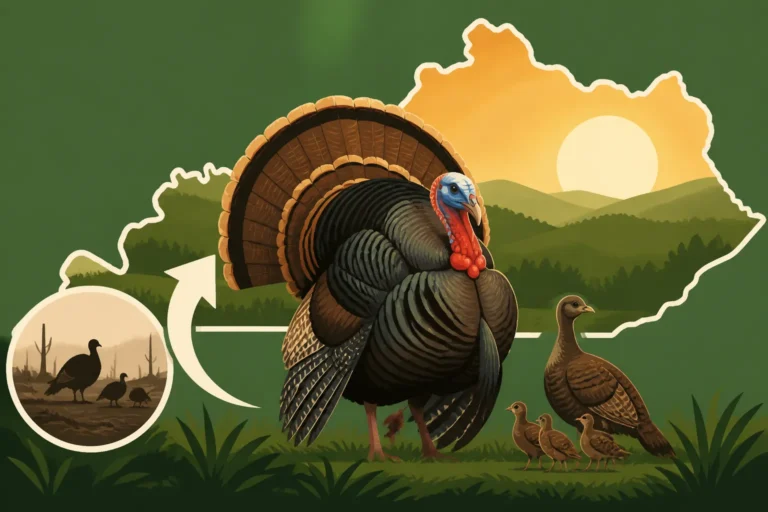
Kentucky has seen a remarkable success story in its wild turkey restoration efforts, leading to consistently strong spring harvests for decades. Looking at the past few years, we can observe some fluctuations, but the overall picture remains robust. For example, in 2023, Kentucky hunters harvested approximately 29,400 wild turkeys during the spring season. While this was a slight dip from the record-setting 31,701 birds taken in 2022, it was still above the five-year average, indicating a healthy and thriving population. These slight variations year-to-year are completely normal and can be influenced by a multitude of factors, from weather patterns to acorn crops to hunter pressure.
Historically, KDFWR data shows a general upward trend in spring turkey harvests since the restoration efforts truly took hold in the late 20th century. This consistent performance speaks volumes about the successful management strategies employed by the KDFWR, ensuring that hunters have ample opportunities each spring. You can often track these trends yourself using online resources, and platforms like GoHunt sometimes compile this kind of historical data, which can be invaluable for long-term planning. It helps to keep in mind that a single "down" year isn't necessarily a cause for alarm, but sustained drops over several seasons would warrant closer examination.
Factors Influencing Annual Spring Success
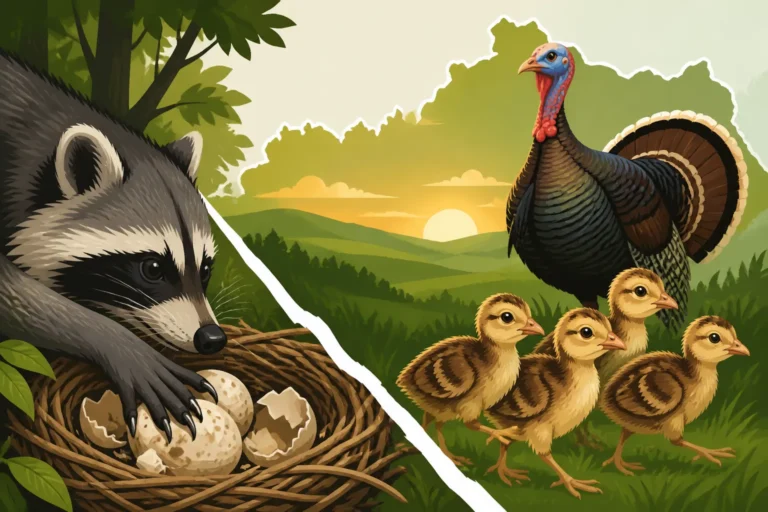
Several critical elements intertwine to shape the success of any given spring turkey season. Weather, for instance, plays a huge role. A mild, early spring can sometimes get birds breeding and dispersed before the season even opens, making them harder to locate. Conversely, a late, cold spring can delay breeding behavior, keeping gobblers "henned up" more, meaning they're less likely to respond to a hunter's calls. Heavy rains during nesting season, particularly in May and June when poults are vulnerable, can drastically impact the poult-to-hen ratio for the following years, affecting future hunter success.
Habitat conditions are also paramount. Areas with good mast crops the previous fall (like acorns, beechnuts, or dogwood berries) typically support healthier turkey populations, leading to better overwinter survival and stronger birds come spring. The presence of suitable nesting cover and brood-rearing habitat is equally important for reproductive success. If an area has seen significant timber harvest or development, it can alter turkey movement and concentration, requiring hunters to adapt. Learning to read a ridge for Cumberland deer can sometimes also provide insights into where turkeys might be feeding or traveling, as both species often utilize similar food sources and terrain features.
Regional Differences in Spring Harvest
Kentucky is a diverse state, from the rugged mountains of the east to the fertile farmlands of the west, and these regional differences are clearly reflected in the spring turkey harvest numbers. Generally, some of the highest harvests come from counties in the western and south-central parts of the state, areas known for a mix of agriculture and timber that provides ideal turkey habitat. Counties like Christian, Butler, Logan, and Pulaski often rank among the top producers, consistently yielding hundreds of birds each season. These regions offer large tracts of suitable land and often experience less hunting pressure per acre compared to more populated areas.
In contrast, the more heavily forested, steep terrain of Eastern Kentucky, while offering incredible beauty and solitude, can sometimes present a tougher challenge. Turkeys are there, of course, but the sheer vastness and ruggedness can make them harder to consistently locate and harvest. However, even within Eastern Kentucky, certain areas managed for timber or near agricultural pockets can produce excellent results. Hunters often find success by focusing on still-hunting Eastern Kentucky ridges where turkeys might be foraging. The Bluegrass Region, with its mix of rolling pastures and smaller woodlots, also contributes significantly to the statewide harvest, often producing older, heavier birds due to less expansive, but often higher quality, habitat. Each region demands a slightly different hunting strategy, and knowing these harvest patterns can help you tailor your approach to the specific landscape you're hunting.
Kentucky's Fall Turkey Harvest Dynamics
While the spring season gets most of the glory, Kentucky's fall turkey season offers a different, often more challenging, yet equally rewarding experience. The numbers certainly reflect this shift in dynamics, with considerably lower harvests compared to the spring. This isn't a sign of fewer turkeys, but rather a reflection of different hunting styles, bird behavior, and hunter priorities.
Overview of Fall Archery and Shotgun Harvests
Kentucky's fall turkey season is typically split into an archery-crossbow season that runs concurrently with deer archery season, and a shorter, separate fall shotgun season. The combined harvest from both of these segments is usually a fraction of the spring take. For instance, in Fall 2023, the total harvest for both archery and shotgun combined was around 2,242 birds. This is a stark contrast to the nearly 30,000 birds taken in the spring. The archery portion often accounts for the majority of the fall harvest, as many deer hunters will carry a turkey tag and take advantage of an opportunity if a flock presents itself.
The fall shotgun season is shorter and generally sees less participation. It requires a more dedicated effort to target turkeys specifically, often employing tactics like flock dispersal and calling. These numbers underscore the reality that fall turkey hunting is a niche pursuit for many hunters, often overshadowed by the lure of deer season. However, for those who embrace the challenge, it provides a unique chance to interact with turkeys in a completely different behavioral state.
Why Fall Harvest Numbers Are Typically Lower
There are several compelling reasons why Kentucky's fall turkey harvest numbers don't stack up to the spring's bounty. First and foremost, fall turkeys are generally far less vocal than their spring counterparts. The breeding season is over, and gobblers aren't actively seeking hens, meaning that classic, responsive calling is much less effective. Locating birds becomes a much greater challenge without the aid of a thunderous gobble. Instead, hunters must rely more on scouting, observation, and deciphering subtle turkey sounds.
Secondly, deer season is in full swing for much of the fall turkey archery season. Many hunters are primarily focused on deer, and while they might carry a fall turkey tag, turkeys are often a secondary target. This naturally reduces the dedicated effort put into turkey hunting. Furthermore, fall hunting techniques are different. Instead of sitting and calling, hunters might be still-hunting, working to break up flocks, or ambushing birds at feeding areas. These methods often require more movement and observation, which can be less efficient for harvesting large numbers of birds compared to the spring's focused calling strategies. Hunters often find themselves using fall turkey tactics with a shotgun to get closer to flocks.
Impact of Mast Crops on Fall Turkey Behavior and Harvest
Just like deer, wild turkeys are highly dependent on available food sources, and the fall mast crop can profoundly influence their behavior and, consequently, fall harvest numbers. In years with an abundant acorn crop, for example, turkeys will often spread out across the woods, spending their days foraging in various oak stands. This dispersal can make them harder for hunters to locate and pattern. They don't need to concentrate in specific areas as much if food is plentiful everywhere.
Conversely, in years with a poor mast crop, turkeys might be forced to concentrate around limited food sources, such as specific patches of persimmons, late-season grains in agricultural fields, or even around supplemental food plots if they are on private land. This concentration can sometimes make them easier to find, but it also means hunters might be competing for access to these limited hot spots. Understanding the annual mast report (which KDFWR often releases) can give you a significant advantage in the fall. If you know what the turkeys are eating, you know where they're likely to be, giving you a crucial edge in finding success during the quieter, more challenging fall hunts.
Interpreting the Data: What Harvest Numbers Tell Us About Population Health
Beyond the sheer thrill of a successful hunt, turkey harvest numbers offer a vital snapshot of the overall health and stability of Kentucky's wild turkey population. These figures are not just raw counts; they are indicators that, when analyzed alongside other biological data, help shape the future of turkey hunting in the Commonwealth.
The Role of Poult-to-Hen Ratios
One of the most crucial pieces of biological data that informs turkey population health, and by extension, future harvest numbers, is the poult-to-hen ratio. This metric is precisely what it sounds like: the average number of young turkeys (poults) observed per adult hen during late summer surveys. A high poult-to-hen ratio (often three poults per hen or more) indicates a successful nesting and brood-rearing season, suggesting a robust influx of young birds into the population. These young birds are the future gobblers and hens, ensuring continued hunting opportunities for years to come.
Conversely, a low poult-to-hen ratio might signal a challenging breeding season, perhaps due to adverse weather during nesting, high predation pressure on nests or poults, or poor habitat conditions. These lower recruitment numbers can lead to reduced turkey populations in subsequent years, which would eventually manifest as lower harvest numbers. KDFWR biologists meticulously track these ratios, as they are a forward-looking indicator, allowing them to anticipate population trends and adjust management strategies proactively. Understanding poult-to-hen ratios and what they mean is fundamental for any hunter interested in the long-term sustainability of turkey hunting.
Balancing Hunter Opportunity and Sustainable Populations
The KDFWR faces the delicate task of balancing hunter opportunity with the imperative of maintaining a healthy, sustainable turkey population. Harvest data is a cornerstone of this balancing act. Biologists use harvest numbers, along with poult-to-hen ratios, habitat assessments, and other population models, to determine appropriate season lengths, bag limits, and other regulations. Their goal is to allow enough harvest to provide enjoyable hunting experiences, while ensuring that enough birds remain to breed and replenish the population.
This isn't always easy, and it often involves difficult decisions. For example, if harvest numbers show a consistent decline, or poult-to-hen ratios fall below a healthy threshold, the KDFWR might consider reducing bag limits or shortening seasons to protect the population. Conversely, strong numbers might allow for slightly more liberal regulations. It's a dynamic process, informed by science and driven by the commitment to conservation. Our participation in Telecheck, along with adherence to all regulations, directly contributes to this delicate balance, helping ensure that the wild turkey continues to thrive across Kentucky. We all play a part in managing this incredible resource, and that's a responsibility we should take seriously.
External Threats to Kentucky's Turkey Population
While Kentucky's turkey population has been a phenomenal success story, it's not without its challenges and potential threats. Habitat loss and fragmentation, while perhaps not as severe in Kentucky as in some other states, remain an ongoing concern. Development, changing agricultural practices, and shifts in timber management can all impact the quality and quantity of suitable turkey habitat, affecting nesting success and overall carrying capacity.
Predation is another natural, yet impactful, factor. While predators like coyotes, bobcats, and raccoons are a natural part of the ecosystem, abnormally high populations of nest predators or predators of young poults can put additional pressure on turkey reproduction. Diseases, though less commonly a widespread threat to turkeys than, say, CWD for deer, can also emerge. The health of other game species can sometimes indicate broader environmental health; for instance, understanding Kentucky's Chronic Wasting Disease Surveillance Zone for deer reminds us that wildlife health is always a dynamic situation. KDFWR monitors these factors closely, as they can all contribute to fluctuations in poult-to-hen ratios and, ultimately, impact the overall harvest numbers. A truly sustainable turkey population requires vigilance against these external pressures.
Maximizing Your Own Kentucky Turkey Hunting Success
Understanding the statewide harvest numbers is a great first step, but how do you translate that big-picture knowledge into more successful days afield for yourself? It's about combining the broad trends with hyper-local scouting and adaptable tactics. Every year and every gobbler is different, but armed with data and a flexible mindset, you can significantly improve your odds.
Using Harvest Data to Plan Your Hunts
One of the most practical applications of turkey harvest data is in your hunt planning. Before you even set foot in the woods, take a look at the KDFWR’s county-by-county harvest reports from the previous season. Are there certain counties that consistently rank high in turkey harvests? This could indicate robust populations and good habitat. Conversely, if your usual spot has seen declining numbers, it might be time to expand your horizons. This data, often accessible through KDFWR's website or via mapping and hunting platforms like GoHunt, can highlight patterns of success that might not be immediately obvious.
Beyond county-level data, try to find localized information if available, perhaps from WMA-specific reports. If a particular area shows strong harvest numbers but you know it’s challenging terrain, it might be worth putting in the extra effort to scout. Use these reports not just to find where the most birds were taken, but also to identify areas with consistent success over multiple years, which suggests a stable population rather than a one-off fluke. You might even find insights into when birds were harvested, helping you time your own trips around peak activity. Don't just look at the raw numbers; try to see the story they tell about turkey distribution and hunter success.
Adapting to Changing Turkey Behavior
Unlike deer, which can be somewhat predictable in their movements, wild turkeys can be notoriously fickle. Their behavior shifts based on weather, time of season, hunting pressure, and food availability. Successful turkey hunters aren't rigid; they adapt. If you've planned a hunt around aggressive calling early in the season, but cold, wet weather has hens reluctant to breed and gobblers "henned up," you might need to shift to more subtle calling or even more active scouting. Consider run-and-gun turkey tactics on public land if birds aren't responding from one spot.
Later in the spring, after peak breeding, gobblers might become quieter or "gobble shy" due to increased hunter pressure. This is when patience, strategic setups near known travel corridors, or even silent ambushes become more effective. Fall turkeys, as discussed, require an entirely different approach, focusing on flock dynamics rather than breeding behavior. Always be ready to change your tactics. If your favorite call isn't working, try a different one. If the birds are silent, put on your boots and start looking for fresh tracks and droppings. Being flexible in your approach is often the difference between success and a frustrating, silent morning.
Beyond the Numbers: The Value of the Experience
While we’ve delved deep into harvest numbers, poult-to-hen ratios, and all the data points that make us more informed hunters, it's crucial to remember that turkey hunting is about so much more than just a tally. The numbers can guide us, certainly, and help us understand the health of the resource, but they don't capture the essence of the experience. It's the crisp spring air, the first shocking gobble that reverberates through the timber, the anticipation as a bird closes the distance, and the pure joy of connecting with nature.
It’s the camaraderie around a campfire, the lessons learned from a missed shot, or the simple peace found in solitude on a ridge top. Whether you harvest a bird or not, the time spent afield, learning, observing, and challenging yourself, is the true trophy. The data ensures that these experiences will continue to be available for generations, but the memories and the connection to the wild are what truly keep us coming back. So, use the numbers, plan wisely, but never forget to savor every moment of your Kentucky turkey hunting adventure.
| Year | Spring Turkey Harvest | Fall Turkey Harvest (Archery & Shotgun) |
|---|---|---|
| 2023 | 29,400 | 2,242 |
| 2022 | 31,701 | 2,581 |
| 2021 | 30,517 | 2,897 |
| 2020 | 32,834 | 3,116 |
| 2019 | 29,191 | 2,955 |
Disclaimer
Hunting is an inherently dangerous activity. Always consult the most current Kentucky Department of Fish and Wildlife Resources regulations before heading afield, as rules and seasons can change. Safety should always be your top priority. The information provided here is for general guidance and informational purposes only, and does not constitute legal or professional advice.