Bear Encounters Around Eastern Kentucky Cabins
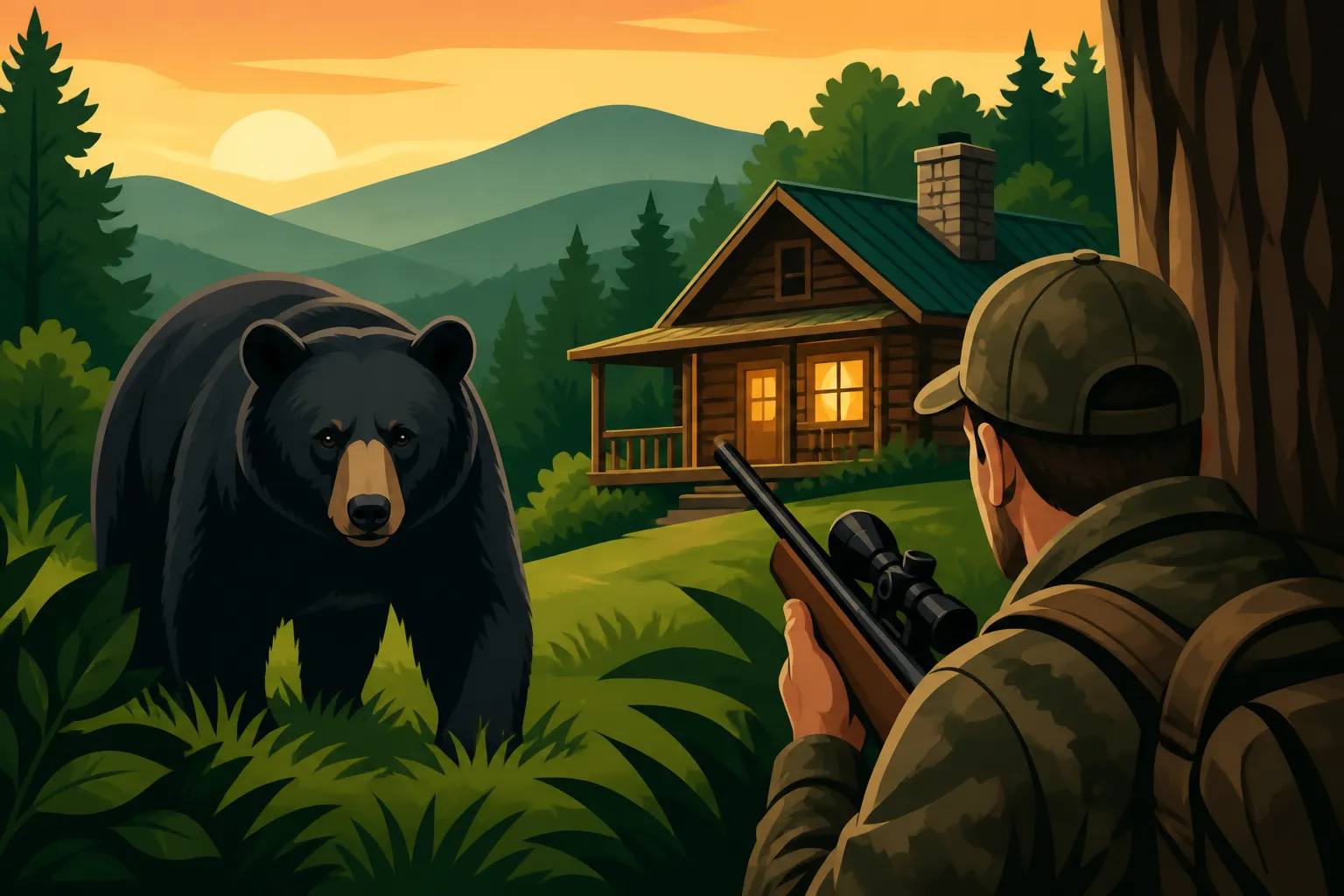
There's nothing quite like the charm of a cabin nestled deep in the rolling hills and hardwood forests of Eastern Kentucky. It’s where many of us find peace, whether for a weekend getaway or a lifetime. But with that rustic beauty comes the reality of sharing the landscape with Kentucky's thriving black bear population, and it can be genuinely unnerving to think about a bear wandering onto your porch. This guide is here to walk you through understanding why these magnificent creatures might visit your cabin, how to prevent unwanted encounters, and what to do if you find yourself face-to-face with a bear.
Understanding Why Bears Visit Cabins in Eastern Kentucky
It’s easy to think of a bear encounter as a random, terrifying event, but more often than not, bears are simply following their noses—and their instincts—right to our doorsteps. Eastern Kentucky is prime black bear habitat, and as their numbers grow, so does the potential for them to cross paths with humans, especially in areas with scattered cabins or rural homes.
The Irresistible Lure of Easy Food Sources
Let's be honest, bears are opportunists. They’re constantly searching for calories, and humans, unintentionally, often provide the easiest buffet. A bear doesn’t think, "Oh, this is a human cabin, I should avoid it." It thinks, "Smell that? Food!" This instinct is powerful, especially for younger bears or those still learning to forage.
Consider a spring day when the natural food sources like berries, nuts, and insects might be scarce. A bear that's just emerged from its winter slumber, perhaps after its period of Bear Denning Behavior, is ravenous. If your trash can has a lingering aroma of last night's barbeque, or if you left a bag of pet food on the porch, that bear will absolutely investigate. The reward-to-effort ratio for finding food around human dwellings is often far better than digging for grubs or painstakingly searching for acorns, which is why habituation to human food sources is such a significant issue. They learn quickly, and once a bear associates a cabin area with food, it’s much harder to deter. This isn’t about them being aggressive; it's about them being incredibly efficient eaters.
Proximity to Prime Bear Habitat
Many cabins in Eastern Kentucky are built right in the heart of black bear country. Think about the Appalachian foothills, the areas around Daniel Boone National Forest, or the rugged terrain near the Big South Fork. These are places Where Southeastern Kentucky Bears Range naturally and thrive. It's not the bears encroaching on human territory as much as we are living within their established home range.
When you choose a cabin with a stunning view overlooking a deep hollow or nestled against a ridge, you're likely choosing a spot that deer, turkeys, and yes, bears, also frequent. Bear activity often follows natural corridors like creek bottoms, ridgelines, and old logging roads. If your cabin sits along one of these, you're essentially on a bear highway. Factors like natural mast crop failures—a poor acorn year, for example—can also push bears to expand their search for food, bringing them closer to populated areas than usual. They aren't trying to bother anyone; they're just trying to survive, and sometimes that survival instinct leads them right to your doorstep. Understanding this fundamental truth is the first step in creating a safer environment for both you and the bears.
Proactive Strategies for Preventing Bear Encounters
The best bear encounter is the one that never happens. When it comes to living with bears in Eastern Kentucky, prevention is absolutely key. It means being thoughtful about how we manage our properties and understanding the subtle signals we might be sending to hungry bears.
Securing All Food and Attractants
This is by far the most crucial step you can take. A fed bear is a dead bear, or at least a highly problematic one that often needs to be relocated or, in worst-case scenarios, euthanized for public safety. It’s a sad reality that starts with our own carelessness.
- Garbage: Your trash is a five-star restaurant to a bear. Invest in bear-resistant garbage cans or, at the very least, store your trash inside a sturdy garage or shed until collection day. Never leave bags of trash on a porch overnight. If you have a collection schedule that only runs once a week, and you’re leaving on a Tuesday after a weekend stay, it's better to take your trash with you than to leave it stewing for five days. Even a securely lidded regular trash can can be no match for a determined bear.
- Grills and Smokers: After a delicious barbeque, it’s easy to forget about the greasy residue left on the grill grates and drip pans. To a bear, that’s an invitation. Clean your grill thoroughly after each use, burn off any remaining food particles, and consider storing it in a secured shed or garage. Even small scraps of food dropped around the grill can attract them.
- Pet Food: That bowl of kibble left on the porch or deck for your dog or cat is a beacon for bears. Store all pet food indoors, and feed your pets inside if possible. If you must feed outdoors, do so only during daylight hours and immediately bring in any uneaten food and the bowls. The same goes for livestock feed; ensure it's stored in secure, bear-proof containers or buildings.
- Bird Feeders: While lovely to watch, bird feeders are high-calorie magnets for bears, especially during spring and fall. Consider removing them entirely, or at least bringing them in overnight. If you must have them, hang them high off the ground, well away from your cabin, and use a baffle to prevent bears from reaching them. Even "bear-resistant" feeders are often just bear-resistant for a little while, not bear-proof. The seeds themselves, and the spilled seeds on the ground, are what really draw them in.
- Fruit Trees and Berry Bushes: If your cabin has fruit trees or berry bushes, harvest ripe fruit promptly. Overripe fruit falling to the ground creates a strong attractant. Consider fencing off these areas if they consistently draw bears, especially if the cabin is often unoccupied.
Maintaining a "Clean" Property
Beyond direct food sources, the general upkeep of your property can play a huge role. Bears are curious and will investigate anything new or interesting.
- Compost Piles: If you have a compost pile, ensure it's well-managed and doesn't contain meat, dairy, or other strong-smelling foods. Ideally, use a bear-resistant composting system or locate it far from the cabin.
- Hunting Scraps and Game Processing: If you're processing game after a successful hunt, such as during Kentucky's Statewide Modern Gun Season or Bowhunting Kentucky's Long Archery Season, do so far away from your cabin. Never leave hides, bones, or other entrails near the cabin or in an unsecured trash can. These are incredibly potent attractants and will draw bears from a significant distance. Dispose of them properly, either by burying them deeply away from living areas or taking them to an appropriate facility.
- Exterior Lighting and Noise: While not a direct deterrent for every bear, a well-lit exterior can sometimes make a bear feel less comfortable approaching, especially if there’s activity. Motion-sensor lights can be particularly effective. Playing a radio softly on a porch can also act as a subtle deterrent by signaling human presence. Some cabin owners even use specific types of electric fencing around key attractants if they've had persistent issues.
Using Resources for Awareness
Staying informed is another key prevention strategy. Understanding How Many Black Bears Kentucky Has and their general behavior can make a big difference. Many state wildlife agencies, including Kentucky Fish and Wildlife Resources (KDFWR), offer excellent resources. Tools like the GoHunt app or website can also provide valuable insights into wildlife activity in specific regions, although their primary focus might be on hunting, the underlying data about animal movements can be useful. By checking areas where bears are often harvested or seen, you can get a better sense of local bear density and activity.
Here's a quick summary of key prevention actions:
| Attractant Category | Common Problem | Prevention Strategy |
|---|---|---|
| Garbage | Accessible trash cans, lingering food odors | Bear-resistant containers, indoor storage, remove frequently |
| Grills/Smokers | Food residue, grease | Clean thoroughly after each use, store in secure shed/garage |
| Pet Food | Bowls left outdoors, food stored on porch | Feed indoors, remove uneaten food immediately, store pet food indoors |
| Bird Feeders | Seeds, suet, spilled food | Remove, use baffles, bring indoors nightly, avoid during active bear season |
| Compost/Fruit | Meat/dairy in compost, fallen ripe fruit | Use bear-resistant composters, harvest fruit promptly, fence off areas |
| Hunting Scraps | Hides, bones, entrails left near cabin | Process game far from cabin, bury deeply or dispose of properly at facility |
What To Do During a Bear Encounter
Despite all your best efforts at prevention, encounters can still happen. A bear might wander through your yard while you're there, or you might surprise one on a walk. Knowing how to react calmly and correctly is paramount for your safety and the bear's.
If a Bear Approaches Your Cabin or Property
It’s one thing to see a bear from a distance, quite another to have one in your yard. The most important thing is to avoid escalating the situation.
- Stay Calm: Panicking can lead to poor decisions. Take a deep breath. Most black bears are more scared of you than you are of them, even if they don't show it right away.
- Do Not Run: Running can trigger a bear's chase instinct, making a bad situation worse. Stand your ground.
- Make Yourself Look Large: If you're with others, huddle together. Raise your arms above your head. Open your jacket. The goal is to appear as non-prey-like as possible.
- Make Noise: Yell, clap your hands, bang pots and pans. Make a lot of noise to scare the bear away. Your voice, firm and loud, is often enough to send them packing. Don’t scream or shriek, which might sound like a distressed animal; aim for a commanding, assertive tone.
- Slowly Back Away: Give the bear an escape route. Move sideways if possible, keeping an eye on the bear but not making direct eye contact, which can be perceived as a challenge.
- Go Inside and Secure the Cabin: If the bear is on your porch or close to the cabin, retreat inside, close and lock all doors and windows, and wait for the bear to leave. If the bear is actively trying to get into your cabin, call 911 immediately. This is an extremely rare but dangerous scenario.
- Never Feed a Bear: This cannot be stressed enough. Intentionally feeding a bear, or leaving food out for one, only reinforces negative behavior and habituates them further to humans. It’s illegal and creates dangerous bears.
Direct Encounters on Trails or While Outdoors
Sometimes you might be out enjoying the beautiful Daniel Boone National Forest Hunting opportunities or simply hiking, and come across a bear. The principles are similar, but with some crucial distinctions.
- Identify the Bear's Behavior: Is the bear aware of you? Is it acting defensively (huffing, swatting the ground, jaw popping)? Or is it simply curious or unaware? Most black bear encounters are with curious or foraging bears.
- For Curious or Unaware Bears: Again, make noise to make your presence known. You don't want to surprise it. Slowly back away, making yourself look as big as possible.
- For Defensive Bears (Rare with Black Bears): This is typically a mother bear with cubs, or a bear protecting a food source (like a carcass). In this scenario, the bear is trying to tell you that you are too close. Do not approach the cubs, no matter how cute they seem. Continue to back away slowly, talking in a low, calm voice. Avoid direct eye contact.
- If a Black Bear Attacks: While incredibly rare, black bear attacks are usually defensive. If a black bear does attack you, fight back aggressively. Use anything you have—sticks, rocks, your fists. Aim for the bear's face and nose. This is different advice than for grizzly bears, where playing dead is often recommended. In Kentucky, we have black bears, and fighting back is generally the correct response if an attack occurs. Remember, these situations are exceedingly uncommon, but it's important to know the protocol.
- Carrying Bear Spray: For those who spend a lot of time deep in bear country, especially when hiking or hunting Predator and Furbearer Hunting in Kentucky or Hunting Kentucky's Record Elk Herd, carrying bear spray can be a wise precaution. Make sure you know how to use it, and keep it easily accessible, not buried in your pack. It's a deterrent designed to create a burning sensation in the bear's eyes and respiratory system, giving you time to retreat.
Living Harmoniously with Kentucky's Black Bears
Ultimately, living in Eastern Kentucky's beautiful landscapes means accepting the presence of wildlife, including black bears. By understanding their needs and behaviors, and taking common-sense precautions, we can minimize conflicts and ensure both human and bear safety. It's about being a good neighbor to all creatures, great and small.
Reporting Sightings and Damage
When you have a bear encounter, especially if it involves property damage or a bear showing unusual boldness, it's crucial to report it to the Kentucky Department of Fish and Wildlife Resources (KDFWR). They track bear movements, respond to problematic situations, and use this data to manage Kentucky's Black Bear Population effectively. Your report helps them understand trends, identify areas where education or intervention might be needed, and ensures the health and safety of both bears and people. Don't feel like you're "getting the bear in trouble"; you're providing valuable information that contributes to conservation efforts and public safety.
For instance, if a bear repeatedly visits your property and damages property in search of food, or if you notice a bear that seems particularly ill or injured, reporting it is vital. The KDFWR can assess the situation and determine the appropriate response, which might range from advising property owners on further deterrence methods to, in rare cases, trapping and relocating a problem bear. They also have systems in place for landowners who experience significant crop or property damage, which can sometimes be alleviated by specific management strategies.
Education and Community Effort
Creating bear-aware communities is a long-term goal that requires ongoing effort. Education is a powerful tool. When cabin owners, residents, and visitors all understand how to properly store food, manage attractants, and react during an encounter, the number of negative interactions decreases dramatically. This helps protect not only individual properties but also the overall bear population by preventing habituation to human food.
Local community groups, cabin owner associations, and even online platforms can be great places to share information and strategies. Websites and apps like GoHunt can be excellent resources for learning about wildlife activity in your area, and while it's often geared toward hunters using it for Scouting Kentucky Public Land Before Season, the general wildlife information and mapping features can still be helpful for understanding the movements and ranges of bears and other animals near your cabin. The more people who are educated and vigilant, the safer everyone – and every bear – will be.
Remember, the goal isn't to eliminate bears from Kentucky's wilderness; it's to coexist respectfully and safely. With careful planning, consistent effort, and a good understanding of bear behavior, your Eastern Kentucky cabin can remain a peaceful retreat, for you and for the wildlife that calls this beautiful state home.
Disclaimer
This article is for general informational purposes only and does not constitute professional advice. Laws, prices and regulations vary by location and change over time. Consult a qualified professional for guidance on your specific situation.