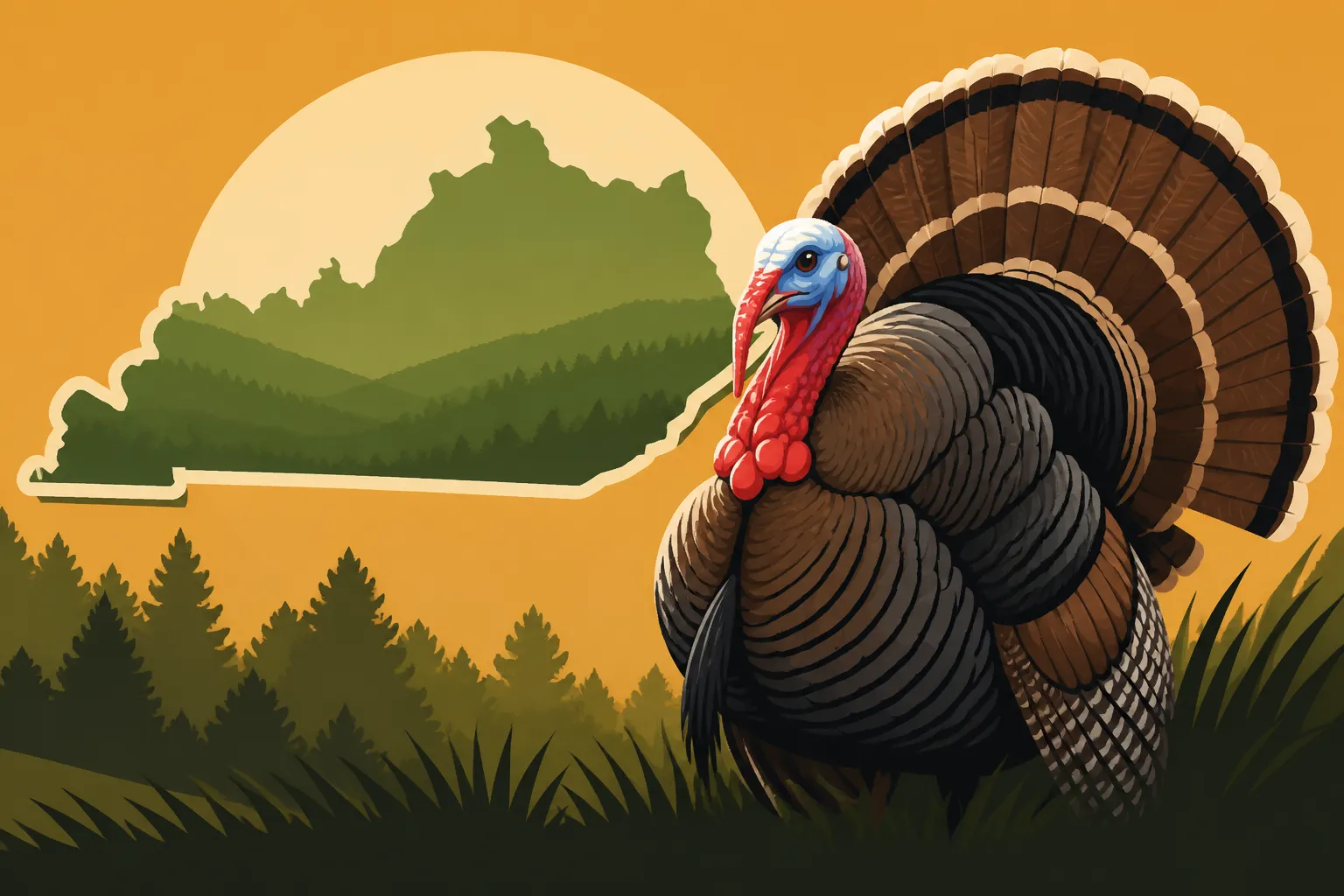
Kentucky Turkey Population Estimate
It can feel like a real mystery out there sometimes, can't it? One year you're hearing gobblers everywhere you turn, practically tripping over them, and the next, it's dead silent, leaving you wondering where all the birds went. Understanding the wild turkey population in Kentucky is more than just curiosity; it's vital for planning your hunts, appreciating the landscape, and supporting conservation efforts. This comprehensive guide will pull back the curtain on how Kentucky estimates its wild turkey numbers, what those numbers actually mean for hunters, and what factors are constantly at play, shaping the future of these magnificent birds.
Understanding Kentucky's Turkey Comeback Story
Before we dive into what the current turkey population looks like, it’s really important to appreciate the incredible journey these birds have made in Kentucky. It wasn't always the robust wild turkey population we enjoy today, and understanding that history gives context to every estimate and trend.
The Historical Decline and Restoration Efforts
Imagine a Kentucky where the resounding gobble of a wild turkey was a rare, almost forgotten sound. That's what happened by the early 20th century. Habitat loss, unregulated hunting pressure during settlement times, and market hunting pushed wild turkeys to the brink of extirpation in many areas, including much of our beloved Commonwealth. It's a sad chapter in our wildlife history, but thankfully, not the end of the story.
The turnaround began with dedicated restoration efforts, primarily driven by the Kentucky Department of Fish and Wildlife Resources (KDFWR). Starting in the mid-1900s, state agencies across the nation began ambitious trap-and-transfer programs. What this meant was literally trapping wild turkeys from areas where populations were stable, often in other states, and relocating them to suitable habitats in Kentucky. It was painstaking work, requiring careful planning to ensure the birds had the best chance to establish breeding populations. These efforts weren't just about dropping birds into a new area; they involved extensive habitat improvements, working with landowners to create and protect the diverse woodlands and fields that turkeys need to thrive. If you've ever heard old-timers talk about hearing their first gobbler in decades, they're often referring to the fruits of these programs. It truly brought the woods back to life. You can read more about this incredible feat in How Turkeys Were Restored to Kentucky.
How KDFWR Estimates Population Numbers
So, with this incredible comeback, how does KDFWR keep tabs on these birds now? It's not like counting cows in a pasture; wild turkeys are elusive and spread across vast and varied landscapes. The agency uses a combination of scientific methods and hunter-reported data to arrive at their "Kentucky Turkey Population Estimate."
One of the primary tools is the annual brood survey. This is a critical piece of the puzzle, focusing on "poult-to-hen ratios." What they're looking for here is how many young turkeys (poults) each hen is successfully raising to a certain age. This data is collected by volunteers, biologists, and even interested citizens who report sightings of hens with their broods during the summer months. A good poult-to-hen ratio suggests a strong hatch and good poult survival, which bodes well for the next year's population and future hunting seasons. Conversely, a low ratio can signal a tough nesting season, perhaps due to heavy rains or increased predation, and indicates a potential dip in future numbers. Understanding Poult-to-Hen Ratios and What They Mean is crucial for anticipating upcoming season prospects.
Beyond brood surveys, KDFWR also analyzes annual harvest data, which hunters provide through mandatory telecheck reporting. While harvest numbers don't directly equal population size, they offer valuable insights into population trends, hunter success rates, and the distribution of turkeys across different regions. Biologists also rely on anecdotal reports from landowners, conservation officers, and their own field observations. It's a complex puzzle, but by combining these data points, they can build a reasonably accurate picture of the overall health and trends of Wild Turkeys in Kentucky.
Current Trends in Kentucky's Turkey Population
Alright, so we know how they count 'em, but what are those counts actually telling us? This is where the rubber meets the road for hunters, as population trends directly influence our expectations and strategies for hitting the woods.
Interpreting the Latest Population Estimates
When you look at the Kentucky Turkey Population Estimate reports, you'll generally see descriptions of trends rather than a fixed number. Wild turkey populations, by their very nature, are dynamic. They ebb and flow with a multitude of factors, and while the overall trajectory in Kentucky has been one of incredible success, year-to-year fluctuations are completely normal.
Generally speaking, Kentucky's wild turkey population has been robust for many years. We've seen periods of strong growth, followed by plateaus, and sometimes, regional dips. For instance, some years might show a fantastic hatch across the Bluegrass Region, leading to a bump in numbers there, while severe weather in the Eastern Kentucky coalfields might depress poult survival in that specific area. This is why a statewide number is useful, but focusing on local or regional trends can be even more impactful for the individual hunter. If you use a tool like GoHunt, you might be able to dive into localized data or connect with other hunters who are seeing trends in specific areas, helping you to refine your scouting.
It's rare to see a drastic drop statewide because the habitat across Kentucky is generally quite good, and management strategies are in place to prevent such a scenario. However, a series of poor hatches in consecutive years can definitely impact the number of mature birds available, especially gobblers, a couple of seasons down the line. That's why folks pay so much attention to the Kentucky Turkey Population Trends – it helps us anticipate what might be waiting for us when Kentucky Spring Turkey Season Rules roll around.
Factors Affecting Turkey Numbers Year-to-Year
Why do these numbers bounce around so much? It's not just random chance; there are very specific environmental and ecological factors at play that determine a turkey population's success from one season to the next.
Weather is a huge one. A cold, wet spring during nesting season can be devastating. Turkey poults are very susceptible to hypothermia, and prolonged periods of rain can lead to high mortality. Conversely, a warm, dry spring often leads to a boom in poult survival. Droughts in summer can also impact food sources later in the year.
Predation pressure is another constant factor. Coyotes, bobcats, raccoons, opossums, and even domestic dogs and cats can prey on nests, poults, and even adult birds. While predators are a natural part of the ecosystem, an imbalance can certainly affect local turkey numbers. Learning about Nest Predation and Kentucky Turkey Hatches helps understand this challenge.
Habitat quality and quantity are foundational. Turkeys need a mosaic of open woodlands for foraging, dense cover for nesting and roosting, and open fields for bugging and dusting. Changes in land use, such as extensive clear-cutting without proper regeneration, or increased development, can fragment habitat and make it harder for turkeys to thrive. However, good timber management and planting efforts can significantly boost local populations.
Finally, disease outbreaks can sometimes occur, though they are often localized. Diseases like Avian Pox or Blackhead can affect turkeys, especially in areas of high density. All these factors interact in complex ways, making turkey population dynamics a fascinating and ever-changing study.
Here's a quick look at some of the key factors influencing our turkey numbers:
| Factor | Impact on Turkey Population | Typical Outcome |
|---|---|---|
| Spring Weather | Crucial for nesting/poults | Warm/Dry: Good hatch, high poult survival; Cold/Wet: Poor hatch, high mortality |
| Predation | Affects nests, poults, adults | High predator density: Lower poult/nest success |
| Habitat Quality | Provides food, cover, nesting | Diverse mosaic: High carrying capacity; Fragmented: Lower numbers |
| Food Availability | Influences overall health | Good mast crop: Stronger birds; Poor mast: Stressed birds |
| Disease | Can cause localized declines | Outbreaks: Reduced local numbers; Generally low statewide impact |
| Hunting Pressure | Managed through season limits | Sustainable harvest: Healthy population; Over-harvest (rare): Decline |
What the Population Estimate Means for Hunters
Okay, so we've delved into the science and the trends. But for us, the hunters who cherish those crisp spring mornings, what does all this information really boil down to? How can understanding the Kentucky Turkey Population Estimate actually make us better, more successful, and more responsible hunters?
Adjusting Your Hunting Strategy Based on Population Health
Knowing the general health and trends of the turkey population in your hunting area can be a game-changer for your strategy. If the KDFWR's Kentucky Turkey Brood Survey Results show a couple of years of strong hatches, you might anticipate more two-year-old gobblers in the woods. This could mean more vocal birds, more competition among gobblers, and potentially more opportunities to call them in. In such a scenario, aggressive calling or trying different setups like Turkey Tactics for Farmland Field Edges might pay off.
Conversely, if the surveys indicate a couple of lean years with low poult survival, you might encounter fewer mature gobblers. This doesn't mean you won't find birds, but it often requires a more patient, subtle approach. You might need to scout harder to locate the few vocal birds, be less aggressive with your calling, and focus on locating them on the roost. Sometimes, in these tougher years, Run-and-Gun Turkey Tactics on Public Land might be less effective than picking a good spot and waiting, or focusing on quieter, more isolated areas where birds might be less pressured. Using a tool like GoHunt to scout terrain and identify potential roosting areas or travel corridors can be incredibly helpful, especially when birds are scarce. It helps you maximize your time by pinpointing prime spots even before you step foot in the woods.
Furthermore, if you're hunting in one of the Best Kentucky Counties for Turkeys, where populations are consistently high, you might have more leeway to be selective or to try different tactics. In areas with lower densities, your primary goal might simply be to locate any legal gobbler, and every piece of population data can help you narrow down where your efforts will be most fruitful.
Long-Term Outlook and Conservation Efforts
The overall outlook for Kentucky's wild turkey population remains overwhelmingly positive, a testament to decades of successful conservation and management. Our robust population is a point of pride and a result of continuous effort, not just from KDFWR, but from hunters who purchase licenses and tags, and landowners who manage their property with wildlife in mind.
However, the job is never truly done. Threats like habitat fragmentation, changing weather patterns, and localized disease outbreaks are always present. That's why ongoing conservation efforts are so critical. KDFWR continually monitors the population, adjusts season lengths and bag limits as needed (though Kentucky Turkey Bag Limit Rules have been quite stable), and conducts research to better understand turkey ecology.
As hunters, our role extends beyond just participating in the hunt. By accurately reporting our harvests through the telecheck system, we contribute vital data that helps KDFWR fine-tune their population estimates and management strategies. Supporting organizations that focus on habitat restoration and preservation also plays a significant part. When you purchase your hunting license and turkey permit, a portion of those funds goes directly back into these vital conservation programs, ensuring that future generations can enjoy the thrill of a Kentucky spring gobbler. It’s a full circle: our passion for hunting fuels the conservation that keeps the populations healthy, allowing us to keep hunting. This ongoing stewardship ensures that the Kentucky Turkey Population Estimate remains a strong, positive story for years to come.
Disclaimer
This article is for general informational purposes only and does not constitute professional advice. Laws, prices and regulations vary by location and change over time. Consult a qualified professional for guidance on your specific situation.