Wild Turkeys in Kentucky
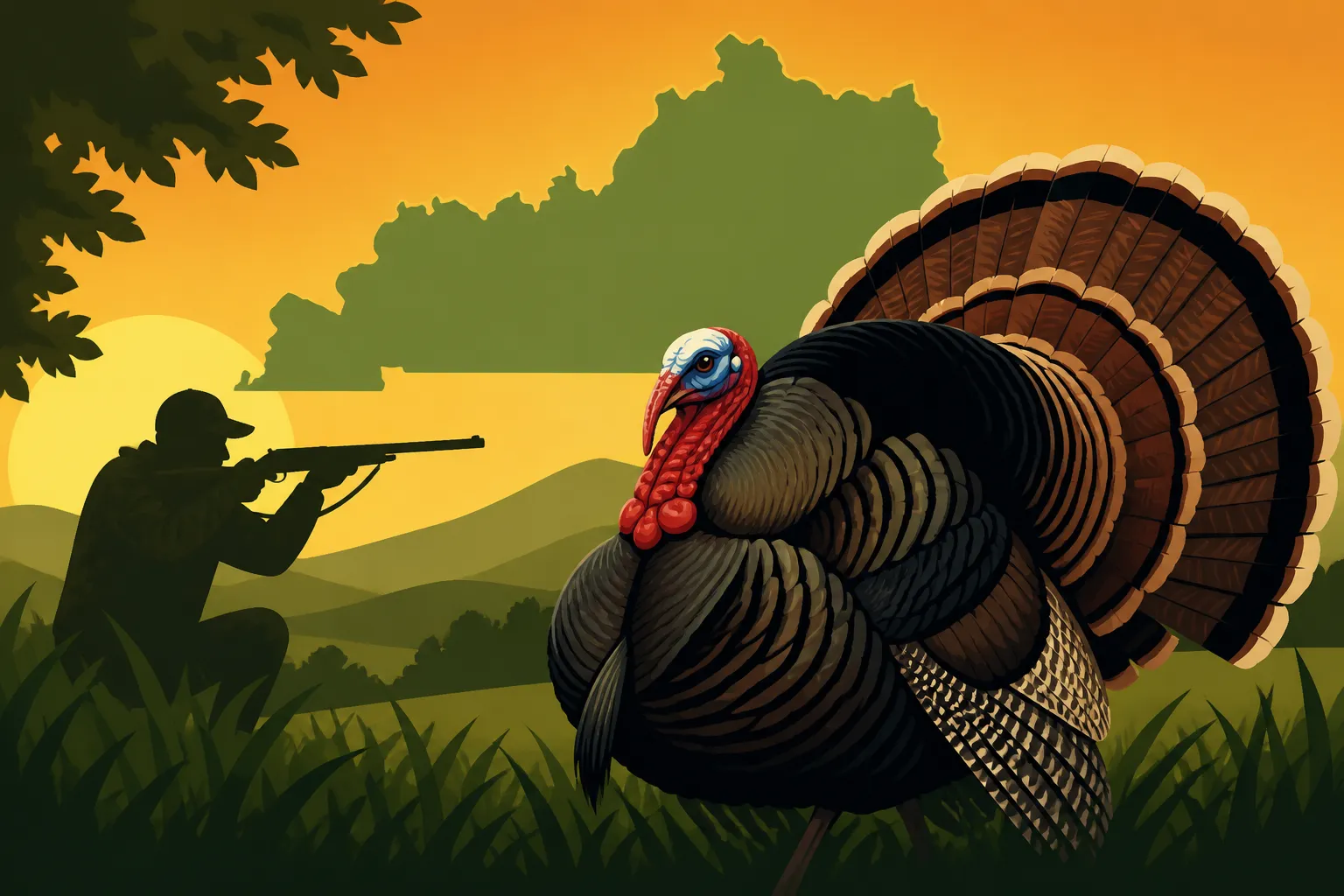
There's nothing quite like the sound of a thunderous gobble breaking the stillness of a Kentucky spring morning. For many of us, it's the ultimate adrenaline rush, a sound that pulls us out of bed long before the sun even thinks about showing its face. But let's be honest, finding and consistently harvesting those wary wild turkeys in Kentucky isn't always easy. From understanding complex regulations to deciphering their ever-changing behavior, turkey hunting can be a puzzle. This comprehensive guide is here to walk you through everything you need to know about wild turkeys in Kentucky, helping you understand their history, habits, and how to put a longbeard in your vest.
Kentucky's Turkey Restoration Success Story
It might be hard to believe now, but there was a time when the resounding gobble of a wild turkey was a rare, almost unheard-of sound across much of Kentucky. Early settlers and unregulated hunting took a heavy toll, pushing these magnificent birds to the brink of local extinction in many areas by the early 20th century. It’s a stark reminder of how quickly things can change if we don't actively manage our wildlife.
From Near Extinction to Abundance
Imagine a Kentucky landscape where wild turkeys were so scarce that seeing one was an anomaly, not an expectation. That was the reality for generations. By the 1940s, Kentucky's wild turkey population was decimated, clinging to existence in only the most remote, rugged pockets of the state, primarily in the eastern mountains and some parts of the Big South Fork. The dense timber of places like the Daniel Boone National Forest provided some refuge, but even there, numbers were dangerously low. This wasn't unique to Kentucky; it was a widespread issue across much of the contiguous United States. It took dedicated individuals and a major shift in conservation philosophy to reverse this decline.
The Role of Trap and Transfer Programs
The comeback of the wild turkey in Kentucky, and indeed across the nation, is one of the greatest conservation success stories. It didn't happen by magic; it happened through a strategic and intensive effort known as "trap and transfer" programs. Starting in the late 1970s and really picking up steam into the 1980s and 90s, the Kentucky Department of Fish and Wildlife Resources (KDFWR) worked tirelessly. They captured wild turkeys from healthy, booming populations in certain areas of Kentucky, or even traded with other states, and then carefully relocated them to suitable habitats where turkeys had been extirpated.
This wasn't just about dropping birds off in a new spot; it was a science-backed effort. Biologists considered habitat quality, potential predation, and local conditions to ensure the best chance of survival and reproduction for these transplanted birds. It's a testament to the resilience of wild turkeys and the effectiveness of sound wildlife management practices. Over time, these small groups of relocated birds began to thrive, reproduce, and spread, slowly but surely repopulating their historic ranges.
How Hunter Support Fueled Recovery
It's crucial to acknowledge that hunters played an absolutely pivotal role in this incredible recovery. Through the purchase of hunting licenses, turkey permits, and excise taxes on firearms and ammunition (thanks to the Pittman-Robertson Act), hunters provided the vast majority of the funding needed for these trap and transfer programs, habitat improvements, and ongoing research. Without that consistent financial support and the political will from the hunting community to prioritize conservation, Kentucky's turkey flocks would likely not be where they are today. Hunters understood that short-term sacrifice (like limited or closed seasons) was necessary for long-term gain. They invested in the future of the resource, and we are all enjoying the fruits of that labor every spring and fall. Their continued dedication to purchasing the necessary licenses and tags helps fund the ongoing management efforts that keep our turkey populations robust.
Understanding Kentucky's Wild Turkey Population
Kentucky's wild turkey population is truly something to celebrate. From a conservation perspective, it’s a beacon of hope, showing what dedicated management can achieve. But understanding the nuances of that population – how many birds there are, where they're concentrated, and what factors influence their numbers – is key for any serious turkey hunter.
Current Population Estimates and Trends
While exact numbers are always tricky to nail down for a wild, free-ranging animal, the KDFWR regularly conducts surveys and analyses to estimate the Kentucky Turkey Population Estimate. Current estimates generally place the statewide population well over 200,000 birds, and some years even closer to 300,000. This is a far cry from the mere thousands that existed mid-century! However, like any wild population, turkey numbers aren't static. We see fluctuations based on a variety of factors, from harsh winters to successful nesting seasons.
In recent years, some areas of Kentucky, especially those with more intensive agriculture, have seen slight dips. This isn't necessarily a crisis, but it's something wildlife managers constantly monitor. Factors like habitat changes, disease, and predation all play a part in these trends. Overall, Kentucky remains a fantastic state for turkey hunting, with a robust and widespread population, but it's not without its challenges that require ongoing attention.
Regional Differences in Turkey Density
Just like deer, turkey populations aren't evenly distributed across Kentucky. If you've hunted various parts of the state, you've probably noticed this firsthand. The highest densities of wild turkeys are often found in the more forested, less populated regions. The rugged terrain of Eastern Kentucky, particularly areas within or adjacent to the Daniel Boone National Forest, holds excellent numbers. The mixture of mature timber, regenerating clearcuts, and abundant mast crops provides ideal conditions.
However, Western Kentucky bottomland and central Kentucky agricultural areas also support strong turkey numbers, especially where there are good timber blocks, creek bottoms, and riparian corridors offering roosting and cover. These birds often adapt to a mix of woods and fields, using the timber for security and roosting, and the open fields for feeding. The Bluegrass Region, while known for its fertile farmland, can have pockets of high density where woodlots and creek lines provide necessary habitat, especially for those who specialize in Hunting Small Woodlots Near Suburban Louisville. Knowing these regional differences can help you focus your scouting efforts.
Poult-to-Hen Ratios and Their Meaning
One of the most critical metrics wildlife biologists use to gauge the health and future prospects of a turkey population is the "poult-to-hen ratio." This simple statistic tells us how many young turkeys (poults) are surviving per adult hen each year. A high ratio, generally above 2.0 or 2.5 poults per hen, indicates a successful breeding season and good recruitment of new birds into the population. Conversely, a low ratio suggests poor nesting success or high poult mortality, which could lead to declining numbers in the future.
Factors influencing this ratio include weather during nesting and brooding season (cold, wet springs are tough on young poults), predator populations (coyotes, bobcats, raccoons, and opossums are major Nest Predation and Kentucky Turkey Hatches threats), and habitat quality. Droughts can also impact insect availability, a critical food source for growing poults. Hunters often contribute to the Kentucky Turkey Brood Survey Results by reporting their observations of hens and poults during the summer, providing invaluable data to the KDFWR. Understanding these ratios can give you a better idea of how the following spring's hunting might shape up.
Key Habitats for Turkeys Across the Bluegrass State
Wild turkeys are adaptable, but they're not everywhere. To find them, you need to understand where they prefer to live, feed, and roost. Kentucky offers a mosaic of landscapes, and turkeys thrive in different parts of it, utilizing specific habitat features.
Mature Hardwoods and Forested Hills
When most people picture prime turkey habitat in Kentucky, they envision the rolling, forested hills of the eastern part of the state. This mental image isn't wrong. Mature hardwoods, particularly oak and hickory forests, are absolutely critical. These trees provide essential mast crops – acorns, hickory nuts, and beechnuts – which are vital food sources, especially in the fall and winter. Turkeys need these energy-rich foods to build fat reserves for survival.
Beyond food, the structure of these forests is important. Areas with a diverse understory, offering dense cover for nesting hens and young poults, but also more open areas for strutting and feeding, are ideal. The steep hollows and ridgelines characteristic of places like Daniel Boone National Forest provide a sense of security from predators and offer varied terrain that turkeys use to their advantage for travel and escape. When the leaves drop, it’s easier to see their travel patterns and find those all-important roost trees.
Farmland Edges and Agricultural Influence
While the deep woods are classic turkey country, many turkeys in Kentucky, especially in the central and western regions, have successfully adapted to a landscape heavily influenced by agriculture. These birds often inhabit the timbered edges, creek bottoms, and woodlots that border vast fields of corn, soybeans, and wheat. These agricultural fields offer a smorgasbord of food sources: waste grain after harvest, insects during the growing season, and often lush green forage in early spring.
The key for these turkeys is having close proximity to timber. They'll venture into fields to feed, but they rely on the woods for roosting, protection from predators, and escape cover. Often, a small finger of woods extending into a field, or a fencerow choked with brush and trees, can be a magnet for turkeys. Understanding this dynamic is crucial when you're scouting and setting up, especially if you're hunting in farm country. For successful "Turkey Tactics for Farmland Field Edges", knowing where they enter and exit these fields can make all the difference.
Roosting Preferences and Daily Movements
Knowing a turkey's roosting preferences and typical daily movements is like having a cheat sheet for turkey hunting. Wild turkeys are creatures of habit, particularly when it comes to their evening roosts. They prefer large, sturdy trees with strong horizontal limbs that offer a clear line of sight in multiple directions, often near a water source or on a prominent ridge or bluff. Large oaks, sycamores, and even some pines are common choices. Being able to predict "Where Kentucky Gobblers Roost" is half the battle.
They'll fly up to roost before dark, typically congregating in small groups, especially outside of the spring breeding season. In the morning, they'll fly down, often to a strutting zone or a feeding area. Their daily pattern usually involves moving from roost to feeding areas, then to strutting grounds (in spring), and eventually back to a roost. Factors like weather, hunting pressure, and food availability can alter these movements, but understanding the general rhythm is paramount. Using tools like the GoHunt app can help you pinpoint potential roosting areas and travel corridors by analyzing topographic maps and aerial imagery, letting you virtually scout before you even step foot in the woods.
Kentucky Turkey Season Rules and Regulations
Navigating the rules and regulations for turkey hunting in Kentucky can feel a bit like trying to solve a riddle sometimes. Between spring and fall seasons, different weapon types, and specific WMA rules, it's easy to get confused. But understanding these regulations is absolutely essential for a safe, legal, and successful hunt. The KDFWR website is your best friend here, but I’ll break down the main points.
Spring General Season and Youth Opportunities
The spring general season is what most turkey hunters eagerly await all year. Typically, it kicks off in mid-April and runs through mid-May, offering about a month of prime gobbler hunting. This is when the birds are focused on breeding, and gobblers are at their most vocal and responsive to calls. You'll need a Kentucky hunting license and a Kentucky Turkey Permit to participate. The general statewide bag limit allows for a certain number of turkeys, often a maximum of two bearded birds per hunter, per spring season. However, there are usually specific rules about harvesting only one bird per day.
Before the general season opens, Kentucky often hosts a special "Kentucky Youth Spring Turkey Weekend" for hunters 15 years old and younger. This is a fantastic opportunity for young hunters to get out with an adult mentor and experience the thrill of turkey hunting with less pressure. It's an invaluable program for fostering the next generation of conservationists. For detailed dates and requirements, always check the KDFWR season guidelines for "Kentucky Spring Turkey Season Rules".
Fall Archery and Shotgun Seasons
While spring gets all the glory, don't overlook Kentucky's fall turkey seasons! They offer a completely different, often more challenging, but equally rewarding experience. Kentucky typically has an archery/crossbow fall turkey season that usually aligns with the statewide deer archery season, meaning it can run for several months. Additionally, there are often two distinct "Kentucky Fall Turkey Season Structure" shotgun seasons, sometimes referred to as the "first" and "second" fall shotgun seasons, each with specific dates.
Fall turkey hunting is less about calling in a hot gobbler and more about locating flocks, understanding their feeding patterns, and breaking them up to call a lonely bird back in. The bag limits for fall are often different, sometimes allowing for either-sex birds depending on the weapon and season, but usually with a strict total annual limit. Always double-check the KDFWR regulations for the exact dates and bag limits for these seasons.
Bag Limits, Reporting, and WMA Specifics
Here's a quick rundown of critical regulations:
| Season Type | Typical Dates | Weapon Legal | Bag Limit (General) | Notes |
|---|---|---|---|---|
| Spring General | Mid-April to Mid-May | Shotgun, Archery, X-bow | 2 bearded birds/season | 1 bird per day limit. Youth season typically precedes general season. |
| Fall Archery/X-bow | Sept. – Jan. | Archery, X-bow | 4 birds/season (either sex) | Often 1 bird per day. Can coincide with deer season. |
| Fall Shotgun (1st) | Late Oct. – Early Nov. | Shotgun | 4 birds/season (either sex) | Specific dates, check regulations closely. |
| Fall Shotgun (2nd) | Early Dec. | Shotgun | 4 birds/season (either sex) | Specific dates, check regulations closely. |
(Note: These are general guidelines; always consult the current KDFWR Hunting & Trapping Guide for precise dates and bag limits, as they can change annually.)
Beyond the statewide regulations, many Wildlife Management Areas (WMAs) have their own specific rules. Some WMAs might have different season dates, reduced bag limits, or even special draw hunts. For example, some WMAs might have a "Making the Most of a One-Bird-Per-WMA Rule." Before you head out, it's paramount to check the specific regulations for the WMA you plan to hunt. All harvested turkeys must be immediately telechecked. This means calling an 800 number or using the KDFWR app to report your harvest. This data is critical for wildlife managers to monitor harvest rates and population health. Failure to telecheck your bird is a serious violation.
Effective Strategies for Hunting Kentucky Gobblers
Turkey hunting is often described as a chess match, and it's a fitting analogy. These birds are incredibly intelligent, wary, and their behavior can change on a dime based on weather, pressure, and the stage of the breeding season. Having a few proven strategies in your toolkit can greatly increase your odds of success.
Scouting and Locator Calls for Early Season
The work for a successful spring turkey hunt starts long before opening day. Effective scouting is non-negotiable. This involves more than just a quick walk through the woods; it's about understanding the lay of the land, identifying travel corridors, potential strutting zones, and most importantly, finding those crucial roosting areas. I use aerial maps, often with the GoHunt app's mapping layers, to identify likely spots – prominent ridges, dense stands of timber near fields, and creek bottoms. This is also where understanding "Kentucky Turkey Roost Tree Preferences" comes in handy.
Before the season, I'll sneak into these areas at dawn, well before shooting light, and listen. Often, you can hear gobblers on the roost before they fly down. Once the season starts, especially during the general opener in April, locator calls are your best friend. Owl hoots, crow calls, and even coyote howls can often provoke a shock gobble from a tom on the roost or in a distant field, giving away his position without revealing yours. You're not trying to call him in with these; you're simply trying to get him to talk. Once you've located a bird, then you can plan your approach.
Calling Tactics for Pressured Birds
Calling turkeys is an art form, not a science. What works one day might send birds running the next. In Kentucky, especially on public land, turkeys quickly become "pressured birds" after the first weekend of the season. They've heard every call in the book, seen every decoy spread, and had a few close calls. For these wary toms, subtlety often wins. Instead of aggressive cutting and loud yelps, try soft tree yelps, clucks, and purrs right off the roost when "Calling a Kentucky Gobbler Off the Roost." The goal is to sound like a lone, interested hen, not a whole flock.
Decoy placement also becomes critical. Often, less is more. A single hen decoy or a jake decoy can be enough. Position them where the gobbler has to come into easy gun range to get to them. Sometimes, going completely silent after an initial call can be effective. Let his curiosity get the best of him. Using a variety of calls – a slate call for soft sounds, a mouth call for hands-free operation, and a box call for volume – gives you versatility. Remember, sometimes the best call is no call at all.
Run-and-Gun Approaches on Public Land
Kentucky's public lands, from WMAs to sections of Daniel Boone National Forest, can hold great turkeys, but they also see hunting pressure. This often means traditional sit-and-wait tactics over a decoy spread might not always cut it, especially later in the season. That's where a "Run-and-Gun Turkey Tactics on Public Land" approach can shine. This strategy involves covering a lot of ground, moving through the woods, stopping periodically to call, and listening for a response.
You're essentially trying to provoke a gobbler into revealing his location, and once he does, you quickly try to close the distance and set up an ambush. This style of hunting requires being light on your feet, having minimal gear, and being prepared to move quickly and quietly. It's physically demanding, as you'll be traversing ridges and hollows, but it can be incredibly effective for finding birds that are no longer coming to persistent calling. When you get a response, quickly assess the terrain, find a good backdrop to set up against (like "Setting Up Against a Big Oak"), and be ready for action.
Challenges and Conservation Efforts
While Kentucky's turkey population is thriving, it's not without its challenges. Wild turkeys face a variety of threats and pressures, and ongoing conservation efforts are crucial to ensure their continued abundance for future generations of hunters and wildlife enthusiasts.
Nest Predation and Habitat Fragmentation
One of the most significant hurdles for wild turkeys, particularly for their population growth, is nest predation. Raccoons, opossums, skunks, coyotes, and even feral hogs are opportunistic predators that will readily raid turkey nests, consuming eggs and sometimes even hens. This is a natural part of the ecosystem, but when predator populations are high, or when habitat makes nests particularly vulnerable, it can have a noticeable impact on the "Poult-to-Hen Ratios and What They Mean."
Habitat fragmentation also plays a role. As undeveloped land is broken up by roads, development, and agriculture, turkeys can lose critical nesting cover, brood-rearing habitat, and secure travel corridors. While turkeys are adaptable, they still need contiguous blocks of suitable habitat to thrive. Maintaining and improving habitat quality, especially areas with good ground cover for nesting, is a key focus of conservation efforts.
Disease Monitoring and Hunter Participation
Like all wildlife, turkeys are susceptible to diseases. While Chronic Wasting Disease (CWD) is primarily a concern for deer, other avian diseases can affect turkeys. The KDFWR continually monitors the health of the state's turkey population. This often involves testing harvested birds for specific pathogens or responding to reports of sick or deceased birds. Hunter participation in reporting unusual observations is vital for early detection of potential outbreaks.
Beyond disease, hunter participation itself is a conservation effort. The sustained interest in turkey hunting directly translates into funding for the KDFWR through license and tag sales. This funding allows the agency to continue crucial work, from habitat improvement projects on public lands to conducting detailed population surveys. Without the consistent support of the hunting community, the resources for managing this beloved game species would dwindle.
Preserving Turkey Habitat for Future Generations
The future of wild turkeys in Kentucky hinges on proactive habitat preservation and enhancement. This isn't just about saving existing forests; it's about active management. Practices like prescribed burning can improve forest health, create new foraging opportunities, and stimulate the growth of beneficial understory vegetation. Timber management, when done thoughtfully, can create a mosaic of different age classes of forest, providing both mature roosting trees and dense young growth for cover.
Conservation organizations, working alongside the KDFWR, also play a vital role in acquiring land, establishing conservation easements, and educating private landowners on how to manage their properties for wildlife. When you buy your license or use tools like the GoHunt app to find new hunting grounds, you are indirectly supporting this critical work. Every effort to protect and enhance the diverse habitats across Kentucky benefits wild turkeys and countless other species, ensuring that future generations can also enjoy the thrill of a spring gobble.
Gear Essentials for Kentucky Turkey Hunting
Heading out after Kentucky gobblers requires specific gear. You don't need to break the bank, but having the right tools for the job can make a world of difference in your comfort, safety, and success. Let's talk about the essentials.
Shotguns, Chokes, and Ammunition
For most Kentucky turkey hunters, a shotgun is the weapon of choice. The tried-and-true 12-gauge remains incredibly popular, offering a wide array of ammunition options. However, 20-gauge shotguns have become increasingly effective with modern turkey loads, making them a lighter, more manageable option, especially for younger hunters or those who prefer less recoil. For more information on your choice, consider the "Turkey Shotgun Gauge Choice".
The right choke tube is as important as the shotgun itself. Most turkey hunters opt for an extra-full or super-full choke to achieve a dense, tight pattern at typical turkey hunting distances (20-40 yards). Patterning your shotgun with your chosen ammunition before the season is non-negotiable. You need to know exactly how your gun shoots and what its effective range is. As for ammunition, modern tungsten-based loads, while pricier, offer superior density and penetration, extending your effective range and increasing lethality. Many hunters find the performance of "Tungsten Turkey Loads Worth the Price". Always use non-toxic shot where required, such as on some federal lands.
Calls That Work on Kentucky Birds
Turkey calls are where personal preference and practice truly shine. You'll want a variety to adapt to different situations and the mood of the birds.
- Mouth Calls (Diaphragm Calls): These are incredibly versatile, allowing for hands-free operation – critical when a gobbler is suddenly in your face. They can produce everything from soft clucks and purrs to aggressive cutting and yelping. They take practice but are indispensable.
- Slate and Glass Calls: These friction calls produce beautiful, realistic turkey sounds. A slate call can make incredibly soft, seductive purrs, while a glass call often has more volume and a higher pitch. They're great for situations where you can use both hands.
- Box Calls: Classic and reliable, box calls are easy to use and can produce loud, resonant yelps and cuts, making them excellent for reaching out to distant birds or for locator calls. They're also effective for imitating fly-down cackles.
- Locator Calls: As mentioned earlier, owl hoots, crow calls, and even coyote howls are invaluable for getting a shock gobble without sounding like a turkey.
Having a selection of these calls allows you to adapt to the bird's mood. Sometimes, soft "clucks and purrs" are all it takes; other times, you need to be more aggressive with cutting and yelping. Learn to use a few different types, and always practice before the season.
Blinds, Decoys, and Clothing Considerations
Beyond your weapon and calls, a few other items are crucial for a successful and comfortable turkey hunt.
- Ground Blinds: While not always necessary, a pop-up ground blind can be a game-changer, especially for new hunters, youth hunters, or when hunting in open areas like field edges. They provide excellent concealment, allow for more movement, and offer protection from the elements. Make sure to brush in your blind for optimal concealment.
- Decoys: Turkey decoys can be incredibly effective, but they need to be used judiciously. A single hen or jake decoy can often be enough. Position them where the gobbler will naturally come into your shooting lane. Overusing decoys, or placing them incorrectly, can sometimes spook wary birds. Consider a realistic "Turkey Decoys That Work on Pressured Birds" from a reputable brand.
- Clothing: Camouflage is paramount. Turkeys have incredible eyesight, so head-to-toe camo is a must. Wear lightweight, breathable fabrics in spring, and always carry rain gear. Don't forget bug spray, especially for ticks. Finally, a good turkey vest is a hunter's best friend. Look for one with a comfortable seat, plenty of pockets for calls and shells, and a game bag for carrying out your bird. A vest with a built-in kickstand can save your back during long waits.
Post-Harvest Care and Enjoyment
You’ve done it! The gobbler is down, and the adrenaline is still coursing. But the work isn't over. Proper post-harvest care is crucial for ensuring your wild turkey becomes delicious table fare and that you remain compliant with Kentucky regulations.
Field Dressing and Transporting Your Bird
Once you've secured your bird and ensured it's expired, the first step is often to telecheck it immediately if you have cell service. If not, make sure to do it as soon as you get service or before midnight on the day of harvest. Field dressing a turkey isn't as common as with deer, but it can be beneficial, especially on warm spring days. You can gut the bird to start the cooling process, though many hunters simply carry them out whole.
Carefully remove the entrails if you choose to field dress. If not, focus on getting the bird out of the sun and into a cooler as quickly as possible. For transport, ensure the bird is visible and legally tagged according to Kentucky regulations. You don't want any feathers or parts dragging on the ground, which can attract unwanted attention or lead to contamination. Some hunters will keep the fan and beard intact for taxidermy or display, in which case handling the bird carefully is even more important.
Telecheck and Record Keeping
As noted, telechecking your harvest is a mandatory step in Kentucky. This process involves calling a toll-free number or using the KDFWR app to report your harvest immediately after taking the bird. You'll provide details like the county of harvest, the weapon used, and whether it was a male or female (if permitted). This data is invaluable to KDFWR biologists who track harvest rates, population trends, and hunter success. Failure to telecheck your bird can result in penalties, so don't forget this vital step.
Beyond legal requirements, keeping your own personal records can be incredibly rewarding. Note the date, time, location, weight, beard length, and spur length of your bird. Perhaps jot down details about the hunt – what calls worked, what the weather was like, who you were with. This not only builds a personal hunting history but can also provide insights that help you become a better hunter in future seasons.
From Field to Table: Cooking Your Wild Turkey
The ultimate reward for all that effort is enjoying the fruits of your labor! Wild turkey meat is a lean, flavorful protein that is incredibly versatile in the kitchen. Unlike domestic turkeys, wild birds tend to have darker, richer meat, especially the legs and thighs.
Many hunters breast out their turkeys, keeping the breast meat whole. This can be grilled, fried, roasted, or cut into cutlets. Don't discard the legs and thighs; while tougher, they are packed with flavor and excellent for slow-cooking methods like braising, stewing, or making a delicious chili. Some hunters even smoke the whole bird. There are countless recipes available for "Cooking a Wild Turkey Breast" or using other parts of the bird. Experiment and find what you like best. Sharing your wild turkey with family and friends is a fantastic way to celebrate the hunt and connect with the food chain. Enjoying that meal is the perfect culmination of a season well spent in the beautiful Kentucky woods.
Disclaimer
Please note that hunting regulations, season dates, and bag limits are subject to change by the Kentucky Department of Fish and Wildlife Resources (KDFWR). Always consult the most current KDFWR Hunting and Trapping Guide or visit their official website before planning any hunting trip to ensure you are fully compliant with all state laws and regulations. This guide is for informational purposes only and does not supersede official KDFWR publications.