Kentucky Buck Age Structure
Many deer hunters in Kentucky feel like they're constantly chasing phantoms, seeing young bucks but rarely laying eyes on a true mature deer. It's frustrating when you put in the hours, investing time and energy, only to wonder if older, bigger bucks even exist in your specific hunting area. This comprehensive guide will pull back the curtain on Kentucky's buck age structure, explaining what it is, why it matters, and crucially, how you can use this knowledge to better understand deer movements and increase your chances of encountering those elusive, seasoned whitetails that truly test your skills.
What is "Buck Age Structure" and Why Does it Matter?
For many of us, the sight of a mature whitetail buck is what gets the blood pumping. But what actually defines a "mature" buck in Kentucky, and why does having a good number of them around truly make a difference? It's more than just a big rack; it's about the very foundation of the deer herd.
Defining Buck Age Structure
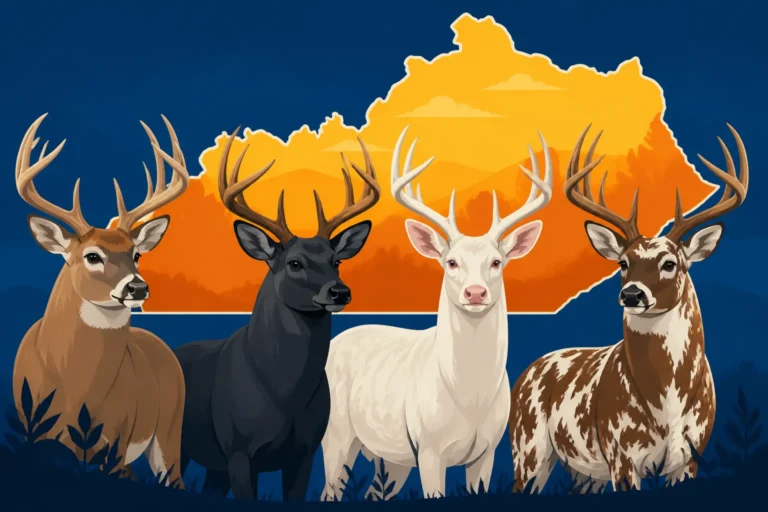
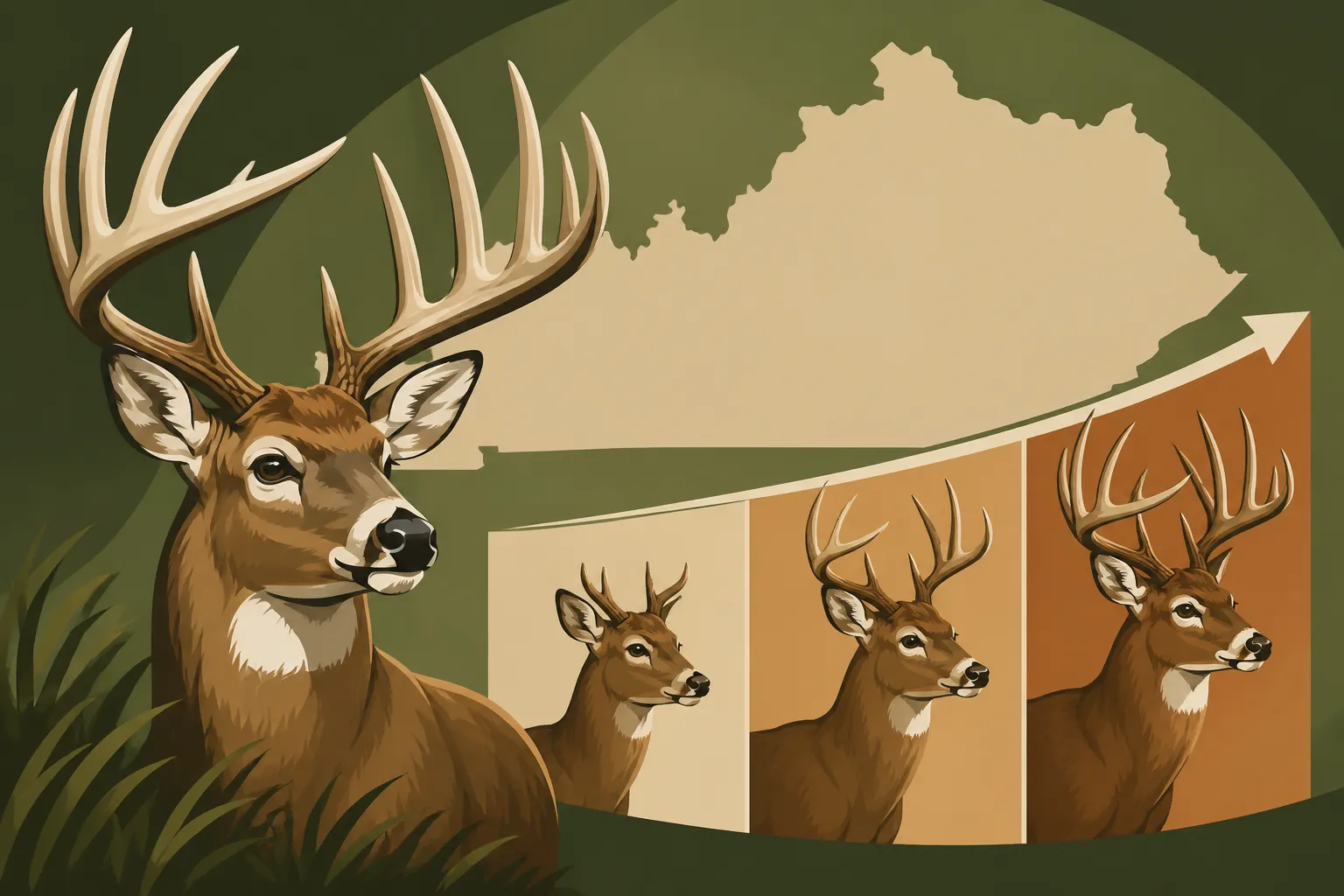
The "buck age structure" of a deer herd simply refers to the distribution of bucks across different age classes within a given area. Think of it like a demographic chart, but specifically for male deer. Instead of just knowing how many deer there are in total, we look at how old they are. Are most of the bucks you're seeing yearlings, running around with spike antlers or small forks? Or is there a healthy percentage of 3.5, 4.5, and even 5.5-year-old deer with bigger bodies and more developed rack? A well-balanced age structure usually means you have a good mix, from youngsters to the wise old patriarchs of the woods. This isn't just a fancy biological term for wildlife managers; it directly impacts your hunting experience and the health of the entire herd.
When you're out in the woods, whether you're still-hunting Eastern Kentucky ridges or setting up on a Western Kentucky field edge, understanding the age structure helps you set realistic expectations. If your local public land is consistently showing signs of only 1.5-year-old bucks, you're statistically less likely to see that Boone and Crockett contender there. Conversely, if there's a strong age class of mature bucks in your hunting zone, your odds of encountering one improve dramatically. It's about knowing what kind of deer are truly available in the timber you're walking or the fields you're watching. This knowledge helps you not only hunt smarter but also appreciate the natural dynamics of the herd you’re pursuing.
It’s easy to get caught up in antler size alone, but the real indicator of a healthy, thriving deer population isn't just one giant rack; it's a diverse range of ages present in the buck segment of the herd. This diversity is what allows for genetic strength, better breeding success, and overall resilience in the herd against environmental stressors and disease. A mature buck is also often a different animal to hunt—less prone to making youthful mistakes, possessing a heightened sense of danger, and far more challenging, which adds another profound layer to the pursuit we all love.
The Impact on Herd Health and Quality
A balanced buck age structure is absolutely crucial for overall herd health, not just for the bucks themselves, but for the does and fawns too. When you have a good number of older, more mature bucks in the population, it typically means less stress on the younger bucks during the demanding breeding season known as the rut. Instead of 1.5-year-old bucks having to do the bulk of the breeding, mature bucks, which are often more effective breeders due to their experience, physical prime, and ability to compete, can participate more effectively. This leads to healthier fawns born with stronger genetics, as they are sired by robust, proven animals.
Furthermore, older bucks are often better at passing on desirable traits because they've successfully survived multiple hunting seasons and natural challenges, proving their resilience and adaptability. Allowing bucks to age past their first year or two not only means they've had a chance to reach their full antler potential, which is what many hunters are after, but also ensures the strongest genes are being passed down. A herd with too many young bucks and too few older ones can lead to an earlier, more drawn-out rut, as young, inexperienced bucks struggle to find and breed receptive does, putting undue pressure on yearling bucks and affecting their crucial developmental stages. This is why discussions around Kentucky Deer Management Zone Rules often include strategies designed to allow bucks to mature, understanding the cascade effect on the entire population.
The overall "quality" of a deer herd isn't just about impressive antler size, though that's often what immediately captures attention. It’s fundamentally about the health of the does, the survival rate of fawns, and the robust genetic pool of the entire population. A proper age structure ensures that the strongest, healthiest bucks are contributing to the next generation, fostering a more robust and resilient deer population for years to come. This perspective emphasizes a long-term investment in the resource we all cherish, moving beyond instant gratification to sustainable enjoyment.
Why Older Bucks Are More Challenging
If you've spent any significant time in the Kentucky woods, especially during peak hunting seasons, you quickly learn that older bucks are just different animals. They've earned their stripes by successfully avoiding hunters, natural predators, and countless other dangers for years. This accumulated experience translates into heightened senses—an uncanny ability to read the wind currents, a mastery of using terrain and cover to their advantage, and an ingrained understanding of danger. They aren't the young, hormone-addled yearlings that might come charging foolishly into a grunt call or stand exposed for too long in an open field. Mature bucks are true masters of survival, almost ghost-like in their movements.
Their patterns are often more subtle, less predictable, and highly sensitive to pressure. They might bed in the thickest, nastiest cover that younger bucks wouldn't dream of entering, or move almost exclusively under the cover of darkness, especially on pressured public land. They often have very specific, concealed travel corridors, sometimes just inches wide through heavy brush or along intricate creek bottoms, and they'll rarely deviate from them unless absolutely forced. Trying to call a Kentucky gobbler off the roost is one thing, but trying to lure a 4.5-year-old buck into a vulnerable position is a whole other level of challenge. This is precisely why hunters value them so highly—the pursuit is immensely difficult, and the reward is proportionate to that effort and skill.
The older a buck gets, the more ingrained its survival instincts become. They recognize even subtle changes in their environment, pick up on human scent from incredible distances, and possess an innate understanding of hunting pressure and danger zones. This makes pursuing a mature buck a true chess match, requiring extreme patience, meticulous scouting, and a deep understanding of their subtle behaviors and habits. This is where modern tools like GoHunt can become invaluable, helping you scout remotely, analyze habitat, and pinpoint areas that mature deer might favor, away from typical human disturbance and pressure. These older bucks teach us humility and constantly push us to become better, more observant hunters.
Factors Influencing Kentucky's Buck Age Structure
Kentucky's diverse landscapes mean that what shapes the buck age structure in the rugged east might be quite different from the fertile farmlands of the west. Several key factors are always at play, impacting how many bucks live to see another season.
Hunting Pressure and Harvest Regulations
One of the biggest drivers of buck age structure in any state, and certainly here in Kentucky, is the combination of hunting pressure and the regulations designed to manage it. If an area sees consistently heavy hunting pressure, especially on readily accessible public lands where folks are eager to fill their tags, younger bucks are often the first to be harvested. They're typically less wary, more prone to making critical mistakes, and more likely to expose themselves during daylight hours. This can lead to a "young" buck age structure, where a significant majority of the bucks killed are 1.5 or 2.5 years old, creating a perpetual cycle of younger deer.
Kentucky's statewide and localized regulations, such as antler restrictions or specific bag limits, directly aim to influence this dynamic. For example, rules that protect young bucks by requiring a minimum number of points on one side are specifically designed to allow more bucks to survive their yearling year and enter older age classes. The ultimate goal is to shift the age structure towards a healthier, more balanced distribution, giving more bucks a chance to reach maturity. However, it’s always a delicate balance: too strict, and hunters can get frustrated; too lenient, and you might see an imbalance in the herd. Understanding Kentucky Deer Management Zone Rules is absolutely key here, as different zones have varying antlerless bag limits which can indirectly affect buck survival and population dynamics.
The cumulative effect of harvest decisions made by thousands of hunters across the state plays a huge role. Even on private lands, if neighbors are all focused on harvesting the first legal buck they see, it can hinder the development of older age classes across a wider landscape, as deer move between properties. This is why community-level management, where hunters work together, even informally, to pass younger bucks, can be incredibly effective in improving the local age structure and ultimately, the quality of hunting for everyone involved.
Habitat Quality and Nutrition
Beyond the direct impact of hunting pressure, the quality of the habitat and the nutritional resources available to deer have a profound and undeniable impact on how bucks grow and, consequently, their age structure. A deer that has access to plentiful, high-quality forage from the moment it’s a fawn will generally grow faster, develop a stronger immune system, and reach maturity in far better physical condition than a deer struggling to find adequate food in poor habitat. This means a buck in an area with abundant acorns, diverse succulent browse, and readily available agricultural crops like soybeans or corn, is far more likely to thrive.
In parts of Kentucky, especially the rich agricultural areas in the Western Kentucky bottomland deer country or the fertile soils of the Bluegrass region, deer often benefit from superior nutrition. This can translate to bucks developing larger bodies and more impressive antlers at a younger age. They might hit 3.5 years old looking like a 4.5-year-old buck from a more nutritionally stressed area. Good nutrition also helps them survive harsh winters, recover faster from injuries, and better fight off disease, all of which contribute to their overall longevity. These areas tend to have a better chance of sustaining older age classes of bucks simply because the deer are healthier, more robust, and have the physical resources to age.
Conversely, in areas with more limited food sources, such as some intensely timbered parts of Eastern Kentucky with less diverse plant life or poor soil quality, deer might not grow as quickly or reach their full genetic potential. They might be smaller-bodied and have less impressive antlers for their age. While these areas can still produce older bucks, their overall physical development might be hindered. This dynamic is a crucial part of what contributes to Kentucky Deer Population Estimate data and localized herd health assessments. Simply put, healthy habitat equals healthy deer, and healthy deer have a significantly better chance of making it to those older age classes we all want to see.
Disease and Predator Influence
While often less directly visible or immediately impactful than hunting pressure or habitat, factors like disease and predation can significantly influence Kentucky's buck age structure over time. Diseases such as EHD (Epizootic Hemorrhagic Disease) can sweep through local deer populations, particularly in dry years when deer congregate around limited water sources. EHD often hits older, larger bucks harder due to their larger body mass and higher metabolic rates. When a significant number of mature deer are lost to disease, it can instantly skew the age structure younger, as fewer experienced bucks remain in the population. This creates a noticeable void that takes years to refill, impacting breeding success and future hunting opportunities.
Predation, primarily from coyotes, also plays a continuous role, especially in fawn survival. While coyotes typically target fawns, and less commonly healthy adult deer, their continuous pressure can indirectly affect the number of young bucks entering the population in subsequent years. A higher fawn mortality rate means fewer deer overall grow up to replace older age classes, potentially leading to fewer bucks reaching older age classes down the line. It's a subtle but persistent influence on the recruitment of young deer into the herd. Efforts like Coyote Calling in Kentucky Farm Country can be a way hunters help manage these predator populations, but their direct impact on mature bucks is usually less significant than their role in fawn survival.
Furthermore, the presence of black bears in Southeastern Kentucky, while not a primary predator of healthy adult deer, can contribute to localized fawn mortality in their range. These natural processes are part of the complex ecosystem that constantly shapes deer populations. Understanding that these elements are at play, even if we can't always directly see their daily impact, helps us grasp the full picture of why our local buck age structure looks the way it does. It's a constant reminder that wildlife management is about balancing many dynamic variables, not just focusing on one or two.
Regional Differences in Kentucky Buck Age Structure
Kentucky is a state of varied landscapes, from the rugged eastern mountains to the fertile western plains, and these differences manifest clearly in the age structure of its buck populations.
Eastern Kentucky's Mountainous Terrain
Eastern Kentucky's rugged, mountainous terrain, characterized by deep hollows, steep ridges, and dense, expansive timber, often presents a distinct buck age structure compared to other parts of the state. The sheer difficulty of accessing much of this land, especially in vast areas like the Daniel Boone National Forest, can ironically create pockets where bucks have a better chance to age. While hunting pressure is certainly present, the immense effort required to get deep into some of these remote areas means some bucks simply aren't encountered as frequently as they might be in more accessible locales. This allows them to evade human encounters and grow older.
The habitat itself also plays a role. While predominantly timbered, these areas can have diverse mast crops like acorns, and crucial pockets of regenerating clear-cuts that provide essential browse and cover. However, overall nutritional quality might not be as consistently high as in rich agricultural areas, meaning bucks might take a little longer to reach their full antler potential. You might see a 4.5-year-old buck here with a rack that would be considered average in a Bluegrass county, but for that demanding terrain, he's a truly exceptional animal. Hunters who are willing to put in the strenuous work to hunt Cane Creek's steep hollows or focus meticulously on Reading a Ridge for Cumberland Deer often find these older, more elusive animals that have survived many seasons.
It's also worth noting that while these areas might not produce the sheer number of truly colossal trophy bucks seen in some other regions, the bucks that do reach maturity here are often incredibly resilient, wily, and hard-earned trophies. The hunting challenge is frequently heightened by the terrain itself, making a mature buck harvest in the mountains particularly rewarding. This is a region where detailed scouting, potentially using advanced mapping tools like GoHunt to analyze topography, access points, and dense cover, can make a real difference in locating those hidden, older deer that defy conventional hunting wisdom.
Western Kentucky's Agricultural Lands
Shift your focus to Western Kentucky, particularly the vast agricultural landscapes of the Pennyroyal and Mississippi Plateau regions, and you'll often find a strikingly different buck age structure. These areas are characterized by extensive corn and soybean fields, interspersed with crucial woodlots, meandering creek bottoms, and dense fencerows. The abundant, high-quality nutrition available year-round from agriculture means bucks here tend to grow faster and larger than their eastern counterparts. They can put on significant antler mass and body weight at remarkably younger ages, often leading to impressive racks earlier in life.
However, the accessibility of these lands and often higher human population density in these farming communities can also translate to more intense hunting pressure. Private land hunting is prevalent, and while some landowners practice strict management to grow older bucks, others might not prioritize age. This can sometimes lead to a younger age structure if too many bucks are harvested before they reach full maturity. Yet, the sheer carrying capacity of the land, combined with smart management practices by some larger landowners and hunting clubs, means that Western Kentucky still consistently produces a remarkable number of mature bucks year after year. Hunters here often focus on hunting a standing cornfield in farm country or meticulously Hunting Western Kentucky Bottomland Deer, adapting their tactics to this unique, fertile landscape.
The key to finding older bucks in Western Kentucky often lies in securing access to well-managed private land or finding less-pressured pockets on public ground that borders these rich agricultural resources. These bucks are often big-bodied and carry impressive headgear, but their intelligence is equally honed by constantly navigating human activity and intense hunting pressure. They learn quickly where and when to move safely, making them formidable opponents.
The Bluegrass Region's Unique Dynamics
The Bluegrass Region, especially around Central Kentucky, often stands out as an anomaly when discussing Kentucky buck age structure, and it's a topic that frequently comes up when we discuss Why the Bluegrass Region Grows Big Bucks. This area, renowned for its incredibly rich soils, iconic horse farms, and gently rolling hills, consistently produces some of the largest and oldest bucks in the state. Several factors uniquely contribute to this phenomenon. First and foremost, exceptional nutrition derived from incredibly fertile soils and meticulously managed pastures supports incredible antler and body growth. Bucks here often express their full genetic potential at younger ages due to the abundant, high-quality resources available to them almost effortlessly.
Second, a significant amount of private land, much of it owned by individuals or entities less focused on intense hunting for meat harvest, can lead to significantly lower overall hunting pressure in certain areas. This isn't to say there's no hunting, but often there's less intense pressure on younger bucks. Many landowners might only allow limited, managed hunting, or they might specifically manage their properties for older age-class bucks, letting them walk until they reach full maturity. This effectively creates natural refuges and sanctuaries where bucks can simply grow old without constant threat.
The result is often a buck age structure that includes a significantly healthier percentage of 3.5, 4.5, and even 5.5+ year old bucks. These are the deer that capture the attention of record book chasers and command respect from even the most seasoned hunters. While securing access to these prime lands can be challenging for the average hunter, understanding these dynamics helps explain why this region consistently produces top-end deer. For hunters lucky enough to gain permission or find managed public ground nearby, the Bluegrass offers a truly unique opportunity to pursue truly mature whitetails, often with impressive headgear to match their age.
How Hunters Can Impact and Benefit from Age Structure
As hunters, we aren't just consumers of the resource; we're also its most important stewards. Our individual and collective choices directly influence the deer herd, particularly the age structure of the bucks we pursue.
Understanding Harvest Strategies
As hunters, we collectively have a profound and undeniable impact on the buck age structure in our local hunting areas. Every time we pull the trigger or release an arrow, we're making a management decision, whether we consciously realize it or not. If everyone is focused solely on harvesting the first legal buck they see, regardless of age, the age structure will inevitably skew younger. This is particularly true on public lands where hunting pressure tends to be consistently higher, and individual hunters often prioritize taking any legal deer. For those passionate about seeing more mature bucks on their hunting grounds, understanding and intentionally implementing selective harvest strategies is absolutely key.
Selective harvest doesn't necessarily mean passing up every buck until it's a Boone and Crockett contender. More often, it means intentionally passing younger bucks, like those 1.5-year-olds with spike antlers or small forks, to give them another crucial year or two to grow. This requires discipline, patience, and a commitment to a longer-term goal of improving the herd. It also often means consciously shifting some of your harvest focus to antlerless deer (does), which is frequently a crucial component of healthy herd management. By taking a doe, you're not just filling your freezer; you're also helping to balance the herd's sex ratio, which can positively impact buck behavior and the dynamics of the rut. For example, Hunting the Kentucky Rut in Early November can be significantly more exciting and productive when there's a balanced sex ratio, as bucks are more actively seeking out fewer available does, leading to more daytime movement and competition.
It's truly a shared responsibility within the hunting community. When multiple hunters in an area agree to practice selective harvest, even informally through conversations and shared goals, the benefits can be seen fairly quickly. The age structure begins to shift, and suddenly, you're seeing more mature bucks on your trail cameras and, hopefully, from your treestand, creating a more fulfilling and challenging hunting experience for everyone.
The Role of Selective Harvest
Let's dig a little deeper into selective harvest, because it's more nuanced than just "letting small ones walk." It's about making informed, conscious decisions to promote a healthier, more balanced deer population, which ultimately improves the hunting experience for everyone involved. A core principle is to strategically protect the younger bucks, especially those 1.5-year-olds. These young bucks are often the first to be seen and harvested because they're typically less wary, more curious, and more prone to making mistakes that expose them to hunters. By allowing them to mature, you're investing directly in the future quality of the herd, giving them the chance to develop their full potential.
This strategy involves learning to identify deer by age as much as possible, not just by antler size. A 2.5-year-old buck might already have a decent rack, but if you know your specific hunting area struggles with a young age structure, letting him walk for another year could result in a truly impressive animal in the future. This requires practice and a keen eye, often gained through extensive trail camera use, careful observation, and study of age-related characteristics like body size and neck development. Monitoring the Kentucky Deer Antler Growth Timeline can help develop this skill. Modern tools like the Scouting With the Kentucky Hunt Fish App or advanced mapping platforms like GoHunt can help immensely in scouting, identifying patterns, and even sharing observations with fellow hunters in your immediate area, fostering a collective management approach.
Of course, this is a highly personal choice, and not every hunter has the same goals or opportunities. But for those who prioritize the pursuit of older, more challenging bucks, selective harvest is the most direct and effective way to influence the age structure in their favor. It means sometimes passing up a perfectly legal deer that might be tempting, but the satisfaction of seeing that buck again a year or two later, having grown into his magnificent prime, is an unparalleled reward. It's about being a true steward of the resource and understanding the long-term, positive impact of your thoughtful decisions on the future of Kentucky hunting.
Using Technology for Informed Hunting
In today's modern hunting world, technology isn't just a novelty; it can be an absolute game-changer when it comes to understanding and influencing buck age structure. It's not just about flashy gadgets; it's about powerful tools that provide invaluable data and insights, allowing you to hunt smarter, not just harder. Trail cameras, for instance, are perhaps the most powerful and accessible tool for monitoring the age structure on your specific hunting grounds. By running cameras year-round, you can get a good feel for the individual bucks in your area, track their growth year after year, and accurately estimate their age based on body characteristics and antler development. This objective data allows you to make informed decisions about which bucks to target and which to pass, rather than guessing.
Advanced mapping applications like those offered by GoHunt, or even the Kentucky Hunt Fish App, allow you to analyze terrain, identify bedding areas, pinpoint subtle travel corridors, and locate potential food sources where mature bucks might seek refuge. You can use these apps to find ground others walk past, identifying those overlooked pockets of dense cover or remote corners on public land where older bucks might consistently seek refuge from pressure. Overlaying property lines with public land maps helps you understand where deer might be escaping hunting pressure and how they move between properties. This kind of detailed scouting, often done from the comfort of your home, can significantly reduce your impact in the field while dramatically increasing your knowledge base.
Finally, responsibly sharing information (always respectfully and within ethical boundaries) with other hunters in your community, even if it's just general observations about buck age classes, can create a broader understanding and encourage collective management. Knowing that the deer you're seeing in your hunting area is part of a larger, interconnected population empowers you to make decisions that benefit the entire herd, leading to a healthier and more mature buck age structure for everyone to enjoy.
Kentucky Buck Age Structure Comparison by Region
To summarize the general trends, here's a look at how buck age structure often varies across Kentucky's distinct geographical regions:
| Kentucky Region | Typical Buck Age Structure Characteristics | Nutritional Quality Influence | Hunting Pressure Impact on Age | Average Antler Potential (Age 3.5+) |
|---|---|---|---|---|
| Eastern Kentucky | Often younger, but with pockets of older, wise bucks in remote areas due to difficult access. | Moderate; relies heavily on natural browse and mast crops. | Variable; lower in deep, rugged woods, higher near roads. | Good, but often smaller-bodied for age due to nutrition. |
| Western Kentucky | Mixed; can be younger if pressure is high, but good potential for older bucks on managed lands. | High; abundant agricultural crops (corn, soybeans) supplement natural forage. | Moderate to High; widespread hunting pressure, but private land management varies. | Excellent, often larger-bodied and heavier-antlered for age. |
| Bluegrass Region | Skews older; higher percentage of mature bucks due to superior nutrition and controlled hunting. | Exceptional; fertile soils, managed pastures, and diverse forage. | Variable; often lower on expansive private estates, creating refuges. | Exceptional, with significant trophy potential and early antler development. |
Disclaimer
This article is for general informational purposes only and does not constitute professional advice. Laws, prices and regulations vary by location and change over time. Consult a qualified professional for guidance on your specific situation.