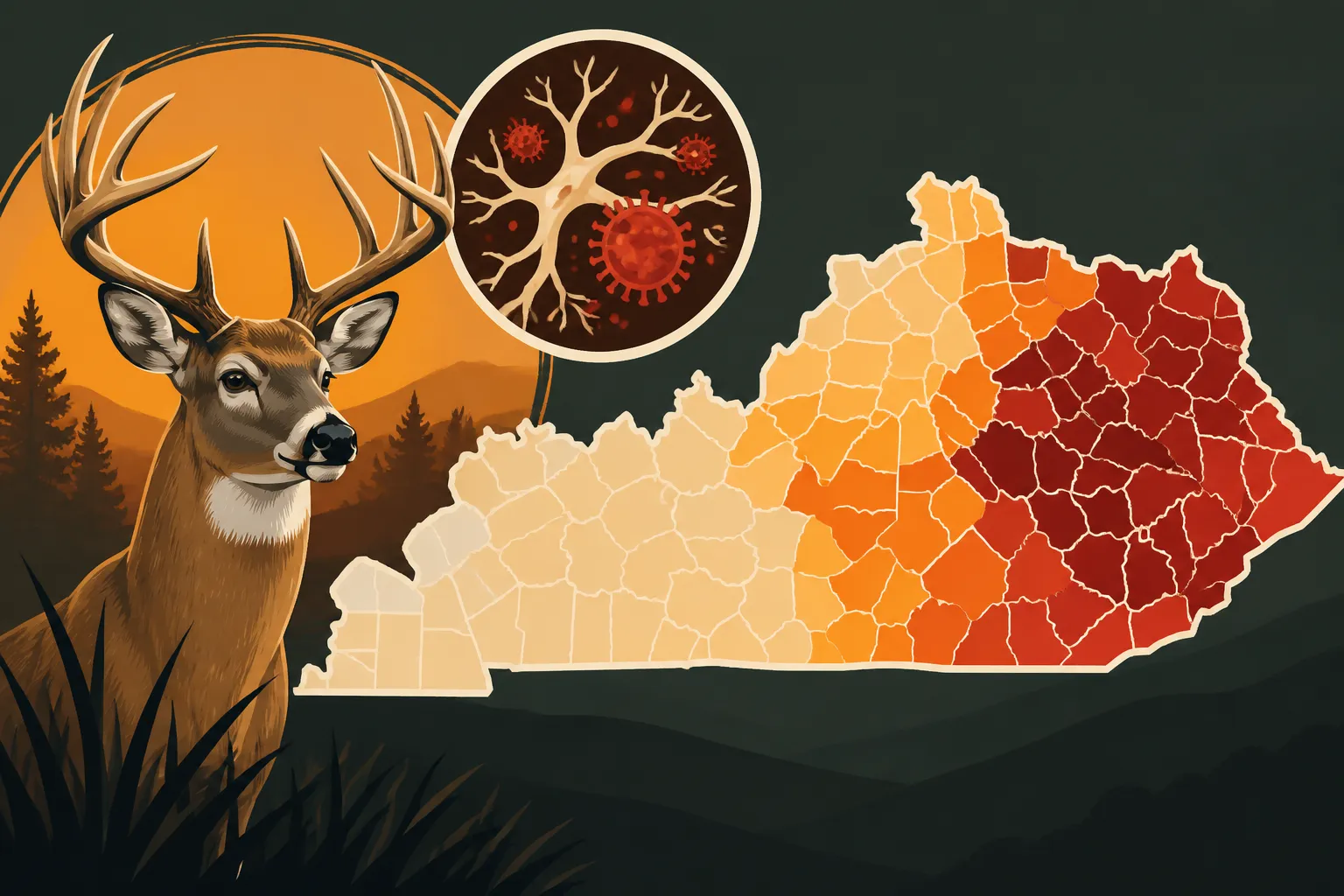
Kentucky’s CWD Case Count by County
Chronic Wasting Disease (CWD) is one of those unsettling phrases that can send a shiver down any Kentucky deer hunter's spine. The worry isn't just about the health of our magnificent white-tailed deer herd, but also the ripple effect it has on hunting seasons, regulations, and how we interact with our harvested game. Navigating the changing landscape of CWD surveillance zones and understanding which counties have confirmed cases can feel like trying to hit a moving target in dense timber. This comprehensive guide will break down the current CWD situation in Kentucky, shedding light on the affected counties, the implications for hunters, and what you need to know to stay informed and compliant.
Understanding Chronic Wasting Disease
Chronic Wasting Disease is a serious neurological disease that affects deer, elk, moose, and caribou. It's caused by abnormal proteins called prions, which slowly damage the brains of infected animals. The sad reality is, it’s always fatal, and there's no known cure or vaccine. While CWD is similar to "mad cow disease" in cattle, there's currently no evidence that it can spread to humans, but health officials still recommend not consuming meat from infected animals. For us hunters, the concern is primarily for the long-term health and stability of our beloved deer herd.
The disease spreads through direct contact between animals, or indirectly through contaminated environments, such as soil or plants where infected deer have been. Prions can persist in the environment for years, making CWD a particularly stubborn challenge once it takes root. The incubation period can be quite long, often 18 to 24 months, meaning an infected deer might appear perfectly healthy for a significant time before showing symptoms like drastic weight loss, stumbling, drooling, or a general lack of awareness. This latency makes early detection incredibly difficult and highlights why active surveillance is so vital.
Kentucky's Battle Against CWD: A Timeline of Detections
Kentucky has long been proactive in its efforts to monitor for CWD, especially given that surrounding states have confirmed cases. For years, the state conducted extensive testing of harvested deer, thankfully reporting zero positive cases. This made many of us breathe a sigh of relief, but the threat was always there, just across state lines. The goal was, and remains, to keep CWD out of Kentucky.
However, the reality of wildlife diseases is that they don't respect borders. Eventually, the disease made its unwelcome appearance. The initial detection of CWD in Kentucky sent shockwaves through the hunting community and immediately triggered a robust response from wildlife officials. This wasn't just a single isolated incident; subsequent detections, particularly within captive cervid facilities, underscored the complexity of managing and containing this disease. The situation escalated rapidly when What Happened at the Breckinridge Captive Facility became a clear indicator that CWD had indeed arrived, prompting urgent action and expanding the focus beyond wild deer.
Kentucky's CWD Surveillance Zone: Affected Counties
Following the initial positive cases, the Kentucky Department of Fish and Wildlife Resources (KDFWR) established a CWD Surveillance Zone. This zone is a geographically defined area around confirmed cases where intensified monitoring, testing, and specific regulations are put in place to understand the extent of the disease and prevent further spread. For hunters, being aware of these zones is paramount, as different rules apply to harvesting and processing deer within them. Understanding Kentucky's Chronic Wasting Disease Surveillance Zone is critical for anyone planning a hunt.
Initially, these zones focused on areas directly impacted by the first detections. However, as new cases emerged, sometimes unexpectedly, the boundaries had to adapt. For instance, Why Pulaski County's Case Expanded the Zone illustrates how a single new detection can dramatically alter the map, bringing more counties under stricter regulations. Similarly, Why Ballard County Has Two Confirmed CWD Cases highlights how persistent, localized issues can necessitate ongoing vigilance in specific areas. It’s a dynamic situation, and what was true last year might not be true this year.
Here’s a snapshot of the counties that have been part of Kentucky's CWD Surveillance Zone due to confirmed cases:
| County Name | Confirmed CWD Cases | Notes for Hunters |
|---|---|---|
| Ballard County | Yes | Earliest wild deer detections, strict rules apply. |
| Calloway County | Yes | Part of expanded surveillance following nearby detections. |
| Marshall County | Yes | Adjacent to other affected areas, included in intensive monitoring. |
| Muhlenberg County | Yes | A recent addition, impacting hunters in this productive deer region. |
| Breckinridge County | Yes | Linked to initial captive facility detections, long-term surveillance. |
| Grayson County | Yes | Part of a broader surveillance effort surrounding established zones. |
| Hardin County | Yes | Included due to proximity and deer movement patterns. |
| LaRue County | Yes | Another county brought into the zone for proactive monitoring. |
| Marion County | Yes | Expanded surveillance given new detections in surrounding areas. |
| Nelson County | Yes | Active monitoring and regulations are in place for hunters here. |
| Washington County | Yes | Joined the zone to enhance overall disease management efforts. |
| Pulaski County | Yes | A significant expansion trigger, requiring widespread hunter awareness. |
| Wayne County | Yes | Added to the zone following cases that pushed boundaries eastward. |
| Monroe County | Yes | Part of the continued expansion to cover potential spread routes. |
| Metcalfe County | Yes | Incorporated into the zone for regional disease management. |
| Allen County | Yes | Adjacent to other affected counties, now under heightened scrutiny. |
Note: This table reflects counties that have been, at various times, identified as having confirmed CWD cases or being part of the primary surveillance zone due to a confirmed case.
It's crucial for hunters to always check the most current KDFWR regulations before heading out, as these zones can be updated based on new findings. The Kentucky Deer Management Zone Rules also overlap with these CWD considerations, adding another layer of complexity that hunters need to keep straight. Many hunters rely on up-to-date mapping resources to help visualize these boundaries, and a platform like GoHunt can be particularly useful for quickly checking official zone lines before venturing into the field.
What CWD Means for Kentucky Hunters
Hunting within or around Kentucky's CWD Surveillance Zone carries specific responsibilities and regulations designed to help limit the spread of the disease. It's not about making hunting harder; it's about protecting the future of hunting in our state. The frustration of new rules is understandable, but these measures are in place to safeguard the herd we all cherish.
Mandatory Testing and Sampling Locations
One of the most significant changes for hunters in CWD zones is the requirement for mandatory CWD testing. This typically means that any deer harvested within the surveillance zone must have its head or specific lymph nodes submitted for testing. This is a critical component of the state's surveillance efforts, providing valuable data on prevalence and geographical spread. Hunters often wonder, How Many Kentucky Counties Have Found CWD, and their participation in testing is how we get those answers.
Finding a sampling station can sometimes feel like a treasure hunt, but the KDFWR works hard to provide accessible locations. Hunters should familiarize themselves with Finding a Kentucky CWD Sampling Location well before their hunt. Often, these are drop-off points at specific stores, taxidermists, or designated KDFWR facilities. It’s a bit of extra work after a successful hunt, but it’s a vital contribution to wildlife management. Using tools like GoHunt can sometimes help hunters locate these critical drop-off points or official information links directly from their mobile device in the field.
Carcass Movement Restrictions
Another major aspect of CWD management is regulating the movement of deer carcasses out of the surveillance zone. This is perhaps one of the most impactful rules for hunters, especially those who travel to hunt. The primary goal is to prevent the physical spread of prions to new areas. You absolutely need to understand Kentucky Carcass Movement Restrictions before you leave the field.
Typically, this means that only specific parts of the deer are allowed to leave the zone, such as deboned meat, clean antlers, hides, and finished taxidermy products. The brain and spinal cord, where prions are most concentrated, are generally prohibited from leaving. This can mean field-dressing or even boning out a deer in the field, which requires extra planning and sometimes specialized gear. For hunters wondering Moving a Deer Carcass Out of the Surveillance Zone, this can be a logistical challenge, but it's a necessary step to protect our broader deer population.
Staying Informed and Proactive
The CWD situation is constantly evolving, which can be a real headache for hunters trying to keep up. Regulations can change annually, and new detections can lead to expanded zones or modified rules. The best defense is a good offense: staying informed.
Utilizing Official Resources
The Kentucky Department of Fish and Wildlife Resources website is your primary source for the most up-to-date information on CWD, including current surveillance zone maps, testing requirements, and carcass movement restrictions. They also often provide informational brochures and public meetings to address hunter concerns. Ignoring these resources is simply putting your hunting future at risk.
Another excellent tool for staying informed is using a hunting app that integrates official state data, such as GoHunt. These platforms can often provide real-time updates on regulations, CWD zones, and even scouting information, helping you make informed decisions about where and how to hunt. They can be particularly useful when you're out in the field and need quick access to information on, say, Kentucky CWD Prevalence in Ballard County or if a particular logging road falls within a mandatory testing area.
Best Practices for Hunters
Even if you hunt outside a designated CWD zone, adopting certain best practices is a smart move for everyone who cares about the health of our deer herd.
- Practice Safe Carcass Handling: Always wear gloves when field dressing an animal, and minimize contact with brain and spinal tissues.
- Dispose of Carcasses Properly: If you're outside a CWD zone, dispose of carcass waste in a landfill or bury it deeply. Never dump carcasses on public or private land. If you're in a CWD zone, follow specific KDFWR disposal guidelines.
- Report Sick Animals: If you observe a deer exhibiting symptoms consistent with CWD—emaciation, unusual behavior, drooling—report it to the KDFWR immediately. Do not harvest or consume such an animal. Your quick thinking can make a real difference in early detection.
- Support Research and Management: The KDFWR is continuously working to monitor and manage CWD. Supporting their efforts through license purchases and compliance with regulations is vital. Hunter education, which you can learn more about in Kentucky Hunter Education Requirements, also plays a role in fostering responsible practices.
CWD is a serious challenge, but with informed hunters acting responsibly, we can all contribute to mitigating its impact and ensuring a healthy future for Kentucky's deer and our hunting heritage.
Disclaimer
This article is for general informational purposes only and does not constitute professional advice. Laws, prices and regulations vary by location and change over time. Consult a qualified professional for guidance on your specific situation.