Why Ballard County Has Two Confirmed CWD Cases
When you hear about Chronic Wasting Disease (CWD) appearing in a new area, or, worse yet, popping up again in a place already on high alert, it’s completely understandable to feel a mix of frustration, concern, and maybe a little confusion. For hunters in Kentucky, especially those who cherish the rich traditions and incredible deer hunting opportunities in places like Ballard County, the news of CWD can cast a long shadow. This guide is here to unravel the complexities surrounding why Ballard County has had two confirmed CWD cases, what that means for you as a hunter, and how we can all work together to protect Kentucky's invaluable deer herd.
Understanding Chronic Wasting Disease (CWD) and its Impact
Chronic Wasting Disease is one of those topics that can quickly make a hunter’s heart sink. It’s a serious neurological disease that affects cervids – deer, elk, moose, and reindeer – leading to severe brain damage and, eventually, death. It's a progressive and fatal disease, and currently, there is no vaccine or cure.
What CWD Is and How It Spreads
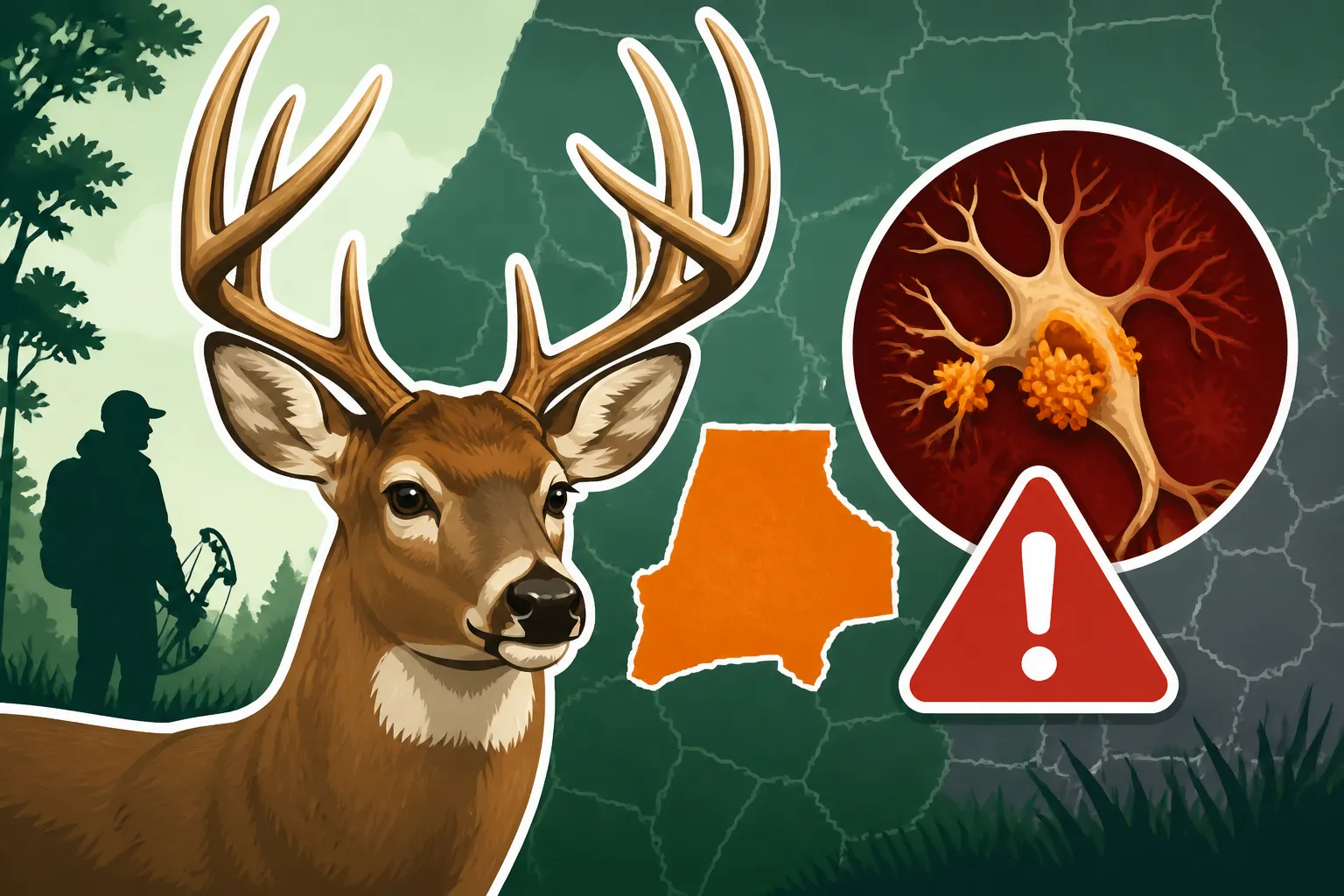
At its core, CWD is caused by abnormal proteins called prions. These prions are incredibly resilient and can survive in the environment for years, even after an infected animal has died. Imagine a tiny, invisible enemy that contaminates the soil, plants, and water where deer frequent. When a healthy deer comes into contact with these prions, whether through direct contact with an infected animal, contaminated soil, or even through their mothers, the prions can begin their slow, destructive work. They essentially "mis-fold" normal proteins in the brain, creating a cascade effect that deteriorates the animal's nervous system.
It's a terrifying thought, especially for us hunters who spend so much time in close proximity to these animals and their habitat. The disease doesn't just spread through direct contact; infected saliva, urine, and feces all carry the prions. This means a deer can be shedding these prions long before showing any visible signs of illness, making early detection and containment incredibly challenging. The fact that these prions can persist in the environment is what makes CWD such a formidable adversary for wildlife management agencies and hunters alike.
Kentucky's Proactive Surveillance Efforts
Kentucky has long been on high alert, watching CWD spread in neighboring states with a mix of dread and determination. The Kentucky Department of Fish and Wildlife Resources (KDFWR) has poured significant resources into proactive surveillance, running thousands of CWD tests annually on harvested deer and elk. This isn't just a casual effort; it’s a systematic approach involving targeted testing in high-risk areas, voluntary submissions from hunters, and mandatory testing in designated zones. The goal is to catch any occurrence of CWD as early as possible to minimize its spread.
This intensive monitoring is crucial because early detection is our best defense. Think of it like a community health program: the more people who get screened, the better chance you have of catching an illness before it becomes an epidemic. For Kentucky's deer, this means a rigorous campaign to gather samples, often relying heavily on the cooperation of hunters. KDFWR also works closely with adjacent states, understanding that deer don't respect state lines, and a CWD case in, say, Illinois or Tennessee, could easily impact Kentucky's herd. Their efforts, including public awareness campaigns and clear guidelines, are a testament to how seriously the state takes this threat, aiming to protect Kentucky's White-Tailed Deer Across Kentucky.
Ballard County's CWD Journey
Ballard County, located in the far western part of Kentucky, finds itself in a particularly sensitive position when it comes to CWD. Its geography and proximity to other states that have been dealing with CWD for longer have made it a critical zone for monitoring.
The Initial Detection and Its Implications
The news first hit hard when Kentucky confirmed its initial CWD case in Ballard County in December 2021. This wasn't just another distant report; it was here. The first deer, an adult doe, was harvested during the archery season and submitted for routine testing. When the results came back positive, it triggered immediate and decisive action from KDFWR. This single detection immediately established Ballard County as part of Kentucky's Chronic Wasting Disease Surveillance Zone.
Suddenly, hunters who were used to straightforward seasons had a new layer of rules to navigate. Carcass movement restrictions were put in place, mandatory testing became a requirement for deer harvested within the zone, and specific regulations regarding baiting and feeding were enacted to limit deer congregation and potential disease transmission. This first case was a wake-up call, emphasizing that CWD wasn't just a concern for other states; it was now a stark reality for Kentucky hunters. The state had to rapidly educate the public on topics like Moving a Deer Carcass Out of the Surveillance Zone and the importance of compliance.
The Second Confirmed Case and What Changed
Then, in November 2022, just shy of a year after the initial detection, Ballard County reported its second confirmed CWD case. This time, it was an adult buck harvested during the early muzzleloader season. While certainly disheartening, a second case within the same county, and relatively close to the first, wasn't entirely unexpected given the nature of CWD transmission and how long prions can persist in the environment. It reinforced the understanding that the disease was indeed present in the local deer population, even if at low prevalence.
The discovery of a second case didn't necessarily trigger entirely new protocols, but it certainly intensified the existing ones. The boundaries of Kentucky's Twenty-Two County Surveillance Zone were reaffirmed, and KDFWR continued its rigorous mandatory testing program within the zone. This second case further solidified Ballard County's status as a critical hotbed for CWD surveillance and management, highlighting the ongoing challenge the department faces in monitoring and mitigating the spread. It served as a grim reminder that this isn't a "one-and-done" situation; it's a long-term battle requiring sustained effort.
Geographic Factors Contributing to Spread
Ballard County's position isn't just significant because it’s a Kentucky county; it's significant because of where it is. Located in the far western part of the state, it sits along the Mississippi River, bordering both Missouri and Illinois. Both of these states have documented CWD cases in their deer populations for years. Deer, being wild animals, don't adhere to state lines, and their natural movements can easily bring infected animals from an adjacent state into Kentucky.
The landscape itself also plays a role. Western Kentucky, especially areas like Ballard, is characterized by a mix of agricultural fields, bottomland hardwoods, and river corridors. This provides ample habitat for deer and creates natural travel corridors. Deer often move along these river bottoms and field edges, increasing the chances of contact between individuals or exposure to environmental prions. The proximity to high-density deer populations in neighboring states, combined with the region's natural geography that facilitates deer movement, creates a perfect storm for the introduction and potential spread of CWD. This geographic reality underscores why How Many Kentucky Counties Have Found CWD will always be a dynamic and closely watched statistic.
Hunting Responsibly in a CWD Surveillance Zone
Hunting in a CWD surveillance zone requires a heightened sense of awareness and a commitment to following regulations designed to protect both the deer herd and public health. It’s about being a responsible steward of our wildlife resources.
Mandatory Testing and Carcass Restrictions
The most immediate and impactful changes for hunters in a CWD surveillance zone, like Ballard County, involve mandatory testing and strict carcass movement rules. If you harvest a deer within the CWD zone, it is mandatory to submit its head for testing. This is typically done at designated CWD sampling locations, which are often conveniently set up during deer season. The KDFWR website and apps like GoHunt are fantastic resources for finding these locations and understanding the process. You'll usually need to remove the head (with about 4-6 inches of neck still attached) and the deer identity tag still affixed.
Beyond testing, there are strict rules about what parts of a deer can leave the CWD surveillance zone. Generally, only deboned meat, cleaned skull plates (antlers attached), cleaned teeth, and finished taxidermy products are allowed to be transported out. This is a crucial measure to prevent the accidental spread of prions to new areas via infected carcasses. Imagine if someone harvested an infected deer, took the entire carcass home, and later disposed of the bones and spinal column in a landfill outside the CWD zone. This could potentially introduce prions to a new, unaffected area. Understanding these rules is vital, and resources like "Mandatory Testing Inside Kentucky's CWD Zone" can help clarify the specifics.
Safe Handling and Consumption Practices
When hunting in a CWD zone, exercising caution and following best practices for handling and consuming harvested venison is paramount. While there have been no confirmed cases of CWD transmission to humans, the Centers for Disease Control and Prevention (CDC) and other public health agencies recommend not eating meat from CWD-positive animals. This is where the mandatory testing comes in; you’ll want to await test results before consuming the meat.
Beyond waiting for results, general safe handling practices are crucial. Always wear latex or rubber gloves when field dressing. Minimize the handling of brain and spinal tissues, and use separate knives and cutting surfaces for processing game meat compared to other food preparation. After field dressing, thoroughly clean and sanitize your knives and equipment. If your deer tests positive for CWD, it should not be consumed. The KDFWR provides clear guidelines on Safe Handling and Consumption Practices, and adherence to these is a mark of a responsible hunter. Even if the animal tests negative, proper hygiene is always a good idea.
The Role of Hunters in CWD Management
Hunters are undeniably the most important partners in Kentucky's CWD management efforts. We are the eyes and ears in the field, often the first to notice changes in deer behavior or population health. Our participation in mandatory testing, adherence to carcass movement restrictions, and diligent reporting of sick or unusual-looking deer are all critical components of a successful CWD strategy. Without hunter cooperation, the state's ability to monitor and respond to CWD would be severely hampered.
Beyond compliance, hunters can contribute by staying informed. Regularly checking KDFWR updates, using mapping apps like GoHunt to understand surveillance zone boundaries, and discussing CWD responsibly within hunting communities are all ways to help. We are not just participants; we are stakeholders in the health of Kentucky's deer herd, and our collective efforts can make a profound difference in the long-term future of deer hunting in the state. Don’t forget to report your harvest promptly through Kentucky Deer Harvest Reporting Rules, as this data is crucial for wildlife management.
The Broader CWD Picture in Kentucky
While Ballard County is a focal point due to its confirmed cases, it’s important to remember that CWD is a statewide concern, and Kentucky's surveillance efforts extend far beyond just one county.
Kentucky's Expanding Surveillance Zone
Following the detections in Ballard, other areas in Kentucky have also seen CWD activity, leading to an expansion of the surveillance zone. The KDFWR has identified a broader "CWD Surveillance Zone" that includes any county where CWD has been detected, as well as adjacent counties deemed at high risk. For instance, the detection of CWD in a captive facility in Breckinridge County, which then led to a wild deer positive in Pulaski County, further broadened the scope of Kentucky's CWD efforts. This means that areas like Pulaski County are now under enhanced surveillance, and hunters there face similar testing and carcass restrictions as those in Ballard.
This expansion demonstrates how CWD is an ever-present threat. When you look at a map of Kentucky, you'll see a patchwork of counties under different levels of CWD management. For hunters, this means always being aware of which zone you are hunting in before you head afield, especially during deer season. The regulations can differ based on whether you are in an affected county or an adjacent, high-risk area. Utilizing tools like the Kentucky Hunt Fish App or the GoHunt platform can help you quickly ascertain the specific rules for your hunting location, ensuring you're always compliant. The fact that the Pulaski County case Expanded the Map highlights the dynamic nature of CWD spread.
Long-Term Management Strategies
Kentucky's long-term strategy for CWD isn't about eradication—that's generally considered impossible once the disease is established in the wild. Instead, it focuses on mitigation and management. The goal is to keep prevalence rates low and prevent the disease from spreading widely across the state. This involves a multi-pronged approach:
- Continued Surveillance: Persistent, widespread testing remains the bedrock, particularly in high-risk border areas and within current surveillance zones.
- Targeted Harvest: In some cases, KDFWR may implement special antlerless deer seasons or increased bag limits within affected zones to reduce deer densities. Lower densities can help slow the rate of disease transmission.
- Carcass Disposal Sites: Providing designated disposal sites for carcasses within surveillance zones helps prevent environmental contamination outside those areas.
- Public Education: Ongoing outreach to hunters, landowners, and the general public is crucial for ensuring cooperation and understanding of CWD risks and regulations.
- Research & Collaboration: KDFWR works with universities and other state agencies, keeping abreast of the latest CWD research and collaborating on regional strategies.
This comprehensive approach is designed to ensure that deer populations remain healthy and huntable for generations to come, recognizing that this is a marathon, not a sprint.
How Hunters Can Stay Informed
Staying informed is perhaps one of the most proactive steps any hunter can take. The regulations surrounding CWD can change as new information emerges or as the disease status evolves.
Here’s how you can keep up-to-date:
- KDFWR Website: The official Kentucky Department of Fish and Wildlife Resources website is the primary source for the most current CWD information, including maps of surveillance zones, testing locations, and regulatory updates.
- GoHunt Platform: Digital platforms like GoHunt often integrate state hunting regulations and CWD zone information directly into their mapping tools, making it easy to see where you are in relation to CWD affected areas. Their news sections can also provide timely updates.
- Email Newsletters & Social Media: Sign up for KDFWR's email newsletters and follow their social media channels for real-time announcements.
- Local Wildlife Biologists: Don’t hesitate to reach out to your local KDFWR wildlife biologist with specific questions or concerns. They are a wealth of knowledge and often have the most granular understanding of local conditions.
- Hunter Education Courses: Periodically refreshing your knowledge through hunter education or advanced courses can also help keep you informed about evolving regulations and best practices.
By actively seeking out information, you empower yourself to make responsible decisions and contribute positively to CWD management efforts in Kentucky.
CWD Regulations at a Glance for Ballard County Hunters
Navigating the various rules can feel like a lot, so here’s a quick overview of what hunters in Ballard County, as part of a CWD Surveillance Zone, need to keep in mind.
| Regulation Category | Key Requirement | Rationale |
|---|---|---|
| Mandatory Testing | All deer harvested in Ballard County must have their heads submitted for CWD testing. | Essential for monitoring disease prevalence and spread. |
| Carcass Movement | Only deboned meat, cleaned skull plates, cleaned teeth, or finished taxidermy can leave the CWD Zone. | Prevents transporting infectious prions to unaffected areas. |
| Baiting/Feeding | Restrictions on baiting and feeding deer may be in place. | Reduces deer congregation, which can increase direct transmission. |
| Antlerless Harvest | Specific antlerless deer harvest opportunities or requirements may be implemented. | Helps manage deer density to slow disease transmission. |
| Reporting Sick Deer | Report any deer exhibiting CWD symptoms (emaciation, abnormal behavior, drooling). | Early detection of potentially infected animals. |
| Safe Handling | Wear gloves, minimize contact with brain/spinal tissue, await test results before consuming. | Minimizes potential exposure to prions and ensures safe consumption. |
This table provides a snapshot, but always refer to the official KDFWR regulations for the most current and detailed information.
Disclaimer
The information provided in this guide is intended for general informational purposes only and does not constitute legal advice or an exhaustive list of all Kentucky hunting regulations. Hunting laws and CWD regulations are subject to change. Always consult the most current Kentucky Department of Fish and Wildlife Resources (KDFWR) hunting guide and official website before engaging in any hunting activities. Adherence to all state and federal laws is the sole responsibility of the hunter.