How Many Kentucky Counties Have Found CWD
The dread of hearing about a new wildlife disease can really weigh on a hunter's mind, especially when it concerns the very game we cherish and pursue. Chronic Wasting Disease (CWD) is one of those topics that brings up a lot of questions and, frankly, a good bit of anxiety for us here in Kentucky. This comprehensive guide is here to cut through the confusion, helping you understand precisely how many Kentucky counties have been impacted by CWD, what that means for your hunting plans, and how we, as a hunting community, can navigate this challenge together.
Understanding the CWD Threat in Kentucky
Before we dive into the specifics of Kentucky's CWD situation, it's really important to get a solid grasp on what Chronic Wasting Disease actually is and why it commands such serious attention. It's not just another bug that runs through the deer herd; it's something entirely different and more insidious. For many of us who've spent decades in the woods, the idea of a disease that could fundamentally change deer hunting is unsettling, to say the least.
What is Chronic Wasting Disease?
Chronic Wasting Disease, or CWD, is a neurological disease that affects cervids – that's deer, elk, moose, and reindeer. It's caused by abnormal proteins called prions, not a virus or bacteria, which makes it particularly challenging. These prions essentially cause the brain of an infected animal to degenerate, leading to a slow, progressive decline that is always fatal. Think of it like mad cow disease, but for deer. It's a naturally occurring disease, but once it gets a foothold in a population, it’s incredibly difficult to manage.
The really concerning thing about prions is their resilience. Unlike viruses or bacteria that can be killed with disinfectants, prions are incredibly tough. They can persist in the environment – in soil, plants, and even on surfaces – for years, making it possible for other animals to pick them up long after an infected deer has passed away. This environmental persistence is a huge factor in why CWD spreads and why containing it is such a monumental task for wildlife agencies like the Kentucky Department of Fish and Wildlife Resources (KDFWR).
Symptoms of CWD in deer can be subtle at first, often going unnoticed. As the disease progresses, however, infected animals may start to exhibit what we commonly refer to as a "wasting" appearance. They become emaciated, losing weight dramatically despite eating. You might also notice behavioral changes: listlessness, stumbling, drooling excessively, having a lowered head, or showing a lack of fear of humans. It’s a heartbreaking sight to witness, and these animals are typically observed in the final stages of the disease.
Why CWD is a Game Changer for Hunters
For generations, hunting has been about more than just harvesting an animal; it's about connecting with nature, providing for our families, and participating in a deeply rooted tradition. CWD throws a wrench into that by introducing a layer of uncertainty and concern. The potential for the disease to decimate deer populations in the long term, or even just make hunters wary of consuming venison, directly threatens the very fabric of our hunting culture. Nobody wants to feel like the deer they've responsibly harvested might pose a health risk, even if current research suggests otherwise for humans.
The emotional toll can be significant too. Many hunters pour countless hours into scouting, habitat improvement, and practicing their craft, all for the chance to harvest a healthy deer. Imagining that effort culminating in an animal suffering from CWD, or having to deal with the complexities of mandatory testing and carcass restrictions, can be incredibly frustrating. It adds a new, often bureaucratic, layer to an activity that many pursue specifically to escape the complexities of modern life.
Beyond the individual hunter, CWD has significant implications for overall deer management. Wildlife agencies like KDFWR are forced to adapt their strategies, potentially modifying season lengths, bag limits, or even encouraging higher harvest rates in affected areas to reduce population density and slow the spread. This can feel counterintuitive to hunters who are used to management strategies focused on herd growth and quality. It’s a tough pill to swallow, realizing that the disease may dictate how we manage and enjoy our deer resources for years to come.
The Current Landscape: Kentucky's CWD Counties and Surveillance Zones
When it comes to CWD in Kentucky, the big question on everyone's mind is, of course, "How many counties have found it?" It's a dynamic situation, but thankfully, Kentucky has taken proactive steps to monitor and manage the disease since its first detection. While the number of positive cases remains relatively low compared to some other states, the presence of CWD has led to the establishment of important surveillance zones that affect hunters across a wider area.
Identifying CWD-Positive Counties in Kentucky
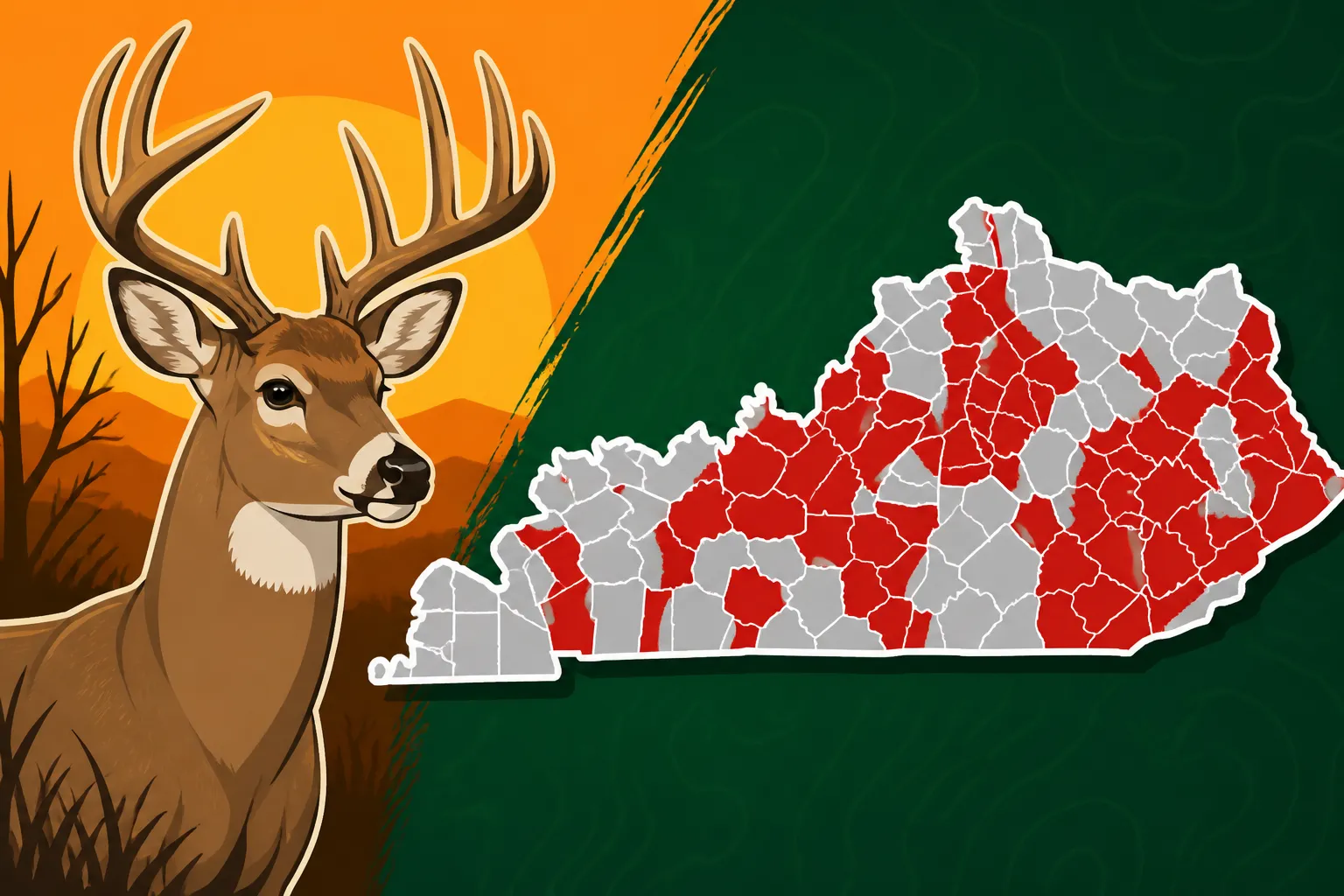
Currently, as of the most recent updates, Kentucky has two counties where Chronic Wasting Disease has been confirmed: Ballard County and Pulaski County.
Ballard County, located in the far western part of the state, was the site of Kentucky's first-ever confirmed CWD case in 2017. This initial detection was a wake-up call, immediately triggering heightened surveillance and management protocols. Sadly, Ballard County has since had additional positive detections, highlighting Why Ballard County Has Two Confirmed CWD Cases and the persistent challenge of this disease once it arrives. The subsequent cases confirmed the unfortunate reality that CWD was indeed present and active within the state's deer population.
The second CWD-positive county is Pulaski County, situated in the south-central part of Kentucky. The detection of CWD in Pulaski County marked a significant expansion of the disease's footprint, geographically separating it from the western Kentucky cases. This spread is precisely Why Pulaski County's Case Expanded the Map of concern, demonstrating that the disease isn't confined to one small corner of the state but can appear in different regions, requiring a statewide vigilance.
These detections immediately led to intensive monitoring and management efforts by the KDFWR. It's crucial for hunters to understand that finding CWD is a serious event, prompting specific actions to mitigate further spread and protect the state's deer herd. While the number of counties with confirmed positive cases remains low, the KDFWR continues to conduct widespread testing to catch any new occurrences as early as possible.
Defining Kentucky's CWD Surveillance Zone
Because CWD is so insidious and can spread quietly, the KDFWR has established a robust CWD Surveillance Zone. This zone encompasses counties that are either CWD-positive themselves or are adjacent to, or in close proximity to, a county with a confirmed case. The primary purpose of this surveillance zone is proactive: to detect any new cases as quickly as possible and to implement measures that help prevent the disease from spreading further into healthy deer populations.
The surveillance zone includes a much larger number of counties than just the two CWD-positive ones. This strategic designation allows the KDFWR to monitor a wider geographic area, collecting more samples and actively looking for signs of the disease before it becomes widespread. For instance, Kentucky's Twenty-Two County Surveillance Zone includes counties like McCracken, Livingston, Carlisle, Hickman, and Fulton in the west, surrounding Ballard. In the south-central region, counties such as Rockcastle, Lincoln, Casey, Wayne, and Clinton now fall under the surveillance umbrella due to the Pulaski County detection.
Hunters operating within this expanded surveillance zone need to be aware that specific rules and guidelines apply. These are designed to minimize the risk of spreading CWD, even if a particular county within the zone hasn't yet had a confirmed case. It's all about being cautious and gathering as much data as possible, which means hunter cooperation is absolutely essential.
The Difference Between Positive and Surveillance Counties
It's important for Kentucky hunters to understand the distinction between a "CWD-positive county" and a "CWD Surveillance Zone county," because the implications for your hunting activities can differ. While both are critical to the KDFWR's CWD management strategy, they carry different weights of restriction and expectation.
In a CWD-positive county (currently Ballard and Pulaski), there have been confirmed cases of the disease. This means the disease is known to be present in the local deer population. As a result, regulations here are typically the most stringent. Hunters often face mandatory CWD testing requirements for harvested deer during certain periods, and strict carcass movement restrictions are always in effect. The focus in these areas is on containment and gathering detailed data on disease prevalence, such as Kentucky CWD Prevalence in Ballard County.
A CWD Surveillance Zone county, on the other hand, is part of a larger geographic area designated for heightened monitoring. While a county within this zone may not have had a confirmed positive case itself, it's considered at higher risk due to its proximity to a CWD-positive area or other epidemiological factors. Regulations in surveillance zones often include mandatory CWD testing during specific periods and carcass movement restrictions, similar to positive counties, but the intensity of these measures might be adjusted based on risk assessment. The goal is to detect CWD early if it does emerge and prevent its spread into new areas. Think of it as an early warning system.
Understanding these differences is key because the rules you follow as a hunter can vary depending on where you are. Always check the KDFWR regulations for the specific county you plan to hunt in, especially if it's anywhere near a known CWD area. These guidelines are put in place to protect the overall health of Kentucky's deer herd, and our compliance is a critical part of that effort.
Navigating the Regulations: What CWD Means for Hunters
Okay, so we know which counties are positive and which are in the surveillance zone. But what does that actually mean for you, the hunter, when you're out in the woods? No one wants to accidentally break a rule, especially when trying to do the right thing for wildlife. The KDFWR has implemented specific regulations to manage CWD, and being informed is your best defense against potential issues.
Mandatory CWD Testing and Sampling Requirements
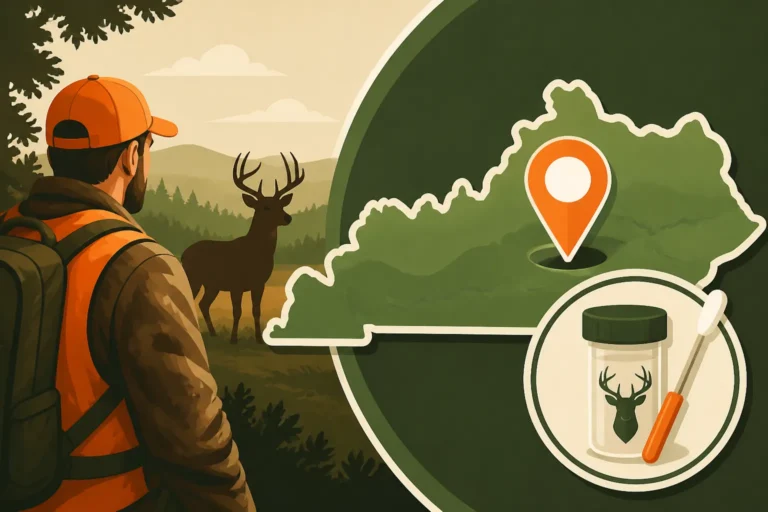
One of the most direct impacts of CWD on hunters in affected areas is the requirement for mandatory testing of harvested deer. In CWD-positive counties and some designated surveillance zone counties, particularly during specific periods of the deer season, hunters are required to submit their deer for CWD testing. This isn't just a suggestion; it's a critical component of the KDFWR's strategy to track the disease and understand its prevalence. Mandatory Testing Inside Kentucky's CWD Zone helps biologists get the data they need to make informed management decisions.
The process usually involves taking the deer to an official CWD sampling station. These stations can be KDFWR check stations, participating taxidermists, or approved processors. When you check in your deer, trained personnel will collect a sample, usually lymph nodes from the deer's neck, for laboratory analysis. It's usually a quick and easy process, but it's essential to follow the instructions carefully to ensure the sample is viable. If you're wondering Finding a Kentucky CWD Sampling Location, the KDFWR website and local conservation officers are your best resources for up-to-date lists and maps. It's a small inconvenience, but a huge contribution to the health of our deer herd.
Ultimately, compliance with these mandatory testing requirements isn't just about avoiding a penalty; it's about being a responsible steward of Kentucky's wildlife. Every sample collected provides valuable data points that help KDFWR scientists map the disease, identify new hot spots, and determine if their management strategies are working. So, while it might add an extra step to your hunt, remember that you're playing a direct role in protecting the future of deer hunting in the Commonwealth.
Carcass Movement Restrictions
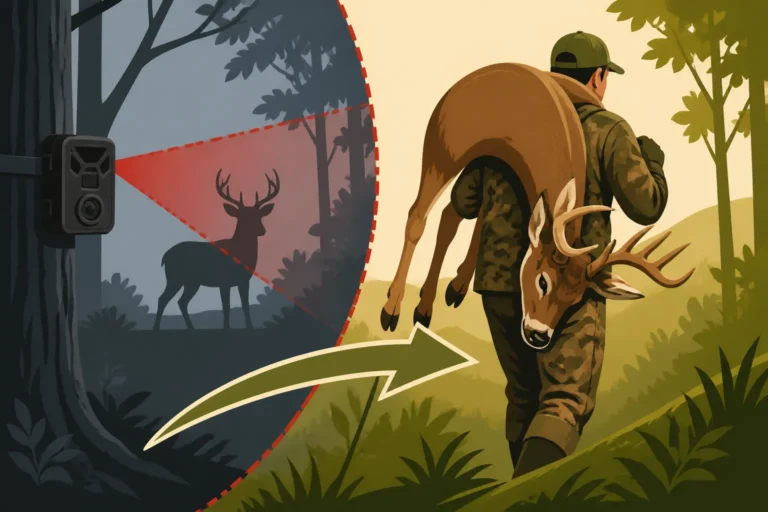
Another significant regulation hunters need to be acutely aware of, especially if they harvest a deer in a CWD-positive or surveillance zone county, involves carcass movement. The tough reality is that the prions causing CWD can be found in various parts of a deer, particularly in the brain, spinal cord, lymph nodes, and spleen. Moving a whole carcass out of an affected area dramatically increases the risk of inadvertently spreading those prions to a new, unaffected county.
Therefore, strict rules are in place regarding Moving a Deer Carcass Out of the Surveillance Zone. Generally, you cannot transport a whole deer carcass from a CWD-positive or surveillance zone county across county lines into an area outside that zone. This rule might sound restrictive, but it's designed to prevent the disease from hitchhiking to new territories. Imagine if someone processed a deer in an unaffected county, and those CWD prions ended up in the soil or left behind where other deer could pick them up. It's a nightmare scenario that these rules aim to prevent.
However, these restrictions aren't meant to stop you from taking your venison home. The KDFWR allows certain parts of the deer to be transported. Typically, this includes deboned meat, clean skull plates (without brain matter attached), antlers, hides, and clean teeth. Essentially, any part that doesn't contain the highest concentration of CWD prions. So, if you're hunting in a CWD zone, it's wise to be prepared to debone your harvest in the field or take it to a local processor within the zone. Always double-check the latest Kentucky Carcass Movement Restrictions before you head out, as these rules can change.
Impact on Deer Management Strategies
The emergence of CWD has forced the KDFWR to critically re-evaluate and adapt its long-standing deer management strategies. Traditionally, management often focuses on herd health through factors like habitat, age structure, and balancing buck-to-doe ratios. With CWD, a new, formidable variable is introduced that can override some of those traditional concerns. The primary goal in CWD-affected areas shifts heavily towards slowing the spread and reducing disease prevalence.
This could mean adjustments to Kentucky Deer Management Zone Rules or even county-specific regulations. For instance, in areas where CWD is detected, the KDFWR might encourage higher antlerless deer harvests. The thinking here is that reducing the overall deer density can help limit deer-to-deer contact, thereby slowing the transmission of the disease. While for years we’ve often focused on letting younger bucks walk, in a CWD zone, the emphasis might be on removing as many deer as possible to keep the disease in check, regardless of antler size.
Long-term, CWD will continue to shape how the KDFWR monitors and manages Kentucky's deer population. This includes ongoing research into disease transmission, environmental persistence, and potential mitigation strategies. As hunters, our understanding and cooperation with these evolving strategies are vital. It's not always easy to adapt to new rules, especially when they challenge long-held beliefs about deer management, but in the face of CWD, flexibility and collective action are our best tools.
Staying Informed and Participating in CWD Management
The CWD situation is constantly evolving, which can make it hard to keep up. But as hunters, we have a vital role to play, not just in following the rules, but in actively helping to monitor and manage the disease. Staying informed and participating responsibly are our most powerful tools in protecting Kentucky's deer heritage.
Resources for Up-to-Date CWD Information
The absolute best place to get the most accurate and current information on CWD in Kentucky is directly from the source: the Kentucky Department of Fish and Wildlife Resources (KDFWR). Their website is constantly updated with the latest news, county designations, regulations, and sampling station locations. I can’t stress enough how important it is to make their website a regular stop before and during deer season, especially if you hunt near any of the CWD-affected or surveillance zones.
Beyond the KDFWR website, there are other excellent resources that can help. Many hunters find digital mapping applications invaluable for understanding property lines, topography, and increasingly, CWD zone boundaries. Apps like GoHunt, for example, can integrate public land maps with regulatory zones, allowing you to visualize where you are in relation to CWD restrictions. It's incredibly helpful for quickly referencing whether you're in a mandatory testing area or need to adhere to specific carcass transport rules, even when you're deep in the woods without cell service for web searches. Local conservation officers are also fantastic resources; they are often the most knowledgeable about county-specific nuances and can answer your questions directly.
The Hunter's Role in CWD Surveillance
As hunters, we are often the first eyes on the ground, observing deer behavior and herd health. This puts us in a unique position to aid in CWD surveillance. If you ever encounter a deer that appears sick or exhibits any of the symptoms associated with CWD – emaciation, listlessness, neurological issues, unusual behavior – it's crucial to report it. Don't approach or harvest the animal; instead, make a call to the KDFWR. Knowing Reporting a Sick Animal in Kentucky protocols is an important part of our ethical responsibility. This early detection by attentive hunters can be instrumental in identifying new cases and preventing further spread.
Proper carcass disposal is another critical aspect of a hunter's role. If you harvest a deer in a CWD zone and process it yourself, ensure that any parts not allowed for transport (like brain, spinal column, etc.) are disposed of responsibly. This means either leaving them where the deer was harvested (if on private land and permitted by the landowner), burying them deeply, or taking them to a permitted landfill. Never discard potentially infected parts along roadsides or in unauthorized areas where other cervids could access them. This small act of responsible disposal can have a significant impact on preventing environmental contamination.
Ultimately, participating in CWD management means being a proactive, informed, and responsible hunter. It involves understanding the rules, complying with testing requirements, practicing safe carcass handling, and reporting suspicious observations. Our collective commitment to these practices is our best defense against CWD and ensures that Kentucky's deer hunting legacy remains strong for future generations.
Looking Ahead: The Future of CWD in Kentucky
The presence of Chronic Wasting Disease in Kentucky, though currently limited to a couple of counties, presents a long-term challenge that isn't going away quickly. We're facing a marathon, not a sprint, in terms of managing this disease. There's no easy cure or quick fix on the horizon for CWD, which can be disheartening to think about. However, the KDFWR, in conjunction with other state and federal agencies, continues to invest in research and implement adaptive management strategies to monitor and mitigate the spread.
Hunters should anticipate that CWD regulations, especially regarding surveillance zones, mandatory testing, and carcass movement, may evolve over time. As more data is collected, and as the disease's presence potentially changes, the KDFWR will adjust its strategies. This could mean changes to local deer hunting seasons or even specific bag limits in affected areas. It's vital to embrace a mindset of flexibility and stay current with the regulations each year. Think of it as a new, permanent part of our hunting landscape, much like understanding deer behavior or weather patterns.
The hope for the future lies in continued vigilance, scientific advancement, and most importantly, the ongoing cooperation of Kentucky's hunting community. By staying informed, following regulations, and actively participating in surveillance efforts, we contribute directly to protecting the health of our deer herd. While CWD undoubtedly adds a layer of complexity to our beloved pastime, it also underscores our role as conservationists. Together, we can work to safeguard Kentucky's rich hunting tradition for generations to come, even in the face of this formidable disease.
| County Status | Counties Included (Examples) | Key Implications for Hunters |
|---|---|---|
| CWD-Positive | Ballard, Pulaski | Mandatory CWD testing, strict carcass movement restrictions, heightened KDFWR monitoring. |
| CWD Surveillance Zone | McCracken, Livingston, Carlisle, Hickman, Fulton, Rockcastle, Lincoln, Casey, Wayne, Clinton (Kentucky's Twenty-Two County Surveillance Zone) | Mandatory CWD testing (during specific periods), carcass movement restrictions, increased local vigilance. |
| Non-CWD Zone | All other Kentucky counties | No mandatory CWD testing or carcass movement restrictions unless bordering a CWD zone. |
Disclaimer
The information provided in this guide is intended for educational purposes only and is based on publicly available data from the Kentucky Department of Fish and Wildlife Resources (KDFWR) at the time of writing. CWD regulations and affected county statuses can change. It is the responsibility of every hunter to consult the official KDFWR website or their local conservation officer for the most current and accurate regulations before engaging in any hunting activities.