Why Pulaski County’s Case Expanded the Map
It's always a tough pill to swallow when news breaks that changes the landscape of our hunting seasons, and the discovery of Chronic Wasting Disease (CWD) in Pulaski County definitely sent a ripple of concern through Kentucky's deer hunting community. Many folks, myself included, felt a mix of surprise and apprehension about what this meant for the future of our herds. You might have found yourself scratching your head, wondering why this one case prompted such a significant expansion of the CWD Surveillance Zone. This guide will unpack exactly what happened in Pulaski County and clarify the reasoning behind the expanded map, helping you understand the new measures in place to protect Kentucky's deer.
Understanding the Landscape of CWD in Kentucky Before Pulaski
Before we dive into the specifics of Pulaski County, it's crucial to understand the context of CWD in Kentucky. This isn't a new threat, but its presence and management have evolved, often leading to changes that impact how and where we hunt. Hunters are naturally protective of our wild places and the game within them, and CWD presents a unique, persistent challenge.
Early Detections and Initial Surveillance Zones
For many years, Kentucky was CWD-free, a point of pride and a testament to diligent management. However, the disease, a fatal neurological affliction affecting deer, elk, and moose, had been creeping closer in neighboring states. When it finally arrived, it wasn't a slow, insidious spread we could easily track from afar. Instead, Kentucky's first confirmed cases of CWD popped up in rather unexpected ways, particularly in Ballard County, which saw Why Ballard County Has Two Confirmed CWD Cases in its deer herd. These initial detections often involved either surveillance efforts or unfortunate circumstances, like the situation at What Happened at the Breckinridge Captive Facility, which underscored the complex ways CWD can emerge and necessitates strict protocols.
These early detections quickly led to the establishment of Kentucky's initial Kentucky's Chronic Wasting Disease Surveillance Zone. This wasn't done lightly; it was a scientifically-backed move to contain the potential spread by closely monitoring deer populations in areas deemed at highest risk. For hunters in these zones, it meant a new set of rules and responsibilities, which, while sometimes inconvenient, were absolutely vital for the long-term health of our deer herd. The frustration was real, but so was the understanding that we all needed to do our part.
The primary goal of these early zones was to define a perimeter where the disease was known to exist or was highly likely to be present, and then to implement strategies to detect further cases and limit its movement. This included increasing surveillance efforts, gathering samples, and educating hunters. It felt like a constant learning curve for everyone, from the wildlife biologists to the individual hunter planning their next outing.
The Role of Mandatory Testing and Carcass Restrictions
With the establishment of CWD surveillance zones came a suite of new regulations designed to combat the disease head-on. The most impactful for hunters were mandatory CWD testing for harvested deer and strict carcass movement restrictions. Imagine harvesting a beautiful buck after a long, cold sit, only to realize you couldn't just throw it in the truck and head home without following specific steps. It definitely added another layer of planning to an already involved process.
In the initial CWD zones, hunters were required to submit samples from their deer for testing. This felt like a burden to some, an extra step after the excitement of a successful hunt. But the data collected from this mandatory testing was, and still is, absolutely critical. It provides wildlife agencies with vital information on disease prevalence and helps them understand how CWD might be spreading. Without this robust dataset, management decisions would be based on guesswork, rather than science. You can find more details on what's required at Kentucky CWD Testing for Hunters.
Alongside testing, rules were put in place regarding Kentucky Carcass Movement Restrictions. These restrictions dictate which parts of a deer carcass can be moved out of a surveillance zone, and in what condition. For instance, sometimes only deboned meat, clean antlers, or taxidermy-ready hides can leave the zone. This is to prevent the physical transport of infected deer parts – like brain or spinal tissue – that could introduce CWD to new areas. While inconvenient, especially for those hunting near zone borders, these measures are a cornerstone of preventing broader geographic spread. It's a testament to the fact that even small, seemingly simple actions can have a massive impact on wildlife health.
The Pulaski County Discovery and Its Immediate Impact
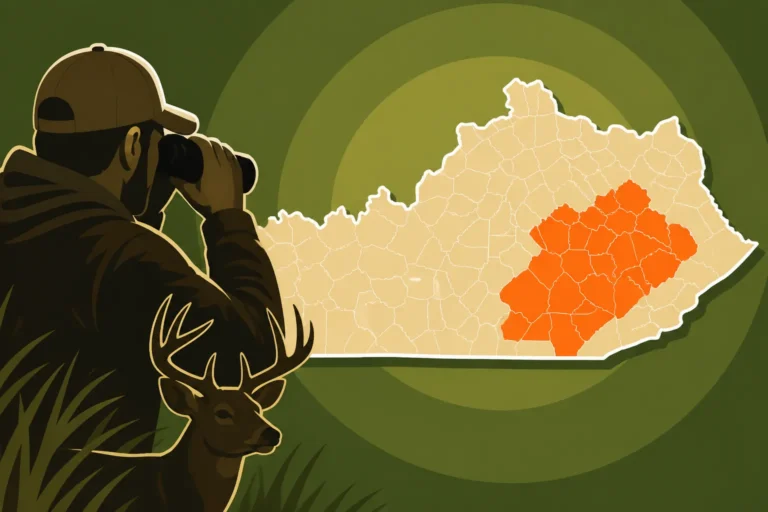
Just when many of us felt like we were getting a handle on the established CWD zones and protocols, Pulaski County entered the conversation. This particular case caught many off guard, prompting a rapid and significant expansion of the CWD Surveillance Zone. It highlighted the unpredictable nature of the disease and the constant vigilance required.
The Unforeseen Location and Circumstances of the Case
The discovery of CWD in Pulaski County was a real curveball. Unlike some previous cases that could be traced back to captive facilities or were found in counties directly adjacent to existing zones, the Pulaski case felt more isolated, geographically speaking. It wasn't necessarily a county on the immediate border of the existing surveillance zone, which raised a lot of questions and, let's be honest, a good bit of worry among hunters and landowners alike. The fact that it popped up where it did felt like a stark reminder that CWD isn't just a "Ballard County problem" or a "captive deer problem"; it's a potential threat anywhere deer roam.
This discovery meant a sudden shift in focus for Kentucky's wildlife biologists and game managers. They had to quickly assess the situation, understand the potential implications of a CWD detection in a new area, and decide on the best course of action to protect the broader deer population. For hunters in Pulaski County, the news was immediate and impactful. Suddenly, familiar hunting grounds were under new scrutiny, and the rules changed overnight. Imagine planning your Kentucky Modern Gun Season Opening Day hunt, only to find out you now had new responsibilities after a harvest. It's a lot to take in when you're just trying to enjoy your time afield.
The circumstances surrounding the Pulaski case differed from, say, the captive facility link in Breckinridge County. This made it particularly concerning because it suggested the disease might be circulating in the wild deer herd through natural means, rather than a more easily identifiable point of origin. This kind of detection is often what leads to the most comprehensive and widespread management responses, as it indicates a need for broader vigilance. It underscored the point that How Many Kentucky Counties Have Found CWD can expand unexpectedly.
Redrawing the Map: Why the Zone Had to Expand
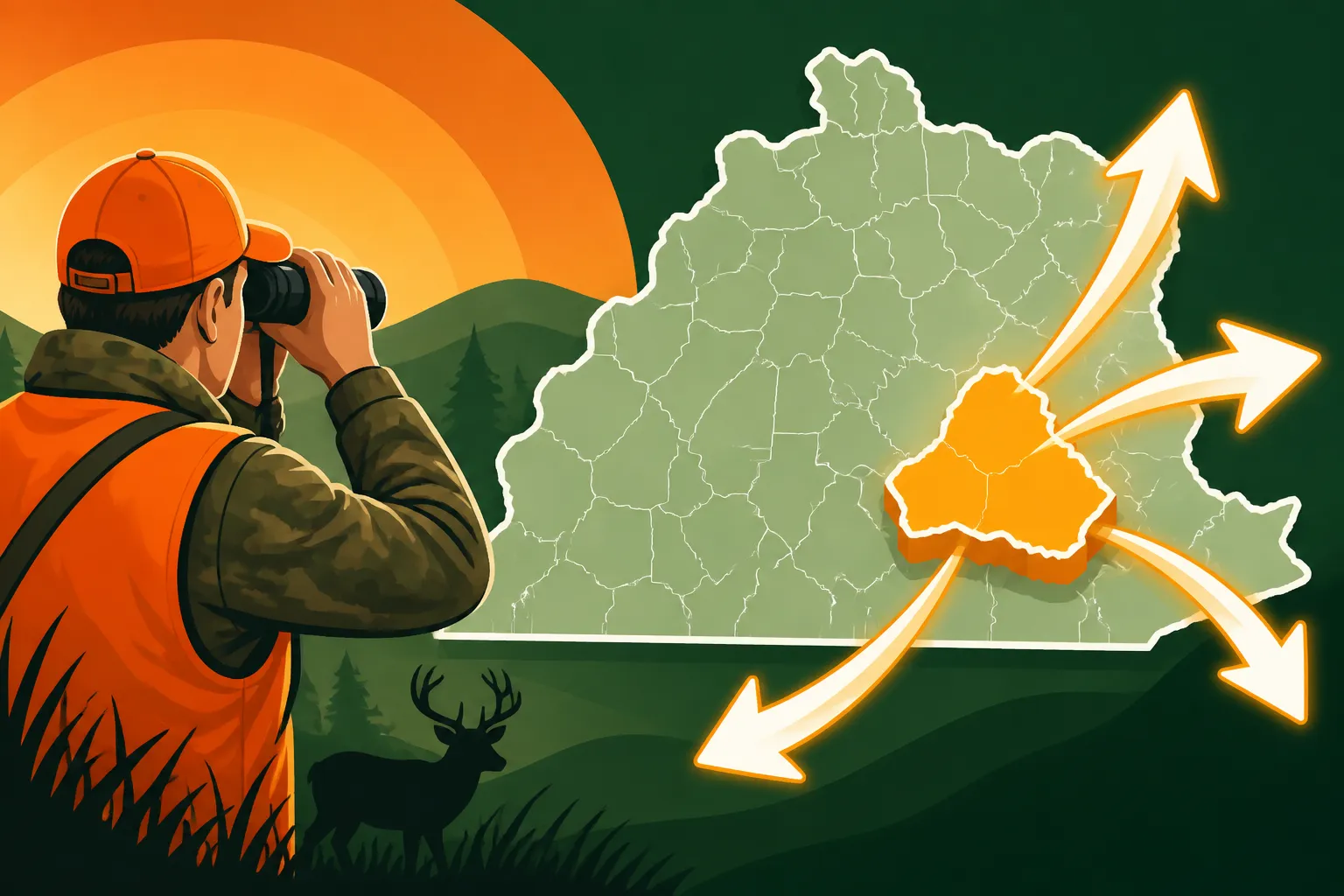
When a CWD case is detected in a new area like Pulaski County, the immediate reaction from wildlife agencies is to perform an intense epidemiological investigation. This isn't just about finding the infected animal; it's about understanding the risk of spread. The decision to expand the CWD Surveillance Zone isn't arbitrary; it's based on scientific models and principles of disease ecology. Deer, as we all know, don't respect county lines, especially healthy, active deer moving during the rut or in search of food.
The logic behind expanding the zone revolves around several key factors. First, deer movement patterns are critical. A buck might range several miles during the breeding season, covering multiple properties and even crossing county boundaries. A doe, while typically having a smaller home range, can still contribute to local spread. Therefore, setting a surveillance zone that encompasses a reasonable radius around a confirmed positive case, taking into account typical deer movement, is a proactive measure. It aims to catch any potential undetected cases that may have arisen from contact with the infected animal or from a broader, undetected infection within that localized population. Think of it like a ripple effect; Pulaski was the stone, and the new zone is the expanding ripple.
Secondly, the expansion serves as an early warning system. By including adjacent counties, wildlife managers can increase surveillance efforts there, hoping to detect any secondary infections before they become widespread. This means more CWD sampling, more hunter education, and continued monitoring of herd health. While it's a significant undertaking and adds administrative layers, it's considered essential to protect the overall White-Tailed Deer Across Kentucky from widespread CWD infection. It’s an unfortunate but necessary step to draw a larger perimeter and intensify observation, especially when a new, seemingly isolated case pops up. The goal is always to protect our hunting heritage for generations to come, and sometimes that means making tough decisions that inconvenience us today for a healthier tomorrow.
Navigating the New, Expanded CWD Surveillance Zone
With the CWD Surveillance Zone now expanded to include Pulaski County and its neighbors, it's natural to feel a bit overwhelmed or even frustrated by the additional responsibilities. But understanding these new rules and why they're in place is the first step in adapting and continuing to enjoy our hunting traditions responsibly.
New Rules for Hunters in Pulaski and Surrounding Counties
For hunters in Pulaski and the newly added surrounding counties, the most immediate and significant changes involve mandatory CWD testing and modified carcass movement restrictions. Gone are the days of simply field dressing your deer and heading straight to the processor or home, unless you're staying within the surveillance zone with the entire carcass. Now, if you plan to transport your deer out of the zone, you'll need to pay close attention to the rules. This might mean having your deer deboned at a local processor within the zone, or quartering it yourself and adhering to specific transport guidelines. It’s an extra step, for sure, but a crucial one in preventing the spread of the disease to new, unaffected areas. You can find detailed requirements and find a local sampling station by checking out Finding a Kentucky CWD Sampling Location.
The mandatory testing aspect can feel like a chore, but it's really about collecting the critical data needed to track CWD. When you harvest a deer in a surveillance county, you'll likely need to submit the head (or specific tissue samples) for CWD testing. This information helps the Kentucky Department of Fish and Wildlife Resources (KDFWR) monitor the disease's prevalence and distribution, guiding future management decisions. It might require a trip to a designated sampling station or working with an approved taxidermist or processor. Always make sure you understand the specific reporting deadline, which is usually tied to The Kentucky Deer Reporting Deadline for Telecheck. Missing these steps can lead to penalties, and nobody wants that after a successful hunt.
Staying informed about which counties are currently in the CWD zone is paramount. Tools like the Kentucky Hunt Fish App can be incredibly helpful for checking boundaries and regulations on the go. Many hunters, myself included, have found mapping applications like GoHunt invaluable for identifying land ownership and, crucially, knowing exactly where those CWD zone lines fall. It helps prevent accidental violations and ensures you're prepared with the right plan for your harvest. It's not about making hunting harder; it's about making it sustainable in the face of a real threat.
Here's a quick overview of key hunter actions in a CWD Surveillance Zone:
| Action Category | Pre-Harvest / In-Field | Post-Harvest / Processing |
|---|---|---|
| Information Gathering | Know your county's CWD status and zone boundaries. | Understand mandatory testing requirements for your harvest. |
| Carcass Handling | Minimize carcass movement if possible. | Debone meat or quarter carcass within the zone for transport. |
| Testing & Reporting | Locate nearest CWD sampling station before you hunt. | Submit required samples (usually head) for CWD testing. |
| Disposal | Plan for proper disposal of carcass waste in-zone. | Utilize designated CWD disposal dumpsters where available. |
Long-Term Implications for Deer Management and Hunting
The expansion of the CWD Surveillance Zone due to the Pulaski County case has long-term implications for how we approach deer management and hunting in Kentucky. It underscores the reality that CWD isn't going away anytime soon, and continuous adaptation will be necessary. Wildlife agencies are constantly refining their strategies, often leaning on hunters to be their eyes and ears in the field, reporting any deer that appear sick or exhibit unusual behavior. The success of CWD management truly hinges on a collaborative effort between the KDFWR and the hunting community.
One of the biggest implications is the potential for ongoing adjustments to Kentucky Deer Management Zone Rules and bag limits. In areas where CWD prevalence is found to be higher, agencies might consider increasing antlerless harvest opportunities to help reduce deer densities, as lower densities can help slow the transmission of the disease. This could mean more opportunities for hunters to fill their freezers, but it also shifts the focus from purely trophy hunting to herd health management. It's a balance, and sometimes a contentious one, but one that is absolutely vital.
For those of us who cherish hunting in Kentucky, the Pulaski County situation is a wake-up call that we need to remain vigilant and engaged. This might involve supporting funding for CWD research, advocating for responsible hunting practices, and diligently following all regulations, even when they feel inconvenient. Our actions today directly influence the health and abundance of tomorrow's deer herd, and thus the future of our hunting opportunities. It’s a collective responsibility that every hunter shares, ensuring that the legacy of Kentucky Deer Harvest Records continues for generations to come.
In conclusion, the CWD case in Pulaski County was a significant event that reshaped Kentucky's CWD Surveillance Zone. It highlighted the dynamic nature of disease management and the unwavering commitment required from both wildlife agencies and hunters to protect our precious deer resource. By understanding the reasons behind the expanded map and diligently adhering to the new rules, we can all play a vital role in mitigating the impact of CWD and ensuring that hunting remains a vibrant tradition in the Commonwealth.
Disclaimer
This article is for general informational purposes only and does not constitute professional advice. Laws, prices and regulations vary by location and change over time. Consult a qualified professional for guidance on your specific situation.