Kentucky Small Game and Furbearers
When the chill sets in and deer seasons wind down, or when you’re just itching for a different kind of pursuit, many Kentucky hunters might feel a lull in their outdoor adventures. But the Bluegrass State offers a treasure trove of opportunities beyond the majestic whitetail and the wily gobbler, keeping us engaged and our skills sharp. This comprehensive guide will dive deep into the exciting world of Kentucky’s small game and furbearers, offering seasoned advice and practical strategies to extend your time afield and connect with nature in new, rewarding ways.
Why Pursue Small Game and Furbearers in Kentucky?
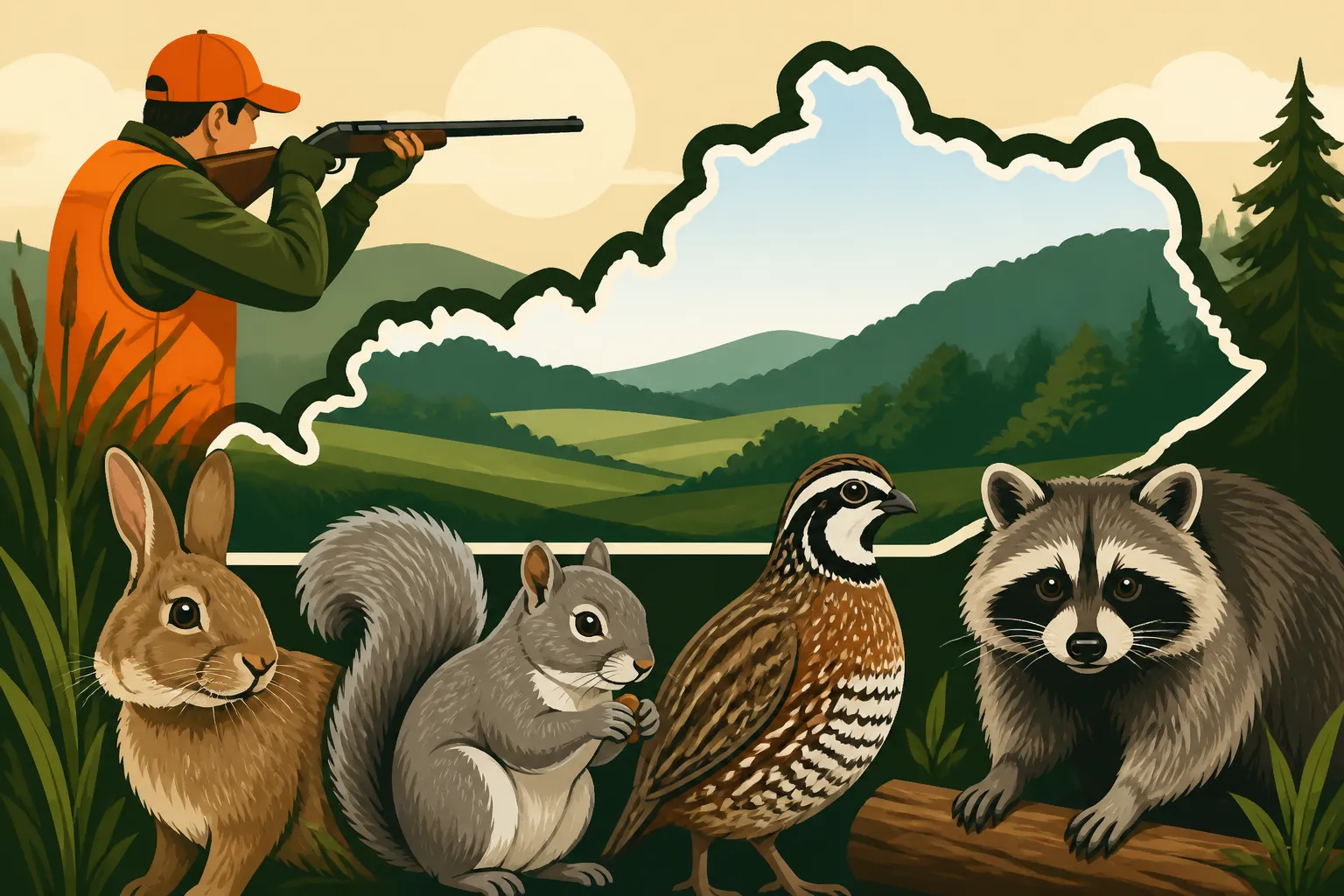
Let's be honest, for many, Kentucky hunting revolves around deer and turkey. And for good reason – our herds are fantastic! But if you limit yourself to just those marquee species, you're missing out on a huge part of what makes hunting in Kentucky so special. Small game and furbearers offer a different kind of thrill, often requiring distinct skill sets and providing opportunities when other seasons are closed. It's not just about filling a tag; it's about connecting with the land on a more intimate level, honing your woodsmanship, and sometimes, putting delicious wild protein on the dinner table.
Beyond Deer and Turkey: Diverse Opportunities
Think about it: deer season might have a general modern gun window that lasts just over two weeks in most areas, and turkey season is a few weeks in spring, then a shorter run in fall. But the small game and furbearer seasons stretch across many months, offering something to chase from early fall right through to late winter and even into spring. This extended calendar is a huge draw for folks who live for time in the woods. You can be out with a shotgun chasing squirrels and rabbits in October, then calling coyotes in January, and trapping beaver in February. It's a year-round commitment to the outdoors, and that's something truly invaluable.
Skill Building and Off-Season Engagement
Hunting small game is a masterclass in woodsmanship. You're not sitting in a treestand waiting for a deer to walk by; you're actively seeking, tracking, and engaging. It sharpens your eye for subtle sign, improves your stealth, and refines your shooting skills on fast-moving targets. Whether it's the quick flush of a rabbit from a thicket or spotting a squirrel frozen on a branch high above, these hunts demand constant attention and quick reactions. For furbearers, especially trapping, you're learning about animal behavior, landscape features, and the art of subtlety in placement. It's all incredibly valuable experience that can directly translate to success in deer or turkey season. Plus, it’s a fantastic way to introduce new hunters, especially kids, to the joy of hunting without the pressure of a big game pursuit. The action is often more consistent, and the lessons learned are fundamental.
Here's a quick look at some of the common small game and furbearers and their typical season timings in Kentucky:
| Species | Typical Season Length (General) | Notes |
|---|---|---|
| Squirrel | Mid-August to Late February | Often split into early/late seasons |
| Rabbit | Mid-November to Late February | Peak hunting in colder months |
| Grouse | Mid-November to Late February | Season status varies due to population decline |
| Quail | Mid-November to Late February | Limited opportunities due to decline |
| Dove | Early September to Mid-October, Late | Split seasons, field hunting |
| Woodcock | Mid-October to Late November | Short, migratory season |
| Coyote | Year-round | No closed season, no bag limit |
| Fox (Red & Gray) | Mid-November to Late February | Hunting and trapping seasons |
| Bobcat | Mid-November to Late February | Quota/zone restrictions, check KDFWR |
| Raccoon | Late October to Late February | Hunting and trapping seasons, often at night |
| Opossum | Late October to Late February | Hunting and trapping seasons |
| Beaver & Muskrat | Late October to Late February | Primarily trapped |
Always consult the most current Kentucky Hunting and Trapping Guide published by the Kentucky Department of Fish and Wildlife Resources (KDFWR) for precise dates, bag limits, and specific regulations, as these can change annually.
Kentucky's Popular Small Game Species
Kentucky truly shines when it comes to small game. While some species face challenges, the opportunities for a rewarding hunt are abundant, offering something for every hunter's preference, from fast-paced action to quiet, observant pursuits.
Cottontail Rabbits: The Nimble Challenge
Hunting rabbits in Kentucky is a classic experience, often steeped in tradition and camaraderie. Our state's landscape, with its mix of agricultural fields, brushy fencerows, and regenerating timber, provides excellent habitat for cottontails. These little dynamos are masters of evasion, holding tight in thick cover until you’re practically on top of them, then bursting out with surprising speed. A successful rabbit hunt often involves walking through dense briar patches, honeysuckle thickets, and tall, overgrown grass. It's physically demanding, but the adrenaline rush of a flushing rabbit and the subsequent shotgun blast is hard to beat.
Many hunters swear by beagles for rabbit hunting. These tireless hounds, with their melodious baying, are experts at flushing rabbits and running them in circles back to the hunter. There’s something truly special about hearing the chase unfold in the crisp winter air. If you're going without dogs, it becomes more of a strategic push, focusing on areas with dense cover next to food sources. You’ll want to walk slowly, kicking brush piles and thoroughly investigating every clump of cover. For detailed tips, check out our guide on Rabbit Hunting Thick Kentucky Brush.
Squirrels: Bushytails for the Pot
Squirrel hunting is often the first hunting experience for many Kentuckians, and it remains a cherished tradition. We have both gray squirrels and fox squirrels across the state, with grays more common in dense, mature timber and fox squirrels preferring more open, scattered woodlots and agricultural edges. Hunting squirrels teaches patience, keen observation, and stealth. They’re incredibly wary, often spotting you long before you see them.
There are primarily two ways to hunt squirrels: still-hunting or hunting with dogs. Still-hunting involves slowly, quietly walking through the woods, pausing frequently to scan treetops and listen for the telltale sounds of chattering or nuts being cut. You'll often find them most active in the early morning and late afternoon, especially around oak and hickory trees when nuts are falling. For a deeper dive, consider our piece on Squirrel Hunting a Kentucky Oak Ridge. Hunting with squirrel dogs, typically cur breeds or feists, offers a different kind of thrill. These dogs will locate squirrels, bark up the tree, and hold them at bay, allowing the hunter to approach. It’s a more active, noisy hunt, but highly effective and incredibly fun.
Ruffed Grouse: The Elusive Mountain King
The ruffed grouse holds a special place in the hearts of many upland bird hunters, but their presence in Kentucky has unfortunately become increasingly rare. These magnificent birds are native to the Appalachian foothills and eastern Kentucky mountains, thriving in young, regenerating forests with a mix of diverse cover. Their explosive flush, often accompanied by a drumming sound, is a heart-stopping moment that makes every arduous step through rugged terrain worthwhile. However, the loss of early successional habitat due to changing forestry practices has led to a significant decline in their numbers across the state.
Despite the challenges, a dedicated few still pursue grouse, particularly in the deep hollows and steep ridges of eastern Kentucky, often within the Daniel Boone National Forest or specific WMAs. It’s a physically demanding hunt, requiring sturdy boots, excellent conditioning, and a good bird dog (though flushing without one is certainly possible). Hunters typically focus on areas with thick, young growth, clear-cuts that are 5-15 years old, and creek bottoms. For those determined to chase these elusive birds, understanding the habitat is key. Our article on the Kentucky Ruffed Grouse Decline offers more insight into their current status and the conservation efforts underway. For tactics, you might find our guide on Grouse Hunting Cumberland Mountain Cover useful.
Bobwhite Quail: A Legacy in Decline
Like the ruffed grouse, the bobwhite quail population in Kentucky has seen a dramatic decline over the past several decades. Once a common sight and sound across much of the state, the characteristic "bob-white!" whistle is now a rare treat. Habitat loss, primarily due to agricultural intensification and changes in land management practices, is the primary culprit. Quail need a mosaic of grasslands, shrubby cover, and cropland edges to thrive – places where they can find food, shelter, and nesting sites. These landscapes have largely disappeared.
While opportunities for wild quail hunting are very limited, primarily restricted to specific WMAs that are actively managed for quail habitat, and a few private lands, the KDFWR is committed to restoration efforts. These efforts include prescribed burns, native grass plantings, and brush management to create the ideal conditions for bobwhites to rebound. If you’re fortunate enough to find a covey, the flush of a dozen or more birds is an unforgettable experience, testing your reflexes and shooting accuracy. For now, pursuing wild quail in Kentucky is largely a conservation-minded endeavor, with the hope that future generations will once again hear their cheerful call. Delve into the specifics of their struggle by reading How Kentucky Quail Numbers Fell Since the 1960s.
Migratory Birds: Dove and Woodcock
Kentucky also offers fantastic opportunities for migratory bird hunting, particularly for doves and woodcock. These hunts are often short, intense, and a great way to kick off the fall hunting season.
Mourning Doves: Dove season opens in early September and is a social affair. Hunters gather in cut agricultural fields – often corn, wheat, or sunflower fields – strategically placing themselves to intercept doves flying in to feed. The action can be fast and furious, demanding quick shooting and plenty of ammunition. It's a fantastic way to spend a warm September afternoon with friends and family, and the harvested birds make for excellent table fare. You'll want to scout fields ahead of time to identify flight paths and feeding areas. Our post on Dove Hunting a Cut Kentucky Field provides some great strategies.
American Woodcock: Often overlooked, the American woodcock provides a unique hunting challenge. These migratory birds spend their summers in the northern states and Canada, passing through Kentucky in the fall on their way to wintering grounds in the south. Woodcock prefer moist, young, regenerating forests with soft soils where they can probe for earthworms with their long bills. They are notoriously difficult to spot until they flush, often silently, from underfoot. Hunting woodcock is typically a slow, methodical walk through dense thickets, often along creek bottoms or brushy clear-cuts. It’s a demanding hunt, but finding these wonderfully camouflaged birds is incredibly rewarding. Keep an eye on migration reports for the best timing. For specific season dates, refer to our article on Kentucky Woodcock Season Dates.
Understanding Kentucky's Furbearer Species
Furbearers in Kentucky offer a distinctly different kind of hunting and trapping opportunity. These species are often more elusive, nocturnal, or require specialized tactics like calling and trapping. While some are sought for their fur, many hunters pursue them for predator control, challenge, or simply to understand their role in the ecosystem.
Coyotes: The Opportunistic Predator
Coyotes are ubiquitous across Kentucky, having expanded their range significantly over the last century. These incredibly adaptable canids thrive in nearly every habitat type, from remote forests to suburban fringes. They are true opportunists, preying on small game like rabbits and rodents, fawns, and sometimes livestock. Consequently, hunting coyotes is often viewed as a form of predator management, though many pursue them simply for the challenge and excitement.
Coyote hunting can be a year-round pursuit in Kentucky, with no closed season or bag limit. This makes them a prime target when other hunting seasons are closed, especially in the cold winter months when their fur is thickest. Common tactics include calling (using distress calls, howls, or pup distress calls), spot-and-stalk in open country, or ambushing them along travel corridors. Night hunting for coyotes is also popular, often with the aid of thermal or night vision optics where legal. Understanding their habits and vocalizations is crucial for success. For proven methods, our guide on Coyote Calling in Kentucky Farm Country is an excellent resource, and if you're curious about their population, check out How Many Coyotes Kentucky Has.
Foxes: Red and Gray on the Landscape
Kentucky is home to both red and gray foxes, each with distinct habitat preferences and hunting challenges. Red foxes, often associated with open farmland and agricultural edges, are known for their cunning and beautiful coats. Gray foxes, on the other hand, prefer more dense, forested habitats and are unique among canids for their ability to climb trees.
Both species are primarily hunted or trapped during the colder months when their pelts are prime. Fox hunting often involves similar calling techniques to coyotes, using distress calls to lure them into range. They are generally more wary than coyotes, requiring extreme stealth and camouflage. Trapping is also a very effective method for both fox species, often using dirt hole sets or cubby sets strategically placed along travel routes or near known dens. Hunting or trapping foxes offers a classic challenge, testing a hunter's patience and knowledge of their habits.
Bobcats: A Story of Recovery
The bobcat is a true success story in Kentucky wildlife management. Once rare and even extirpated from much of the state, careful management and habitat recovery have allowed their populations to rebound significantly. Today, bobcats are found across Kentucky, though they are most common in the rugged, forested regions of the east and south-central parts of the state.
Hunting bobcats is a highly regulated activity in Kentucky, typically with specific zones and harvest quotas to ensure sustainable populations. They are incredibly elusive, primarily nocturnal, and masters of stealth. Hunters often pursue them using calls, similar to coyote and fox hunting, or by incidental encounters while hunting other game. Trapping is another primary method, requiring skill and knowledge of their habits and travel patterns. Bag limits are typically very restrictive, often one per hunter per season, reflecting their continued conservation status. Seeing a bobcat in the wild is a rare and exciting experience, and harvesting one is a testament to a hunter's skill and patience. To learn more about their comeback, read our article Where Kentucky Bobcats Are Rebounding.
Raccoons and Opossums: Nighttime Pursuits
Raccoons and opossums are common throughout Kentucky and offer unique hunting and trapping opportunities, especially for those who enjoy nocturnal adventures. Both are highly adaptable and found in a wide variety of habitats, from dense forests to urban areas, often near water sources.
Raccoons: Raccoon hunting is traditionally done at night with the aid of hounds. The baying of coonhounds as they track a scent, tree a raccoon, and then "hole" or "tree" it, is a thrilling experience. Hunters then locate the treed animal, often using powerful lights. Raccoon hunting requires specialized dogs, tough clothing for navigating dense cover in the dark, and a good headlamp. They are also widely trapped for their fur, with body-gripping traps, foot-hold traps, and cage traps being common methods.
Opossums: The opossum, North America's only marsupial, is also commonly hunted and trapped. Often considered a nuisance animal in some areas, they are relatively easy to catch compared to other furbearers. They are primarily scavengers and omnivores, and like raccoons, are often pursued at night with dogs or through trapping. They are not known for their fighting prowess but can be quite resilient. Their fur is less valuable than a raccoon's, but they still provide an opportunity for an engaging hunt or trapline experience.
Beaver and Muskrat: Water-Bound Trapping Opportunities
Beaver and muskrat are semi-aquatic furbearers found in Kentucky's waterways, from small creeks and streams to large rivers and lakes. Both are primarily harvested through trapping, as hunting them can be challenging and often less effective.
Beaver: Beavers are industrious engineers, known for their dams and lodges that can significantly alter landscapes. While their activities can provide valuable wetland habitat, they can also cause extensive damage to timber, agricultural crops, and infrastructure. Trapping beaver requires specialized knowledge of their behavior, the use of sturdy traps (like conibears or foot-hold traps), and strategic placement in their travel routes or near their lodges and dams. Their fur, especially when prime, is highly valued.
Muskrat: Muskrats are smaller, semi-aquatic rodents that resemble miniature beavers. They inhabit marshes, ponds, and slow-moving streams, feeding primarily on aquatic vegetation. Like beaver, muskrats are almost exclusively harvested through trapping. Their smaller size allows for different trap types and settings, often focusing on their runs, feeding platforms, or den entrances along muddy banks. Trapping these animals provides an excellent introduction to water trapping. You can learn more about setting a line for them in Trapping Kentucky Furbearers.
Licenses, Regulations, and Seasons for Small Game & Furbearers
Before you even think about heading out into the Kentucky woods or waterways, understanding the licensing requirements, specific season dates, and bag limits is absolutely paramount. Ignorance of the law is never an excuse, and Kentucky's regulations are designed to ensure sustainable wildlife populations for generations to come.
Essential Licenses and Permits
To hunt any small game or furbearer in Kentucky, you'll first need a valid Kentucky hunting license. For residents, this is an annual purchase, and there are various options including a basic annual hunting license, or more comprehensive bundles like the Kentucky Sportsman's License, which often includes permits for deer, turkey, and migratory birds. Non-residents also have annual and short-term options. For specific costs and options, you'll want to review our article on Kentucky Hunting Licenses and What They Cost.
Beyond the basic hunting license, migratory bird hunters (doves, woodcock) will also need to obtain a Kentucky Migratory Bird-Waterfowl Permit and be Harvest Information Program (HIP) certified. This is a federal requirement that helps track migratory bird harvests. Trapping furbearers requires a separate Kentucky Trapping License, which is distinct from a hunting license. Always double-check which licenses apply to the specific species and method of take you plan to use. You can typically purchase these licenses online through the KDFWR website, at local sporting goods stores, or by phone.
Season Dates and Bag Limits
This is where paying close attention to the details really matters. Kentucky’s small game and furbearer seasons can vary significantly by species, method of take (hunting vs. trapping), and sometimes even by zone. While the table provided earlier gives a general overview, it's absolutely critical to consult the most current Kentucky Hunting and Trapping Guide published by the Kentucky Department of Fish and Wildlife Resources (KDFWR) each year. This guide provides the precise opening and closing dates, daily bag limits, and possession limits for every species.
For example, squirrel season typically opens in August but might have a short closure before reopening for the general fall/winter season. Rabbit and grouse seasons usually kick off in mid-November and run through February. Furbearer hunting and trapping seasons often align, beginning in late October or November and concluding in late February. Bobcat hunting has specific quotas and might close early if the quota is met, so constant vigilance of KDFWR announcements is important, which is where tools like GoHunt, with its real-time updates, can be incredibly useful. Always have the current regulations readily accessible, whether a physical copy or the digital version on your phone, when in the field.
Methods of Take: Firearms, Archery, and Trapping
Kentucky law dictates the legal methods of take for different species. For small game like squirrels, rabbits, doves, and woodcock, shotguns (often 12 or 20 gauge with appropriate shot size), small-caliber rifles (.22LR is very popular for squirrels), and even archery equipment are typically permitted. For furbearers like coyotes and foxes, centerfire rifles, shotguns, and archery are common. Some furbearers like raccoons and opossums are often hunted at night with firearms after being treed by dogs.
Trapping, as mentioned, requires a specific license and adheres to strict regulations regarding trap types (foot-hold, body-gripping, cage traps), set locations, and checking intervals. Understanding these specific legal methods is vital. For instance, while you can hunt coyotes with firearms, there are often restrictions on specific firearms in certain areas, particularly public lands or close to residential areas. Always be aware of safety considerations, including backstops for rifle shots and adherence to blaze orange requirements during certain seasons, even when small game hunting concurrently with deer season.
Hunting Tactics and Strategies for Small Game
Successfully pursuing small game in Kentucky is an art form that blends patience, observation, and adaptability. The tactics you employ will depend heavily on your chosen quarry and the specific habitat you're hunting.
Rabbit Hunting: From Beagles to Brush Piles
Rabbit hunting in Kentucky is all about finding cover. Cottontails love dense, brushy areas: honeysuckle thickets, briar patches, overgrown fencerows, old regenerating clear-cuts, and the edges of agricultural fields. During the colder months, they seek out the thickest cover available for warmth and protection from predators.
With Dogs: This is arguably the most traditional and effective way to hunt rabbits. A good pack of beagles will systematically work through cover, sniffing out rabbits and, once a scent is found, letting out their characteristic baying. The key for hunters is to position themselves strategically. Rabbits, when jumped, often run in circles, trying to lose the dogs and return to their original bedding area. By anticipating these circles and finding open shooting lanes near thick cover, you can intercept them. This is a social hunt, often involving multiple hunters working together to surround a likely patch of cover.
Without Dogs (Stomping Brush): If you don't have dogs, you become the "flusher." This involves slow, methodical walks through thick cover, kicking brush piles, and forcing rabbits to bolt. This is physically demanding work. Focus on areas where food sources (like winter wheat or clover) meet dense escape cover. Walk into the wind when possible, as rabbits will often try to run into the wind to get a better sense of their surroundings. Be ready for fast, close-range shots. Shotguns with improved cylinder or modified chokes and #5 or #6 shot are ideal.
Squirrel Hunting: Still Hunting vs. Dogs
Kentucky's forests are prime squirrel habitat, and whether you prefer a quiet, stealthy approach or the energetic chaos of a dog hunt, there's a squirrel hunting style for you.
Still-Hunting: This is a test of patience and observation. Choose a mature hardwood forest, especially one rich in oaks, hickories, or beech trees, particularly during the early fall when nuts are dropping. Find a comfortable spot with good visibility and just sit and watch. Look for movement in the treetops, listen for the sound of gnawing or chattering, and scan the trunks for squirrels trying to hide on the far side. Move slowly and deliberately, pausing often for 10-15 minutes at a time. The advantage of still-hunting is that it allows you to spot squirrels before they see you, giving you time for a more precise shot, often with a .22 rifle. This is also a fantastic way to scout for deer sign and learn the landscape. GoHunt's satellite imagery can be incredibly helpful for identifying these prime hardwood ridge tops before you even set foot in the woods.
Hunting with Dogs: Squirrel dogs, typically smaller breeds like feists or curs, are bred to locate squirrels and "tree" them – meaning they bark up the tree where the squirrel is hiding, holding its attention. This is a much more active hunt. You'll follow the dog through the woods, and once a squirrel is treed, the challenge becomes locating the camouflaged squirrel high in the branches. This often requires careful circling of the tree and a keen eye. Shotguns are commonly used in this scenario for quicker shots in dense canopy. The excitement of the chase and the dog's enthusiasm make this a dynamic and engaging hunt.
Grouse and Quail: Covering Ground and Flushing Birds
Hunting grouse and quail in Kentucky is less about sitting and waiting, and more about covering ground and actively flushing birds. It's physically demanding but incredibly rewarding when you connect with one of these challenging game birds.
Ruffed Grouse: As mentioned, grouse are creatures of specific habitat – young, regenerating timber, particularly 5-15 year old clear-cuts, dense thickets along creek bottoms, and areas with a good mix of woody and herbaceous cover. The key to hunting grouse is to slowly and methodically work through these dense areas. Walk in a zigzag pattern, always ready for the explosive flush. Many grouse hunters use pointing or flushing dogs, such as setters or pointers, to help locate birds and hold them. Without a dog, you're essentially doing the flushing yourself, which requires a lot of energy and patience. Pay close attention to subtle signs like droppings or dusting spots. A tight-patterning shotgun with #7.5 or #8 shot is common. Remember, this is a tough hunt that requires persistence and a love for rugged terrain. For more on navigating these challenging areas, consider our guide on Hunting Cane Creek's Steep Hollows, as that kind of terrain is often where grouse can still be found.
Bobwhite Quail: Wild quail hunting in Kentucky is a rare opportunity, primarily confined to specific WMAs that are actively managed for their habitat. When you do find quail, the approach is similar to grouse, but often in more open habitat with diverse cover. Quail prefer a mosaic of native grasses, brushy hedgerows, and crop fields. They will hold incredibly tight, often flushing as a covey from underfoot. Again, a good pointing dog is almost essential for consistent success, as they can pinpoint coveys and allow hunters to get into position for the flush. Without a dog, you'll need to walk slowly and deliberately through likely cover, being prepared for the covey rise. A light, fast-swinging shotgun with an open choke and #7.5 or #8 shot is ideal.
Dove and Woodcock: Field Edge and Timber Tactics
These migratory birds offer distinctly different hunting experiences, but both are about being in the right place at the right time.
Dove Hunting: Dove hunting is primarily a field-edge affair. Doves feed heavily on seeds from agricultural crops like sunflowers, wheat, and corn. Scout fields that have been recently harvested, especially those with standing water nearby. Doves will fly from roosting areas to feed, often following predictable flight paths along treelines, fencerows, or field edges. Hunters typically set up in these flight paths, often using dove decoys to attract birds. The shooting is fast, and doves are agile flyers, making them a challenging target. Shotguns with improved cylinder or modified chokes and #7.5 or #8 shot are standard. It’s a great way to kick off the fall season, and can be quite social. When thinking about where to set up, considering Hunting a Standing Cornfield in Farm Country can give you an idea of the kind of locations doves love.
Woodcock Hunting: Woodcock hunting is a niche pursuit, but deeply rewarding. These birds love moist, boggy areas with young, regenerating timber – think alder thickets, willow clumps, and brushy creek bottoms with soft, loamy soil for probing. They migrate through Kentucky, so timing is crucial; typically mid-October to late November. Hunting woodcock involves slowly working these dense, wet areas. They hold very tight, often flushing silently from just a few feet away. A good flushing dog can be invaluable for finding them and breaking them from cover. A lightweight shotgun with an open choke and #8 or #9 shot is preferred for the tight cover and close-range flushes. It’s a hunt that demands patience and an appreciation for the subtle beauty of these unique migratory birds.
Furbearer Hunting and Trapping Strategies
Engaging with Kentucky's furbearers often requires a different mindset than small game, focusing on predation, nocturnal habits, and in the case of trapping, meticulous preparation and deep understanding of animal behavior.
Coyote and Fox Hunting: Calling and Ambush
Predator hunting for coyotes and foxes in Kentucky is an exciting and strategic game of cat and mouse, or rather, hunter and canid. Success hinges on understanding their senses and exploiting their natural instincts.
Calling: This is the most popular and often most effective method. Various calls mimic prey in distress (rabbit squeals, rodent squeaks), coyote vocalizations (howls, barks, pup distress), or even bird calls. The goal is to pique their curiosity or tap into their predatory drive, drawing them into shooting range.
- Setup is Key: Always set up with the wind in your face or crosswind. Coyotes and foxes have an incredible sense of smell.
- Concealment: Use natural cover, a ground blind, or a ghillie suit. Movement must be minimal.
- Vary Calls: Start with softer, curious calls, escalating if there's no response. Mix in howls to provoke a response and locate distant animals.
- Patience: Often, animals will hang up at a distance, trying to locate the source of the sound. Be prepared for a long wait and a fleeting opportunity.
- Time of Day: Early morning and late evening are often prime, but coyotes can be called in midday, especially on overcast days.
Ambush Hunting: This involves scouting high-traffic areas like pinch points, logging roads, or field edges that coyotes and foxes use for travel or hunting. Set up early, before dawn or late in the afternoon, and wait. This can be effective if you've done your scouting well and know their patterns. For specific techniques, our article on Coyote Calling in Kentucky Farm Country is an excellent resource.
Night Hunting for Raccoons and Opossums
Night hunting for raccoons and opossums, often called "coon hunting," is a vibrant tradition in Kentucky, deeply rooted in the state's rural heritage. It’s a hunt driven by the baying of hounds under the moonlit canopy.
Using Hounds: Specialty coonhounds (Blueticks, Redbones, Walkers, etc.) are essential. They are released in areas known to hold raccoons, often near creek bottoms, agricultural fields, or mature timber close to water. The dogs follow the scent trail, baying as they go. This unique vocalization allows hunters to track the chase through the dark woods.
- The Chase: The dogs will eventually "tree" the raccoon, meaning they've forced it up a tree and are barking excitedly at its base.
- Locating: Hunters then use headlamps and powerful spotlights to locate the treed animal. This can involve considerable walking through dense, often challenging terrain in the dark.
- Take: Once the raccoon is spotted and identified as legal, it can be harvested, typically with a small-caliber rimfire rifle or shotgun.
- Opossums: Opossums are often treed incidentally by coonhounds and can be harvested under the same regulations.
This type of hunting is as much about the dogs and the camaraderie as it is about the harvest. It requires sturdy boots, tough clothing, good lights, and a deep appreciation for the working dog.
Trapping Fundamentals for Beaver and Muskrat
Trapping beaver and muskrat requires a different skill set entirely, blending knowledge of animal behavior, water dynamics, and ethical trap setting. It's a precise art that demands patience and attention to detail.
Beaver Trapping: Beavers are powerful animals, and trapping them requires robust equipment and strategic placement.
- Conibear Traps: These body-gripping traps (e.g., #330 for beaver) are highly effective when placed in natural pinch points, dam breaches, or at the entrances to lodges or bank dens. They dispatch the animal quickly.
- Foot-hold Traps: Larger foot-hold traps (#3 or #4, often offset-jaw) are used on runs, castor mounds (scent marking sites), or slides where beavers enter and exit the water. They are typically set to drown the animal to ensure humane dispatch.
- Scouting: Look for fresh cuttings, active dams, lodges, and distinct trails in and out of the water. Using GoHunt's mapping tools can help identify potential water sources and access points.
- Lure/Bait: Castor mound sets often use beaver castor lure, while other sets might use fresh aspen branches as bait.
Muskrat Trapping: Muskrats are smaller and more numerous, making them a good species for beginner trappers.
- Conibear Traps: Smaller body-gripping traps (e.g., #110 or #155) are effective in their runs, at the entrances to bank dens, or on feeding platforms.
- Foot-hold Traps: Small foot-hold traps (#1 or #1.5) can be used, often with drowning wires in water sets.
- Wire Snares: Legal for muskrat in Kentucky, often effective in their runs.
- Location: Look for feeding platforms, distinct runs along banks, and areas with abundant aquatic vegetation.
- Lure/Bait: Apples, carrots, or commercial muskrat lure can be effective.
General Trapping Principles:
- Ethics: Humane trap placement and checking traps regularly (every 24 hours is standard, often required by law) are critical.
- Safety: Always use setters or safety catches when handling powerful traps.
- Regulations: Kentucky has specific regulations on trap size, type, and where traps can be set (e.g., setbacks from public roads). Always consult the current KDFWR guide.
- Knowledge: Understanding the furbearer's habits, their food sources, and travel patterns is the foundation of successful trapping. You can gain valuable insights from our guide on Running a Trapline in Rural Kentucky.
Gear Essentials for Small Game and Furbearer Hunters
Just like with deer or turkey hunting, having the right gear can make all the difference in your small game and furbearer pursuits in Kentucky. While you don't always need the most expensive equipment, having reliable, appropriate tools for the job enhances both your effectiveness and your safety.
Firearms and Ammunition Considerations
The type of firearm you choose will largely depend on the species you're pursuing and your personal preference.
Shotguns: These are the most versatile for small game and many furbearers.
- Gauge: 12 gauge and 20 gauge are the most popular. A 20 gauge is often lighter and easier to carry through thick cover, especially for younger or smaller hunters, while a 12 gauge offers more shot payload.
- Choke: For rabbits, grouse, and woodcock in dense cover, an Improved Cylinder or Modified choke is usually ideal for wider patterns at close range. For doves over open fields, a Modified or even Full choke might be preferred for longer shots.
- Shot Size: #6 or #7.5 shot is excellent for rabbits and squirrels. #7.5, #8, or #9 shot is best for doves, quail, and woodcock. Larger shot, like #4 buckshot, might be used for coyotes or foxes at closer ranges.
- Action: Pump-action and semi-automatic shotguns are popular for their quick follow-up shots. Over-and-under or side-by-side models are classic choices for upland birds.
Rifles: Primarily used for squirrels and furbearers like coyotes and foxes.
- .22 LR: The classic squirrel rifle. It's accurate, quiet, and inexpensive to shoot. Perfect for still-hunting squirrels where precise headshots are the goal.
- Centerfire Rifles: For coyotes and foxes, cartridges like .223 Remington, .22-250, .204 Ruger, or even 6.5 Grendel are popular. These offer flat trajectories and sufficient energy for clean kills at longer ranges.
- Ammunition: Choose quality ammunition that groups well from your rifle. For squirrels, consider "subsonic" or "quiet" .22LR rounds if you want to be extra stealthy.
Handguns: Legal for hunting some small game and furbearers in Kentucky, typically revolvers or semi-automatics chambered in .22 LR for squirrels/rabbits or larger calibers for furbearers. Always check specific regulations.
Optics and Calling Gear
Effective small game and furbearer hunting often relies on keen eyesight and the ability to communicate (or simulate communication) with your quarry.
Binoculars: Even for small game, a good pair of binoculars (8×42 or 10×42) is invaluable. They help you spot squirrels high in the canopy, locate a treed raccoon, or scan distant field edges for coyotes.
Rangefinders: While not strictly essential for most small game, a rangefinder is incredibly useful for coyote and fox hunting to confirm distances for precise rifle shots.
Lights: For night hunting raccoons and opossums, a powerful spotlight and a reliable headlamp are absolute necessities for locating treed animals and navigating in the dark.
Game Calls:
- Coyote/Fox Calls: A variety of calls exist, from open-reed and closed-reed distress calls (rabbit, mouse, bird) to electronic callers (like those from reputable brands such as Foxpro or GoHunt's own scouting and mapping tools that can integrate with external apps for calling information). Learning to use them effectively is a skill in itself.
- Locator Calls: Owl calls (for locating turkeys or even coyotes) or squirrel barks can be used to elicit responses without immediately alarming the animal.
Clothing and Footwear for Diverse Terrain
Kentucky's diverse terrain and variable weather demand appropriate clothing and footwear to stay comfortable, safe, and effective.
Clothing:
- Blaze Orange/Pink: During firearm deer seasons, blaze orange or pink is legally required for all hunters, including those pursuing small game. Always check the current regulations for specific requirements, as even archery hunters may need it in certain circumstances.
- Layering: Kentucky weather can be unpredictable. Dress in layers that you can add or shed as temperatures change. A wicking base layer, insulating mid-layers, and a waterproof/windproof outer shell are a solid system.
- Durability: For rabbit, grouse, or woodcock hunting, you'll be pushing through briars and thick brush. Invest in tough, briar-proof pants or chaps to protect your legs.
- Camouflage: For still-hunting squirrels or calling furbearers, good camouflage is important to break up your outline, though for shotgun sports like dove hunting, it's less critical.
Footwear:
- Sturdy Boots: For covering ground in rough terrain, a comfortable, waterproof pair of hunting boots with good ankle support is essential. For wet areas, knee-high rubber boots are invaluable. Read our piece on Boots for Kentucky Hollows and Creek Bottoms for more options.
- Gaiters: These can help keep burrs, stickers, and debris out of your boots when pushing through thickets.
Other Essentials:
- Hunting Vest/Game Bag: For carrying harvested small game, extra shells, water, and snacks.
- First-Aid Kit: Always carry a basic first-aid kit, especially when hunting in remote areas.
- Navigation: A GPS unit or a smartphone with a reliable hunting app (like GoHunt or OnX Hunt) is crucial for navigating public land and finding your way back, especially in dense woods or at night. Learning to use apps for Scouting With the Kentucky Hunt Fish App is highly recommended.
Conservation and Responsible Practices
As hunters and trappers, we are fundamentally conservationists. Our passion for the outdoors comes with a deep responsibility to ensure the health and sustainability of Kentucky's wildlife populations and their habitats. This isn't just about following the rules; it's about being an active steward of the land.
Habitat Management and Restoration Efforts
Many of Kentucky's small game species, particularly quail and grouse, have faced significant declines due to habitat loss and degradation. Recognizing this, the Kentucky Department of Fish and Wildlife Resources (KDFWR) and numerous conservation organizations (like the National Wild Turkey Federation, Quail Forever, and the Ruffed Grouse Society) are actively engaged in habitat management and restoration efforts.
- Prescribed Burns: Controlled burns are a critical tool for revitalizing forests and grasslands, promoting early successional growth that benefits deer, turkey, quail, grouse, and many other species.
- Native Grass Plantings: Converting fescue fields to native warm-season grasses provides excellent nesting and brooding cover for quail and other ground-nesting birds.
- Timber Stand Improvement: Practices like thinning and selective logging can create the diverse age structures in forests that grouse and many other small game species require.
- Brush Pile Construction: Creating brush piles provides essential escape and thermal cover for rabbits and other small mammals, especially important in areas with less natural dense cover.
As hunters, we can support these efforts through our license purchases, by joining conservation organizations, and even by implementing habitat improvements on private land where possible. Understanding these efforts can also help us identify where small game populations might be rebounding, as highlighted in the data often available through platforms like GoHunt that analyze habitat trends.
Ethical Hunting and Trapping
Responsible hunting and trapping go far beyond simply following the law. It's about demonstrating respect for the animals we pursue, the land we hunt on, and the non-hunting public.
- Fair Chase: This principle dictates that hunters should not have an unfair advantage over their quarry. This includes avoiding tactics that are considered unsportsmanlike or that diminish the challenge of the hunt.
- Clean Kills: Strive for quick, humane kills by knowing your firearm and your capabilities, practicing regularly, and choosing appropriate ammunition and shot placement.
- Game Recovery: Make every reasonable effort to recover any game animal you shoot. This means knowing how to Tracking a Deer Through Kentucky Leaf Litter or, in the case of small game, carefully searching dense cover.
- Respect for Private Land: Always obtain explicit permission before hunting or trapping on private land. Respect property boundaries, close gates, and leave no trace. Our article on Do You Need Written Permission in Kentucky? delves into the specifics.
- Public Perception: Be mindful that your actions can influence how the public views hunting. Be courteous, respectful, and willing to educate others about the benefits of conservation through hunting.
- Trap Ethics: For trappers, this means using appropriate traps for the target species, checking traps regularly to minimize stress, and ensuring humane dispatch.
Reporting Wildlife Sightings and Health Concerns
Being active observers in the field is another crucial aspect of responsible hunting. You can play a vital role in monitoring Kentucky's wildlife populations and identifying potential health issues.
- Disease Monitoring: If you encounter sick or deceased wildlife, especially with unusual symptoms, report it to the KDFWR. This is particularly important for diseases like Chronic Wasting Disease (CWD), which affects deer but can have broader ecological implications. While CWD primarily targets deer, monitoring all wildlife for unusual signs is always a good practice. Learn more about Kentucky Wildlife Disease Monitoring.
- Population Trends: Your observations in the field regarding abundance or scarcity of small game can be valuable data points for wildlife biologists. While informal, cumulative observations can help confirm broader trends.
- Poaching: If you witness or suspect poaching, immediately report it to the KDFWR. Poaching undermines conservation efforts and steals resources from all law-abiding hunters. Kentucky has channels for Reporting a Poacher in Kentucky.
By embracing these conservation and ethical practices, we ensure that the rich heritage of small game and furbearer hunting in Kentucky continues to thrive for future generations. It’s a privilege to be out in these woods, and with that privilege comes a significant responsibility.
Disclaimer
The information provided in this guide is for general informational purposes only and is not a substitute for the official Kentucky Department of Fish and Wildlife Resources (KDFWR) hunting and trapping regulations. Regulations, season dates, and bag limits can change annually. Always consult the most current KDFWR Hunting and Trapping Guide and any applicable local regulations before engaging in any hunting or trapping activities. The author and publisher are not responsible for any actions taken based on the information presented herein. Hunting and trapping involve inherent risks, and it is the responsibility of each individual to hunt and trap safely, ethically, and legally.