How Many Kentucky Black Bears There Are
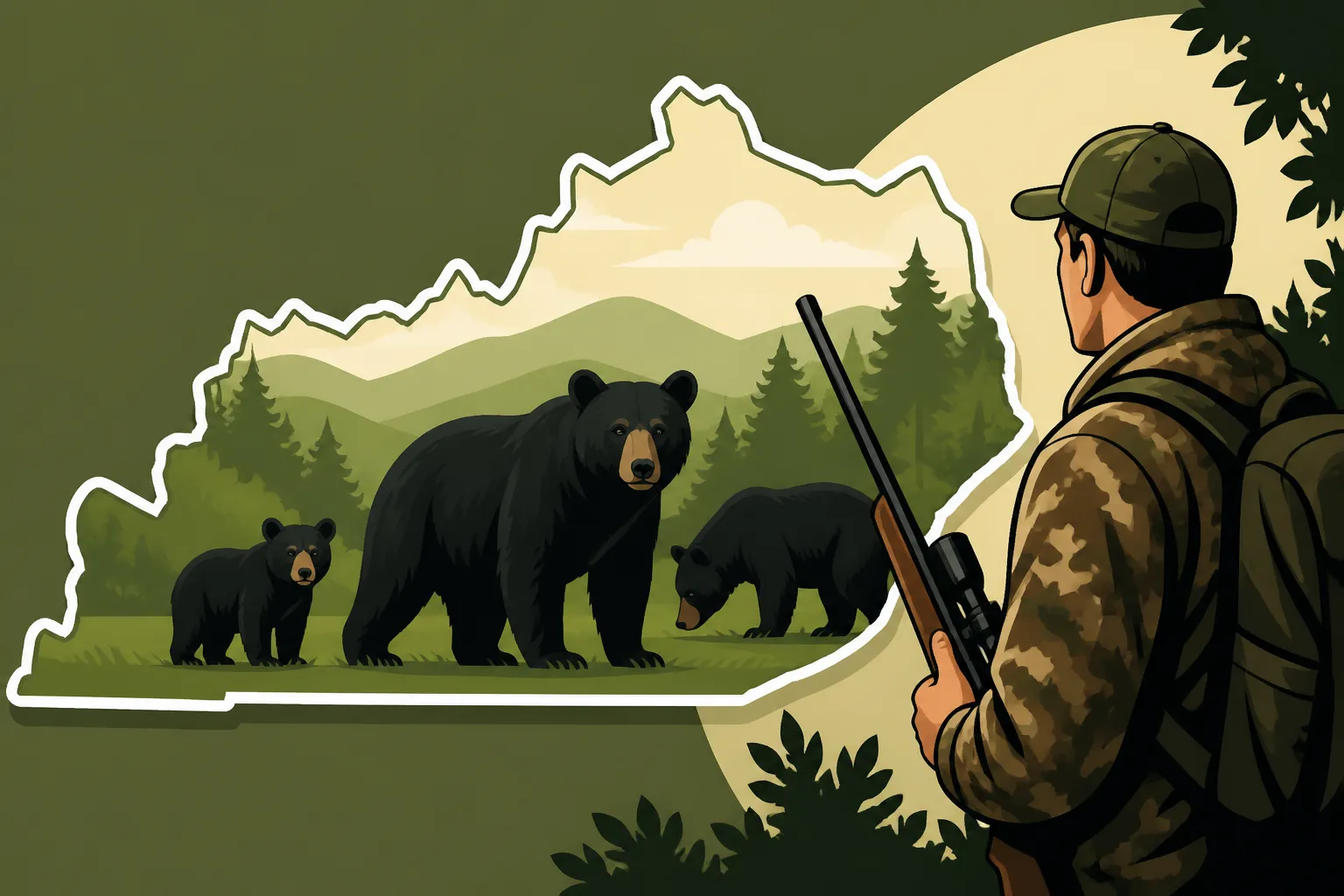
It's easy to assume that Kentucky, a state primarily known for its deer and turkey populations, might not have a thriving black bear presence. For years, bears were merely a whispered legend in the deep hollers, a rare sighting that few could confirm. But that perception is rapidly changing, and for good reason! Kentucky's black bear population isn't just surviving; it's experiencing a remarkable resurgence, leading to more encounters, expanded ranges, and a whole new dynamic for hunters and outdoor enthusiasts. This guide will take a deep dive into just how many black bears call the Bluegrass State home, how their numbers are growing, and what that means for everyone who ventures into Kentucky's wild spaces.
The Remarkable Resurgence of Kentucky's Black Bear Population
For generations, the idea of seeing a black bear in Kentucky felt like something out of a historical almanac. Our grandparents might have heard tales, but for most of us, these magnificent creatures were long gone from the landscape. But nature, as it often does, finds a way to reclaim its own, and the story of Kentucky's black bears is a testament to that enduring spirit.
Tracing the Historical Presence of Bears
Before European settlement dramatically altered the landscape, black bears were undoubtedly a common sight across what we now know as Kentucky. They roamed the vast, unbroken forests, thriving on abundant mast crops like acorns and berries, and carving out a vital niche in the ecosystem. However, as pioneers pushed westward, clearing land for farming, harvesting timber without restraint, and viewing bears primarily as competition or a threat, their numbers began a steep decline. By the late 1800s and early 1900s, black bears were effectively extirpated from Kentucky—meaning they were wiped out entirely from their native range within the state. It was a sad chapter, a stark reminder of humanity's impact on wildlife.
For decades, the state was bear-less, save for the occasional transient male wandering in from neighboring states like Virginia, West Virginia, or Tennessee. These were lone travelers, often young males dispersing from overcrowded areas in search of new territories, but they rarely established breeding populations. It wasn't until the latter half of the 20th century that the conditions for a true comeback began to materialize. The forests started to grow back, coal mining areas were reclaimed and revegetated, and a more conservation-minded approach to land use began to take hold. This allowed for a natural recolonization, as bears from adjacent healthy populations slowly but surely found their way back into the rich, mountainous terrain of southeastern Kentucky. They weren't reintroduced by the state; they simply walked back in, following ancient pathways and the lure of rich habitat, an inspiring testament to their resilience.
How Kentucky's Bear Population is Estimated
Counting elusive, wide-ranging animals like black bears is no easy feat. They're intelligent, secretive, and masters of camouflage in dense forest cover. So, how exactly does the Kentucky Department of Fish and Wildlife Resources (KDFWR) come up with those population numbers? It's not as simple as a head count, that's for sure. Wildlife biologists employ a suite of sophisticated techniques, combining scientific rigor with a healthy dose of patience and fieldwork.
One of the primary methods involves den studies. During the winter months, when bears are hibernating, biologists can locate dens – often in rock crevices, hollow trees, or brush piles – and safely tranquilize the sleeping bears. This allows them to collect vital data: age, sex, weight, general health, and the number of cubs. They can also tag or collar individual bears with GPS trackers, which provides invaluable information on movement patterns, habitat use, and survival rates. Another common technique is the use of hair snares. These are simple, non-invasive stations set up in the woods, often baited with an attractant (like a smelly, irresistible lure) and surrounded by barbed wire. As bears rub against the wire to investigate the scent, they leave behind strands of hair. Biologists then collect these hair samples and send them off for DNA analysis, which can identify individual bears, estimate population size, and even determine kinship. It's like a bear-specific genetic fingerprinting lab!
Beyond these direct methods, KDFWR also relies on less direct but equally important data points. This includes track and sign surveys, where experts look for paw prints, scat, and claw marks on trees. Public reports of sightings, although not always verifiable, can help indicate general distribution trends. When hunters report their harvests, that data also contributes to understanding population dynamics and age structures. All of this information is fed into complex mathematical models that help biologists estimate population size, density, and growth rates, providing the best possible picture of Kentucky's Black Bear Population. It’s a continuous, evolving process that helps ensure responsible management for these incredible animals.
Current Population Numbers and Growth Trends
The black bear population in Kentucky isn't just present; it's booming! What was once a scattered handful of animals venturing across state lines has transformed into a robust and steadily growing population, a true conservation success story for the state. This increase has implications for everything from public safety to hunting opportunities, marking a significant shift in Kentucky's wildlife landscape.
The Latest Official Estimates and Projections
Based on the most recent data and modeling from the Kentucky Department of Fish and Wildlife Resources, the state's black bear population is estimated to be well over 1,000 individuals, with some estimates pushing closer to 2,000, particularly when considering the broader Appalachian region that Kentucky's eastern counties are part of. This number represents a substantial and consistent increase over the last two decades. While exact figures fluctuate year to year due to various factors like cub survival rates and dispersal, the overall trend is undeniably upward. What's truly remarkable is not just the raw numbers, but the sustained growth rate. Biologists have noted that Kentucky's bear population has demonstrated an impressive capacity for reproduction and survival, far exceeding what many would have predicted years ago.
This consistent growth means that the KDFWR isn't just managing a returning species; they're actively managing a thriving one. The core population continues to be densest in the mountainous, heavily forested counties of southeastern Kentucky, such as Harlan, Letcher, Bell, and Pike. These areas provide optimal habitat with vast stretches of unbroken woodlands, abundant food sources, and plenty of secluded cover. However, the expansion isn't limited to these historical strongholds. As these core areas reach carrying capacity, younger bears, particularly males, are forced to disperse further afield in search of new territories, leading to sightings in areas where bears haven't been seen in generations. This dispersal naturally leads to expanding territories and more complex management considerations.
Factors Contributing to Bear Population Increase
Several interconnected factors have fueled this impressive comeback for Kentucky's black bears. It's a testament to both nature's resilience and dedicated conservation efforts. Primarily, habitat regeneration has played a pivotal role. The decline of the coal industry, coupled with reforestation initiatives and natural regrowth, has allowed vast tracts of forest to recover and mature in eastern Kentucky. These regenerated forests provide the dense cover, diverse vegetation, and abundant mast crops (like acorns, hickory nuts, and berries) that bears need to thrive. Bears are incredibly adaptable, and as their traditional forest homes have returned, so have they. These woodlands offer not only food but also crucial denning sites, shelter for cubs, and corridors for movement.
Beyond habitat, active management and protection efforts by the KDFWR have been instrumental. For many years, bears were fully protected in Kentucky, allowing the population to establish a foothold without the pressure of hunting. Public education campaigns have also helped to foster a greater understanding and tolerance for bears, reducing human-bear conflicts that might otherwise lead to population setbacks. When a hunting season was eventually established, it was done so cautiously and scientifically, with strict quotas and regulations designed to ensure the continued health and growth of the population. This careful, phased approach to management has allowed the bears to flourish while minimizing potential negative impacts. Finally, abundant food sources are critical. Kentucky's hardwood forests are incredibly productive, especially during good mast years. A reliable supply of high-energy foods like acorns, coupled with a diverse array of berries and other forage, allows sows to produce healthier, larger litters of cubs and for those cubs to have a better chance of survival. A good food base reduces stress on the population, leading to higher reproductive rates and lower mortality, all contributing to the continued upward trajectory of Kentucky's impressive black bear numbers.
Where Kentucky's Black Bears Call Home
While the black bear population is growing and expanding, there are definite strongholds where you're most likely to encounter these magnificent animals. Understanding their primary range and how they're pushing into new territories is key for both hunters and general outdoor enthusiasts.
The Core Bear Zones of Southeastern Kentucky
When you think of black bears in Kentucky, your mind should immediately drift to the rugged, heavily forested landscapes of the southeastern corner of the state. This region, deeply rooted in the Appalachian Mountains and the Cumberland Plateau, represents the heart of Kentucky's bear country. It's here that the densest populations reside, benefiting from the vast, unbroken stretches of hardwood forests, deep hollows, and abundant mast-producing trees that define the topography. Counties like Harlan, Letcher, Bell, Pike, Knox, and Leslie are the undisputed strongholds, consistently reporting the highest numbers of bear sightings, den locations, and harvest totals.
These mountainous areas offer exactly what a black bear needs to thrive: extensive cover for bedding and raising cubs, a reliable mosaic of food sources changing with the seasons, and often, a reduced human population density in the most remote areas. Public lands such as the Daniel Boone National Forest, especially districts like Redbird and London, along with various Wildlife Management Areas (WMAs) and even parts of Pine Mountain State Forest Hunting, provide critical habitat. It’s not uncommon for hikers or hunters exploring these areas to stumble upon fresh bear sign – claw marks on beech trees, scat full of berry seeds, or even a glimpse of a sow with cubs crossing a logging road. If you're looking for Where Southeastern Kentucky Bears Range, these are the places where the odds are most certainly in your favor, a wild and beautiful testament to their resurgence.
Expanding Ranges and Sightings Beyond the Mountains
The success story of Kentucky's black bears isn't confined to the eastern mountains. As the core population continues to grow and flourish, an increasing number of bears are beginning to disperse, venturing out of their traditional range and into new, sometimes surprising, parts of the state. This expansion is a natural consequence of a healthy, growing population; younger, often male, bears are pushed out of established territories by older, more dominant animals, forcing them to seek out new grounds. These adventurous individuals can travel significant distances, sometimes hundreds of miles, in search of unoccupied habitat, potential mates, and new food sources.
This dispersal has led to a noticeable increase in Bears Moving Into Central Kentucky and even into some northern counties. While these sightings are still less frequent and often involve transient individuals rather than established breeding populations, they highlight the bears' incredible adaptability and their ongoing return to their historical range. Counties like Pulaski, Wayne, McCreary, and even as far west as Casey or Green County have reported confirmed bear sightings in recent years. These bears often utilize river corridors, unbroken woodlots, and even agricultural areas, demonstrating their ability to adapt to a more fragmented landscape. For those looking to delve deeper into potential bear habitat, platforms like GoHunt offer invaluable mapping layers and tools that can highlight dense forest cover, mast-producing areas, and remote pockets where bears are more likely to thrive, giving you an edge in your scouting efforts. It's a fascinating trend, indicating that what was once an "eastern Kentucky animal" is slowly but surely reclaiming a broader footprint across the Bluegrass State.
Understanding Kentucky's Bear Management Strategy
Managing a growing population of a large, charismatic carnivore like the black bear is a delicate balancing act. The Kentucky Department of Fish and Wildlife Resources (KDFWR) faces the challenge of ensuring the long-term health and expansion of the bear population while simultaneously addressing public safety concerns and managing potential conflicts with humans.
Balancing Conservation and Human-Bear Coexistence
The KDFWR's approach to black bear management is rooted in the principles of conservation science, aiming to maintain a healthy, viable bear population across its expanding range. For many years, the primary focus was on allowing the population to recover and grow naturally, with strict protection measures in place. Now, with a robust and expanding population, the emphasis has shifted towards balancing conservation with human-bear coexistence. This means not only protecting the bears themselves but also proactively managing interactions between bears and people to minimize negative outcomes for both.
A significant part of this effort involves extensive public education. The KDFWR actively works to inform residents, especially those in or near bear country, about "bear-wise" practices. This includes securing trash, removing pet food from outdoors, cleaning grills, and taking down bird feeders when bears are active. The goal is to prevent bears from becoming habituated to human food sources, which often leads to nuisance behavior and, in rare cases, conflicts. Education is key to validating the frustrations people face when bears become too comfortable around homes. They also monitor Bear Encounters Around Eastern Kentucky Cabins, providing guidance and, when necessary, intervening with problem bears. By promoting responsible human behavior, the KDFWR hopes to reduce the need for more drastic measures, ensuring bears can continue to thrive in Kentucky without becoming a public safety hazard. It's a continuous, dynamic process of adaptation as both bears and humans learn to share the landscape.
Bear Hunting Seasons and Their Role in Management
A critical component of modern black bear management in Kentucky, as in many other states with healthy populations, is a carefully regulated hunting season. This might seem counterintuitive to some, especially after years of strict protection, but the establishment of bear hunting is a scientific tool used by KDFWR to manage the population, particularly as numbers increase and ranges expand. The primary goals of a hunting season are multifaceted: to control population growth in specific areas, to prevent overpopulation which can lead to increased human-bear conflicts, and to help maintain a healthy demographic structure within the bear population.
Kentucky's bear hunting season is highly regulated and operates under a quota system designed to ensure that harvest levels are sustainable and don't negatively impact the overall population. The season typically occurs in different phases, often including archery, crossbow, and firearms opportunities, and is strictly confined to specific geographic areas known as Kentucky's Bear Zone System. These zones are primarily in the eastern part of the state where bear densities are highest. Hunters must apply for bear permits and adhere to strict rules, including mandatory checking of harvested bears and specific legal methods of take. The KDFWR continuously monitors Kentucky Bear Harvest Trends, adjusting quotas and season lengths as needed based on population estimates, cub production, and the number of bears harvested each year. This adaptive management approach ensures that hunting serves as a precision tool, contributing to the long-term health and stability of Kentucky's bear population while providing a unique and challenging hunting opportunity for a limited number of sportsmen. It's a testament to the success of the conservation efforts that a hunting season is now a viable and necessary part of the management strategy.
What Hunters and Residents Need to Know About Bears
With Kentucky's black bear population on the rise and expanding its territory, it's more important than ever for both hunters and general residents to be informed and prepared. Understanding how to interact safely with bears and what resources are available can make all the difference.
Best Practices for Avoiding Bear Encounters
As bears expand their range, the likelihood of encountering one increases, even outside the traditional eastern Kentucky strongholds. While black bears are generally shy and prefer to avoid humans, they are also opportunistic and can become accustomed to human presence, especially if food rewards are involved. The vast majority of conflicts arise when bears associate humans with food. Therefore, securing food sources is the absolute best practice for avoiding negative encounters. This means never leaving food or garbage unattended outside. If you live in bear country, use bear-resistant trash cans or store garbage in a secure building until collection day. If camping, store all food, toiletries, and scented items in bear-resistant containers, hung from a tree, or locked in your vehicle.
Beyond food, simple awareness and respect for their space are crucial. When hiking or hunting, make noise, especially in thick cover, to avoid surprising a bear. Carry bear spray and know how to use it, just in case. If you do encounter a bear, remain calm, speak in a firm voice, and slowly back away. Never run, as this can trigger a chase instinct. Make yourself look as large as possible by waving your arms. If a bear approaches, stand your ground and be aggressive, shouting and throwing objects. While rare, understanding Bear Encounters Around Eastern Kentucky Cabins is crucial for those living or vacationing in bear-dense areas, where preventative measures can mitigate most risks. Remember, a fed bear is a dead bear; once they lose their natural fear of humans and become reliant on human food, their chances of survival significantly decrease due to nuisance complaints that often necessitate removal or euthanasia.
Tools and Resources for Tracking Bear Activity
Staying informed about bear activity in your area is a smart move, whether you're a hunter planning a trip to a public land tract or a homeowner concerned about backyard visitors. Thankfully, several valuable resources can help you track bear activity and better understand their movements. The Kentucky Department of Fish and Wildlife Resources (KDFWR) website is your first and best stop. They regularly update their site with information on bear sightings, population estimates, management strategies, and educational materials. They also provide contact information for regional biologists who can offer specific advice for your area.
For hunters, utilizing mapping applications can be incredibly helpful. Apps like GoHunt are indispensable tools for understanding land ownership, topographic features, and potential habitat suitability. While GoHunt might not track individual bears in real-time, its detailed satellite imagery, public land overlays, and habitat data can help you identify dense cover, mast-producing ridges, and remote areas where bears are likely to travel or bed down. This information is critical when you are Scouting Kentucky Public Land Before Season for any game, but especially for an animal with expanding range like a bear. Local news outlets and community social media groups in bear-prone counties can also be sources of anecdotal information, though it’s always wise to verify anything you hear with official KDFWR sources. Finally, simply being observant when in the woods, looking for tracks, scat, and other sign, is one of the most effective ways to understand local bear activity. Combining these resources and staying alert will equip you well for navigating Kentucky's re-emerging bear country.
Black Bear Population Estimates in Kentucky (2018-2023)
| Year | Estimated Population Range | Notes on Trends |
|---|---|---|
| 2018 | 700 – 1,000+ | Steady growth from earlier decades, concentrated in SE Kentucky. |
| 2019 | 800 – 1,200+ | Continued expansion, increasing sightings in peripheral counties. |
| 2020 | 900 – 1,400+ | Consistent increase, KDFWR adjusting management strategies for growth. |
| 2021 | 1,000 – 1,600+ | Population solidifying, with more frequent dispersal events into Central Kentucky. |
| 2022 | 1,200 – 1,800+ | Strong growth trajectory, indicating successful breeding and habitat utilization. |
| 2023 | 1,300 – 2,000+ | Current estimates reflect robust population and continued range expansion. |
Note: These figures represent KDFWR estimates and can vary based on specific methodologies and data collected each year. The general trend, however, consistently points to a healthy and growing black bear population in Kentucky.
Disclaimer
The information provided in this article is for general guidance and informational purposes only. Hunting regulations, seasons, and wildlife management practices are subject to change. Always consult the official Kentucky Department of Fish and Wildlife Resources (KDFWR) regulations and local ordinances before engaging in any hunting activities or making decisions based on this content. Safety should always be your top priority in the outdoors.