Elk Viewing in the Restoration Zone
You've heard the whispers, seen the stunning photos, and now you're dreaming of witnessing Kentucky's majestic elk herd in person. It's a truly incredible experience, but unlike a trip to the zoo, finding these magnificent wild animals takes a bit of strategy, a whole lot of patience, and knowing exactly where to direct your gaze. This isn't just a guide; it's your roadmap to understanding the lay of the land, the best times to visit, and the essential tips for a successful, respectful, and unforgettable elk viewing adventure in the heart of the Bluegrass State.
Understanding Kentucky's Elk Restoration Zone
Seeing a wild elk in Kentucky is a testament to one of the greatest wildlife restoration stories in North America. These aren't just any animals; they're the vibrant, thriving result of decades of dedicated effort. Before you even think about packing your binoculars, let's dive into what makes Kentucky's elk country so special.
History of Elk Reintroduction
It's hard to imagine now, but elk were completely gone from Kentucky by the mid-19th century, wiped out by unchecked hunting and habitat loss. For nearly 150 years, the mountains and hollows were silent to the bugle of a bull elk. But thanks to a monumental effort led by the Kentucky Department of Fish and Wildlife Resources (KDFWR) and incredible partners like the Rocky Mountain Elk Foundation, a dream became reality. Starting in 1997, elk were painstakingly brought from other states like Utah, Kansas, Oregon, and Arizona, and released into the rugged terrain of Eastern Kentucky. It wasn't a quick fix; it was a long-term vision that has truly paid off. Today, the herd has blossomed far beyond initial expectations, showcasing a remarkable comeback story. This isn't just a place to see elk; it's a living monument to conservation.
Geographic Scope and Habitat
Kentucky's elk restoration zone isn't a small patch of land; it's a sprawling, beautiful, and often challenging landscape covering 16 counties in the southeastern part of the state. This area, largely defined by the rugged Appalachian foothills and former coal mining regions, spans over 4 million acres. Think deep, forested hollows, steep ridges, and open, grassy reclaimed mine lands. This diverse topography is exactly what the elk need: dense cover for security, expansive open areas for grazing, and plenty of water sources. The mixture of mature timber and early successional habitat, often found on these reclaimed mine sites, provides a perfect buffet for elk, offering everything from tender grasses to acorns and other browse. It’s a tapestry of wilderness that’s surprisingly wild for a state often known for its rolling horse farms.
Why the Southeastern Coalfields
The decision to reintroduce elk specifically to Kentucky's southeastern coalfields was a strategic masterstroke. This region, while economically challenged in the past, offered vast tracts of public and private land, much of which was sparsely populated by humans. Crucially, the topography created by historic mining operations, particularly the widespread surface mining, left behind unique habitats. These reclaimed lands, once scars on the landscape, were carefully reseeded with grasses and legumes, creating immense, open meadows interspersed with pockets of timber. These areas provide ideal forage and calving grounds for elk, giving them space to roam and thrive away from dense human development. It wasn't just about finding any place; it was about finding the right place – a place where elk could truly become Kentucky's wild giants once more. If you're wondering how many of these incredible animals are out there, you might be surprised to learn about How Many Elk Live in Kentucky Today and why it's considered Why Kentucky Has the Largest Herd East of the Mississippi.
Prime Locations for Elk Viewing
So, now that you understand the "why" and "where" of the zone, let's talk about the "how." Finding elk isn't always easy, but certain areas offer more consistent opportunities, especially if you know what to look for.
Public Access Areas and Designated Viewing Sites
While much of the elk zone is private land, several public areas are excellent starting points for your viewing adventure. The KDFWR has done a fantastic job of establishing designated elk viewing opportunities. One of the most well-known spots is the Redbird Wildlife Management Area (WMA) near Leslie County. It’s rugged, but parts of it are managed with elk in mind. Another prime location that often comes up in conversation is around the Mine Made Paradise Park in Knott County. They have designated viewing areas and even interpretive signs, making it a great place to start, especially if you're new to the area. These locations often feature open fields or overlooks, making glassing easier. Remember, these aren't guaranteed sightings, but they significantly increase your odds. The goal isn't just to see an elk; it's to experience their wildness responsibly.
Navigating Private Land and Respectful Observation
It's critical to remember that the vast majority of land within the elk zone is privately owned. Unlike hunting where you might secure permission, for viewing, it's generally best to stick to public roads and designated public viewing areas. Never trespass onto private property without explicit permission. Doing so not only breaks the law but also gives other wildlife enthusiasts a bad name. Many elk will roam across both public and private lands, especially on reclaimed mine sites where property lines might not be obvious from a distance. A good rule of thumb is to look for elk from public roadsides, pull-offs, or established overlooks. Always respect signage and fences. If you see elk on private property from a public road, enjoy the view, but don't attempt to enter the land. Keeping a respectful distance also ensures the elk remain wild and undisturbed.
Specific Hotspots to Target
Beyond the general areas, certain specific localities within the zone are particularly renowned. The area around Hazard, Kentucky, especially north and east of town, is a known hotbed for elk activity due to extensive reclaimed mine lands. Similarly, regions near Paintsville and Pikeville offer fantastic habitat that holds elk. Look for large, open fields that have been reseeded with clover and various grasses—these are literal magnets for grazing elk, particularly in the mornings and evenings. Using mapping tools, even popular hunting apps like those from GoHunt, can help you identify these open, grassy areas within the broader public lands or near public roads where you can safely observe. Roads like Highway 15 or sections of the Hal Rogers Parkway can offer glimpses into expansive valleys where elk often feed. Remember that elk are nomadic, so a spot that's hot one week might be quieter the next. Persistent scouting is key to finding a hidden gem. If you're looking for more details on these specific areas, exploring resources on Where to Watch Elk Without a Tag can provide even more granular insights.
Best Times of Year for Spotting Elk
Elk viewing is a year-round possibility, but certain seasons offer truly spectacular experiences, each with its own unique charm and challenges. Timing your visit can make all the difference between a fleeting glimpse and an unforgettable encounter.
The Fall Rut: Bugles and Breeding Activity
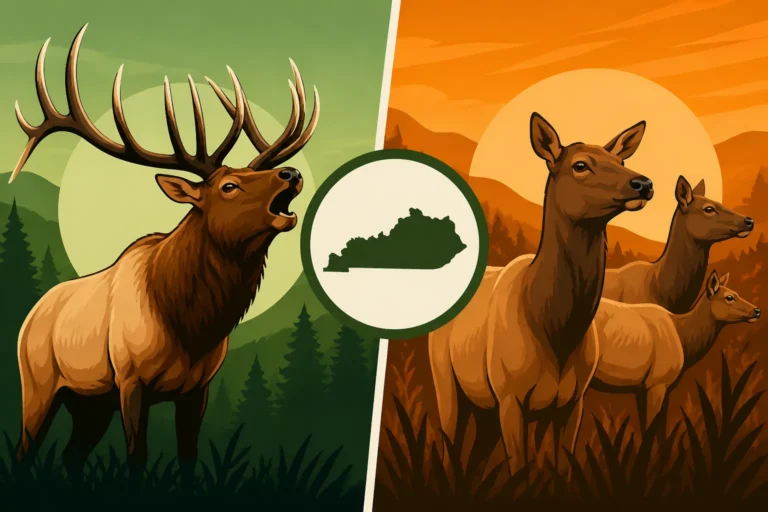
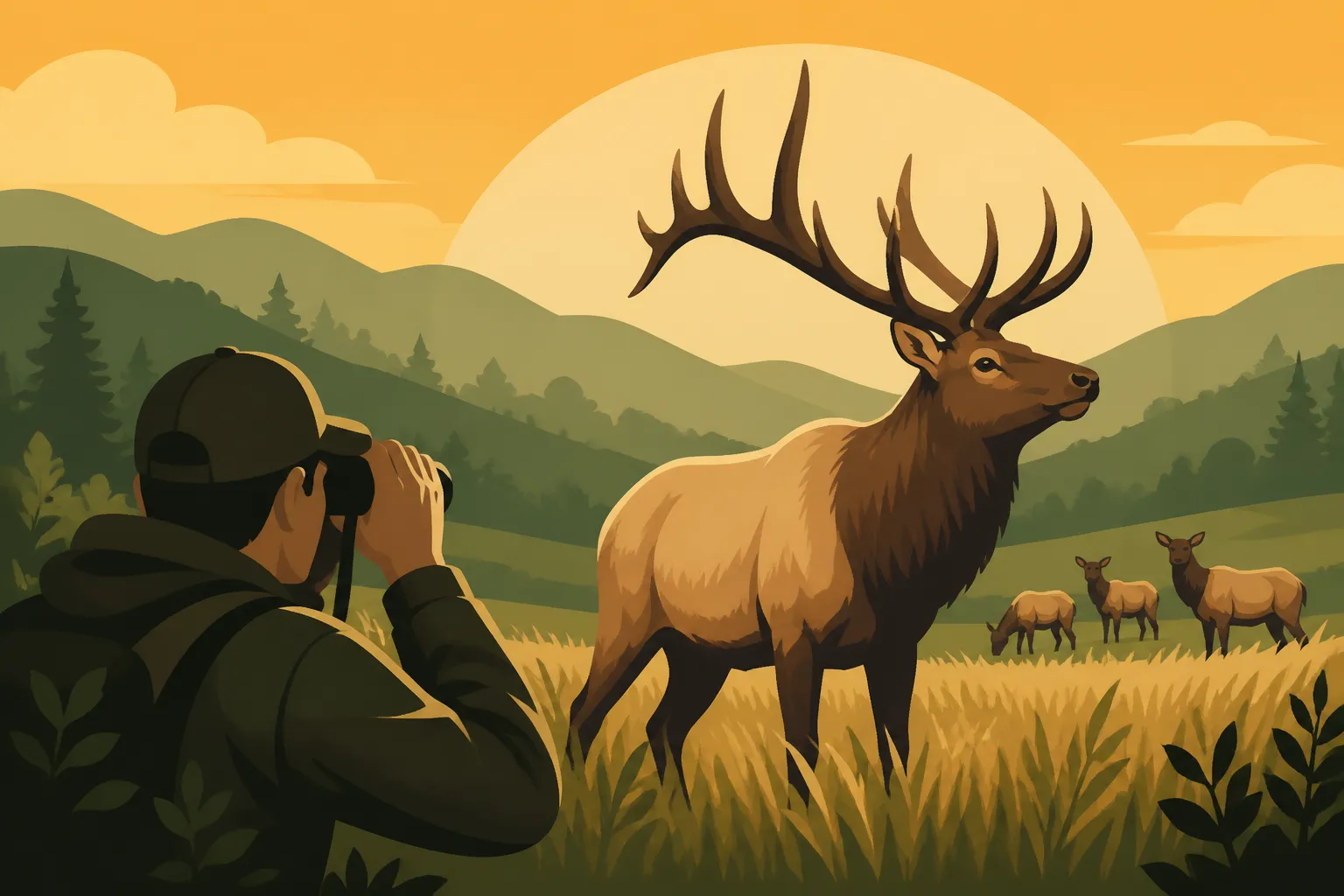
Hands down, if you want the most thrilling elk viewing experience, plan your trip for the fall rut, typically from mid-September through October. This is when the bulls are most active, vocal, and visible. The sound of a bull elk bugling echoing through the mountains is one of nature's most iconic calls – a haunting, primal sound that will send shivers down your spine. During the rut, mature bulls are constantly on the move, asserting dominance, sparring with rivals, and herding their harems of cows.
You'll often see them in open fields, posturing and challenging each other, making for incredible photography opportunities. This is the time when elk are less cautious and more focused on breeding, which can bring them into more accessible viewing areas. Just be aware, this is also when these magnificent animals are at their most unpredictable and potentially aggressive, so maintaining a safe distance is paramount. For more on this spectacular time, check out When Kentucky Elk Bugle.
Winter Herds and Food Sources
Winter, especially after the leaves have fallen and snow dusts the hills, offers a different but equally rewarding viewing experience. As temperatures drop and natural forage becomes scarce, elk tend to congregate in larger herds. They often move to lower elevations or seek out reclaimed mine lands where food sources like winter wheat, clover, or leftover agricultural crops might be more accessible. The lack of foliage also makes it much easier to spot them from a distance.
Picture this: a vast, open, snow-covered field with a herd of fifty elk grazing peacefully against the backdrop of a bare, dark forest. It's a breathtaking sight. During this time, they're generally less active than during the rut, primarily focused on conserving energy and feeding, making for prolonged viewing opportunities. Just be prepared for cold weather, potentially icy roads, and the need for insulated gear.
Spring Calving Season
Spring, usually late May into early June, marks the calving season. This can be a challenging time for viewing but offers its own rewards if you're lucky. Cow elk become incredibly secretive during this period, seeking out dense cover to give birth and hide their vulnerable newborn calves. You'll often see smaller, scattered groups, and the large herds of winter disperse.
While it's less likely you'll stumble upon a cow with a brand-new calf, you might see bachelor groups of bulls or smaller herds of cows without calves. As the calves grow a bit older, in late June and July, you'll start to see them accompanying their mothers. This is a time of new life and delicate beauty in the elk zone, but requires even more discretion to avoid disturbing the animals. For more insight into the herd's dynamics, exploring topics like Kentucky Elk Calf Survival Rates can be quite enlightening.
| Season | What to Expect | Best Time of Day | Key Behaviors to Look For |
|---|---|---|---|
| Fall (Rut) | Vocal bulls, intense breeding activity | Early Morning / Late Evening | Bugling, sparring, herding cows, wallowing |
| Winter | Larger herds, foraging in open areas, easier to spot | Mid-morning / Afternoon | Grazing, resting in groups, moving between cover and food |
| Spring | Cows with newborn calves (elusive), smaller groups; growing antlers on bulls | Early Morning / Late Evening | Cows seeking cover, cautious feeding, bachelor groups of bulls |
| Summer | Bachelor groups of bulls, cows with growing calves; lush green habitat | Early Morning / Late Evening | Feeding, resting in shade, calves playing (later in summer) |
Essential Gear and Tactics for Successful Viewing
You wouldn't head out on a big hunt without the right tools, and elk viewing is no different. Equipping yourself properly and employing smart tactics will dramatically increase your chances of a successful and comfortable trip.
Optics: Binoculars and Spotting Scopes
This is non-negotiable. Elk are big, but they're also often far away, especially when you're observing from a safe, respectful distance. A good pair of binoculars, like 10×42, is absolutely essential. They'll help you scan those distant hillsides and pick out the subtle movement of an elk in the timber. Brands like Vortex, Leupold, and Nikon offer excellent options across various price points.
But if you want to truly appreciate the detail of a bull's antler rack or count the points on a distant animal, a spotting scope is a game-changer. A 20-60x scope on a sturdy tripod will allow you to "bring the elk to you" without disturbing them. You'll be amazed at the clarity and detail you can achieve. This kind of setup allows for hours of comfortable glassing. If you're serious about long-range observation, especially in open, reclaimed areas, a quality spotting scope paired with a tripod is your best friend. For those who enjoy a bit of gear talk, exploring Elk Hunting Gear for Southeastern Kentucky can offer more insights into useful equipment.
Clothing and Footwear Considerations
Eastern Kentucky weather can be notoriously unpredictable, swinging from mild to freezing, or sunny to torrential rain, all within a single day. Layering is your best strategy. Start with moisture-wicking base layers, add insulating mid-layers like fleece or wool, and top it off with a waterproof and windproof outer shell. Even if it's sunny, carry rain gear – those mountain pop-up showers are real!
Comfortable, sturdy hiking boots are also a must. You'll likely be doing a fair bit of walking, even if it's just from your vehicle to a good glassing point. Choose boots with good ankle support and waterproofing. Quiet fabrics are also beneficial, as sudden noises can spook nearby animals, even if you're not trying to approach them. Think muted earth tones; while you're not hunting, blending into the environment helps you remain unobtrusive.
Strategic Scouting and Patience
Elk viewing is often compared to a treasure hunt, and patience is your most valuable tool. Don't expect to drive up and see an entire herd right next to the road (though it can happen!). The best times to find elk are typically early morning, just after sunrise, and late evening, right before sunset. This is when they are most active, moving from bedding areas to feeding grounds.
Find a vantage point that offers a broad view of open fields, clear-cuts, or reclaimed mine lands. Use your binoculars to systematically scan the area, slowly, quadrant by quadrant. Look for subtle movements, a flash of tawny hide against the trees, or the distinct shape of an antler. Pre-scouting with a good mapping app can save you a ton of time. While primarily for hunters, something like the GoHunt app (or similar) can help identify potential feeding areas or historical sightings if you know how to leverage its features. This can really aid in Glassing an Elk Restoration Zone Meadow effectively. Be prepared to sit and watch for extended periods. Sometimes, the most rewarding sightings come after an hour or more of silent observation.
Respecting Wildlife and Regulations
Witnessing elk in their natural habitat is a privilege, and with that privilege comes the responsibility to act ethically and adhere to regulations. Our actions directly impact the welfare of the herd and the opportunities for others to enjoy them.
Maintaining a Safe Distance
This cannot be stressed enough: always maintain a safe and respectful distance from elk. These are powerful, wild animals, and getting too close can be dangerous for both you and them. A general guideline is to stay at least 100 yards away, and even further during the rut or if you encounter cows with calves. If an elk changes its behavior because of your presence – if it stops feeding, looks at you intently, raises its head, or moves away – you're too close.
Getting too close can stress the animals, disrupt their natural behaviors, and even cause them to abandon valuable feeding or calving grounds. During the rut, bull elk can be especially unpredictable and aggressive; they view anything as a potential rival. Your camera lens might zoom in close, but your physical presence should always be far away.
Understanding KDFWR Guidelines
The Kentucky Department of Fish and Wildlife Resources (KDFWR) manages the elk herd and sets rules to ensure their well-being and public safety. While specific viewing regulations are generally about common sense and wildlife ethics, it's always a good idea to familiarize yourself with general wildlife viewing guidelines. This includes rules against harassing wildlife, which means no chasing, no making loud noises to get their attention, and absolutely no feeding them.
Feeding wild elk habituates them to humans, which can lead to aggressive behavior and can actually be detrimental to their health by altering their natural diet. Check the KDFWR website before your trip for any specific advisories or seasonal rules that might impact your viewing plans. Knowing the rules contributes to a better experience for everyone and helps ensure the health of Kentucky's Record Elk Herd.
Ethical Viewing Practices
Beyond specific regulations, ethical viewing practices are about common courtesy and leaving no trace. When you pull off a road to view elk, ensure your vehicle is completely off the pavement and not blocking traffic. If you're using public lands, pack out everything you pack in – absolutely no litter. Leave the natural environment as pristine as you found it.
Avoid shining lights on elk at night. While tempting, it can disorient and stress them. If you're viewing in an area with other people, be considerate. Speak in hushed tones, avoid loud movements, and give everyone ample space to enjoy the animals. The goal is to be a silent observer, blending into the background, allowing the elk to act naturally. Remember, we are guests in their home.
Common Challenges and How to Overcome Them
Even with the best planning and gear, Mother Nature and wild animals can throw curveballs. Anticipating these challenges and having a plan to overcome them will ensure your elk viewing trip remains an enjoyable adventure, not a frustrating ordeal.
Elk Mobility and Elusiveness
Let's face it: elk are wild, free-ranging animals, not pets in a pasture. They move a lot, often covering vast distances in a single day, especially in the rugged terrain of Eastern Kentucky. A herd you saw in a field one evening might be miles away in a deep hollow the next morning. Their elusiveness is part of their charm, but it can also be a source of frustration if you're expecting instant gratification.
To overcome this, flexibility is key. Don't put all your eggs in one basket; have several potential viewing locations scouted out. Be prepared to cover some ground, whether by vehicle or on foot (where permitted). Using a good GPS app like onX Hunt or even the KDFWR's own Kentucky Hunt Fish App can help you quickly navigate between different spots and identify new vantage points. Sometimes, it means staking out a likely area for a few hours, then moving on if nothing appears. The thrill often comes from the chase itself, the quiet moments of anticipation before a successful sighting. If you're interested in the population dynamics, learning about the Kentucky Elk Population Estimate can help you understand how many animals are truly out there.
Weather and Terrain Obstacles
Eastern Kentucky's elk zone is beautiful but can be unforgiving. The terrain is often steep, with winding, unpaved roads that can quickly become muddy and treacherous after rain. Sudden weather changes are common – a sunny morning can turn into a cold, rainy, or even snowy afternoon without much warning. These conditions can make driving difficult, obscure views, and make for a very uncomfortable viewing experience if you're not prepared.
Always check the local weather forecast before you head out, and pack for all possibilities (refer back to the clothing section!). Have a reliable vehicle, preferably one with good ground clearance or 4-wheel drive, especially if you plan to explore less-traveled public roads. Carry an emergency kit in your car, including extra water, snacks, blankets, and a first-aid kit. A portable power bank for your phone is also a smart idea, as cell service can be spotty in some of the more remote areas. Dress in layers, and be ready to adapt to whatever the Kentucky mountains throw at you.
Dealing with Crowds
During peak viewing seasons, particularly the fall rut, some of the more popular viewing areas can draw a crowd. While it's wonderful that so many people want to experience this natural wonder, too many people in one spot can sometimes detract from the wild experience, and even stress the elk. Parking can become an issue, and finding a clear view might be challenging.
To minimize this, consider visiting on weekdays rather than weekends, or during shoulder seasons when the crowds are thinner. Waking up extra early or staying out a bit later can also help you beat the rush. Don't be afraid to explore some of the slightly less accessible public lands or overlooks that might require a bit of a hike. Often, the best experiences are found just a little further off the beaten path, where fewer people venture. Tools like GoHunt or other mapping resources might also highlight areas that see less human pressure, providing a more intimate viewing opportunity. Learning more about Applying for a Kentucky Elk Permit or Kentucky's Seven Elk Hunting Units can also give you insight into where hunter traffic might be, which could coincide with viewing opportunities.
Disclaimer
Please remember that hunting regulations, seasons, and licensing requirements can change. While every effort has been made to provide accurate information, it is your responsibility to verify all regulations with the Kentucky Department of Fish and Wildlife Resources (KDFWR) before engaging in any hunting activities. Always prioritize safety, respect wildlife, and adhere to all laws.