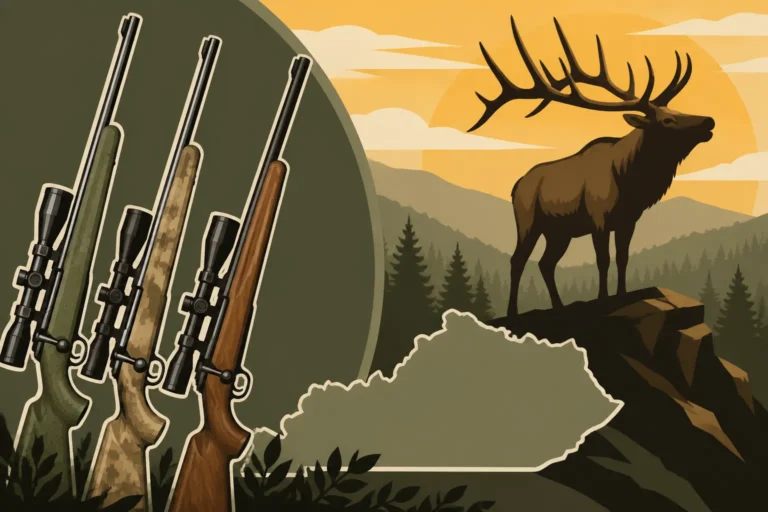
Elk Hunting Gear for Southeastern Kentucky
If you're gearing up for a Kentucky elk hunt, you're embarking on an adventure unlike almost any other in the East. This isn't your typical whitetail hunt; the terrain is rugged, the weather unpredictable, and the game itself is immense. Many hunters feel overwhelmed by the sheer scale of the challenge, wondering if their deer hunting gear will cut it or if they need to invest in a whole new setup. This comprehensive guide will walk you through the essential gear you need to confidently and successfully pursue elk in southeastern Kentucky, from firearms and optics to clothing and crucial meat care.
The Unique Demands of Southeastern Kentucky Elk Terrain
Hunting elk in southeastern Kentucky isn't just about finding the animal; it's about navigating some of the most challenging, yet rewarding, landscapes the state has to offer. The Appalachian foothills here present a totally different environment than the gentle rolling hills of central Kentucky or the flat farmlands of the west. Understanding these specific demands is the first step in selecting the right gear.
Navigating Steep Hills and Dense Cover
When you think of southeastern Kentucky, think elevation changes. You'll encounter steep ridges, deep hollows, and often, very dense secondary growth that can make even a short walk feel like an uphill battle. This isn't open country where you can glass for miles; shots are often close and quick, and getting to an animal after the shot can be a monumental task. The ground underfoot is rarely flat, often littered with loose rocks, fallen timber, and thick leaf litter, especially in the fall.
This kind of terrain demands sturdy, reliable gear that can withstand abuse and support you every step of the way. Your boots, for instance, need exceptional ankle support and aggressive traction to keep you from slipping on slick leaves or loose shale. You'll be side-hilling, climbing steep ascents, and descending equally steep grades, sometimes with a heavy pack. A lightweight yet durable pack is crucial for carrying your essentials, but also for packing out potentially hundreds of pounds of meat. Many hunters underestimate the physical toll this environment takes, not just on their bodies but on their equipment, too.
Furthermore, the dense cover means you'll often be pushing through brush, briars, and thickets. This can snag zippers, tear flimsy fabrics, and make silent movement almost impossible if your clothing isn't designed for it. Think about the durability of your outer layers and how well they resist abrasion. You don't want to blow out a knee in your pants or rip your jacket miles from the truck. This also impacts your rifle choice, as shorter, handier carbines are often preferred over long-barreled magnum rifles that can get hung up in tight spots.
Weather Variability in the Mountains
One of the biggest challenges in Kentucky's elk zone is the wildly unpredictable weather, especially during the fall hunting seasons. You might wake up to crisp, clear 30-degree mornings, only to find yourself shedding layers by midday as temperatures climb into the 60s. Then, a sudden afternoon thunderstorm can roll in, dropping the temperature significantly and turning trails into muddy, slick waterways. Hunters often experience all four seasons in a single day, and being unprepared for these shifts can quickly turn a memorable hunt into a miserable one.
Layering is absolutely critical to manage these fluctuations. A good base layer to wick moisture, an insulating mid-layer for warmth, and a waterproof, windproof outer shell are non-negotiable. Trying to tough it out in cotton will leave you cold and clammy when you stop moving, and a single heavy coat won't allow you to adapt to changing activity levels or temperatures. Think about materials that perform well when wet, like wool or synthetics, rather than cotton that absorbs moisture and holds it against your skin.
Beyond clothing, your gear needs to be robust enough to handle moisture. Optics can fog up, electronics can short circuit, and ammunition can be compromised if not protected. Consider waterproof cases for sensitive items, and ensure your backpack has a good rain cover. Even your boots need to be completely waterproof, not just water-resistant, to keep your feet dry and warm through unexpected downpours or stream crossings. A little planning for the weather can make a huge difference in your comfort and ability to stay in the field.
Essential Firearm and Ammunition Choices for Elk
Choosing the right rifle and ammunition for a Kentucky elk hunt is paramount. These aren't whitetails, and while a deer rifle might technically be legal for elk in Kentucky, an ethical hunter understands the need for sufficient knockdown power and accuracy at varying ranges. The dense cover and steep terrain mean you might have close encounters, but also need to be prepared for longer shots across hollows.
Rifle Calibers for Kentucky Elk
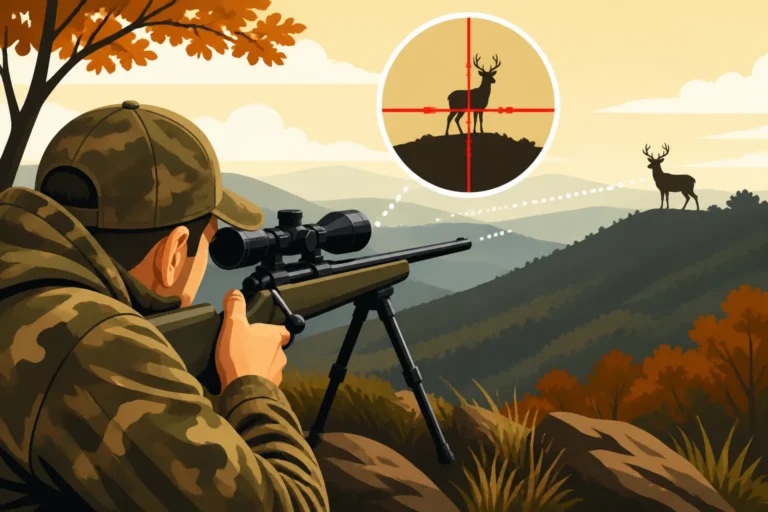
When it comes to elk, you're talking about an animal that can weigh 700 pounds or more, with dense bone and muscle. Your rifle needs to deliver enough energy to penetrate effectively and anchor the animal quickly and humanely. While many deer calibers like the .30-06 Springfield or .270 Winchester can certainly take an elk with proper shot placement, moving up in power offers a greater margin for error and quicker incapacitation. Calibers like the .300 Winchester Magnum, 7mm Remington Magnum, or even larger options such as the .338 Winchester Magnum are popular choices among experienced elk hunters for their increased energy and flatter trajectories at longer distances.
However, it's not just about raw power; accuracy is king. A well-placed shot from a slightly smaller caliber is always better than a poor shot from a magnum. Practice with your chosen rifle extensively to become proficient with it. Understand its limitations and your own. The dense timber of the Daniel Boone National Forest, which makes up a significant portion of the elk zone, often dictates closer shots, so a rifle that handles well in thick brush is also a consideration. Many hunters find a balance with something like a .30-06 or a .308, especially if they are comfortable with its recoil and accuracy. Remember, a lighter, more compact rifle can be a blessing when climbing steep slopes all day. For more on rifle setups, you might find Rifles Built for a Southeastern Elk Hunt a helpful resource.
Beyond caliber, consider the overall build of your rifle. A synthetic stock will stand up to the elements better than a fine walnut stock, which can swell and warp with moisture. A durable finish on the metal components will resist rust and scratches from brush. Weight is also a factor; a heavy rifle might feel stable at the range, but after several miles of climbing hills, every ounce counts. Some hunters even consider straight-wall cartridge options, though they are often seen as less ideal for the potential longer range shots that elk hunting can present in more open areas. The key is to find a rifle that you can carry comfortably, shoot accurately, and that delivers sufficient energy for the ethical taking of an elk.
Ethical Ammunition for Big Game
The bullet you choose is arguably more important than the caliber itself when hunting large, tough game like elk. You need a bullet designed for deep penetration and controlled expansion, not one that fragments on impact or blows up on the hide. Standard deer bullets, which might perform admirably on a whitetail, can sometimes fail to reach the vitals of a large elk, especially if they hit bone. Look for bonded core bullets, monolithic copper bullets, or partition-style bullets that are engineered to hold together and retain a high percentage of their weight as they pass through tough tissue and bone.
Brands like Nosler Partition, Barnes TSX, Hornady Interbond, or Federal Terminal Ascent are excellent choices. These bullets are specifically designed for high weight retention and deep penetration, ensuring that the bullet reaches the vital organs and creates a significant wound channel. It's crucial to test different ammunition in your rifle to see what shoots most accurately. What performs well in one rifle might not in another, even of the same make and model. Don't assume a particular bullet will shoot accurately without verifying it at the range.
Always carry enough ammunition for your hunt, but don't overdo it. A box or two should be plenty for sighting in and taking a few shots in the field. Keep your spare ammunition protected from moisture in a waterproof container. The goal is to ensure that when you finally get that shot opportunity, your bullet will perform exactly as intended, leading to a quick, ethical harvest. This preparation ensures you're ready for the moment of truth, minimizing the chance of a wounded animal escaping into the rugged terrain.
Optics for Spotting and Ranging Elk
In the vast, broken terrain of southeastern Kentucky, good optics are not a luxury; they are an absolute necessity for successful elk hunting. Unlike deer hunting where close encounters are common in thick woods, elk often require you to spot them at a distance, analyze their movements, and plan your stalk.
Binoculars and Spotting Scopes for Eastern Kentucky
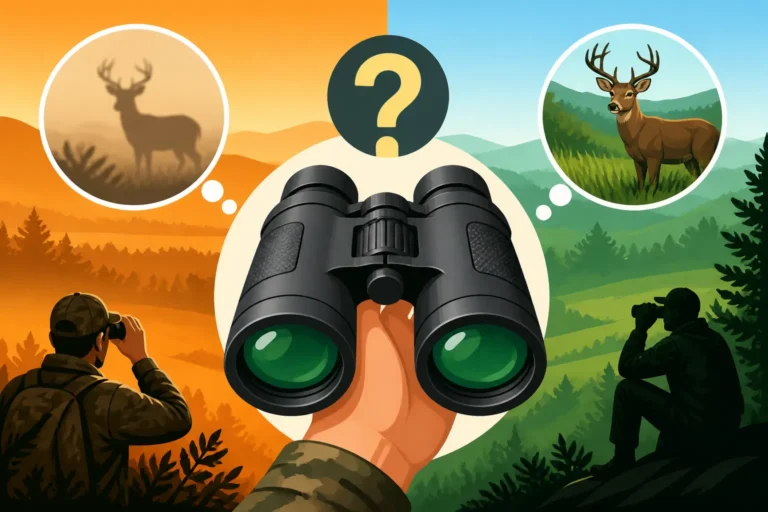
Your binoculars will likely be your most used piece of optical gear. For elk hunting in Kentucky, a good quality 10×42 or 10×50 binocular is an excellent all-around choice. This magnification provides a good balance of power for spotting elk at moderate to long distances without sacrificing too much field of view or becoming overly shaky for handheld use. Look for binoculars with excellent low-light performance, as elk are often most active at dawn and dusk when light conditions are challenging. High-quality glass and good lens coatings make a noticeable difference in image brightness and clarity, allowing you to pick out subtle details in shadowed hollows or dense timber.
Brands like Vortex, Leupold, Nikon, or Maven offer excellent options at various price points. Investing in a quality pair of binoculars will pay dividends year after year, not just for elk hunting but for all your outdoor pursuits. A comfortable binocular harness is also a must-have accessory. It distributes the weight across your shoulders, keeps your binoculars secure and readily accessible, and prevents them from swinging around as you navigate steep terrain. You want them available instantly when you spot movement, not buried in your pack. Check out Optics for Eastern Kentucky Ridges for more insights on what works well in this environment.
For those situations where you need to evaluate an elk at extreme distances, perhaps across a vast reclaimed mine land or a wide hollow, a spotting scope becomes invaluable. A 15-45x or 20-60x spotting scope, especially one with an angled eyepiece, mounted on a lightweight tripod, can save you miles of unnecessary walking. It allows you to determine if that distant speck is a bull or a cow, judge antler size, and assess if an animal is worth pursuing without spooking it. While a spotting scope adds weight to your pack, its utility in open country or for long-range glassing can be a game-changer. It's not always necessary, especially if you plan on hunting very tight cover, but for serious elk hunting in varied terrain, it offers a distinct advantage.
Rangefinders for Accurate Shots
Knowing the exact distance to your target is critical for ethical shot placement, especially with powerful calibers where bullet drop can be significant at longer ranges. A reliable rangefinder is an indispensable tool for elk hunting. For the varied terrain of Kentucky, look for a rangefinder that can accurately measure distances out to 800-1000 yards, even if your personal shooting limit is much closer. This extra range allows you to confirm distances to landmarks or other animals beyond your immediate target, helping you plan your approach.
Many modern rangefinders also feature angle compensation, which is incredibly useful in the steep, up-and-down terrain of southeastern Kentucky. Shooting uphill or downhill effectively shortens the horizontal distance to the target, and an angle-compensating rangefinder will provide the "shoots like" distance, which is what you need for accurate bullet trajectory. This removes a significant variable and helps prevent over or under-shooting, especially on steep cross-hollow shots. You can find excellent models from brands like Sig Sauer, Leupold, and Vortex that offer these features.
Practice using your rangefinder frequently before your hunt. Get accustomed to quickly acquiring targets and understanding the readouts. When you have an elk in your sights, you don't want to be fumbling with your equipment. Keep it easily accessible, perhaps in a pouch on your bino harness, so it's always within reach for a quick range check. This simple piece of gear significantly increases your confidence and ethical hunting capabilities, ensuring you make the most of your hard-earned shot opportunity.
Clothing and Layering for Comfort and Concealment
When you’re elk hunting in southeastern Kentucky, your clothing system needs to do more than just keep you warm. It needs to regulate your body temperature during strenuous activity, protect you from harsh weather, and help you blend into the environment. The right layering strategy is crucial for adapting to the dynamic conditions of the mountains.
Base Layers and Mid-Layers for Variable Temperatures
The foundation of any effective hunting clothing system is a quality base layer. This layer sits directly against your skin and is responsible for wicking moisture away from your body. When you’re climbing steep ridges or stalking an elk, you're going to sweat, even in cold weather. If that sweat stays against your skin, it will cool rapidly when you stop moving, leading to a dangerous chill. Merino wool and synthetic fabrics are excellent choices for base layers because they retain insulating properties even when wet, unlike cotton. Merino wool also has natural odor-resistant qualities, which is a huge plus when you're spending multiple days in the field.
For your mid-layer, you need insulation that can be easily added or removed to adapt to temperature changes and activity levels. A lightweight fleece jacket or a puffy jacket filled with synthetic insulation or down works perfectly. The key is to have something that provides significant warmth but can be packed down small when not in use. You might start your morning hike with both a base layer and a mid-layer, strip down to just your base layer during a strenuous climb, and then put your mid-layer back on as you slow down to glass or sit for a call sequence. This versatility is vital for staying comfortable and focused on your hunt.
Think about multiple thin mid-layers rather than one thick, bulky one. This allows for finer adjustments to your core temperature. For instance, you might wear a thin fleece vest over your base layer, and then add a full-zip fleece jacket over that. If it gets really cold, you can throw a puffy jacket on top. This modular approach is far more effective than trying to manage with a single heavy garment, allowing you to customize your warmth level moment by moment.
Outerwear for Protection from Elements and Terrain
Your outer layer serves as your shield against the wind, rain, and snow that can sweep through the Kentucky mountains. It needs to be waterproof, windproof, and durable enough to stand up to snagging branches and abrasive rocks. A quality rain jacket and rain pants are non-negotiable. Look for fabrics with reputable waterproof-breathable membranes like Gore-Tex or similar proprietary technologies. These allow sweat vapor to escape while preventing external moisture from getting in, keeping you dry from both the inside and out.
Color and pattern are also important for concealment. While specific camo patterns can be helpful, a good earth-tone green, brown, or gray is often sufficient for blending into the varied forest environments. In Kentucky, remember the blaze orange requirements for firearm season. You'll need to wear a minimum amount of blaze orange to be legally visible to other hunters, typically on your outer layer. Some hunters opt for a blaze orange vest over their camouflage jacket to meet this requirement.
Beyond protection from the elements, consider the durability of your outerwear for navigating tough terrain. Reinforced knees and elbows on your pants and jacket can extend their lifespan, as you'll often be kneeling, crawling, or bracing yourself against rough surfaces. Look for quiet fabrics that won't rustle loudly when you move, potentially spooking a wary elk. The goal is an outer shell that is tough, quiet, weather-resistant, and helps you blend in, allowing you to focus on the hunt without being distracted by discomfort or noise.
Essential Gear for Packing In and Out
Elk hunting in Kentucky often means venturing deep into remote areas, far from the nearest road. This requires a different mindset and gear strategy than a typical day hunt for deer. You need to be self-sufficient and prepared for the unexpected, especially when it comes to getting an animal out of the woods.
Durable Backpacks and Hauling Systems
Your backpack is arguably one of the most critical pieces of gear for a Kentucky elk hunt. It needs to be comfortable enough to wear all day, durable enough to withstand the abuse of rugged terrain, and large enough to carry all your essentials, plus potentially heavy loads of meat. For day hunts or shorter overnight trips, a pack in the 3,000-5,000 cubic inch range is often sufficient. Look for packs with good internal frames that distribute weight effectively to your hips, reducing strain on your shoulders. Padded hip belts and shoulder straps are a must.
However, the real test of an elk pack comes after the kill. You might be quartering an elk in the field and packing out hundreds of pounds of meat over several trips. This is where a dedicated hauling system or a pack with a strong external frame becomes invaluable. Many hunters prefer a pack that allows for an expandable "meat shelf" between the main bag and the frame, letting you carry a quarter or deboned meat directly against the frame, closer to your back for better load distribution. This is a far more efficient and comfortable way to pack out meat than trying to cram it into a traditional internal frame pack. GoHunt resources or online forums often have great discussions and reviews of packs suitable for packing out heavy loads.
Look for features like hydration compatibility, multiple pockets for organizing gear, and compression straps to secure your load. The material should be rugged and quiet, resisting tears and snags from brush. Practice packing your empty pack and hiking with it, adjusting the fit and weight distribution. A well-fitted pack makes a world of difference when you're traversing steep, uneven terrain, especially under load. Remember, getting an elk out is often harder than getting one down.
Navigation Tools and Safety Equipment
Getting lost in the vastness of the Daniel Boone National Forest or other remote areas of Kentucky's elk zone is a very real possibility, especially when tracking an animal in unfamiliar territory or after dark. Reliable navigation tools are non-negotiable. A high-quality GPS unit, whether a dedicated handheld device or a robust smartphone app like the Kentucky Hunt Fish App or OnX Hunt, is essential. These tools allow you to pinpoint your exact location, track your movements, mark important waypoints like your vehicle, the kill site, or water sources, and navigate back to safety. Always carry a portable power bank for your electronic devices, as cold weather can drain batteries quickly, and cell service is often nonexistent in these remote areas.
Beyond electronics, a traditional map and compass should always be carried as a backup, and you should know how to use them. Technology can fail, but a map and compass, along with a basic understanding of topography, can always guide you. Take the time before your hunt to study topo maps of your intended hunting area, identifying ridges, hollows, and potential escape routes or natural funnels.
Safety equipment extends beyond navigation. A comprehensive first-aid kit, capable of handling minor injuries as well as more serious trauma, is crucial. Carry a reliable headlamp with extra batteries for walking in before dawn or out after dusk – or for unexpected tasks like blood trailing. A whistle, fire-starting materials, and a small emergency shelter (like a lightweight tarp or emergency blanket) can be lifesavers if you get stranded or have to spend an unplanned night in the woods. Additionally, consider carrying a satellite messenger or personal locator beacon (PLB) for true backcountry hunts where cell service is non-existent. These devices allow you to send SOS messages or check-in with loved ones, providing peace of mind and a vital link in an emergency. Being prepared for the worst allows you to focus on the hunt with greater confidence.
Calling and Decoying Strategies
Elk are highly vocal animals, especially during the rut, and understanding how to communicate with them through calls can dramatically increase your chances of success. However, effective calling and decoying require more than just making noise; it demands an understanding of elk behavior and the specific dynamics of hunting in Kentucky.
Bugle Tubes and Cow Calls
The primary vocalization associated with elk hunting is the bugle, particularly from bulls during the rut. A good bugle tube allows you to imitate a bull's challenging roar, an excited chuckle, and the various sounds they make. There are many different bugle tubes and diaphragms available, and finding one you can operate effectively takes practice. Beyond the bugle, learning to make realistic cow and calf calls is equally, if not more, important. These softer, more seductive sounds can draw in curious bulls, calm nervous cows, or even entice a satellite bull looking for receptive females. A good open-reed cow call or a diaphragm call that allows for versatile cow and calf sounds should be in every elk hunter's vest. For specific strategies on vocalizations, Calling a Southeastern Kentucky Bull Elk is a great resource.
The key to calling is not just making the right sound, but knowing when and how to use it. Early in the rut, aggressive bugles can challenge dominant bulls. Later, as the rut progresses, more subtle cow calls might be more effective as bulls become more focused on breeding and less on fighting. Sometimes, a quiet chuckle or a soft mews is all it takes to get an elk to step out of thick cover. Pay attention to how the elk are responding, and be ready to adapt your calling sequence. Over-calling can sometimes spook wary elk, especially in areas that receive hunting pressure.
Remember to practice your calls well before your hunt. Practice different volumes and cadences. Use recordings of real elk to fine-tune your technique. Elk have incredible hearing, and an unrealistic call can send them running in the opposite direction. Your calling should sound natural and convincing. When used correctly, a well-executed calling sequence can turn a silent hunt into an unforgettable close-range encounter.
Elk Decoys for Drawing Them In
While not as common as calling, using an elk decoy can be a highly effective tactic, especially during the rut. The visual cue of another elk, particularly a cow, can be incredibly persuasive for a bull that might be hesitant to commit to a call alone. Decoys can range from simple, lightweight fabric cutouts to more realistic 3D models. The most popular are often cow decoys, as bulls are naturally drawn to them. Some hunters also use small spike bull decoys to challenge other bulls.
Decoy placement is crucial. You want the decoy to be visible from the direction you expect the elk to approach, but positioned so that the bull focuses on the decoy and not on you. This provides an ethical shot opportunity while keeping the elk's attention diverted. Often, this means placing the decoy slightly off to the side, downwind, or in an area that forces the elk to approach from a specific direction. Be aware that using a decoy can also draw in other hunters, so always be absolutely sure of your target and what's beyond it. Wearing blaze orange is even more critical when using decoys, and ensuring your hunting partners are aware of the decoy's position is paramount for safety.
The lightweight, packable fabric decoys are popular for Kentucky's rugged terrain because they add minimal weight and can be quickly deployed. They simulate the presence of another elk, often enough to draw a bull into range. Combine the visual appeal of a decoy with strategic calling, and you create a powerful illusion that can bring even the most cautious bull right into your shooting lane. But always remember safety first when utilizing decoys in the field.
Meat Care and Processing in the Field
Harvesting an elk is an incredible accomplishment, but the work is far from over once the animal is down. Proper field dressing and meat care are crucial to ensure that the valuable meat doesn't spoil, especially in Kentucky's often mild fall temperatures. Elk are large animals, and a well-thought-out plan for handling the meat is essential.
Field Dressing and Quartering Tools
Before you even step into the woods, you need to assemble a robust field dressing kit. A sharp, durable knife is your primary tool; carry at least two, or a good knife sharpener, as field dressing an elk will quickly dull a blade. A smaller caping knife can be useful for finer work. A bone saw or a hatchet might also be invaluable for splitting the sternum or pelvis, though many prefer to use the gutless method for quartering. Latex or nitrile gloves are a must for hygiene and to protect yourself from potential diseases, like those managed in Kentucky's Chronic Wasting Disease Surveillance Zone. These are very real considerations for any hunter taking big game.
The sheer size of an elk means that you'll likely need to quarter it in the field to get it out. The gutless method, where the animal is skinned and deboned or quartered without opening the body cavity, is highly efficient, especially on steep terrain or when alone. It minimizes contact with the gut pile and allows for quicker cooling of the meat. Regardless of the method, work quickly and efficiently. Time is meat, particularly if temperatures are above freezing.
Having a sturdy rope is also helpful for repositioning the animal, dragging quarters, or hanging meat. Many hunters also carry a small sharpening steel or ceramic sticks to maintain a razor edge on their knives throughout the process. A clean kill and efficient field processing are the first steps to delicious elk meat on the dinner table.
Game Bags and Cooling Strategies
Once the elk is quartered, protecting the meat is your next priority. High-quality, breathable game bags are essential. Do not use plastic bags, as they trap heat and moisture, which leads to bacterial growth and spoilage. Game bags, typically made of cotton or synthetic breathable material, allow air circulation around the meat while protecting it from flies, dirt, and debris. You'll need at least four large bags for the quarters, plus additional smaller bags for backstraps, tenderloins, and trim meat.
As soon as the meat is in bags, the goal is to cool it as rapidly as possible. If you're hunting in cold weather, hanging the quarters in a shady, breezy spot is often sufficient. However, if temperatures are mild, you may need to get the meat out of the woods and into coolers packed with ice as quickly as possible. Prop quarters open to allow air circulation and prevent heat from getting trapped. If you have a long pack out, consider making multiple trips, prioritizing the meat.
Once home, continue to cool the meat thoroughly in coolers with ice (draining water regularly) or in a cold room. Many hunters will age their elk meat for several days in a controlled, cold environment to improve tenderness. This meticulous attention to detail during field processing and cooling ensures that your hard-earned elk provides the best possible table fare. Field Dressing a Deer in Cold Weather can offer additional tips relevant to similar challenges.
Footwear for Rugged Mountain Terrain
Your feet are your foundation when elk hunting in Kentucky's demanding terrain. Ill-fitting or inadequate footwear can quickly lead to blisters, pain, and prematurely end your hunt. Investing in high-quality boots and a proper sock system is paramount for comfort, support, and overall success.
Choosing Durable and Supportive Boots
For elk hunting in southeastern Kentucky, you need boots that offer exceptional ankle support, aggressive traction, and bomb-proof waterproofing. The terrain is a relentless mix of steep ascents, treacherous descents, loose rocks, slick leaves, and often, muddy creek bottoms. A lightweight hiking boot designed for maintained trails simply won't cut it. Look for a sturdy, full-grain leather or durable synthetic boot with a stiff sole and a high ankle collar. The stiff sole provides stability on uneven ground and helps prevent foot fatigue, especially when carrying heavy loads. The high ankle support is crucial for protecting against sprains on side hills and descents.
Waterproofing is non-negotiable. Whether it's a sudden downpour, a dew-soaked morning, or crossing a shallow creek, your feet need to stay dry. Boots featuring Gore-Tex or similar waterproof membranes are essential. While breathable, these membranes keep external water out. Ensure your boots are well-broken in before your hunt. Never wear brand-new boots on a strenuous hunt, as this is a recipe for blisters. Wear them around the house, on short hikes, and gradually increase the distance and difficulty to mold them to your feet and identify any hot spots.
Consider the insulation level of your boots. For early season archery hunts, uninsulated or lightly insulated boots might suffice. However, for late-season firearm hunts, you'll want more insulation to keep your feet warm during long sits. Strike a balance between warmth and breathability to prevent overheating during strenuous hikes. Brands like Kenetrek, Schnee's, Crispi, and Meindl are popular among serious mountain hunters for their durability and performance in challenging conditions.
Sock Systems for Comfort and Blister Prevention
Even the best boots can be undermined by a poor sock choice. A proper sock system works in conjunction with your boots to manage moisture, provide cushioning, and prevent blisters. Avoid cotton socks at all costs, as they absorb moisture, stay wet, and cause friction, leading to blisters and cold feet. Instead, opt for socks made from merino wool or synthetic blends.
Many experienced hunters use a two-sock system: a thin liner sock made of synthetic material or merino wool worn directly against the skin, and a thicker, cushioning outer sock, also made of merino wool or a synthetic blend. The liner sock helps wick moisture away from your foot and reduces friction, as any movement or rubbing occurs between the two sock layers rather than directly on your skin. The outer sock provides insulation, cushioning, and additional moisture management.
Ensure your socks fit well – not too tight, not too loose. Socks that bunch up or are too small can cause pressure points and blisters. Carry multiple pairs of socks and change them regularly, especially if your feet get wet or sweaty. Having a fresh, dry pair of socks can feel like a luxury in the backcountry and is key to maintaining foot health. Take care of your feet, and they'll take care of you on your Kentucky elk adventure.
Disclaimer
This article is for general informational purposes only and does not constitute professional advice. Laws, prices and regulations vary by location and change over time. Consult a qualified professional for guidance on your specific situation.