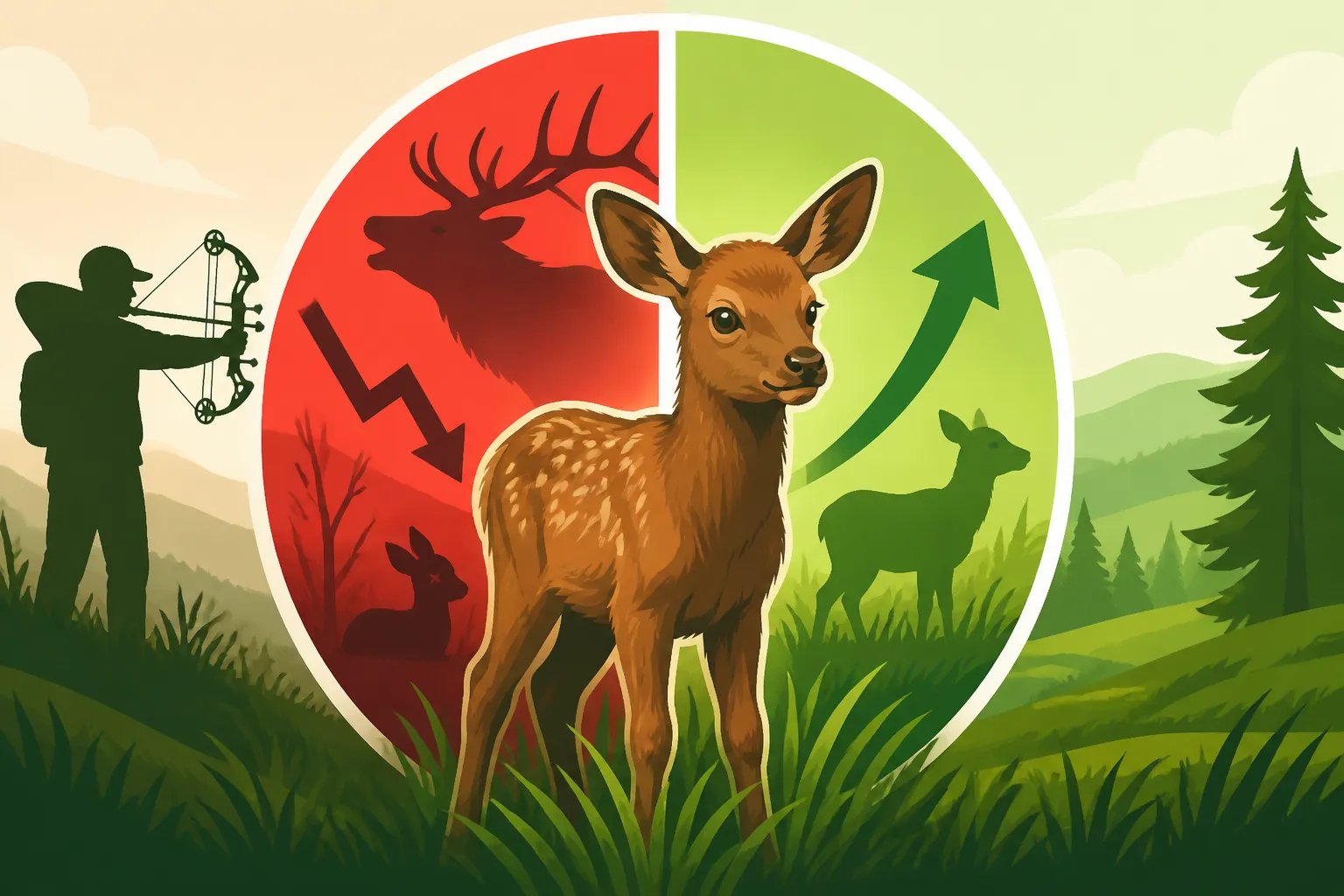
Kentucky Elk Calf Survival Rates
The future of Kentucky's elk herd, one of the most successful reintroductions east of the Mississippi, hinges significantly on the survival of its youngest members: the calves. It's a real challenge for conservationists and hunters alike to understand the delicate balance that allows these vulnerable animals to thrive. This comprehensive guide will peel back the layers, exploring the many factors that influence Kentucky's elk calf survival rates, from natural threats to environmental conditions and the vital role of ongoing management efforts.
Factors Affecting Elk Calf Survival in Kentucky
Understanding what helps or hinders elk calf survival is like looking at a complex ecological puzzle. Kentucky's landscape, particularly in the southeastern coalfields where the elk thrive, presents a unique set of circumstances that directly impact these young animals. Their first few weeks and months are the most precarious, and a multitude of factors play a crucial role in whether they make it to adulthood.
Predation Pressures on Young Calves
Predation is a natural, albeit sometimes harsh, reality for any wild ungulate population, and Kentucky's elk are no exception. While adult elk are formidable animals, their calves are born small and relatively defenseless. Black bears, which also have a significant presence in southeastern Kentucky, are known opportunistic predators of newborn elk calves. A sow bear emerging from her den with cubs of her own is often on the lookout for easily accessible protein, and a vulnerable calf fits that bill perfectly.
Coyotes, another common predator across Kentucky, also pose a threat, particularly to very young or weakened calves. While a single coyote might struggle with a healthy, alert calf, packs can be more effective. It's not about eradication, as these predators are part of the ecosystem, but rather about understanding their impact within the broader context of calf survival. Factors like calf vigor at birth, the cow's attentiveness, and the density of cover available to hide newborns all play a part in a calf's ability to evade a lurking predator. Wildlife biologists spend considerable time studying these dynamics to get an accurate picture of the extent of predation.
Habitat Quality and Nutrition
The health of a calf starts long before it's born, with the nutrition of its mother. A cow elk that has access to high-quality forage throughout the year, especially during gestation, is much more likely to give birth to a strong, healthy calf. Kentucky's Elk Viewing in the Restoration Zone often showcases areas where elk can be seen browsing on various plants. The reclaimed mine lands, while sometimes perceived as barren, often feature lush clover and grass plots specifically planted for wildlife, alongside natural browse from growing forest edges.
These prime feeding areas provide the essential vitamins, minerals, and energy cows need. When forage is scarce, or of poor quality, cows may enter calving season in less than optimal condition, potentially leading to smaller, weaker calves that are more susceptible to disease and predation. Furthermore, good habitat provides ample cover for calving and hiding newborns. Dense thickets, standing timber, and tall grasses offer camouflage and protection from both predators and harsh weather, increasing a calf's chances of survival. Understanding and managing habitat is a cornerstone of ensuring a robust future for Kentucky's Record Elk Herd.
Disease and Environmental Stressors
Disease can silently impact calf survival, often more subtly than predation. Calves, with their developing immune systems, can be vulnerable to various pathogens. While Kentucky's elk herd generally remains healthy, biologists constantly monitor for potential issues that could impact calf survival rates. Environmental stressors, like prolonged periods of extreme cold and wet weather during calving season, can also take a toll. A late spring snow or a week of relentless rain and cold can lead to hypothermia in newborns, especially if they are not robust or if suitable protective cover is lacking.
Parasites, though often not immediately fatal, can weaken calves, making them more susceptible to other diseases or less able to escape predators. The interplay between nutrition, environmental conditions, and disease resistance is critical. Strong, well-nourished calves are naturally more resilient against these stressors. Continuous monitoring and data collection, sometimes utilizing specialized tools much like hunters use GoHunt for scouting, help conservation agencies identify trends and potential threats, allowing them to adapt management strategies as needed.
Challenges to Calf Survival in the Elk Zone
Even with dedicated conservation efforts, Kentucky's elk calves face distinct challenges within their unique environment. From human influences to unpredictable weather, these hurdles require ongoing attention and strategic management to mitigate their impact. The goal is always to support a healthy and expanding population, which depends heavily on calves making it through their first year.
Human-Wildlife Interactions
As the Kentucky elk population estimate continues to show a thriving herd, the interface between humans and elk inevitably grows. While most interactions are positive, contributing to tourism and hunting opportunities, some can negatively affect calf survival. Road mortality, for example, can impact cows, which then leaves calves orphaned and with a severely diminished chance of survival. Poaching, though actively combated by wildlife agencies, also removes breeding females from the population, directly impacting future calf crops.
Disturbance from human activity, particularly during calving season, can also be detrimental. If a cow feels pressured or threatened, she might abandon her calf, or separate from it prematurely, leaving it exposed to predators or the elements. While ethical hunters adhere strictly to regulations and respect wildlife, general human presence in sensitive calving areas needs to be managed carefully. The Kentucky Department of Fish and Wildlife Resources works hard to educate the public on how to coexist with these magnificent animals, aiming to minimize negative impacts.
Weather Extremes and Their Impact
Kentucky weather can be notoriously unpredictable, and extremes can certainly challenge young elk calves. A mild winter often means cows enter spring in better condition, which is a good start. However, sudden cold snaps, heavy rains, or late-season snowfalls can be devastating to calves born in the early part of the calving season. These newborns have very little fat reserve and are highly dependent on their mothers for warmth and milk. Prolonged periods of adverse weather can lead to hypothermia, particularly if the cows are not able to find adequate shelter for their offspring.
Conversely, unusually hot and dry summers can also create stress. Drought conditions can reduce forage quality and availability, impacting a cow's milk production and a calf's growth. Access to water becomes critical. While elk are hardy animals, extreme weather events test the limits of their natural resilience, making calf survival more tenuous during certain years. This variability underscores the importance of a strong, healthy baseline population to weather these fluctuations.
The Role of Herd Density
Kentucky's elk herd has grown substantially since its reintroduction, leading to higher densities in certain parts of the Hunting Kentucky's Elk Restoration Zone. While a large herd is a conservation success, too high a density can sometimes introduce its own set of challenges for calf survival. Overpopulation can lead to increased competition for prime forage, potentially reducing the nutritional intake for pregnant cows and growing calves. This can result in smaller calves, lower birth weights, and increased vulnerability.
Higher densities can also facilitate the spread of diseases among the herd. While the current management in Kentucky aims for healthy population levels, continuous monitoring of herd health and density is crucial. Tools used by wildlife managers to monitor these trends are quite sophisticated. Hunters also play a role in managing herd numbers through regulated harvests, which is a key part of the Kentucky Elk Quota Hunt Rules. Balancing herd density with habitat capacity is a delicate act that directly influences the long-term sustainability and calf survival rates within the population.
Conservation Efforts and Management Strategies
The thriving elk population in Kentucky isn't a happy accident; it's the result of decades of thoughtful planning, dedicated work, and adaptive management. These conservation efforts are critical, especially when it comes to supporting the survival of vulnerable elk calves and ensuring the long-term health of the herd.
Monitoring and Research Programs
The Kentucky Department of Fish and Wildlife Resources (KDFWR) runs extensive monitoring and research programs to keep a pulse on the elk herd. This isn't just about counting elk; it's about understanding the nuances of their lives, including calf survival. Biologists regularly conduct surveys to estimate population numbers and gauge recruitment, which is the number of young animals that survive to join the breeding population. They also capture and collar a percentage of elk, including some calves, to track their movements, understand habitat use, and identify causes of mortality.
This data is invaluable. For instance, if calf mortality appears unusually high in a specific area or year, researchers can investigate whether predation, disease, or habitat limitations are the primary drivers. This constant feedback loop helps refine management strategies. These programs often use advanced GPS and satellite telemetry, much like a serious hunter uses mapping applications such as GoHunt to plan their scouting routes and track game movement. The information gathered directly informs decisions about hunting quotas, habitat projects, and disease prevention, all geared toward a healthy and self-sustaining herd. For those interested in the application process, understanding Applying for a Kentucky Elk Permit means supporting these management efforts through license fees.
Habitat Improvement Initiatives
You can't have a healthy elk herd without healthy habitat, and that's especially true for the sensitive period of calf rearing. KDFWR, often in partnership with other agencies and private landowners, is continuously engaged in habitat improvement initiatives across the elk zone. This includes planting beneficial forage species like clover and various grasses on reclaimed mine lands, which provides crucial nutrition for pregnant cows and growing calves. Think about it: a well-fed cow produces more milk and a stronger calf.
Beyond food, these initiatives focus on providing diverse cover. Dense thickets and stands of trees offer hiding places for newborn calves to avoid predators, as well as protection from harsh weather. Creating and maintaining water sources, like ponds or wetlands, is also part of the picture, especially during dry spells. These efforts don't just benefit elk; they create a richer, more diverse ecosystem for many other species in the region. Maintaining these robust environments is essential for supporting Kentucky's Black Bear Population and other wildlife that share the same landscape.
Hunter Harvest Management
Regulated hunting plays a vital role in managing Kentucky's elk herd, and surprisingly, it contributes to calf survival indirectly. The KDFWR carefully sets hunting quotas for Kentucky Elk Quota Hunt Rules each year, aiming to maintain the herd within healthy ecological and social carrying capacities. By managing overall herd numbers, particularly the cow population, hunters help to ensure that there's enough quality forage and resources for the remaining animals.
When a herd becomes too dense, competition for food can increase, potentially leading to poorer nutrition for breeding cows, which then impacts calf health and survival. Controlled harvests help prevent overpopulation, reduce the spread of disease, and maintain a balanced sex ratio, all of which contribute to a more resilient and productive herd. Hunters who are drawn to the challenge of Hunting Kentucky's Record Elk Herd are, in essence, partners in conservation, providing not just funding through license sales but also participating in the active management of this magnificent resource. The success of the herd is a testament to this holistic approach.
The Future of Kentucky's Elk Herd
Kentucky has become a true elk success story, a testament to what dedicated conservation and smart management can achieve. But like any wild population, its future is dynamic, constantly influenced by a myriad of factors. Understanding these dynamics, especially as they pertain to elk calf survival rates, is key to ensuring that future generations can also experience the thrill of Hunting Kentucky's Record Elk Herd.
Impact on Elk Population Growth
Healthy calf survival rates are the engine of population growth for Kentucky's elk. When a high percentage of calves make it through their first year, the overall herd increases in size and vitality. This directly contributes to the herd's expansion into new suitable habitats within the Hunting Kentucky's Elk Restoration Zone and helps maintain a robust population that can withstand natural fluctuations like harsh winters or localized disease outbreaks. The ability of the herd to recruit new individuals effectively is monitored closely by KDFWR biologists as part of their Kentucky Wildlife Disease Monitoring.
A consistent high rate of calf recruitment ensures that there's a strong pipeline of young elk entering the breeding population, securing the future of the herd for decades to come. Conversely, a significant drop in calf survival would be a red flag, indicating potential underlying issues that need immediate attention, whether it be habitat degradation, increased predation, or emerging health concerns. The ongoing success of the elk reintroduction hinges on maintaining these strong survival rates.
Sustainable Hunting Opportunities
For many, the ultimate goal of a healthy elk herd is the opportunity to participate in a sustainable hunt. With robust calf survival leading to a growing and thriving population, Kentucky can continue to offer some of the most sought-after elk hunting permits in the eastern United States. These Kentucky Elk Quota Hunt Rules are carefully crafted based on population data, including calf survival rates, to ensure that harvests are sustainable and do not jeopardize the long-term health of the herd.
A strong influx of young elk into the population allows for consistent hunting opportunities, balancing the number of tags issued with the herd's ability to replenish itself. This ensures that the elk resource remains available for future generations of hunters. Whether you're applying for a bull, cow, or either-sex permit, your chance at drawing one is intrinsically tied to the overall health and growth of the herd, which, as we've discussed, starts with those vulnerable calves. Utilizing resources like GoHunt to understand game movement and habitat characteristics further enhances the hunting experience and respect for the resource.
Ongoing Research Needs
While much has been learned about Kentucky's elk herd, the work is never truly done. Ongoing research is essential to adapt to changing environmental conditions, new threats, and evolving understandings of elk ecology. Future studies might delve deeper into specific calf mortality factors, exploring genetic influences on calf vigor, the impact of changing forest compositions on hiding cover, or the long-term effects of climate variability on forage availability and disease prevalence.
Researchers might also investigate the social dynamics of the herd as it continues to expand, or how Kentucky's Seven Elk Hunting Units can be managed even more effectively to maximize both herd health and recreational opportunities. This continuous quest for knowledge ensures that management strategies remain proactive and effective. It's a testament to the dedication of wildlife professionals and the collaborative spirit of Kentucky's hunting and conservation community that this herd is not just surviving but truly flourishing.
| Factor Affecting Calf Survival | Impact Level | Description |
|---|---|---|
| Predation (Bears, Coyotes) | High | Direct mortality, especially on newborns or weakened calves. |
| Maternal Nutrition | High | Influences calf birth weight, vigor, and disease resistance. |
| Habitat Cover | High | Provides concealment from predators and protection from weather. |
| Disease & Parasites | Medium | Can weaken calves, making them vulnerable to other threats. |
| Weather Extremes | Medium | Hypothermia or heat stress can cause direct mortality, especially for newborns. |
| Human Disturbance | Low-Medium | Can lead to calf abandonment or separation from mother. |
| Herd Density | Low-Medium | High density can increase competition for resources and disease spread. |
Disclaimer
This article is for general informational purposes only and does not constitute professional advice. Laws, prices and regulations vary by location and change over time. Consult a qualified professional for guidance on your specific situation.