Applying for a Kentucky Elk Permit
Dreaming of chasing a majestic bull elk through the rolling hills of southeastern Kentucky? You're not alone. Drawing a Kentucky elk permit is one of the toughest, most coveted tags in the country, and for good reason—our elk herd is truly something special. But navigating the application process can feel like trying to find a needle in a haystack if you're not familiar with the system. This comprehensive guide is here to demystify every step, from understanding permit types to boosting your draw odds, helping you get closer to that once-in-a-lifetime hunt.
Understanding the Kentucky Elk Hunt Program
Kentucky's elk program is a conservation success story, and it's built on a foundation of careful management by the Kentucky Department of Fish and Wildlife Resources (KDFWR). The opportunity to hunt these incredible animals is a privilege, but it’s also highly competitive. Understanding the program's structure is your first step toward applying successfully.
Why Kentucky Elk Are So Special
Let's be honest, talking about Kentucky elk often brings a sparkle to a hunter's eye. And for good reason! The restoration of elk in Kentucky is nothing short of remarkable. Decades ago, these magnificent creatures were extirpated from the state. But thanks to dedicated conservation efforts starting in the late 1990s, our herd has not only returned but has thrived, becoming the largest elk herd east of the Mississippi River. We're talking about a healthy, growing population that offers incredible hunting opportunities for those lucky enough to draw a tag.
It's this very success, however, that makes the draw so incredibly competitive. Every year, thousands upon thousands of hunters, both residents and non-residents, throw their hats in the ring for a chance at one of the limited permits. The quality of the animals, particularly the bulls, is top-notch, with hunters consistently taking animals that would be considered trophies anywhere else. This unparalleled quality and the sheer uniqueness of Kentucky's Record Elk Herd right here in Appalachia are precisely why so many of us dream of hearing a bugle echo through the mountains. You truly feel like you're stepping back in time when you're in the elk zone.
Overview of Permit Types and Quotas
When you're looking at the application, you'll notice there isn't just one "elk permit." The KDFWR carefully manages the herd through specific permit types and quotas, designed to maintain herd health and provide diverse hunting experiences. Generally, permits are divided into three main categories: Bull Firearm, Cow Firearm, and Either-Sex Archery/Crossbow. Each category has its own allocation, and the number of permits issued each year is relatively small, usually hovering around 500 total permits across all types.
The Bull Firearm permits are, as you might expect, the holy grail for many hunters. These are for taking an antlered bull elk with a modern firearm during a specific season. Cow Firearm permits allow you to harvest a cow elk, which is a fantastic opportunity for meat hunters and contributes significantly to herd management by controlling population growth. Then there are the Either-Sex Archery/Crossbow permits, which offer a unique challenge and a longer season, allowing you to harvest either a bull or a cow using archery equipment or a crossbow. Each of these categories has distinct hunt windows, often spread across different weeks in the fall, providing hunters with various opportunities depending on their preferred method and target animal. It’s vital to understand these distinctions when you apply, as your choice will dictate your hunt experience. Learning more about Bull, Cow and Either-Sex Elk Permit Types will give you a clearer picture of what you're applying for.
Eligibility and Basic Requirements for Applicants
Before you even think about hitting that "submit" button, it's crucial to understand the foundational requirements for applying for a Kentucky elk permit. Overlooking a simple detail can quickly disqualify your application, turning excitement into frustration. Let’s make sure you’re squared away on the essentials.
Resident vs. Non-Resident Status
One of the biggest factors influencing your chances in the Kentucky elk draw is your residency status. Kentucky, like most states with highly sought-after big game permits, prioritizes its residents. As a Kentucky resident, you'll be competing in the primary pool for the vast majority of permits. To qualify as a resident, you generally need to have resided in Kentucky for at least 30 days immediately prior to applying for a license or permit. This isn't just a casual thing; it means living here, paying taxes here, and having a Kentucky driver's license, among other criteria that prove your bona fide residency.
For our friends and fellow hunters who don't call the Bluegrass State home, there's still a chance, but it's significantly tougher. Non-residents are typically allocated a smaller percentage of the total permits, usually around 10%. This means the competition is incredibly fierce, with potentially thousands of non-resident applicants vying for a handful of tags. It's not impossible to draw as a non-resident, but you need to be realistic about the odds. Whether you're considering Kentucky Resident Hunting License Options or exploring Kentucky Nonresident Hunting License Options, ensure your residency status is clear and correctly documented well before the application window opens.
Hunter Education and License Prerequisites
Beyond residency, there are a couple of other critical requirements that you absolutely cannot overlook. First and foremost, unless you fall into a very specific exemption category (like being born before January 1, 1975), you'll need to have successfully completed a hunter education course. This is a statewide mandate for anyone hunting with a firearm or archery equipment, and it's designed to ensure all hunters have a foundational understanding of safety, ethics, and wildlife conservation. If you haven't taken it yet, there are in-person classes and online options available, but plan ahead as they can fill up, especially closer to hunting seasons.
Secondly, to even be eligible to apply for an elk permit, you must possess a valid annual Kentucky hunting license at the time of application. This isn't the elk permit itself, but rather the general license that allows you to legally hunt other game in Kentucky. Think of it as your entry ticket to the lottery. Without it, your elk permit application won't even be considered. This often catches new applicants off guard, so don't make that mistake! Make sure your base license is current and purchased before you even think about submitting your elk permit application. You can find all the details on requirements like Kentucky Hunter Education Requirements on the KDFWR website.
Navigating the Application Process Step-by-Step
Applying for a Kentucky elk permit might seem daunting, but once you break it down, it's a fairly straightforward online process. The key is to be meticulous, understand each choice, and pay close attention to deadlines. Let’s walk through it together.
The Kentucky Department of Fish and Wildlife Resources KDFWR Portal
Your journey to a Kentucky elk permit begins and ends on the Kentucky Department of Fish and Wildlife Resources (KDFWR) website. This is the official hub for all hunting and fishing licenses, permits, and application processes. If you've never used it before, your first step will be to create an account. This typically involves providing personal information like your name, address, and date of birth, and creating a unique ID and password. If you've purchased a hunting or fishing license in Kentucky before, chances are you already have an account, and you'll just need to log in.
Once you're logged into the portal, you'll navigate to the "Licenses and Permits" section and look for the specific link related to the elk quota hunt application. The KDFWR does an excellent job of making this accessible and generally easy to find during the application window. The portal is designed to guide you through each step, making sure you don't miss any critical information or selections. Just remember that the KDFWR is the sole authority managing this draw, so ensure you're using their official site for all your application needs. Keeping an eye on the KDFWR news and announcements is also wise, as they will clearly state when the Kentucky Elk Application Window Dates are open.
Selecting Your Permit Choices
This is where the rubber meets the road. After you’ve entered your personal information, the system will present you with your permit choices. You'll typically be asked to select the type of permit you're applying for – whether it's Bull Firearm, Cow Firearm, or Either-Sex Archery/Crossbow. This is not a "choose all that apply" situation; you'll typically select one primary permit type for which you want to be considered. Some years there might be options for a second or third choice with a different preference point structure, so always read the current year's regulations very carefully.
A crucial element here is the preference point system. Kentucky employs a system where if you apply for an elk permit and are unsuccessful, you automatically receive one preference point for the next year's draw. These points accumulate, and while they don't guarantee a tag, they significantly improve your odds in future draws. When selecting your choices, you'll see options to either apply for a permit and gain a preference point if unsuccessful, or sometimes an option to only purchase a preference point without being entered into the draw. The latter is a strategy often used by hunters who know their odds are low and prefer to build points for a future year. Always double-check your selections before moving forward, as a mistaken click could mean applying for a permit you didn't intend or missing out on a valuable preference point.
Here's a quick look at the main permit types you'll typically encounter:
| Permit Type | Eligible Target Animal | Weapon Type | Typical Season Timing |
|---|---|---|---|
| Bull Firearm | Antlered Bull | Modern Firearm | Mid-October |
| Cow Firearm | Cow Elk | Modern Firearm | Late September / December |
| Either-Sex Archery/Crossbow | Bull or Cow | Archery / Crossbow | Early September – Mid-October |
Note: Specific dates and permit numbers can change annually; always consult current KDFWR regulations.
Understanding Preference Points and Draw Odds
Ah, preference points – the currency of the elk draw. As mentioned, for every year you apply for an elk permit and are unsuccessful, you accrue one preference point. These points are then factored into subsequent draws, essentially giving you a slight advantage over applicants with fewer points. The more points you have, the better your chances statistically. However, it’s important to understand that having preference points doesn't mean you're guaranteed a tag; it just means you're moving up the priority ladder.
Kentucky's draw is a true lottery, even with points. Each year, a certain number of permits are allocated to those with the most points, but a significant portion are also drawn randomly from the entire pool of applicants, regardless of points. This means someone applying for the very first time could theoretically draw a tag. However, the vast majority of tags, especially the coveted Bull Firearm permits, go to hunters who have accumulated multiple preference points over many years. It's a game of patience and persistence. Many hunters religiously apply year after year, sometimes for a decade or more, solely to build their point totals. For a deeper dive into the mechanics and to analyze past draw results, using a platform like GoHunt can be invaluable. Their insights into historical data can help you gauge your true Kentucky Elk Preference Point System odds and inform your application strategy.
Key Dates, Fees, and Common Pitfalls
Applying for an elk permit isn't just about understanding the permit types and preference points; it's also about adherence to critical timelines and avoiding common errors that could derail your efforts. A missed deadline or overlooked detail can be the difference between a successful application and a year of regret.
Critical Application Deadlines and Draw Dates
This cannot be stressed enough: mark your calendar! The Kentucky elk permit application window is typically quite specific, usually opening in April and closing in May. These dates are firm, and there are no exceptions for late applications. If you miss the deadline, you miss your chance for that year, plain and simple. I’ve seen countless hunters, myself included, who've kicked themselves for letting the application window slip by. The KDFWR website and social media channels will announce the exact dates well in advance, so keep an eye out.
Once the application window closes, the KDFWR conducts the random draw. The results are usually announced sometime in June. You'll often receive an email notification if you've been drawn, but it's always a good idea to log back into your KDFWR account on the announced results date to check your status directly. The anticipation during this waiting period can be agonizing, but knowing exactly when to expect results helps manage the suspense. Staying informed about the Kentucky Quota Hunt Application Window is your absolute best defense against missing out.
Application Fees and Post-Draw Costs
There's no free lunch, and applying for an elk permit is no exception. Each application for an elk permit comes with a non-refundable fee. This fee is typically fairly modest, designed to cover the administrative costs of running the draw and managing the elk program. It’s important to remember that this fee is not for the permit itself; it's merely for the opportunity to enter the drawing. Whether you're successful or not, that application fee is gone.
If, by some stroke of luck and accumulated preference points, you are successfully drawn, then you'll need to purchase the actual elk permit. The cost of this permit is significantly higher than the application fee, reflecting the value of the tag. Kentucky offers different pricing for residents and non-residents, with non-resident tags typically being considerably more expensive. Once drawn, there will be a specific deadline by which you must purchase your permit. Failing to do so will result in forfeiture of your permit, and it will likely be offered to an alternate. So, if you're drawn, be prepared for this additional cost and be ready to act quickly. Understanding Kentucky Elk Quota Hunt Rules will clarify all associated costs and deadlines.
Avoiding Common Mistakes
It’s easy to get caught up in the excitement, but a few common mistakes can ruin an otherwise perfect application. The first and most frequent error is simply missing the application deadline. Set multiple reminders on your phone, calendar, or even ask a hunting buddy to remind you! Another common pitfall is incorrectly selecting your permit types. Make sure you understand the difference between Bull Firearm, Cow Firearm, and Archery/Crossbow, and apply for the one you truly desire. Don't assume you can change it later.
A less obvious mistake is neglecting to ensure your base hunting license is current before you apply for the elk permit. The system usually flags this, but it's an unnecessary headache. For those who move or change contact information, always update your KDFWR account. Imagine being drawn and missing the email notification because it went to an old address! Finally, if you are drawn, the absolute worst mistake would be to miss the deadline for purchasing your actual permit. It’s an easy mistake to make when the excitement is high and you’re busy making hunt plans. Always triple-check everything before submitting and be prepared for the financial commitment if you win.
What Happens If You're Drawn (and If You're Not)
The moment of truth arrives, and the KDFWR releases the draw results. For some, it's a dream come true; for others, it's another year to build points and try again. Both outcomes lead to different paths, and knowing what to expect can help you prepare mentally and practically for either scenario.
If You're a Lucky Winner
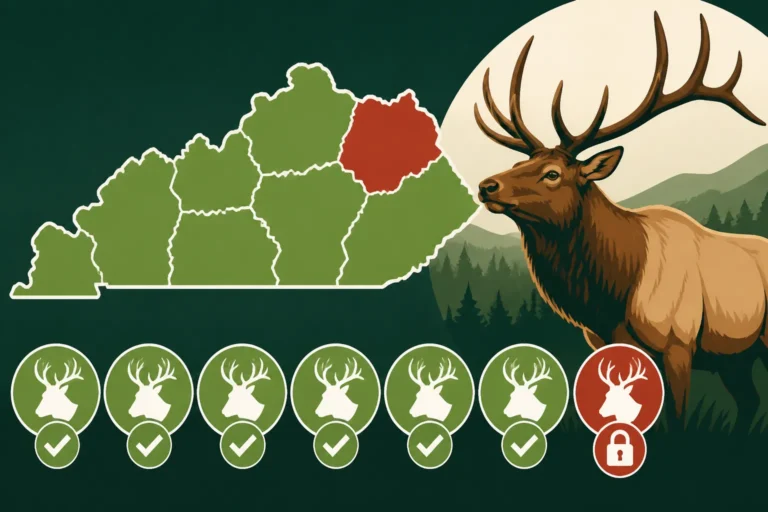
Congratulations, you drew a Kentucky elk permit! That initial rush of adrenaline is probably unmatched. Now, the real work begins. Your first step, as mentioned, is to promptly purchase your elk permit through the KDFWR online portal by the specified deadline. Do not delay! Once that's handled, you need to dive deep into planning your hunt. Kentucky's elk herd is managed across specific geographic areas known as Kentucky's Seven Elk Hunting Units. Your permit will be valid for a particular unit, and understanding the terrain, access points, and elk behavior within that unit is paramount.
This is the time to immerse yourself in maps – topographic, aerial, and public land boundaries. Scouting, if possible, is highly recommended. Spend time familiarizing yourself with the unit, looking for potential bedding areas, feeding grounds, and water sources. Consider the time of year your hunt falls in; early season archery hunts will differ greatly from late-season firearm hunts. Invest in good optics, reliable gear, and ensure your chosen weapon is sighted in and you're proficient with it. This is a special hunt, so treat it as such. Utilize resources like GoHunt for detailed unit information, including historical harvest data, public land access maps, and even terrain analysis to give you an edge in your planning.
What to Do If You're Unsuccessful
For the vast majority of applicants, the draw results will bring disappointment. It's tough, I know. It's easy to feel disheartened, especially if you've been applying for years. But here’s the critical takeaway: don't despair! Every unsuccessful application earns you another preference point. This isn't just a consolation prize; it's an investment in your future draw odds. Each point you accumulate statistically increases your chances for the next year. It's a long game, and persistence truly pays off.
Instead of focusing on the immediate disappointment, shift your mindset to strategy. Confirm that you received your preference point for the year – it should show up in your KDFWR account. Then, start thinking about next year's application. Would you apply for the same permit type, or switch to one with potentially better odds? Could you commit to another year of building points by only applying for a point? Also, drawing an elk permit isn't the only way to experience incredible hunting in Kentucky. Use the off-season to plan for other exciting opportunities, whether it's chasing big whitetails, calling in spring gobblers, or focusing on Scouting Kentucky Public Land Before Season for a different adventure. The woods of Kentucky always offer something to pursue, and your elk dream is still very much alive, just a few more preference points away.
Important Legal Notice
The information provided in this guide is for general informational purposes only and is subject to change. Hunting regulations, season dates, permit quotas, and application procedures are established by the Kentucky Department of Fish and Wildlife Resources (KDFWR) and can be modified annually. It is the sole responsibility of the hunter to review and comply with all current Kentucky hunting laws and regulations before applying for any permit or engaging in any hunting activity. Always consult the official KDFWR website and current hunting guides for the most accurate and up-to-date information.