Kentucky Quota Hunt Application Window
It's incredibly frustrating when you're meticulously planning your hunting season, only to realize you've completely missed the application window for a highly coveted quota hunt. The dream of chasing a giant Kentucky whitetail or a bugling bull elk can vanish in an instant if you don't know the exact timelines. This guide is here to cut through the confusion, offering a comprehensive look at Kentucky's quota hunt application windows, processes, and how you can stay on top of these critical deadlines.
Understanding Kentucky's Quota Hunt System
Kentucky, like many states, utilizes a quota hunt system to manage game populations, distribute hunting pressure, and offer unique opportunities in specific areas or for particular species. It's not just about drawing a tag; it's about drawing a chance at a more controlled, often higher-quality hunting experience. For many, these hunts represent the pinnacle of their annual hunting aspirations.
What Exactly is a Quota Hunt?
At its heart, a quota hunt is a limited entry hunt designed to cap the number of hunters in a specific area, or for a specific species, during a defined season. Unlike general statewide hunting seasons where anyone with a valid license and tag can participate, quota hunts require a separate application and are typically awarded through a lottery or draw system. This system serves several vital purposes. First, it helps prevent overcrowding, which can quickly degrade the quality of the hunting experience and increase safety concerns, especially on popular public lands. Imagine hundreds of hunters converging on a single ridge—quota hunts prevent that chaos. Secondly, it's a critical tool for wildlife management, allowing the Kentucky Department of Fish and Wildlife Resources (KDFWR) to precisely control harvest numbers in sensitive areas or for species with smaller, recovering, or highly sought-after populations, such as elk.
These hunts often focus on specific management objectives, whether it's reducing deer densities in agricultural zones, offering trophy opportunities, or providing access to unique parcels of land. The KDFWR carefully analyzes population data, habitat conditions, and hunter demand to determine the number of permits available and the specific rules for each hunt. The limited nature of these permits is precisely what makes them so desirable, as success rates can sometimes be higher due to reduced competition and managed populations.
Which Species and Areas Have Quota Hunts?
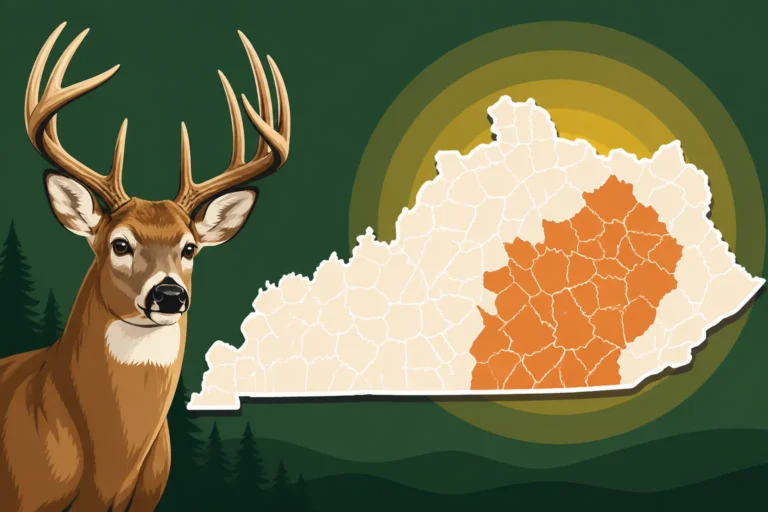
When we talk about Kentucky's quota hunts, several species immediately come to mind, each with its own specific draw periods and locations. The most prominent, and arguably most competitive, is the elk lottery. Kentucky boasts the largest elk herd east of the Mississippi River, and securing one of these coveted permits is a once-in-a-lifetime opportunity for many hunters. These hunts are exclusively within the designated Elk Restoration Zone in Eastern Kentucky's coalfield country, spanning multiple counties and offering both bull and cow firearm, archery, and crossbow permits. Applying for a Kentucky Elk Quota Hunt Rules can be a complex endeavor, but the payoff can be immense.
Beyond elk, deer quota hunts are prevalent, often on specific Wildlife Management Areas (WMAs) or State Parks that have limited access or unique management needs. These hunts can range from early season archery opportunities to late-season firearm hunts, providing diverse experiences. For instance, some WMAs might host specific firearm hunts to reduce doe numbers, while others might offer specialized archery-only weekends to minimize pressure. Similarly, spring turkey quota hunts are offered on select WMAs, ensuring a quality experience for those drawn, as overcrowding can quickly make turkey hunting challenging. These limited-entry turkey hunts help prevent over-harvesting on smaller, intensively managed public lands, offering a more serene and strategic hunt than might be found in general statewide seasons. It's crucial to consult the KDFWR hunting guide each year for the most up-to-date list of areas and species included in the quota hunt drawings, as these can change based on management needs and population assessments.
Navigating the Kentucky Quota Hunt Application Window
The application window is arguably the most critical piece of information for any aspiring quota hunter. Miss it, and you're out of luck for an entire year. It’s not just about knowing when to apply, but also understanding the rhythm and reasons behind these specific timelines.
Key Application Dates and Deadlines
The Kentucky Department of Fish and Wildlife Resources (KDFWR) typically sets distinct application periods for different species, and these windows are non-negotiable. For the much-anticipated elk lottery, the application period traditionally opens in early January and closes around late April. This gives hunters a solid four-month window to get their applications in, but don't let that fool you into complacency; those months fly by. Applying for a Kentucky Elk Permit requires careful attention to detail within this timeframe. Deer and turkey quota hunts, often held on specific WMAs or State Parks, usually have their application windows later in the year, often spanning through June, July, and sometimes into August. These are often separate draws from the statewide deer and turkey permits you purchase over-the-counter.
It's absolutely paramount to mark these dates on your calendar, set multiple reminders, and even enlist a hunting buddy to give you a nudge. The KDFWR website is the official source for these dates, and they are updated annually. Many hunters make it a point to check the KDFWR's "What's New" section or sign up for their email newsletters to get direct notifications. Missing a deadline, even by an hour, means forfeiture of any chance to participate in that year's drawing for that specific hunt. There are no extensions, no exceptions, and no second chances once the portal closes. The system is automated, precise, and unforgiving in this regard, making proactive planning essential for anyone hoping to secure a special tag.
The Importance of Early Application
While the application window often spans several weeks or months, submitting your application well before the deadline is a simple, yet highly effective, strategy to avoid unnecessary stress and potential pitfalls. Waiting until the last minute is a recipe for disaster. Imagine trying to log into the KDFWR portal on the closing day, only to find the system bogged down by thousands of other last-minute applicants. Website crashes, slow loading times, or payment processing errors are all very real possibilities that can prevent your application from going through. These technical glitches are rare, but they do happen, and the KDFWR is typically clear that technical issues on the applicant's end or due to high traffic near the deadline are not grounds for an extension.
Submitting early also gives you ample time to double-check all your information, ensure you've selected the correct hunt codes, and verify your payment details. You don't want to realize at 11:59 PM on deadline day that your credit card has expired or that you accidentally applied for a cow elk permit when you meant to apply for a bull. Moreover, early application allows you to avoid the general anxiety that accompanies high-stakes deadlines. Many dedicated hunters use platforms like GoHunt to keep track of these dates, set custom reminders, and even analyze previous year's draw odds to refine their strategy. It offers peace of mind knowing your application is in the system, validated, and ready for the draw, freeing you up to focus on other aspects of your hunting preparation, like scouting or gear maintenance.
The Application Process and What to Expect
Once you know when to apply, the next step is understanding how to apply. The process, while primarily online, still requires attention to detail to ensure your submission is valid.
Step-by-Step Application Guide
The entire process for applying for Kentucky's quota hunts is conducted through the KDFWR's online license and permit system. First, you'll need to have an active Kentucky hunting license. If you don't already have one, you'll need to purchase a Kentucky Hunting Licenses and What They Cost before you can even think about quota hunts. Once your base license is secured, navigate to the KDFWR website and locate the "Licenses & Permits" section, then usually a specific link for "Quota Hunts" or "Special Hunt Applications." You'll need to log in to your existing KDFWR account, or create one if you're a first-time applicant. This account links directly to your hunter ID number, ensuring all your applications and records are in one place.
Once logged in, you'll typically see a list of available quota hunts for the current season. These will be categorized by species (deer, elk, turkey), hunt type (archery, crossbow, modern gun, muzzleloader), and specific locations (WMA names, State Parks). Carefully review each option. For elk, you'll choose between bull, cow, or either-sex permits, and sometimes specific seasons or weapon types. For deer and turkey, you'll select the specific WMA or location and the designated hunt period. Read the hunt details thoroughly – they often contain crucial information about bag limits, legal equipment, and specific access rules. For example, some hunts might be Hunting the Kentucky Youth Firearms Season only, or require a Kentucky WMA Permit Requirement in addition to the hunt tag. After making your selections, you'll proceed to a secure payment portal where you'll pay a non-refundable application fee for each hunt application. Always confirm your selections and payment before final submission, as corrections after submission are often not possible.
Understanding the Draw Odds and Results
Once your application is submitted, it's a waiting game. Kentucky's quota hunts are, at their core, a lottery. This means that every eligible applicant has an equal chance, or a chance determined by a preference point system, of being drawn for a permit. The competition can be fierce, especially for highly sought-after hunts like Kentucky elk permits. The number of applications far outweighs the limited number of tags available, leading to very low draw odds for some hunts. For instance, the odds of drawing a bull elk tag can be in the single-digit percentages, if not less, highlighting just how special these opportunities are. Even for specific WMA deer hunts, the popularity can sometimes mean hundreds of applicants for only a handful of permits.
The KDFWR typically announces draw results several weeks or months after the application window closes. For elk, results are usually released in May or early June. For deer and turkey WMA hunts, results might come out later in the summer, depending on when the application period closed. You can usually check your draw status by logging back into your KDFWR online account. If you're one of the lucky few drawn, congratulations! You'll receive notification, and sometimes the permit will be available digitally or mailed to you. If you weren't drawn, don't despair. For elk, Kentucky operates a preference point system where unsuccessful applicants typically earn a preference point, increasing their odds in future draws. This system rewards persistence and is something many hunters value, often using tools like GoHunt to track their points and project future draw success. For deer and turkey quota hunts, a preference point system may not apply, meaning it's a fresh slate each year. Either way, learning the Kentucky Elk Quota Hunt Rules and understanding the odds can help manage expectations.
Maximizing Your Chances and Staying Informed
While the draw is ultimately a matter of luck, you can certainly improve your overall strategy and ensure you're in the best position to capitalize if you do draw a tag. It's about combining informed application with preparedness.
Researching Specific Quota Hunts
Simply applying for "an elk tag" isn't enough; you need to understand the specifics of each hunt opportunity. Dig deep into the KDFWR’s hunt descriptions, which often detail the terrain, habitat, and even past success rates for specific WMAs or elk units. For example, a quota hunt on a rugged, mountainous WMA in Eastern Kentucky will require different preparation and gear than a hunt in a flatter, agricultural area of Western Kentucky. Consider the weapon type: an archery-only hunt means you'll need to be proficient with your bow, while a modern gun hunt offers different range considerations.
Researching success rates can give you a realistic expectation, but remember that high success rates often indicate very challenging hunts where only the most skilled or lucky hunters succeed. Platforms like GoHunt and hunting forums can also provide anecdotal evidence, historical data, and discussions from other hunters who have experience with particular quota areas. Understanding the specific Kentucky Deer Management Zone Rules for a WMA can tell you about antler restrictions or antlerless opportunities. Knowing the season dates and potential weather conditions for that time of year, such as those that might apply to Kentucky Early Muzzleloader Tactics or Bowhunting Kentucky's Long Archery Season, will help you prepare your gear and develop a scouting plan. This deep dive into research not only improves your chances of success if drawn but also helps you make an informed decision on which hunts to apply for in the first place, ensuring you're applying for an experience you truly desire and are equipped for.
Strategies for Building Preference Points
For Kentucky's highly competitive elk quota hunts, the preference point system is a game-changer. It's not just a consolation prize for not drawing; it's a strategic asset. Each year you apply for an elk permit and are unsuccessful, you typically accrue one preference point. These points then factor into subsequent draws, theoretically increasing your odds of being selected in future years. The more points you have, the better your chances against applicants with fewer points, though it's still a random draw within point tiers. This system rewards long-term commitment and patience.
Therefore, even if you can't realistically commit to an elk hunt this year, consistently applying and accumulating preference points is a sound strategy for the future. Many hunters choose to apply annually, knowing that their chances will eventually climb to a more favorable level. It's an investment in future hunting opportunities. There are typically no bonus points for unsuccessful applicants in deer or turkey quota hunts in Kentucky; for those, it's a fresh draw each year. So, focus your preference point strategy specifically on elk, and make sure you understand how Kentucky Elk Quota Hunt Rules govern their accumulation and use. It’s important to note that if you are successfully drawn for an elk hunt, your preference points typically reset to zero, leveling the playing field for your next attempt.
Essential Tools for Tracking Deadlines and Information
Staying organized is paramount when dealing with multiple application windows, especially if you're applying for hunts in different states or for various species within Kentucky. The most fundamental tool is the official KDFWR website. It's your primary source for all regulations, season dates, and application portals. Regularly checking their "Hunting & Trapping" section, and specifically the "Draw Results" or "Special Hunts" pages, is non-negotiable. Subscribing to their email list is also a smart move, as they often send out timely reminders for upcoming deadlines and result announcements.
Beyond the official sources, many hunters leverage technology to keep everything straight. Calendar apps on your phone or computer can be set with multiple alarms for application opening and closing dates. Dedicated hunting apps and platforms, such as GoHunt, are also invaluable. GoHunt offers comprehensive state-by-state breakdowns of hunting regulations, draw odds, and application deadlines, often aggregating information in an easy-to-digest format. They can provide push notifications directly to your phone, ensuring you never miss a critical date. Investing in such a resource can literally save your season, preventing the heartbreak of realizing you're a day late and a dollar short on that dream hunt. Combine these digital tools with a good old-fashioned physical calendar in your hunting den, and you'll be well-equipped to navigate the complex world of Kentucky's quota hunt applications.
Typical Kentucky Quota Hunt Application Windows
Please note that these dates are generalizations based on typical patterns and are subject to change annually. Always verify the exact dates with the official Kentucky Department of Fish and Wildlife Resources (KDFWR) regulations.
| Species/Hunt Type | Typical Application Open | Typical Application Close | Typical Draw Results Release | Preference Point System |
|---|---|---|---|---|
| Elk Lottery (Bull, Cow) | Early January | Late April | Late May / Early June | Yes |
| WMA/State Park Deer Quotas | June | Late July / Early August | August / September | No |
| WMA/State Park Turkey Quotas | May / June | Late June / Early July | July | No |
Disclaimer
The information provided in this guide is for general informational purposes only and is not intended as legal advice or an official interpretation of hunting regulations. Kentucky hunting laws and regulations can change annually. It is the hunter's sole responsibility to consult the official Kentucky Department of Fish and Wildlife Resources (KDFWR) website and current year's hunting guide for the most accurate and up-to-date information regarding licenses, permits, seasons, and bag limits before engaging in any hunting activities.