Kentucky Quota Hunt Draw Odds
You’ve dreamt about it, no doubt. Pouring over maps, imagining that perfect hunt, whether it’s for one of Kentucky’s majestic elk or a special deer hunt on a prime piece of land. But then comes the moment to apply for one of those coveted quota hunt tags, and a wave of uncertainty hits you: what are the actual odds? It feels like throwing your name into a giant hat and hoping for the best, and the frustration of repeated rejections can really get to you. This comprehensive guide is here to unravel the mysteries of Kentucky’s quota hunt draw odds, offering insights and strategies to help you understand the system and maximize your chances for success.
Understanding Kentucky's Quota Hunt System
Kentucky offers some fantastic hunting opportunities, but some of the most sought-after experiences, especially for certain species or in specific areas, are managed through quota hunts. These aren't your everyday over-the-counter tags; they require an application, a fee, and a little bit of luck. It's a system designed to manage wildlife populations, control hunter numbers in sensitive areas, and provide high-quality hunting experiences.
What is a Quota Hunt Anyway?
At its core, a quota hunt is a limited-entry hunting opportunity. Unlike general season tags that anyone with a license can purchase, quota hunts restrict the number of hunters allowed to participate in a specific area or for a particular species during a set period. Think of it as exclusive access to prime hunting grounds or for species that need careful management, like Kentucky's booming elk herd. These hunts are primarily for species like elk, and for deer in specific locations such as state parks, certain Wildlife Management Areas (WMAs), or other managed areas that can't sustain unlimited pressure. They ensure a balanced ecosystem and a better hunting experience for those lucky enough to draw a tag.
Different Types of Quota Hunts in Kentucky
Kentucky's quota hunts mostly center around elk, but there are also special deer hunts that operate under similar lottery systems.
For elk, the primary quota hunts are divided into several categories:
- Bull Firearm Elk Season: These are the ultimate prize for many hunters, offering a chance at a magnificent bull elk with modern firearms. They are incredibly difficult to draw.
- Cow Firearm Elk Season: While not as glamorous as a bull tag, cow tags offer a fantastic opportunity to harvest an elk and fill your freezer. The draw odds for cow tags are typically better than for bull tags, though still challenging.
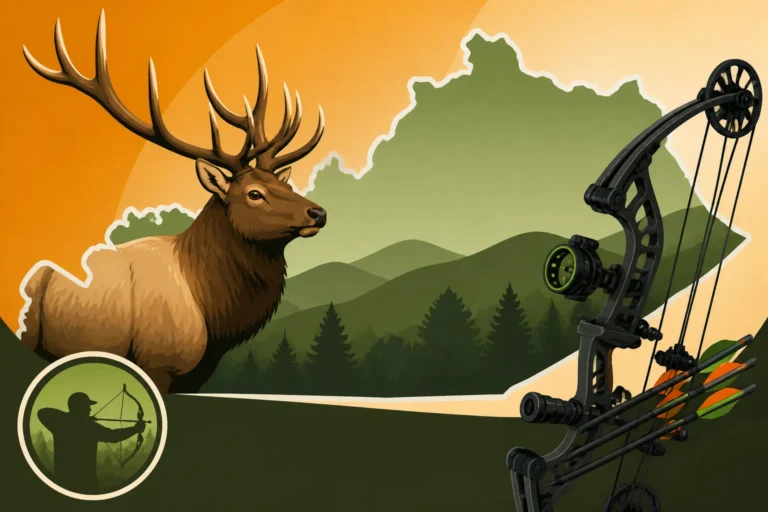
- Archery/Crossbow Either-Sex Elk Season: These hunts provide a unique challenge and a longer season window. The "either-sex" designation means you could pursue a bull or a cow, offering flexibility.
- Youth Firearm Elk Season: Dedicated opportunities for younger hunters, often with specific dates and rules.
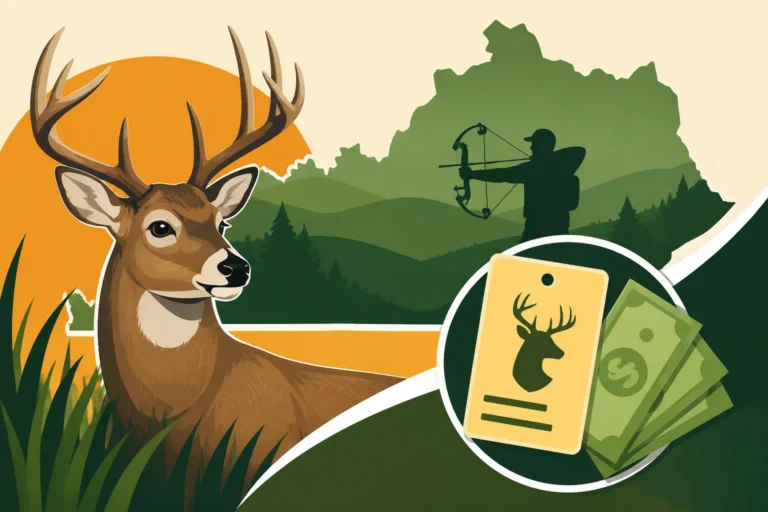
Beyond elk, Kentucky also offers various special deer quota hunts. These often take place on state park lands, state forests, or specific WMAs. For instance, you might find a Kentucky State Park Deer Quota Hunts or a Green River Lake Public Hunting Ground deer quota hunt. These hunts are highly localized and aim to manage deer populations within those specific boundaries, often providing a unique, low-pressure hunting environment. Each of these specific hunts will have its own set of rules and application requirements, so it's vital to dive into the details for the specific hunt you're interested in, as outlined in the Kentucky Deer Season Structure Explained.
Application Periods and Deadlines
Missing an application deadline is a guaranteed way to ensure you don't draw a tag, no matter how good your odds might have been. The Kentucky Department of Fish and Wildlife Resources (KDFWR) typically sets specific application windows for each type of quota hunt. For elk, the Kentucky Elk Application Window Dates are a critical period, usually falling in the spring months. Special deer quota hunts might have different windows, so it’s essential to check the KDFWR website each year.
It sounds simple, but you'd be surprised how many seasoned hunters, myself included, have nearly forgotten to apply in the rush of daily life. Mark your calendar, set phone reminders, or even enlist a hunting buddy to give you a nudge. Utilizing platforms like GoHunt can be incredibly helpful here, as they often provide application reminders and streamlined access to state-specific regulations and deadlines, ensuring you don't miss out on important Kentucky Quota Hunt Application Window opportunities. Don't let a simple oversight cost you a shot at a once-in-a-lifetime hunt!
Factors Influencing Your Draw Odds
Understanding the "why" behind the draw odds is just as important as knowing the odds themselves. It's not just pure random chance; several factors heavily influence your likelihood of success in drawing a Kentucky quota hunt tag.
The Math Behind the Draw
At its simplest, draw odds are a ratio: the number of available permits divided by the number of applicants. If there are 50 bull elk tags available and 5,000 people apply, your odds are roughly 1 in 100. However, Kentucky's system for elk adds a crucial layer: a bonus point system.
For elk, Kentucky residents can accumulate bonus points. Each year you apply for an elk tag and are unsuccessful, you receive one bonus point. These points are not "preference points" in the sense that the person with the most points automatically draws. Instead, each bonus point you have grants you an additional entry into the random lottery drawing. So, if you have five bonus points, your name (or rather, your applicant ID) will be entered six times (your initial application plus five bonus points). This significantly, though not exponentially, increases your mathematical chance of being drawn over someone with zero points.
For most special deer quota hunts, it's typically a pure lottery system without bonus points. Everyone who applies has an equal chance, making these draws entirely dependent on the volume of applicants versus available permits for that specific hunt.
Residency and Permit Type
Your residency status plays a massive role in Kentucky's quota hunt odds. The state prioritizes its residents, and rightly so, as they contribute directly to the state's wildlife management through their licenses and taxes.
- Resident vs. Non-Resident: For elk hunts, Kentucky residents have significantly better odds because a large percentage of the available tags are reserved for them. Non-residents face much steeper odds, often competing for a very small percentage of the total permits. It's tough, but it's the reality of hunting in any state when you're from out of town. You'll want to check the specific guidelines for Kentucky Elk Zone Nonresident Eligibility.
- Bull vs. Cow vs. Either-Sex: As mentioned, the type of permit you apply for also greatly impacts your odds. Bull elk tags are almost always the hardest to draw due to their high demand. Cow tags, while still challenging, generally have better odds because fewer hunters apply for them. Either-sex tags for archery or crossbow might fall somewhere in between, depending on the unit and overall hunter interest. For deer quota hunts, "either-sex" tags are common, simplifying this aspect, but the overall popularity of the specific WMA or state park still dictates the odds.
Popularity of Specific Units or Hunts
Not all hunting units or special hunts are created equal in the eyes of applicants. Some units consistently draw far more applications than others due to their reputation for trophy animals, easier access, or simply being well-known.
For elk, certain units within the Hunting Kentucky's Record Elk Herd restoration zone might have a storied history of producing monster bulls, naturally attracting a disproportionate number of applicants. Conversely, newer units or those with more challenging terrain might see fewer applications. Similarly, a special deer quota hunt at a state park known for its mature bucks and tranquil setting will likely have much lower draw odds than a lesser-known WMA hunt that requires more effort.
Here's a simplified table illustrating how these factors might influence draw odds:
| Hunt Type | Residency | Bonus Points (Elk) | Perceived Popularity | General Draw Odds (Relative) |
|---|---|---|---|---|
| Bull Elk Firearm | Resident | Yes | Very High | Very Low |
| Bull Elk Firearm | Non-Res | No (Random) | Very High | Extremely Low |
| Cow Elk Firearm | Resident | Yes | Medium | Low to Moderate |
| Archery/Crossbow Elk | Resident | Yes | Medium to High | Low to Moderate |
| State Park Deer (Popular) | Resident | No | High | Low |
| WMA Deer (Less Popular) | Resident | No | Low | Moderate to High |
Strategies to Improve Your Chances
While the quota hunt draw might feel like a pure game of chance, there are indeed proactive steps you can take to subtly, or even significantly, tilt the odds in your favor. It's about being smart, consistent, and well-informed.
Building Bonus Points for Elk
For elk hunters, understanding and consistently utilizing the Kentucky Elk Preference Point System is paramount. Each year you apply for an elk permit and don't draw, you earn a bonus point. The key is consistency. Even if you can't hunt every year, make it a point to apply for a bonus point. This usually involves a small application fee, but it keeps you in the game and increases your entries into the lottery each subsequent year.
Imagine a scenario where you apply for ten years straight without drawing a bull tag. In your eleventh year, you'll have ten bonus points, meaning your name is entered eleven times into the draw. This dramatically improves your chances compared to someone who only applied for a couple of years. It’s a long-term investment, but for many, it’s the most realistic path to drawing one of Kentucky's elusive elk tags. The more points you accrue, the more times your name goes into the digital hat, slowly but surely improving your statistical likelihood.
Researching Hunt Unit Statistics
Knowledge is power, especially when it comes to limited-entry hunts. Before you blindly pick a unit, do your homework. The KDFWR often releases statistics from previous draw years, showing how many applicants applied for each unit and permit type, and how many tags were issued. This data is gold!
Look for trends:
- Which units consistently have the lowest applicant-to-permit ratio?
- Are there certain permit types (e.g., cow tags vs. bull tags, specific archery seasons) that historically have better odds?
- Have new units been added, or has the quota changed in existing ones?
This is where a service like GoHunt truly shines. These platforms compile years of draw data, present it in an easily digestible format, and often include prediction models. They can help you sift through the numbers, identify units that might be overlooked, and make an educated guess on where your best chances lie. Don't underestimate the value of this kind of detailed research; it can mean the difference between drawing a tag and another year of disappointment.
Applying for Less Popular Options
Sometimes, the best strategy is to zig when everyone else zags. While a trophy bull elk in a renowned unit might be the dream, applying for a less popular option can significantly increase your draw odds.
Consider these alternatives:
- Cow Tags: If your primary goal is to harvest an elk, applying for a cow tag almost always offers better odds than a bull tag. It’s a fantastic way to experience an elk hunt and fill your freezer, and it often comes with less competition.
- Archery/Crossbow Hunts: While still competitive, the Bowhunting Kentucky's Long Archery Season for elk might see slightly fewer applicants than the rifle seasons, especially in units where the terrain is particularly challenging for bowhunting.
- Less Frequented Units: For both elk and special deer hunts, some units simply don't get as much attention. This could be due to tougher access, more rugged terrain, or a historical lack of "trophy" animals (even if good animals are present). If you're willing to put in the extra work, these overlooked units can offer a much higher chance of drawing a tag. You might not be hunting the exact spot your buddies are, but you'll be hunting!
- Specific WMA Deer Hunts: For deer, focus on WMAs or state parks that might not be as well-known or those that have larger quotas. For example, some units in the Daniel Boone National Forest Hunting might have specific quota hunts that see less traffic than a popular state park closer to a major city.
It’s a balancing act between your dream hunt and the realistic probability of drawing a tag. Sometimes, getting any tag is the victory, and it can open the door to incredible experiences.
Don't Miss the Application Window
This might seem like a no-brainer, but it bears repeating: DO NOT MISS THE APPLICATION WINDOW! All the research, all the bonus points, all the strategies mean absolutely nothing if you fail to submit your application on time. The Kentucky Managed Hunt Sign-Up Deadlines are firm, and there are no exceptions.
Here are some tips to ensure you don't miss out:
- Set Multiple Reminders: Use your phone, calendar, and even a sticky note on your computer.
- Apply Early: Don't wait until the last day. Technical glitches, forgotten passwords, or unexpected life events can easily derail your application. Submit it as soon as the window opens.
- Verify Submission: After applying, ensure you receive a confirmation email or reference number. Double-check that your payment went through.
- Stay Informed: Periodically check the KDFWR website or reliable hunting news sources for any changes to application dates or procedures. Again, services like GoHunt are fantastic for keeping track of these crucial dates and avoiding errors.
It’s a simple step, but it’s the most critical one in the entire quota hunt process. Neglecting it means you've guaranteed yourself 0% draw odds.
What Happens After the Draw
The application is submitted, the fees are paid, and now comes the hardest part: the wait. The period between applying and the draw results can feel like an eternity, filled with anticipation and a touch of anxiety. But regardless of the outcome, knowing what comes next is important.
Checking Your Results
Once the draw takes place, the KDFWR will notify applicants of their results. This usually happens via email, and often, you can also log into your KDFWR account on their website to check your status directly. The day the results drop is always a flurry of activity in the hunting community, with group texts lighting up and social media feeds filling with stories of success and disappointment.
There’s nothing quite like that moment of opening the email or logging in, heart pounding, to see if your luck held out. It's a quick emotional rollercoaster, but knowing exactly where and how to check your results can help alleviate some of the suspense. Keep an eye on the KDFWR announcements for specific dates when results will be released.
If You Draw That Coveted Tag
Congratulations! Drawing a Kentucky quota hunt tag, especially for elk, is a huge accomplishment and a testament to your persistence (and a little luck). But drawing the tag is just the first step. Now the real work, and the real fun, begins.
- Dive into Regulations: Immediately review the specific regulations for your drawn hunt. These can be very particular to the unit and species. Are there antler point restrictions? Specific weapon rules? Are you allowed to use a particular legal firearm for deer hunting? What are the Kentucky Deer Management Zone Rules for your specific area? Don't assume anything.
- Scouting is Key: If possible, get out and scout your unit. Understand the terrain, locate potential bedding areas, food sources, and travel corridors. For an elk hunt in the mountains of Eastern Kentucky, understanding the rugged landscape is critical. If you drew a deer tag for a smaller WMA, knowing where other hunters might pressure deer can give you an advantage, like when Scouting Kentucky Public Land Before Season.
- Gear Preparation: Ensure all your gear is in top shape. Is your rifle zeroed? Are your archery broadheads sharp? Do you have the right clothing for the weather you might encounter during the Hunting the Kentucky Rut in Early November or Hunting the Late-Season January Lull if you drew a later deer tag? This is not the time to find out your boots leak!
- Planning Logistics: Where will you stay? What's the closest town for supplies? Do you have a plan for retrieving and processing your animal? These details become very real very quickly when you have a tag in hand.
- Harvest Reporting: Be acutely aware of the Kentucky Deer Harvest Reporting Rules or elk reporting rules. Kentucky has strict requirements for telechecking your animal within a specific timeframe after harvest. Failure to do so can result in penalties.
If You Don't Draw
It happens to most of us, most of the time. The sting of disappointment is real, especially if you’ve been applying for years. But don't let it discourage you!
- Learn from the Experience: If you were applying for an elk tag, you just earned another bonus point, moving you one step closer for next year. For any quota hunt, review your choices. Did you apply for a highly popular unit? Could you choose a less competitive option next time? Use the KDFWR draw statistics (and resources from GoHunt if you’re using them) to refine your strategy for the following year.
- Explore Other Opportunities: Kentucky offers a vast array of other hunting seasons and methods that don't require a lottery. Don't let the lack of a quota tag overshadow these incredible experiences. You could still enjoy Kentucky's Statewide Modern Gun Season for deer, pursue Spring Turkey Hunting in Kentucky, or try Grouse and Small Game Hunting in Kentucky. There's always something to hunt in the Bluegrass State.
- Consider Over-the-Counter Tags: For species like deer (outside of quota areas), spring turkey, or small game, licenses and tags are readily available. These general seasons offer fantastic hunting without the stress of a draw. You could try Hunting Western Kentucky Bottomland Deer or even Calling a Kentucky Gobbler Off the Roost.
- Stay Positive and Persistent: The draw is a game of patience and perseverance. Many successful hunters have stories of applying for a decade or more before finally drawing a coveted tag. Keep applying, keep learning, and keep enjoying the process. Your time will come!
Disclaimer
Please note that hunting regulations, season dates, and draw procedures are subject to change annually by the Kentucky Department of Fish and Wildlife Resources (KDFWR). While every effort has been made to provide accurate and up-to-date information, it is the hunter's responsibility to consult the current KDFWR hunting guide and official website before applying for any quota hunt or engaging in any hunting activity. This guide is for informational purposes only and does not constitute legal advice or an official interpretation of hunting regulations.