Hunting the Kentucky Youth Firearms Season
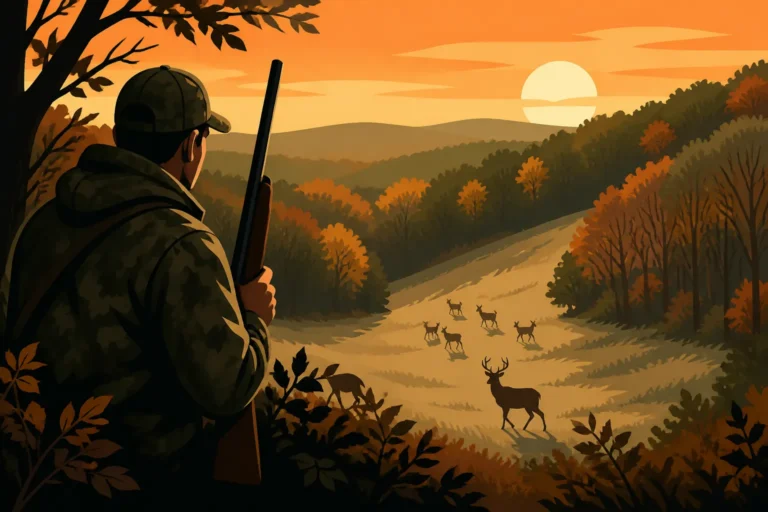
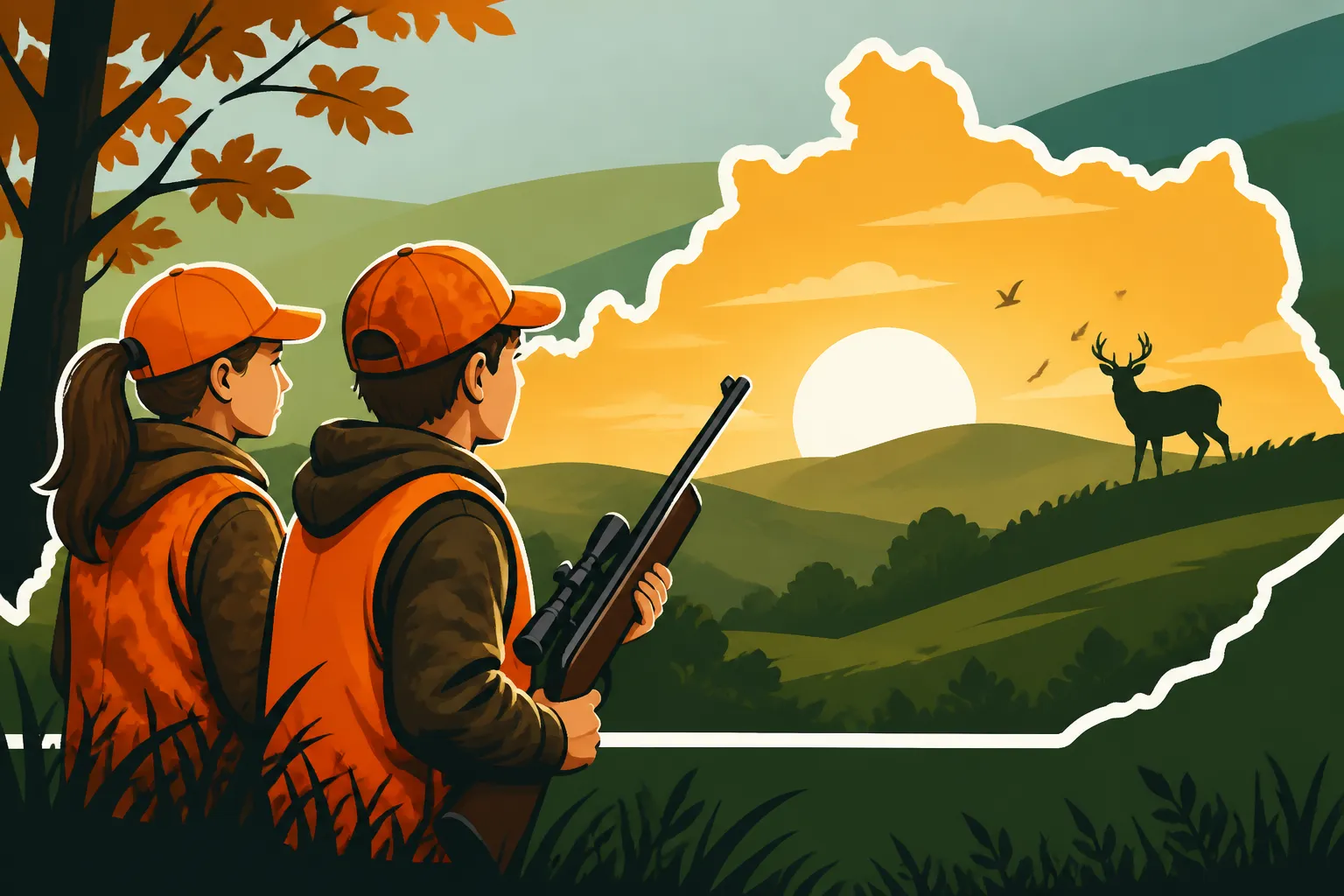
The crisp, autumn air in Kentucky, the rustle of leaves underfoot, and the eager anticipation in a young hunter's eyes—these are the hallmarks of the Kentucky Youth Firearms Season. It’s a truly special time, but introducing new hunters to the woods, especially with firearms, can feel like a big responsibility. This comprehensive guide is here to help you navigate everything from understanding the rules to making lifelong memories, ensuring a safe, positive, and deeply rewarding experience for both mentor and child.
Understanding the Kentucky Youth Firearms Season Structure
This dedicated season is a fantastic initiative by the Kentucky Department of Fish and Wildlife Resources (KDFWR) to cultivate new generations of ethical and responsible hunters. It's more than just a hunt; it's an opportunity to pass on traditions and foster a love for the outdoors.
Season Dates and Eligibility
This is typically a precious, often short, window of opportunity specifically carved out for our younger generation to experience deer hunting with firearms. While the exact dates can shift slightly year to year, the Kentucky Youth Firearms Season typically falls in a late October or early November weekend, perfectly timed to give young hunters a crack at deer before the general modern gun season kicks into full swing. It's a fantastic initiative by the Kentucky Department of Fish and Wildlife Resources (KDFWR) to foster new hunters. Keep an eye on the official KDFWR season dates each year, but generally, expect it to be a designated Friday through Sunday.
Eligibility is straightforward but crucial to understand. This season is exclusively for youth hunters aged 15 and younger. The key here is "15 and younger," meaning if your child turns 16 before or during this specific season, they'd need to adhere to the general firearms season rules. Every young hunter participating must be accompanied by an adult mentor who is at least 18 years old. This isn't just a suggestion; it's a legal requirement. That mentor doesn't need to be licensed to hunt unless they are actively hunting themselves, but their primary role is to supervise and guide the youth hunter. It's a chance to share wisdom and create lasting bonds. For detailed regulations, you'll want to review the official Kentucky Youth Firearms Season Rules each year.
Beyond the main youth firearms season, Kentucky sometimes offers an additional opportunity for young hunters: the Free Youth Weekend in December. This is an incredible bonus, often falling in mid-December, and allows youth hunters to pursue deer and sometimes even small game without needing a hunting license or deer permit. It’s an ideal time to introduce new participants or extend the season for those who might not have connected during the earlier youth season. This weekend often has specific rules regarding antlered or antlerless deer, so always double-check the KDFWR guide for that year. For more on this, check out information on The Free Youth Weekend in December. These provisions truly underscore Kentucky's commitment to youth involvement in our outdoor traditions.
Permitted Weapons and Bag Limits
One of the great advantages of the youth firearms season is the flexibility it offers in terms of weaponry. Unlike some other youth-specific seasons or zones, this weekend generally permits the use of legal firearms for deer hunting, which includes rifles, shotguns, muzzleloaders, and even handguns, provided they meet Kentucky's minimum caliber and cartridge specifications. This means your young hunter can use the same type of firearm they might be most comfortable practicing with, or the one that fits them best. The important thing is ensuring the firearm is appropriate for deer hunting and that the youth can safely and effectively handle it. Choosing the right firearm is a big part of building confidence, and we'll dive deeper into that in the gear section.
Kentucky's deer management strategy is designed to offer ample opportunity while managing herd health, and this often extends favorable bag limits to youth hunters. During the youth firearms season, young hunters typically have very generous antlerless deer opportunities. In many counties, especially those in more liberal deer management zones, they can harvest multiple antlerless deer. Antlered deer limits are usually more restricted, often one per hunter, but this can vary by zone. It's imperative to consult the Kentucky Deer Management Zone Rules for the specific county you plan to hunt in, as these rules dictate the exact number of deer a youth hunter can tag. This focus on antlerless harvest helps manage herd populations and provides a fantastic chance for young hunters to gain valuable experience and put venison in the freezer.
After a successful harvest, reporting your deer is not just good practice, it's a legal requirement. All deer harvested during the Kentucky Youth Firearms Season, like any other season, must be reported through the Kentucky Telecheck system. This process is quick and can be done online or by phone. It's a critical step that contributes to the KDFWR's data collection, which is used to make future season decisions. The mentor should guide the youth through this process, explaining why we telecheck and how it helps manage the herd. You'll need specific information like the county of harvest, species, sex, and whether it was antlered or antlerless. This experience teaches responsibility and accountability, important lessons that go beyond just the hunt itself. You can find more details on Reporting a Deer Through Kentucky Telecheck.
Essential Gear for Young Hunters
Getting geared up correctly is half the battle for a comfortable and successful hunt. For young hunters, especially, having the right equipment that fits and performs well can make all the difference in their enjoyment.
Appropriate Firearms and Ammunition
When we talk about firearms for young hunters, safety and comfort are paramount. It's not about the biggest caliber; it's about the most manageable. Recoil can be a major factor in developing flinching or a negative association with shooting. For deer, calibers like the .243 Winchester, 6.5 Creedmoor, or even straight-wall cartridges like the .350 Legend or .450 Bushmaster are excellent choices. They offer sufficient power for deer at typical hunting distances without excessive kick. For smaller framed youth, a .223/5.56 can be effective for deer if using appropriate ammunition and within responsible ranges. If using a shotgun, a 20-gauge with slugs is far more manageable than a 12-gauge for a beginner, offering plenty of knockdown power. The key is to select a rifle or shotgun that fits the youth, allowing for proper sight picture and comfortable handling.
Beyond caliber, ammunition choice matters. Opt for good quality hunting ammunition designed for deer, featuring controlled expansion bullets that will ethically harvest the animal. Avoid cheap target ammo. When practicing, however, less expensive full metal jacket (FMJ) rounds in the same grain weight can be used to save money, provided the point of impact is similar to your hunting loads. It's also crucial to ensure the firearm itself is in excellent working order, clean, and properly maintained. Before hitting the woods, spend significant time at the range, ensuring your young hunter can consistently and accurately hit their target from various positions. This builds immense confidence, which is invaluable in the field.
Safety equipment isn't just an option; it's non-negotiable. Hearing protection is absolutely vital, both at the range and in the field, to prevent permanent hearing damage. Earmuffs or earplugs should always be worn. Eye protection is also a must during range time to guard against stray brass or gun malfunctions. Consider investing in comfortable, youth-sized shooting rests or bipods to help stabilize the firearm and improve accuracy during practice. The goal is to make every shot count and to instill habits of safety and precision from the very beginning.
Clothing and Comfort in the Field
Kentucky weather in late October or early November can be notoriously unpredictable. One day it's mild and sunny, the next it's spitting rain with a bitter wind. Dressing your young hunter appropriately is critical for their comfort and, consequently, their enjoyment of the hunt. Layering is your best friend. Start with a moisture-wicking base layer, add insulating layers like fleece or wool, and top it off with a waterproof and windproof outer shell. Remember, a cold, uncomfortable child is a child who won't want to come back. Consider brands like Sitka or First Lite, but even budget-friendly options can work if layered effectively.
A critical component of clothing, especially for firearms season, is blaze orange or blaze pink. Kentucky's law requires hunters to wear a solid, unbroken hunter orange or hunter pink outer garment, visible from all sides, above the waist. This applies to both the youth hunter and the adult mentor. Having enough blaze orange isn't just about legal compliance; it's about crucial safety in the field, especially when hunting with others or on public land. Ensure vests, hats, or jackets meet these visibility requirements. For more on this, consult Kentucky Blaze Orange Requirements.
Don't overlook footwear. Warm, waterproof boots are essential for keeping feet dry and comfortable, whether sitting in a blind or walking through damp woods. Good socks are just as important – wool or synthetic blends work best, avoiding cotton which can get damp and lead to cold feet. Hand warmers and a warm hat can also make a huge difference, especially during those chilly mornings or late afternoon sits. Pack snacks, water, and perhaps a small thermos of hot chocolate to keep spirits high. The more comfortable and prepared they are, the more they'll focus on the hunt and soak in the experience.
| Layer Type | Purpose | Material Suggestions | Key Benefit |
|---|---|---|---|
| Base Layer | Wicks moisture from skin | Merino wool, Synthetic blend | Keeps you dry, prevents chills |
| Mid Layer | Provides insulation | Fleece, Down, Synthetic puff | Traps warmth, adds bulk-free warmth |
| Outer Layer | Protects from elements | Waterproof/Windproof shell | Keeps you dry and shielded from wind |
| Extremities | Head, Hands, Feet coverage | Wool hat, Insulated gloves, Waterproof boots, Wool/synthetic socks | Prevents heat loss, maintains circulation |
Mentorship and Safety First
The role of the mentor in a youth hunt cannot be overstated. You are not just a guide; you are an instructor, a safety officer, and a companion, shaping a young hunter's entire perception of the sport.
Pre-Season Preparation and Skill Building
The journey to a successful youth hunt begins long before opening morning. Hunter education is the foundational step. While specific requirements may vary based on age and whether an apprentice license is used, ensuring your youth hunter has completed an approved Kentucky Hunter Education course is invaluable. This course covers everything from firearm safety to wildlife identification, ethical hunting practices, and game care. It instills a sense of responsibility and knowledge that will serve them for a lifetime. Even if not legally required for a mentored youth, it's highly recommended. More information can be found on Kentucky Hunter Education Requirements.
Beyond formal education, regular range practice is absolutely crucial. This isn't just about hitting a bullseye; it's about building familiarity and confidence with their chosen firearm. Start with short distances and gradually increase. Practice shooting from various positions – off a bench, prone, kneeling, and from a simulated hunting position like a ground blind window or a treestand rail. Emphasize consistency and proper breathing techniques. A young hunter who feels confident in their shooting ability is more likely to make an ethical shot when the moment arrives. Consider using targets that resemble deer vitals to help them visualize shot placement.
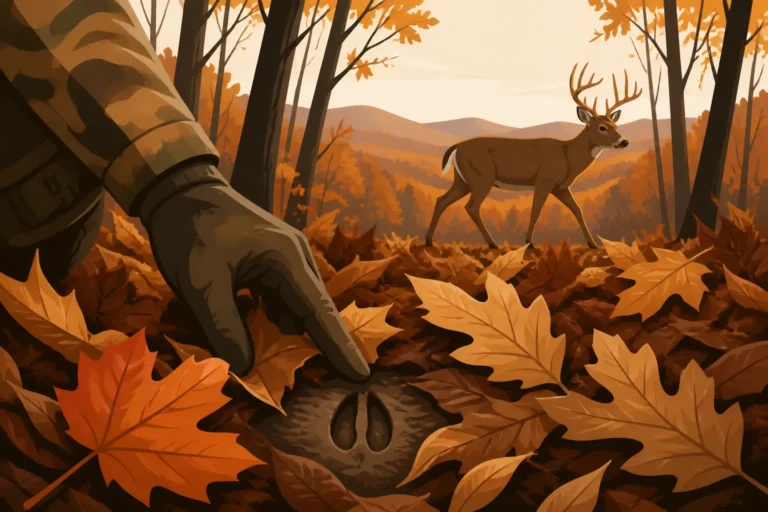
Fieldcraft skills are just as important as shooting prowess. Teach your young hunter about scent control, how to read deer sign, identify different tracks, and understand wind direction and thermals, especially when hunting in varied terrain. Go for walks in the woods, pointing out rubs, scrapes, and bedding areas. Discuss effective calling techniques, like Rattling and Grunting in Kentucky, and how they might use them. Introduce them to mapping tools and apps like GoHunt, which can help them understand property lines, public land boundaries, and topographic features. These skills build a deeper connection to the outdoors and empower them as hunters.
In-Field Safety Protocols
The adult mentor is the absolute linchpin of a safe youth hunt. Your presence, guidance, and direct supervision are not just mandated by law, but are essential for preventing accidents. From the moment you step out of the vehicle until you're safely back home, the mentor must maintain control and be actively engaged. This means always knowing where the youth's muzzle is pointed, ensuring their finger is off the trigger until ready to shoot, and constantly reinforcing the fundamental rules of firearm safety.
Target identification is another critical safety component, especially for young hunters eager to harvest their first deer. Teach them to positively identify their target and to be absolutely certain of what is beyond it. "Know your target and what's beyond" is not just a slogan; it's a life-saving principle. Emphasize that there's never any shame in not taking a shot if there's any doubt. This can be challenging in thick Kentucky timber or at dawn/dusk, so patience and careful observation are key.
Communication is vital in the field. Establish clear hand signals or whispered commands, especially if you're in a ground blind or treestand together. Discuss scenarios beforehand: "If I tap your shoulder, it means a deer is coming from that direction. Don't move until I say so." When a deer is sighted, calmly guide them through the process: "Is it a buck or a doe? Do you have a clear shot? Is it safe to shoot?" This active coaching builds confidence and reinforces safe habits. Remember, the goal is not just a successful harvest, but a safe and educational experience that fosters a lifelong love for hunting responsibly.
Tactics for Successful Youth Hunts
While safety and mentorship are top priorities, we also want to maximize the chances of a positive, memorable hunting experience. Strategic planning goes a long way in achieving this.
Choosing the Right Location and Setup
Location, location, location! For a youth hunt, ease of access, deer activity, and safety are top priorities. If you have access to private land, this often provides a more controlled and less pressured environment. However, Kentucky offers a wealth of public hunting land, including numerous Wildlife Management Areas (WMAs) and portions of Daniel Boone National Forest. When considering public ground, prioritize areas known for consistent deer movement and those that aren't typically overrun with hunters, especially during a special youth weekend. Scouting Kentucky Public Land Before Season is invaluable for identifying these spots. Look for areas with diverse habitat, good food sources, and clear travel corridors, such as creek bottoms or ridge lines.
When it comes to the setup itself, comfort and stability are paramount for a young hunter. A ground blind is often an excellent choice. It provides warmth, conceals movement, offers protection from the elements, and allows for much more fidgeting than a treestand. You can set up chairs, bring snacks, and even chat quietly. Make sure the shooting lanes are clear and the blind is brushed in naturally to break up its outline. For tips on setting up, refer to Using a Ground Blind on Kentucky Public Land. If using a treestand, it must be stable, and both the youth and mentor must wear safety harnesses connected to a lifeline at all times. For a young hunter, a two-person ladder stand or a large, stable hang-on stand offers more room and security. Remember, the focus is on a positive experience, not just bagging a trophy.
Consider specific habitat features. Early in the season, deer will be focused on food sources. Look for acorn flats, fields with standing crops (like corn or soybeans), or green food plots. As the season progresses into late October/early November, deer movement picks up with the pre-rut, making travel corridors and pinch points more productive. Also, think about entry and exit routes. Can you get to and from your spot quietly without spooking deer? Using a trail that offers cover, or even setting up along an old logging road, can make a huge difference. GoHunt mapping can be instrumental in identifying these features and planning your approach.
Patience, Fun, and Realistic Expectations
This might be the most important part of any youth hunt: keep it fun, keep it positive, and manage expectations. A young hunter's attention span is often much shorter than an adult's. Don't push for all-day sits right out of the gate. Start with shorter morning or evening hunts, focusing on the peak movement times. If they get bored, engage them by talking about nature, identifying birds, or silently playing a game like "I Spy." The experience itself – being outdoors, sharing time, and learning – is far more valuable than whether a deer is harvested.
A significant part of the mentor's role is to teach patience. Hunting is often about waiting, and that can be a tough lesson for an energetic kid. Explain why you're waiting, discuss deer behavior, and point out interesting things in the woods. Celebrate small victories, like spotting a squirrel, hearing an owl, or identifying fresh deer tracks. These moments are building blocks for future hunts, creating a positive association with being in nature and pursuing game.
Be realistic about the outcome. There's no guarantee of harvesting a deer, and that's perfectly okay. If the hunt ends without a deer, focus on what was learned, the fun had, and the memories made. Emphasize that hunting isn't just about the kill; it's about the entire process, the camaraderie, and the connection to the wild. The goal is to cultivate a lifelong passion, not to create a one-and-done experience driven by pressure to harvest. Think of it as an investment in a future conservationist.
Post-Harvest Responsibilities and Memories
When the hunt culminates in a harvest, a new set of responsibilities and opportunities for learning begin. These moments are just as crucial for a young hunter's development as the hunt itself.
Field Dressing and Game Care
If your young hunter is fortunate enough to harvest a deer, the learning doesn't stop there. Field dressing is an essential part of the hunting process, and it's a critical lesson in respect for the animal and responsible game care. The mentor should guide the youth through this step, explaining each action and why it's done. This is not typically a task a young hunter will perform solo, but active participation, even just observing and asking questions, is invaluable. Emphasize cleanliness and efficiency to ensure the meat is handled properly. For guidance on this, see Field Dressing a Deer in Cold Weather.
In Kentucky, especially during the youth firearms season, which can sometimes be mild, quick and proper game care is vital to prevent meat spoilage. After field dressing, getting the deer cooled down as quickly as possible is key. If you're not far from your vehicle, a deer cart or sled can make transport easier, especially when Dragging a Deer Out of a Steep Hollow. In warmer temperatures, having large coolers with ice ready back at camp or the truck can be a lifesaver. This attention to detail shows respect for the harvested animal and ensures you get the best possible venison.
Beyond the immediate field dressing, talk about the further processing options. Will you butcher it yourself at camp, taking pride in preparing your own harvest? Or will you take it to a local processor? Discuss how the meat will be used, whether for steaks, roasts, or ground venison. These conversations help a young hunter appreciate the full cycle of farm-to-table (or rather, woods-to-table) and the sustenance hunting provides.
Telecheck and Documentation
As mentioned earlier, reporting your harvest through Kentucky Telecheck is a non-negotiable legal requirement. The mentor should guide the youth through the entire process. Explain how to find the telecheck confirmation number, where to record it, and why this data is important for wildlife management. This reinforces the young hunter's responsibility to contribute to conservation efforts. It's also a perfect opportunity to review the Kentucky Deer Season Structure Explained and remind them how their successful hunt fits into the larger picture of statewide deer management.
An increasingly important consideration for hunters in Kentucky is the state's Kentucky's Chronic Wasting Disease Surveillance Zone. If you are hunting in a county within this zone, there are specific rules and mandatory testing requirements for harvested deer. Always check the current regulations, especially if you plan to move the carcass out of the CWD Surveillance Zone, as there are strict carcass movement restrictions to prevent the spread of the disease. This adds another layer of responsibility and awareness to the post-harvest process, emphasizing the role hunters play in protecting herd health. Your local KDFWR office or the GoHunt app can provide up-to-date information on CWD zones and sampling stations.
Finally, don't forget to document the memories! Take plenty of photos, celebrate the effort, and talk about the experience. Whether it's a mounted trophy, a European skull mount, or just photos for the family album, these tangible reminders will keep the memories alive for years to come. Cooking a venison dish together using their harvest provides a powerful and satisfying conclusion to the hunting adventure. These shared moments, the lessons learned, and the venison on the table are the true trophies of the Kentucky Youth Firearms Season.
Disclaimer
Hunting is an inherently dangerous activity. This guide provides general information and recommendations; however, specific regulations, conditions, and best practices can change. Always consult the official Kentucky Department of Fish and Wildlife Resources (KDFWR) regulations and local authorities before engaging in any hunting activities. Safety should be your paramount concern, and proper training and mentorship are crucial.