The Free Youth Weekend in December
For many families, the idea of getting their kids into hunting can feel overwhelming. Between the cost of licenses, permits, and all the necessary gear, it's easy to wonder if it's truly worth the investment for an activity a youngster might not even enjoy. Thankfully, Kentucky offers a fantastic, low-barrier entry point: the Free Youth Weekend in December. This guide will walk you through every aspect of this special opportunity, helping you understand the rules, prepare effectively, and create unforgettable memories with the next generation of hunters.
Understanding Kentucky's Free Youth Hunting Weekend
Let's be honest, hunting can sometimes feel exclusive, especially when you consider the financial and educational hoops you need to jump through just to get started. The Kentucky Department of Fish and Wildlife Resources (KDFWR) understands this, and that's precisely why the Free Youth Weekend in December exists. It's designed to break down those initial barriers, providing a straightforward and cost-free way for mentors to introduce young people to the joys and responsibilities of hunting.
The Vision Behind the Weekend
At its heart, this special weekend is all about recruitment, retention, and reactivation (R3) efforts. The KDFWR knows that the future of Kentucky's hunting heritage rests on getting new blood into the woods. It's a proactive step to ensure that the traditions, conservation efforts, and passion for the outdoors continue for generations to come. The vision isn't just about kids harvesting an animal, though that's certainly a thrilling part of it; it's about fostering a deeper connection to nature, teaching patience, understanding wildlife, and building character through outdoor experiences. It removes the "what if they don't like it?" financial burden, allowing families to dip their toes in without a huge commitment.
Distinguishing it from Other Youth Opportunities
Kentucky offers several excellent opportunities for young hunters, but the Free Youth Weekend in December stands out because, well, it's free! This particular weekend often falls a few weeks after the general firearms season has closed for adults, which can also mean slightly less hunting pressure in some areas. While the state also hosts a dedicated Kentucky Youth Firearms Season typically in October, that earlier season still requires the youth hunter to possess the relevant licenses and permits. The December weekend is unique in its explicit exemption from these fees for the youth hunter, making it an incredibly accessible on-ramp for newcomers. It’s an ideal chance for a family who might have missed the earlier October hunt, or for those whose kids have just recently expressed an interest in trying hunting, to get out there without the financial pressure of buying a license and permit just for a single weekend.
Who Can Participate and What You Need to Know
Getting ready for the Free Youth Weekend means understanding who's eligible and what legalities you need to be aware of. It's straightforward, but a little preparation goes a long way in ensuring a smooth and safe trip afield.
Age Requirements and the Importance of Mentorship
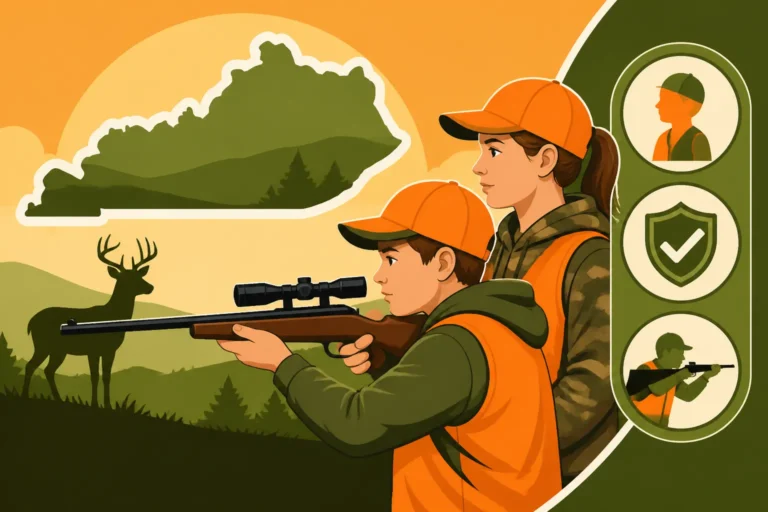
Typically, the Free Youth Weekend is open to young hunters who are 15 years of age or younger at the time of the hunt. The absolute most critical component for these young hunters is direct, hands-on supervision by a licensed adult. This isn't a "drop them off at the tree stand" situation; the supervising adult must be at least 18 years old, possess a valid Kentucky hunting license, and remain in "direct control" of the youth hunter at all times. This often means being within normal voice communication, without using electronic devices, and close enough to take immediate control of the firearm or bow.
This requirement isn't just about legality; it's about safety and education. The mentor's role is paramount in teaching firearm safety, ethical shot placement, tracking, and overall outdoor skills. It's a fantastic opportunity to model responsible hunting behavior. If you’re an adult looking to mentor a young hunter for the first time, you might also consider the Kentucky Apprentice Hunter License Rules which allow new adult hunters to experience hunting under the direct supervision of an experienced, licensed hunter for a limited period before completing hunter education.
License and Permit Exemptions for the Weekend
Here's where the "free" part truly shines: during the December Free Youth Weekend, eligible youth hunters (15 and under) are not required to possess a Kentucky hunting license or a deer permit. This is a huge relief for families who might be on the fence about the initial investment. Imagine being able to take a child out without having to shell out money for tags, only to find out they prefer fishing or hiking!
However, it is crucial to remember that the supervising adult MUST possess a valid Kentucky hunting license and a statewide deer permit (if deer hunting). The adult essentially "covers" the youth hunter's harvest under their own licensing, though the deer still counts towards the youth's bag limit, not the adult's.
Regarding hunter education, generally, youth hunters under the age of 12 are exempt from hunter education requirements when supervised by an adult. For youth aged 12-15, they are also exempt during these mentored opportunities, but it's strongly encouraged for them to complete a Kentucky Hunter Education Requirements course as soon as possible, especially if they plan to hunt independently in the future. Always double-check the current KDFWR Hunting and Trapping Guide for the most up-to-date age and license requirements, as regulations can occasionally be adjusted.
What Game You Can Hunt and Bag Limits
While deer are often the main target during the Free Youth Weekend, it's important to know all your options and understand the specific bag limits to ensure a legal and responsible hunt.
Deer: Antlered and Antlerless Opportunities
For most young hunters, the pursuit of a deer is the ultimate dream, and the December Free Youth Weekend provides an excellent chance. During this specific weekend, youth hunters are generally permitted to harvest one deer, which can be either antlered or antlerless. This flexibility is wonderful, as it allows the young hunter and mentor to focus on the best available ethical shot, regardless of antler size.
It's critical to remember that while the youth doesn't need a permit, the harvest still counts towards the county's overall deer management goals, and hunters must still adhere to Kentucky Deer Management Zone Rules regarding weapon type. For this youth weekend, only firearms (legal for deer hunting in Kentucky) or archery equipment (including crossbows) are permitted. Muzzleloaders are generally not a specific category for this weekend, but if it falls within the general firearms definition, it would be allowed.
Every harvested deer, regardless of whether it was taken by an adult or a youth, must be reported via the Kentucky Deer Harvest Reporting Rules Telecheck system. This is a crucial step for wildlife management, and teaching a young hunter to properly report their harvest is an important part of their education. You'll need to report the harvest by 8:00 p.m. on the day the deer was taken.
Small Game and Other Species Available
While deer hunting is often the centerpiece of the Free Youth Weekend, it's worth noting that other small game seasons might also be open concurrently. This can provide fantastic backup opportunities or simply add more excitement to the hunt. Squirrels, rabbits, and some furbearers are frequently in season during December. Imagine if the deer aren't moving, but a flurry of squirrels provides some thrilling action!
Before heading out, always consult the current KDFWR Hunting and Trapping Guide to see precisely which small game seasons are open in the desired county during that specific December weekend. Bag limits for these species will apply to the youth hunter just as they would for an adult. Introducing a young hunter to various species can diversify their experience and teach them about different animal behaviors and habitats. Sometimes, a successful squirrel hunt can be just as memorable and confidence-building for a young hunter as a deer hunt, especially if it leads to a delicious meal!
Planning for a Successful and Enjoyable Hunt
Planning is the cornerstone of any successful hunting trip, but it becomes even more critical when you're introducing a young, impressionable hunter to the sport. Comfort, safety, and engagement are key to ensuring they have a positive, lasting experience.
Pre-Season Scouting and Location Selection
You wouldn't head into a big exam without studying, and you shouldn't head into a youth hunt without scouting! Pre-season reconnaissance is absolutely crucial for success, especially when you're dealing with the shorter attention spans and comfort requirements of young hunters. You want to maximize the chances of seeing game and minimize the frustration of empty sits.
Start by identifying potential public lands or, if you're fortunate, private land where you have permission. Modern tools like the GoHunt app's detailed maps can be invaluable for identifying potential hotspots, logging roads, and changes in topography that might funnel deer. Look for areas with diverse habitat – thick cover for bedding, food sources (acorns, browse, green fields), and water. These are the places deer will frequent. Consider Scouting Kentucky Public Land Before Season strategies, focusing on easily accessible spots that don't require overly strenuous hikes for younger legs. Finding areas with sign like fresh tracks, rubs, and scrapes will build confidence for both you and your mentee. Additionally, remember that public lands can experience significant pressure, so using platforms like GoHunt to analyze topo maps and public land boundaries can help you pinpoint those less-traveled spots that others walk past.
Essential Gear and Comfort for Young Hunters
December in Kentucky can be a real mixed bag weather-wise. One day it's mild, the next it's freezing rain. Being prepared for anything is vital, as a cold, uncomfortable child is a miserable child, and that's not how you build a lifelong hunter! Layering for warmth is paramount. Start with a good moisture-wicking base layer, add an insulating mid-layer (fleece or down), and top it off with a waterproof and windproof outer shell. This allows for adjustments throughout the day. Check out advice on Cold-Weather Sitting Strategy in Kentucky to ensure you're both staying warm.
Don't skimp on appropriate footwear. Boots for Kentucky Hollows and Creek Bottoms need to be warm, waterproof, and comfortable for walking. Nothing ruins a hunt faster than cold, wet feet. Make sure your young hunter has enough blaze orange – How Much Blaze Orange Kentucky Requires for firearms season is typically 500 square inches on the head, back, and chest, and this applies during the youth weekend.
Beyond clothing, pack plenty of snacks, a thermos of hot cocoa or soup, and hand warmers. A comfortable seat or cushion can make a huge difference during long sits. Many mentors find that Using a Ground Blind on Kentucky Public Land is an excellent option for youth hunts. They offer warmth, concealment, and allow for a bit more movement and whispered conversation than a treestand, which can be a game-changer for keeping kids engaged. A smaller, lighter Packs for a Daniel Boone Forest Day Hunt for the young hunter can help them feel more involved, even if it just carries their own snacks and water bottle.
Making Lasting Memories Beyond the Harvest
While harvesting an animal is undeniably exciting, the most profound and lasting memories from a youth hunt often come from the experiences shared, lessons learned, and the bond forged in the quiet intensity of the outdoors.
Prioritizing the Experience Over the Kill
It's easy to get caught up in the "meat in the freezer" mentality, but when hunting with a youngster, try to shift your focus. The goal isn't just to bag a deer; it's to create a positive, educational, and enjoyable outdoor experience. Take the time to point out deer tracks, identify different trees, or listen to the calls of various birds. Encourage curiosity and questions. If a deer doesn't show up, that's okay. The silence, the crisp air, the rustling leaves – these are all parts of the hunt.
Talk about Kentucky Deer Camp Traditions, even if your "camp" is just the tailgate of your truck. Share stories of your own hunts, both successful and challenging. Teach them the importance of patience, observation, and respect for the natural world. A big part of this is simply being present. Turn off your phone (unless it's for navigation or an emergency) and immerse yourselves in the moment. The conversations you have in the quiet woods, or while sharing a warm snack, will be remembered long after the season ends. Using tools like GoHunt to review your hunting spot together after the trip, marking animal sightings or interesting features, can also extend the learning and planning into a year-round activity.
Teaching Ethics, Conservation, and Responsibility
Hunting isn't just a sport; it's a profound responsibility. The Free Youth Weekend is a perfect classroom for teaching ethical hunting practices and the deep connection between hunters and conservation. Discuss the importance of a clean, ethical shot and knowing an animal's anatomy. If a shot is taken, involve the young hunter in the Field Dressing a Deer in Cold Weather process (to an age-appropriate degree, of course), explaining how the meat is handled and why proper care is essential. This teaches them respect for the animal and its purpose as food.
Beyond the immediate hunt, explain the role of hunters in wildlife management. Talk about how license fees fund habitat restoration, research, and population control. Help them understand that hunters are conservationists, actively contributing to healthy ecosystems. This responsibility also extends to following game laws, being a good steward of public land, and respecting private property. Instilling these values early ensures that they grow into responsible, ethical hunters who appreciate the privilege of being in the wild.
Navigating Common Challenges of Youth Hunting
Even with the best intentions and preparations, youth hunts can present unique challenges. December's weather, a child's natural exuberance, and finding unpressured spots all require a realistic approach and some flexibility.
Battling December's Unpredictable Weather
Kentucky in December can throw everything at you: biting cold, pouring rain, sleet, or even a beautiful blanket of snow. This unpredictability can quickly dampen spirits, especially for young hunters. You need to have a strategy beyond just wearing layers. Plan for shorter sits than you might endure alone. If it's truly frigid or wet, schedule more frequent breaks back at the vehicle for hot drinks and snacks. A small portable heater in a ground blind can also be a game-changer.
Don't be afraid to cut a hunt short if the weather turns dangerous or if your young hunter is simply too cold or miserable. Pushing them too far can create a negative association with hunting, which is the opposite of what you want. Remember, the goal is a positive experience. Sometimes, huddling in a warm vehicle watching deer from a distance through binoculars is more beneficial than shivering in a stand. Always prioritize safety over the chance of a harvest.
Keeping Young Hunters Engaged and Motivated
Let's face it, sitting still and quiet for hours can be a monumental challenge for anyone, let alone a child. Kids have shorter attention spans, and the silent waiting game of deer hunting can quickly lead to boredom and fidgeting. To combat this, bring along quiet activities like small field guides to identify birds or tracks, or a compact pair of binoculars for them to scan the woods. GoHunt's satellite imagery can be used quietly to teach them about terrain features or potential travel corridors.
Allow for whispered conversations and questions, within reason. Use these moments to teach: "See that snag? A squirrel uses that to get to those acorns." or "Hear that noise? That's a jay warning other animals." Turn the "boring" times into learning opportunities. Manage expectations, explaining that seeing an animal is a bonus, and the primary goal is spending time together in nature. Keep the atmosphere light and positive. Sometimes, the best way to keep them engaged is simply to allow them to be children in the woods, even if it means sacrificing some of the traditional "stillness" of a solo hunt.
Finding Less Pressured Areas
The Free Youth Weekend, while fantastic, can attract more hunters to public land, especially if deer are moving due to cold weather. This increased pressure can make deer more wary and harder to find. It’s crucial to use your scouting and mapping tools, like GoHunt, to identify areas that might see less foot traffic. This often means walking a bit further from main access points, looking for challenging terrain that deters others, or focusing on smaller, overlooked pockets of public land.
Don't be afraid to try different tactics. If sitting in a blind isn't working, consider a slow, quiet still-hunt through a likely area, covering ground while actively looking for deer sign. Even short, careful deer drives with three or four hunters can be an option if you have enough participants, allowing the youth hunter to be on a stand while others push. The key is to adapt, be flexible, and understand that Finding Ground Others Walk Past often requires a bit more effort, but the rewards can be well worth it for a young hunter.
The Free Youth Weekend in December is a remarkable opportunity for Kentucky families to introduce the next generation to the joys, responsibilities, and invaluable lessons of hunting. By understanding the rules, preparing thoughtfully, and focusing on the experience rather than just the harvest, you can create lifelong memories and foster a deep appreciation for Kentucky's rich outdoor heritage in the young hunters you mentor.
Disclaimer
Please note that hunting regulations are subject to change. Always consult the official Kentucky Department of Fish and Wildlife Resources (KDFWR) Hunting and Trapping Guide for the most current and accurate information regarding seasons, bag limits, and licensing requirements before heading afield. This guide is for informational purposes only and should not be considered a substitute for official regulations.