Hunting the New Bear Zone Three
There's a unique challenge and immense satisfaction that comes with hunting black bear, especially as their populations rebound and expand into new territories here in Kentucky. For many hunters, the introduction of a new bear zone, like the recently established Zone Three, can bring a mix of excitement and confusion about regulations, areas, and effective tactics. This guide aims to clear up that uncertainty, diving deep into what it means to hunt in Kentucky's new Bear Zone Three, ensuring you're well-prepared for a safe, successful, and ethical hunt.
Understanding Kentucky's Expanding Bear Range and Zone Three
Kentucky’s black bear population has made an incredible comeback over the last few decades, transforming from a rarely seen ghost of the mountains into a thriving, self-sustaining population. This success story has led to expanded hunting opportunities and the need for adaptive management, which includes the creation of new hunting zones. It's a testament to good conservation efforts, but it also means hunters need to stay vigilant about the ever-evolving regulations.
The Evolution of Kentucky's Bear Zones
Back in the day, seeing a bear in Kentucky was a headline-worthy event. Decades of conservation efforts, coupled with bears migrating in from surrounding states like West Virginia and Tennessee, have truly paid off. What started as small, isolated populations primarily in the rugged southeastern counties has blossomed, leading the Kentucky Department of Fish and Wildlife Resources (KDFWR) to implement a zoning system. Initially, we saw Zone One and Zone Two established, primarily covering the core bear range in the eastern coalfields, where the bulk of the population lives. These zones were designed to manage harvest pressure and monitor population growth effectively.
The evolution of these zones directly reflects the observable expansion of the bears themselves. As their numbers grew, younger bears, particularly boars, began to disperse, seeking new territories and mates. This natural wanderlust led them further west and north from their traditional strongholds. This phenomenon is why understanding Kentucky's Black Bear Population trends is so crucial for hunters. The KDFWR uses a combination of research, harvest data, and public sightings to track these movements, and it's this data that ultimately informs changes to the hunting zones. It’s not just about more bears; it’s about where those bears are consistently being found and establishing new breeding grounds.
What Defines the "New" Zone Three
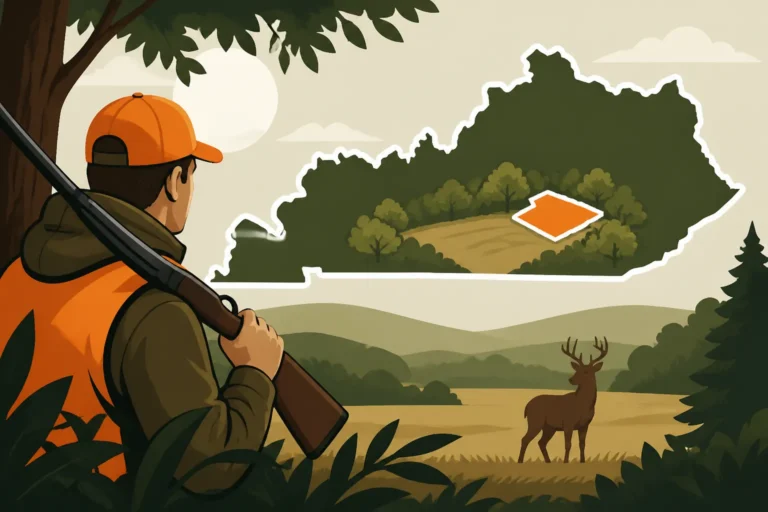
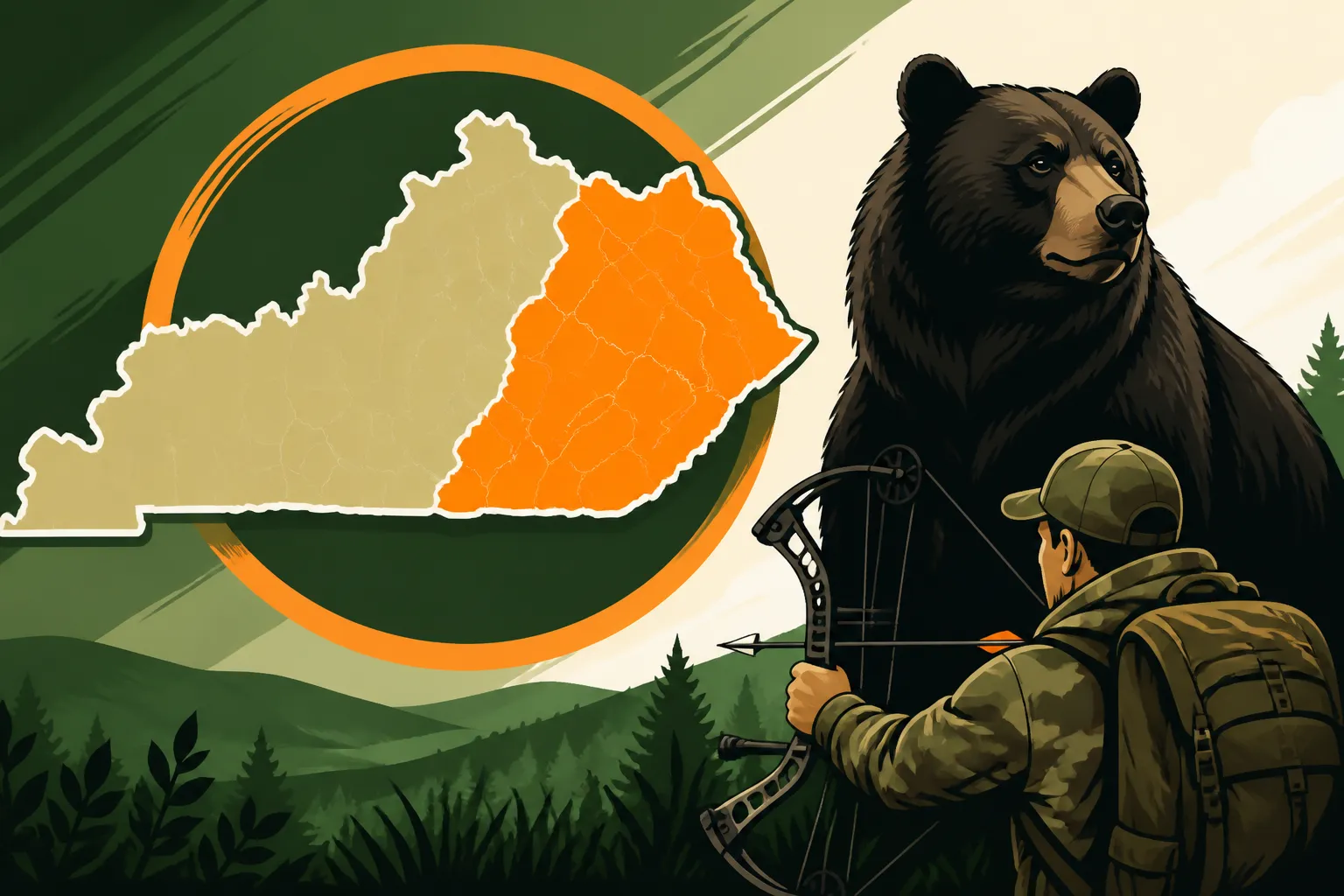
The most recent and significant development in Kentucky's bear management is the creation of Zone Three. This expansion was a direct response to increasing bear activity and, importantly, verified breeding populations in counties that were previously on the fringes of the bear range. Specifically, Clinton and Wayne counties were brought into the fold, joining parts of McCreary and Pulaski counties as part of this new zone. This isn't just a slight adjustment; it represents a meaningful shift in hunting opportunities and strategies.
For hunters, this expansion means new ground to explore and new challenges to embrace. These counties, while still offering rugged terrain typical of southeastern Kentucky, also present different habitat characteristics compared to the more heavily forested, mountainous areas of the traditional zones. We're talking about a mix of timber, agricultural fields, and more fragmented woodlands, which means bear behavior and movement patterns might differ. The addition of these areas validates what many local residents have been observing for years: bears are not just passing through, they are setting up shop. If you're looking to explore Bear Hunting Southeastern Kentucky in general, understanding this new zone's specific nuances is key to success.
Key Regulations and Permits for Zone Three Bear Hunting
Hunting black bears in Kentucky, especially in a newly designated zone, isn't something you can just jump into without doing your homework. The regulations are in place to ensure a sustainable harvest, promote hunter safety, and manage the growing bear population responsibly. Neglecting to understand these rules can quickly turn an exciting hunt into a costly and disappointing experience.
Navigating Licensing and Bear Permits
Before you even think about setting foot in Zone Three, you need to make sure your paperwork is in order. Every bear hunter in Kentucky, resident or non-resident, must possess a valid Kentucky hunting license. Beyond that, a specific Kentucky Bear Permit is required. This isn't just a formality; it's how the KDFWR tracks participation and manages the quota. These permits are typically available for purchase online through the KDFWR website or at authorized vendors across the state. It's always a good idea to secure your licenses and permits well in advance of the season, avoiding any last-minute rushes or technical glitches. For a comprehensive overview, checking out Kentucky Hunting Licenses and What They Cost is a smart first step to ensure you have all necessary documentation.
It’s crucial to remember that these permits are specific to the individual and typically non-transferable. The cost varies for residents and non-residents, reflecting the different fee structures for state wildlife resources. Keep your license and permit on your person at all times while hunting. Carrying proof on your phone is usually acceptable, but having a physical copy, or at least a screenshot, is always a reliable backup, especially in areas with spotty cell service common in bear country.
Understanding Season Dates and Weapon Restrictions
Kentucky's bear season structure can be complex, involving different dates for archery, firearms, and even specific periods for hunting with dogs. Zone Three will adhere to these established statewide season frameworks but it’s vital to double-check the KDFWR hunting guide for any specific nuances or restrictions applicable to Clinton and Wayne counties. Generally, the season will open with an archery-only period, offering a challenging and often intimate experience. If you’re considering Hunting Bear With Archery Gear in Kentucky, this early window is your prime opportunity.
Following the archery segment, firearm seasons typically open, allowing for a broader range of legal hunting implements. For specific dates, you’ll want to consult the official KDFWR season calendar for both Kentucky Bear Archery Season Dates and Kentucky Bear Firearms Season Dates. It's also important to be aware of the daily and seasonal bag limits, which are usually quite conservative for bears to ensure population health.
Kentucky also offers specific periods for Kentucky Bear Dog Season Windows. If you plan to hunt with hounds, which is a traditional and highly effective method in parts of the state, be absolutely sure you understand the very specific dates and rules that apply. This method often has different geographical or quota-based restrictions compared to still-hunting.
Another critical component is the statewide harvest quota. Unlike deer or turkey, bear harvests are often managed by a hard quota, meaning the season for a particular zone can close early once the predetermined number of bears has been taken, or even a sub-quota for female bears. This makes it imperative to check the KDFWR website or use the Kentucky Hunt Fish App regularly for real-time updates on quotas and season closures. You don't want to be caught hunting illegally because you missed an announcement!
Effective Scouting and Pre-Season Preparation for Zone Three
Success in bear hunting, especially in a new or expanded zone like Zone Three, often boils down to the effort you put in before the season even starts. Bears are incredibly intelligent and elusive creatures, and knowing their habits and haunts within a specific landscape will dramatically increase your odds. This isn't just about walking in the woods; it's about strategic detective work.
Reading the Landscape for Bear Sign
Bear sign can tell a vivid story if you know how to read it. Before heading out, I always recommend digging into mapping tools like those offered by GoHunt to identify potential bedding areas, dense cover, and travel corridors. In areas like Clinton and Wayne counties, which might have more mixed-use lands, understanding the relationship between dense timber, creek bottoms, and even agricultural fields is paramount. Bears are opportunists, and their movements are often dictated by food availability and security cover.
- Food Sources: Bears are primarily foragers, and their diets shift throughout the year. In early fall, look for mast crops like acorns, especially white oak, hickory nuts, and beech nuts. If it’s been a good mast year, bears will concentrate in these areas. Later in the season, they might key into persimmons, wild grapes, or even abandoned apple trees. In agricultural areas, they might be attracted to cornfields or plots planted for deer. Identifying these food sources is like finding the grocery store for bears.
- Travel Corridors: Bears are creatures of habit. They'll use the path of least resistance to get from bedding areas to food sources and water. Look for well-worn trails, often indistinguishable from deer trails at first glance, but pay attention to scat and track size. Creeks and drainages often act as natural highways, as do logging roads or old forest paths. Using a robust mapping platform, such as the one from GoHunt, can help you visualize these transitions, especially where thickets meet more open timber.
- Bedding Areas: Bears prefer dense, impenetrable cover for bedding, especially during the day. Think thickets of briars, laurel, or rhododendron, or steep, north-facing slopes with heavy timber. They might also den up in rock crevices or hollow logs. These areas are usually adjacent to food sources and water, but far enough away to offer a sense of security.
Don't forget to look for more direct signs: claw marks on trees (especially softer bark like beech or poplar), indicating where they've climbed for nuts or just stretched. Torn-up logs or overturned rocks can signal recent foraging. Scat size and contents will tell you what they've been eating and roughly how recently they were in the area. This intense focus on sign is a critical aspect of Scouting Kentucky Public Land Before Season, ensuring you're not just wandering aimlessly.
Leveraging Technology for Pre-Season Intel
Modern hunting relies heavily on technology, and bear hunting is no exception. Using tools like the KDFWR’s online mapping system or paid apps like GoHunt can give you a significant edge in pre-season preparation. These tools allow you to study topography, identify property boundaries (crucial for both public and private land hunting), and mark potential hot spots from the comfort of your home.
- Mapping Applications: Applications such as GoHunt provide layers for public/private land ownership, topo maps, aerial imagery, and even historical satellite views, which can reveal old logging cuts or clearings that might be hidden by current canopy. You can mark waypoints for potential food sources, bedding areas, or known travel routes. This virtual scouting saves countless hours of boot leather and helps you prioritize your in-the-field efforts.
- Trail Cameras: Deploying trail cameras in strategic locations, especially near suspected travel corridors or food sources, can provide invaluable intelligence. You'll learn not only if bears are in the area but also when they are most active. Pay attention to the time of day, as this will inform your stand placement and hunting times. Just remember to check state regulations regarding trail camera use on public land; some areas have restrictions.
- Weather Patterns: Bears, like all wildlife, are influenced by weather. A sudden cold snap might push them to feed more actively before denning, while prolonged rain might make them more reclusive. Understanding local weather patterns and how they might affect bear movement in the weeks leading up to and during the season can help you predict their behavior. For up-to-date boundary information and recent sightings, a tool like GoHunt can be invaluable.
Hunting Tactics and Strategies for the New Zone Three
Once you've done your homework and found some promising sign in Bear Zone Three, it's time to think about how you'll approach the hunt. The terrain in areas like Clinton and Wayne counties can be unforgiving, and bears are wary animals, so a well-thought-out strategy is essential.
Still-Hunting and Ambush Strategies
Still-hunting is perhaps the most challenging and rewarding method for bears, especially in areas with dense cover and varied terrain. It involves moving slowly and deliberately through the woods, stopping frequently to scan, listen, and glass for movement. This isn’t about covering miles; it’s about covering ground intelligently.
- Understanding Wind and Thermals: In mountainous or hilly terrain, wind and thermals are your constant companions and biggest allies or enemies. Bears have an incredible sense of smell, so hunting into the wind or with stable thermals (e.g., rising thermals in the morning, falling thermals in the evening) is non-negotiable. Learn how to read the terrain and predict how thermals will behave. A small powder bottle or milkweed seeds are invaluable for checking wind direction and stability.
- Slow Movement and Observation: When still-hunting, take one or two steps, then pause for several minutes, scanning every shadow and thicket. Look for shapes, colors, or movements that seem out of place. Bears often appear as dark, rounded objects in the undergrowth. Keep an eye on the bigger picture, too, identifying potential escape routes for the bear and safe shooting lanes for yourself.
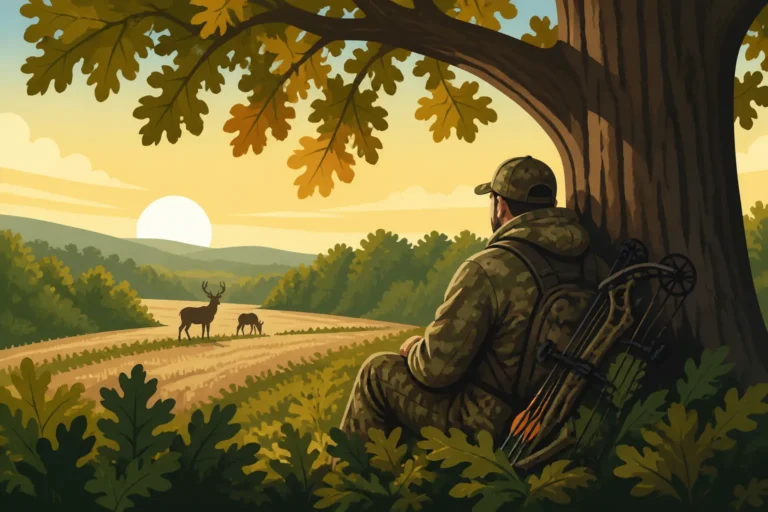
- Strategic Ambush Points: Often, the most effective strategy is to set up an ambush point near a high-traffic area. This could be a natural funnel between two ridge lines, a pinch point along a creek bottom, or a well-used trail leading to a known food source. Treestands or ground blinds can be effective, but ensure your setup offers good visibility and a clean shot, and that you have a clear understanding of the rules for Treestand Setups in Daniel Boone National Forest, if you happen to be in that vicinity. Being able to blend into the natural environment, whether through camouflage or the strategic use of natural cover, is paramount. Many seasoned hunters, myself included, rely on advanced scouting apps like GoHunt to mark sign and analyze topography, which aids in selecting the best ambush spots.
Utilizing Calls and Scents
While not as common as in deer or elk hunting, some hunters do use calls and scents for bears, though their effectiveness can vary greatly depending on the situation and the individual bear.
- Bear Calls: Generally, bear calls aren't about mimicking a bear directly to draw it in, but rather simulating distress calls from other animals. A fawn bleat or rabbit-in-distress call can sometimes pique a bear's curiosity, making them investigate what might be an easy meal. This tactic requires patience and often works best when you suspect a bear is already in the vicinity and you want to draw it closer for a shot. Be aware that these calls can attract other predators too, so always be vigilant.
- Attractants and Scents: In Kentucky, baiting bears for hunting is generally prohibited. However, non-food-based attractant scents (e.g., anise, vanilla, certain commercially available urine or glandular scents) might be used sparingly to draw a bear's attention or curiosity from downwind, especially if legal in your specific zone and situation. Always double-check current KDFWR regulations on what constitutes legal attractant use, as the rules can be very strict. The goal is often to simply make a bear pause or shift its movement slightly to offer a better shot, rather than to lure it a great distance. Remember that any use of these, if permissible, should be done with utmost respect for the environment and other users of public land.
Post-Harvest Requirements and Meat Care in Bear Zone Three
The shot is just the beginning of a successful bear hunt. What comes next – from tagging to meat care – is equally important and demands careful attention to both regulations and practical considerations. Skipping steps here can compromise your harvest and lead to legal issues.
Tagging and Telecheck Procedures
Once your bear is on the ground, the very first thing you need to do is immediately attach your harvest tag to the animal. This is a critical legal requirement. The tag needs to be securely fastened to prevent removal and should remain on the bear until it reaches its final destination for processing or storage.
Next, you must report your harvest through Kentucky's Telecheck system. This usually involves calling a toll-free number or reporting online within a specific timeframe (e.g., 24 hours). You'll provide information like the county of harvest, date, sex of the bear, and your license/permit numbers. This process generates a confirmation number that you must write on your tag. After harvesting, don't forget to report your bear through the Kentucky Telecheck system, and you can often find quick links or season reminders within apps like GoHunt. This telecheck system is vital for KDFWR to monitor the harvest in real-time and ensure that quotas, especially for Zone Three, are not exceeded, leading to a potential season closure. Understanding Kentucky Bear Checking Requirements, particularly how they differ from deer, is non-negotiable.
Additionally, pay close attention to any Chronic Wasting Disease (CWD) surveillance requirements that might apply to the county you hunted in. While CWD is primarily a deer disease, hunters in certain CWD surveillance zones might have specific carcass movement restrictions or mandatory sampling requirements. Always check the latest KDFWR CWD map and guidelines to ensure you're compliant.
Field Dressing and Transporting Your Bear
Field dressing a bear is a substantial undertaking, often more challenging than a deer due to their size, fat layers, and dense muscle. Proper and prompt field dressing is crucial for preserving the meat quality.
- Prompt Cooling: Bears have a thick layer of fat, which acts as an insulator, keeping body heat in. This means they can spoil quickly, especially in warmer early season conditions. Get the hide off and the entrails out as quickly as possible. Skinning the bear in the field, or at least breaking it down into manageable quarters, is highly recommended to aid in rapid cooling. This process will be much easier if you come prepared with a sharp, sturdy knife and, ideally, a partner. Referencing advice on Handling a Bear After the Shot can provide further practical tips for this critical stage.
- Meat Care: Bear meat is delicious when handled properly, but improper care can lead to a "gamey" taste. Remove as much fat as possible during skinning and butchering, as bear fat can go rancid. Keep the meat clean and cool. If you're in a remote area, having game bags to protect the meat from flies and dirt, and ideally, ice packs in coolers waiting at the trailhead, will make a world of difference.
- Transport Challenges: Transporting a bear, especially a large one, out of rugged terrain like that found in parts of Zone Three can be a monumental task. Consider the use of a game cart, a sled, or a frame pack if you plan to bone out the meat. Breaking the animal down into quarters can make it easier to carry, especially when navigating steep slopes or dense undergrowth. Always prioritize your safety and don't attempt to move a bear beyond your physical capabilities. Taking a First Aid Kits for Remote Daniel Boone Forest Ground, and knowing how to use it, is always a good idea when tackling such physical endeavors.
Safety Considerations and Ethical Hunting in Bear Country
Hunting black bears in Kentucky's Zone Three, while exciting, comes with inherent responsibilities, both for your safety and for the ethical treatment of the animal and the environment. These aren't just rules; they're principles that define us as responsible outdoorsmen and women.
Personal Safety in Bear Habitat
While black bears are generally shy and avoid human confrontation, they are powerful wild animals, and caution is always warranted, especially if a sow has cubs or if a bear is habituated to humans (which is rare in hunting zones).
- Be Bear Aware: Make noise as you move through dense cover to avoid surprising a bear at close range. Carry bear spray and know how to use it. While a firearm is your primary hunting tool, bear spray can be a highly effective deterrent in close encounters and may prevent a dangerous situation.
- Hunt with a Partner: Hunting with a partner, especially in remote areas, significantly enhances safety. Not only can they help with tracking and retrieval, but they also provide an extra set of eyes and ears, and an immediate source of assistance in an emergency. In rugged areas, communication devices, like two-way radios, are advisable where cell service is unreliable.
- Know Your Location: Whether you're in the deep timber of Pine Mountain State Forest Hunting areas or the more varied landscapes of Clinton County, always know your precise location. Carry a GPS device or use a reliable mapping app on your phone. Inform someone back home of your hunting plans, including your general area and expected return time. This is basic backcountry safety, but it's often overlooked.
Respecting Private Land and Other Hunters
Kentucky has a mix of public and private lands, and in Zone Three, you might encounter both. Respecting property boundaries and other users of the outdoors is paramount for maintaining good hunter-landowner relations and ensuring continued hunting access.
- Know Property Lines: Whether you're hunting public land or have secured private land permission, understanding property boundaries is non-negotiable. Use mapping apps with public/private land layers to ensure you're always on legal ground. In Kentucky, written permission is often recommended, if not legally required, for hunting private land.
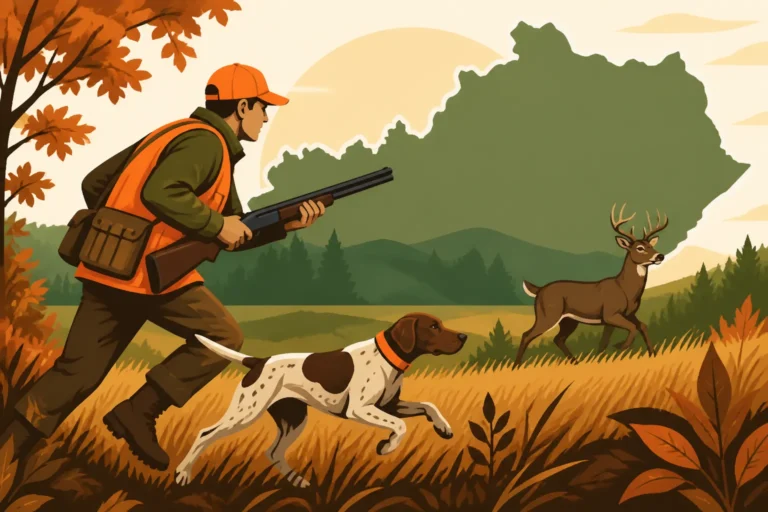
- Blaze Orange Requirements: During any firearm season, Kentucky mandates specific blaze orange (or blaze pink) requirements. Ensure you and any accompanying hunters (even non-hunting companions) wear the minimum amount required. This makes you visible to other hunters and significantly reduces the risk of accidental shootings.
- Ethical Shot Placement: When hunting any large game, ethical shot placement is crucial. Practice with your chosen weapon and ammunition to ensure you can make a clean, humane kill. Knowing where to aim for the vitals of a bear is different from a deer. Understanding Shot Placement on a Kentucky Black Bear ensures a quick, humane harvest and minimizes tracking, which can be difficult and dangerous in dense cover. A wounded bear can be an incredibly formidable and unpredictable animal. If you wound a bear, exhaust every effort to track and recover it, even if it means calling in experienced trackers or hound handlers (if legal and appropriate).
Remember, hunting is a privilege, and preserving that privilege for future generations means always prioritizing safety, ethical conduct, and respect for the resource.
Zone Three Bear Hunting Overview
To help visualize some key aspects of hunting in the new Bear Zone Three, here's a quick summary table:
| Feature | Details | Importance |
|---|---|---|
| Counties Included | Clinton, Wayne (joining parts of McCreary & Pulaski) | Defines the specific hunting area for the new zone. |
| Primary Habitat | Mixed timber, fragmented woodlands, creek bottoms, proximity to agriculture | Influences bear movement, food sources, and effective hunting tactics. |
| Required Permits | Kentucky Hunting License + Kentucky Bear Permit | Legal requirement for all bear hunters; non-negotiable. |
| Season Structure | Archery, Firearms, and specific Bear Dog seasons (check KDFWR for exact dates) | Varies by weapon type and can have different dates/quotas; requires close monitoring. |
| Harvest Quota | Managed by statewide quota (often gender-specific) with potential early closure | Requires hunters to stay informed via Telecheck/KDFWR app for real-time status updates. |
| Key Scouting Focus | Mast crops (acorns, hickory), dense bedding cover, water sources, travel corridors (creek beds, logging roads) | Crucial for locating active bear sign and planning stand locations. |
| Post-Harvest Protocol | Immediate tagging, Telecheck reporting (within 24 hrs), prompt field dressing, rapid cooling, CWD awareness | Legal compliance, meat preservation, and disease monitoring. |
| Safety Gear | Bear spray, first aid kit, GPS/mapping app (e.g., GoHunt), blaze orange (during firearm seasons), hunting partner | Essential for personal safety and responsible hunting practices in bear country. |
Disclaimer
The information provided in this guide is intended for educational and informational purposes only. Hunting regulations, season dates, and permit requirements are subject to change by the Kentucky Department of Fish and Wildlife Resources (KDFWR). Always consult the most current KDFWR hunting guide and regulations prior to any hunting activity. Failure to comply with all applicable laws and regulations can result in penalties. Hunting carries inherent risks, and hunters should always prioritize safety and ethical practices.