Pine Mountain State Forest Hunting
Hunting in a place as majestic and rugged as Pine Mountain State Forest can feel like stepping back in time, offering an incredible challenge and immense reward, but it also comes with its own unique set of frustrations, especially for those used to flatter, more accessible lands. This guide is here to walk you through the distinct landscape, the game you'll find, and the specific strategies you'll need to successfully hunt deer, bear, turkey, and small game in this iconic Eastern Kentucky wilderness.
Understanding Pine Mountain State Forest as a Hunting Destination
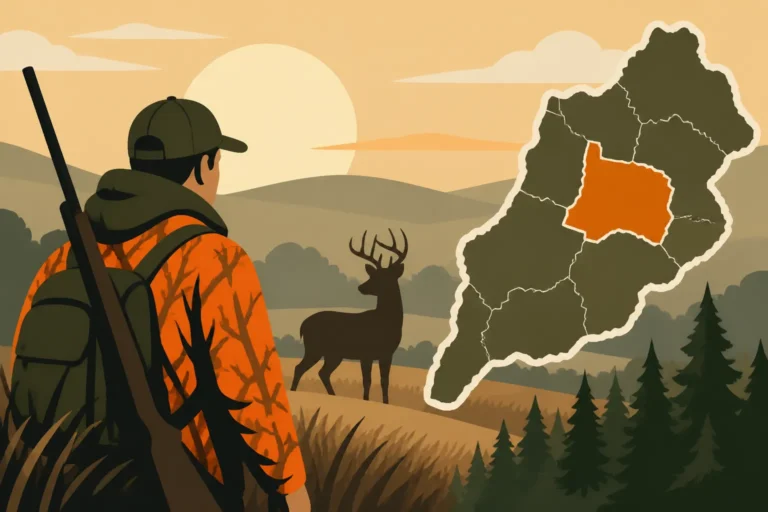
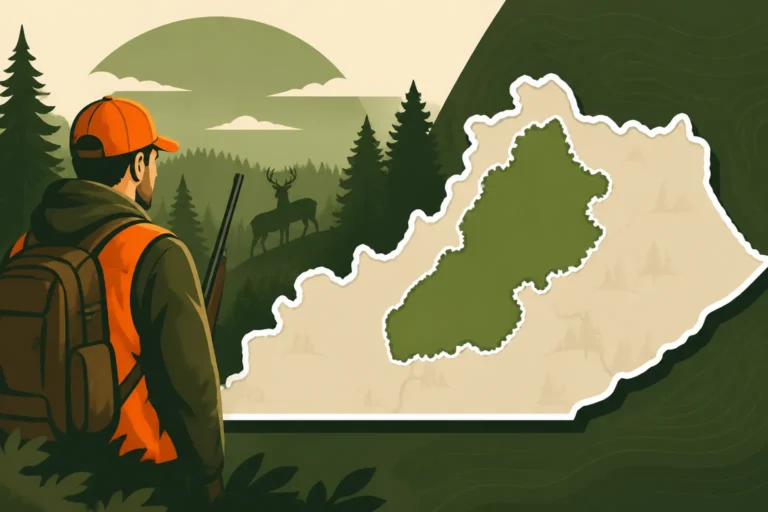
Pine Mountain State Forest isn't just another patch of timber; it's a significant geological and ecological feature that stretches across several southeastern Kentucky counties. Its ancient ridges and deep hollows present a completely different hunting experience compared to the rolling hills of the Bluegrass region or the river bottoms of Western Kentucky. This unique character demands specific preparation and a particular mindset from anyone looking to fill a tag here.
Unique Landscape and Ecosystem
Imagine mile after mile of unbroken forest, where steep slopes plunge into shaded ravines and then rise again to narrow, rocky ridges. That's Pine Mountain. The elevation changes are dramatic, and you'll quickly learn what "mountain legs" truly means. The forest is a diverse mix, dominated by mature hardwoods like oaks and hickories on the upper slopes and ridges, which are absolutely critical for mast production. Down in the hollows, you'll find a different mix, often with more hemlock, rhododendron thickets, and persistent mountain laurel creating incredibly dense cover. These thickets, while a nightmare to walk through, offer prime bedding and escape cover for deer and bears alike.
This rugged topography also influences everything from wildlife movement to thermal air currents. Wildlife tends to travel benches, saddles, and drainages that offer easier passage. Understanding these natural pathways is paramount. Unlike agricultural areas where food plots or cut fields might draw game, here, you're relying on natural mast crops, browse, and the animals' inherent desire for cover and water. The feeling of being truly immersed in a wild, ancient landscape is profound, but it also means fewer easy access points and a lot more sweat equity to get to prime hunting spots.
General Hunting Regulations and Access
When you're planning a trip to Pine Mountain State Forest, you're primarily dealing with statewide Kentucky Department of Fish and Wildlife Resources (KDFWR) regulations, but it's always wise to double-check any specific regulations that might apply to state forests, as these can sometimes have unique rules. Generally, you'll need your basic Kentucky hunting license and appropriate permits for the species you're pursuing, such as a statewide deer permit or a bear permit if you're lucky enough to draw one.
Access to Pine Mountain State Forest can be a bit tricky. While there are a number of county roads and forest service roads that provide entry points, many of the prime hunting spots require significant hiking. Don't expect to drive right up to your stand location in most areas. Parking can be limited, and sometimes you'll find yourself parking along a gravel road shoulder, being mindful not to block any gates or private driveways. It's crucial to consult KDFWR maps or use a robust mapping application like onX Hunt before you go, marking potential parking areas and public land boundaries. This helps you avoid unknowingly trespassing onto private inholdings, which can be surprisingly common and frustrating in areas with checkerboard land ownership. Always confirm the most current regulations and access information directly from the KDFWR website before heading out.
Deer Hunting Strategies in Pine Mountain State Forest
Deer hunting in Pine Mountain State Forest is a beast of its own. It's not about manicured food plots or sitting over standing corn. It's about outsmarting mature, wary deer that are perfectly adapted to their steep, unforgiving home range. The reward, however, is often a truly wild deer earned through hard work.
Scouting the Steep Slopes and Hollows
Pre-season scouting here is less about casual strolls and more about rigorous backcountry exploration. You'll spend a lot of time with your boots on the ground, likely breaking a sweat, long before opening day. The goal is to identify those critical components: food, water, and bedding. Look for heavily used deer trails that typically follow benches along contours or run up and down less-steep drainages. These aren't always obvious, often just faint depressions in the leaf litter. Pay close attention to mast crops – white oak acorns are like gold to deer, and if you find a ridge or hollow where they're dropping, you've found a major attraction. Creek bottoms provide water sources, especially during dry periods, and can concentrate deer movement.
When you're out there, really use your mapping tools, like onX Hunt. Its topographic layers are invaluable for understanding the flow of the land, identifying potential funnels, saddles, and benches that might not be visible from a distance. Mark every rub, scrape, and heavily used trail. These deer tend to bed in thick cover on the steepest, nastiest slopes, often just below the ridge top where they have a commanding view and the wind at their backs. Understanding thermals is also vital here; air currents tend to rise in the morning and fall in the evening, so consider how your scent will carry. Getting a handle on Wind and Thermals on a Kentucky Ridge is crucial for not alerting every deer in the hollow.
Stand Placement and Still-Hunting Tactics
Due to the extreme terrain, traditional ladder stands or even some climbing stands can be challenging or downright impossible to set up safely and effectively. This is where saddle hunting really shines. A hunting saddle offers unparalleled versatility for hanging discreetly in gnarled trees on steep slopes, allowing you to get an ethical shot angle. For those using traditional treestands, focus on accessible benches or less-steep sections of ridges where suitable trees can be found. Always prioritize safety, especially when hanging a stand on unfamiliar, steep ground; a quality safety harness and lifeline are non-negotiable. If you're looking for advice on specific setups, consider strategies outlined in Hanging a Stand on an Eastern Kentucky Ridge.
Still-hunting is also an incredibly effective tactic in the dense timber and broken terrain of Pine Mountain. Moving slowly, stopping frequently to glass and listen, and using the contours of the land for cover can put you within bow or gun range of a buck unaware. Focus on the transition zones – the edges where thick bedding cover meets more open feeding areas. During the rut, bucks will cruise these areas, scent checking for does. Learning to interpret the terrain and anticipating deer movement is a skill honed over many grueling hunts. When you're trying to figure out where deer are moving and why, reading the subtle signs on the forest floor, as discussed in Reading a Ridge for Cumberland Deer, will become second nature.
Bear Hunting Opportunities in Pine Mountain State Forest
The presence of black bears in Kentucky, particularly in the southeastern counties that encompass Pine Mountain State Forest, is one of the state's great conservation success stories. Bear hunting here is an adventure that requires even more dedication and specific knowledge than deer hunting, not only because of their elusiveness but also the unique regulations surrounding them.
Pine Mountain as Part of the Bear Zone
Pine Mountain State Forest lies squarely within Kentucky's designated bear zones, specifically within Bear Zone One and Two, which are the primary areas for bear hunting opportunities. Kentucky's bear population has grown significantly, and hunting is a key management tool to maintain healthy numbers and mitigate conflicts. However, bear hunting here is highly regulated, often involving a limited number of permits drawn through a lottery system, and sometimes with harvest quotas that can close the season early if met. It's absolutely essential to stay on top of the KDFWR's annual bear hunting guide for the most current information regarding season dates, permit applications, and zone-specific rules, which are detailed in Kentucky Bear Zone One and Two Rules.
Drawing a bear permit is a huge accomplishment, and once you have it, the real work begins. Bears are incredibly intelligent and have expansive home ranges. While they can be found anywhere in the state forest, they tend to concentrate in areas with abundant natural food sources, like oak ridges during heavy mast years or areas rich in berry-producing shrubs. Understanding their movements and preferred habitats is critical, and mapping tools like GoHunt can provide valuable insights into regional patterns, even if it's mostly known for Western states, its general data on species range can sometimes be cross-referenced for overall game movement insights.
Tracking and Still-Hunting Bears
Bear hunting in Pine Mountain is primarily a still-hunting and tracking game. There's no baiting or using dogs in many parts of Kentucky's bear zones (always check specific regulations), so it's all about finding fresh sign and carefully pursuing the animal. Bears leave very distinct tracks, scat, and claw marks on trees where they've climbed for nuts or berries. Look for these signs along creek beds, game trails, and particularly on ridges that are producing acorns.
When you find fresh sign, it's time to slow down. Bears often move deliberately, feeding as they go. Still-hunting for bears means moving at a snail's pace, pausing frequently to glass ahead and scan your surroundings. Focus on areas where food sources are concentrated, such as dense oak flats or thick berry patches. Bears have an incredible sense of smell and hearing, so playing the wind and moving silently are paramount. This isn't a hunt for the faint of heart; it's a true wilderness pursuit. For more specialized tactics in this environment, definitely check out articles like Spot-and-Stalk Tactics for Pine Mountain Bears and Hunting Bears Over Natural Mast in the Mountains. It's a challenging but deeply rewarding hunt that puts your woodsmanship to the ultimate test.
Turkey Hunting the Mountainous Terrain
Spring turkey hunting in Pine Mountain State Forest is a breathtaking experience, but it’s certainly not for the casual hunter. These mountain gobblers are notoriously difficult to consistently bring to the call. The steep slopes and vast timber mean you’ll often be working twice as hard for half the opportunities compared to flatter, farmland settings.
Locating Roosts and Staging Areas
Finding a gobbler in this expansive terrain often begins long before dawn, listening for those booming roost calls echoing across the hollows. Turkeys, especially the older toms, will roost in the tallest trees on prominent ridge tops, where they have a commanding view of the surrounding landscape and can fly down safely into open areas. Identifying these roost sites is your first major hurdle. You'll want to be in position, often hiking uphill in the dark, to be near a suspected roost tree at first light. Without a specific roost location, you're essentially looking for a needle in a haystack.
Once you hear a gobbler, the challenge becomes closing the distance and setting up without being seen or heard. The acoustics of the mountains can be deceptive; a gobble might sound close but actually be quite a distance away, or vice versa. Utilize terrain features, such as slight dips in the ridge or patches of thick cover, to move into position. Turkeys will often fly down into open ridge flats or along logging roads and benches as "staging areas" before moving to feed or breed. Understanding Roost Hunting Kentucky Gobblers tactics is a fundamental skill that will serve you well here.
Run-and-Gun vs. Static Setups
For many mountain turkey hunters, the "run-and-gun" approach is the most effective. This involves covering a lot of ground, calling from various vantage points along ridges or logging roads, and quickly moving to intercept a responsive bird. You're essentially using your calls to locate a hot gobbler, then aggressively trying to get in front of him before he loses interest or moves off with hens. This strategy is physically demanding, requiring you to be in good shape and able to move swiftly and silently through the woods. It's often the only way to cover enough ground to find and engage those elusive mountain toms. Learning the nuances of Run-and-Gun Turkey Tactics on Public Land can significantly improve your success rates.
However, there are times when a static setup makes more sense. If you've located a bird that's consistently roosting in the same area or if you know a particular flat or logging road that turkeys frequent, setting up a ground blind or simply sitting against a large tree might be more effective. Decoy use can be hit or miss; in thick timber, decoys might not be visible from a distance, but in more open ridge flats, a single hen or jake decoy can sometimes draw a curious gobbler in. Regardless of your chosen method, having a solid calling strategy, including the ability to perform soft tree yelps at dawn and more aggressive cuts and clucks, will be crucial. Remember, the goal is to convince that bird that a receptive hen is waiting, and a well-executed call, as covered in Calling a Kentucky Gobbler Off the Roost, can make all the difference.
Small Game and Predator Hunting
While deer, bear, and turkey often get the spotlight, Pine Mountain State Forest offers fantastic opportunities for small game and predator hunting. These pursuits can be incredibly rewarding, less physically demanding than pursuing big game (though still a workout!), and often provide a chance to extend your time afield.
Squirrel and Grouse Hunting
Squirrel hunting in Pine Mountain is a traditional and highly enjoyable pastime. The prevalence of mature oak and hickory trees across the ridges and hollows means squirrels have abundant food sources. You'll find both gray and fox squirrels here, and they offer a great way to introduce new hunters to the woods. Still-hunting with a .22 rifle or a small-gauge shotgun is incredibly effective. Walk slowly, pause often, and listen for the rustling of leaves or the tell-tale cutting of nuts. Concentrate on oak ridges during the fall, when acorns are dropping, as detailed in Squirrel Hunting a Kentucky Oak Ridge. It's a hunt that demands patience and keen observation but rewards you with some of the finest wild game meat.
Ruffed grouse, once more common, have seen declines in many parts of Kentucky, but pockets of habitat still exist in the mountainous regions, including Pine Mountain. They prefer young forest stands, often found in clear-cuts or areas of dense rhododendron and mountain laurel thickets. Hunting grouse is a truly challenging pursuit, requiring you to navigate dense cover while keeping an eye out for their explosive flush. A good bird dog can be invaluable, but walking them up can also be successful. Tactics for pursuing these elusive birds are well described in Grouse Hunting the Cumberland Mountains. It's a hunt for the dedicated upland enthusiast, and every bird is hard-earned.
Coyote Hunting in Mountain Country
Coyotes are abundant across Kentucky, and Pine Mountain State Forest is no exception. These wily predators thrive in varied habitats, and the rugged terrain here offers them plenty of cover and prey. Coyote hunting can be a year-round activity and a great way to sharpen your calling skills and spend time outdoors during the big game off-season.
Calling coyotes in mountain country presents its own unique challenges. The steep slopes and dense cover can make sound carry strangely, and it can be hard to pinpoint their location. Setting up on a ridge or saddle where you can oversee a large hollow or drainage is often a good strategy. Use distress calls (rabbit, fawn) to draw them in, varying your call sequence and volume. Be prepared for them to approach from unexpected angles, using the terrain for cover. While often associated with open farmlands, techniques like those used in Coyote Calling in Kentucky Farm Country can be adapted to this environment with proper scouting for good setup locations. Night hunting for coyotes is also legal in Kentucky, but requires careful adherence to specific regulations regarding lighting and methods, so always check the latest KDFWR guide.
Essential Gear and Safety Considerations
Hunting in Pine Mountain State Forest is not a casual stroll; it's a demanding endeavor that requires careful planning, the right gear, and a strong emphasis on safety. The remoteness and challenging terrain mean you need to be self-sufficient and prepared for unexpected situations.
Gear for Mountain Hunting
Your gear list for Pine Mountain needs to be robust. First and foremost, footwear is paramount. Invest in high-quality, waterproof hiking boots with excellent ankle support and aggressive tread. You'll be climbing, descending, and traversing uneven terrain for miles. Blisters or a twisted ankle can quickly turn a great hunt into a miserable experience. Next, your pack is your lifeline. For a day hunt, you'll need enough capacity for essentials. Consider what you would carry for a day in Daniel Boone Forest, as described in Packs for a Daniel Boone Forest Day Hunt. This includes:
- Water: More than you think you'll need. Dehydration is a real risk with all the elevation changes.
- Navigation: A reliable GPS unit or a smartphone with a robust mapping app like onX Hunt is non-negotiable. Download offline maps before you go, as cell service will be spotty or nonexistent in many areas.
- First Aid Kit: A well-stocked kit for cuts, scrapes, blisters, and more serious injuries. Given the remote nature of the terrain, emergency services can take a long time to reach you. Having a comprehensive First Aid Kits for Remote Daniel Boone Forest Ground can save a lot of heartache.
- Layers of Clothing: The weather in the mountains can change rapidly. Start with moisture-wicking base layers, add insulating mid-layers (fleece or wool), and always carry a waterproof and windproof outer shell. Wool or quality synthetics are preferred over cotton, as cotton loses its insulating properties when wet.
- Headlamp: Even if you plan to be out before dark, a headlamp with extra batteries is crucial for early morning hikes to your stand or late-evening blood trailing.
- Fire Starting Material: Waterproof matches, a lighter, or a ferro rod can be a lifesaver in an emergency.
- Knife and Game Processing Tools: For field dressing, even if you plan to use the gutless method.
- Emergency Whistle: For signaling.
Your choice of rifle or bow should be appropriate for the terrain. Shots are often closer in the thick woods but can sometimes open up on a ridge top. Consider a caliber with enough power for deer or bear but that you can shoot accurately in potentially awkward positions. For muzzleloader season, ensure your setup is reliable in damp conditions, as keeping powder dry can be a challenge.
Navigational Challenges and Safety
Getting lost in Pine Mountain State Forest is easier than you might imagine. The terrain can be disorienting, and one hollow looks much like the next after a few hours of walking. Always, always let someone know exactly where you're going and when you expect to return. Share your specific hunting area on a map.
Beyond getting lost, general hunting safety is paramount. Always handle firearms responsibly, knowing your target and what is beyond it. During any firearms season, blaze orange is required in Kentucky, and it's a critical safety measure to ensure you're visible to other hunters. Even during archery season, wearing a blaze orange hat or vest when walking in and out can significantly increase your safety. Check the current KDFWR regulations for the exact requirements.
Consider the physical demands of hunting here. It's steep, and the ground is uneven, often covered in loose rocks and slick leaves. Take your time, watch your footing, and stay hydrated. Packing out a deer or bear from a deep hollow is an immense undertaking, so plan your extraction strategy carefully before you even pull the trigger. Consider bringing a deer cart if you expect to be near a logging road, or be prepared to quarter your animal and pack it out. The wilderness experience on Pine Mountain is unparalleled, but it demands respect and preparation.
| Species | Primary Habitat | Key Challenges | Recommended Tactics |
|---|---|---|---|
| Deer | Oak/hickory ridges, dense hollows, benches | Steep terrain, thick cover, wary deer, thermals | Still-hunting, saddle hunting, focused scouting for mast/beds |
| Bear | Mast-producing ridges, berry thickets, remote | Elusiveness, limited permits, tracking, dense cover | Still-hunting, sign tracking, playing the wind |
| Turkey | Ridge tops for roosting, open flats for strut | Deceptive acoustics, physically demanding, elusive gobblers | Roost hunting, run-and-gun, aggressive calling |
| Squirrel | Mature oak/hickory stands | Quick movement, spotting in dense canopy | Still-hunting with .22 or shotgun, listening for cuttings |
| Grouse | Young forest, rhododendron thickets | Explosive flushes, dense cover, declining populations | Working thickets, using a dog (if allowed), quick shots |
| Coyote | Varied, using terrain for cover | Wary nature, difficult calling acoustics | Calling from vantage points, playing the wind, patience |
Disclaimer
This article is for general informational purposes only and does not constitute professional advice. Laws, prices and regulations vary by location and change over time. Consult a qualified professional for guidance on your specific situation.