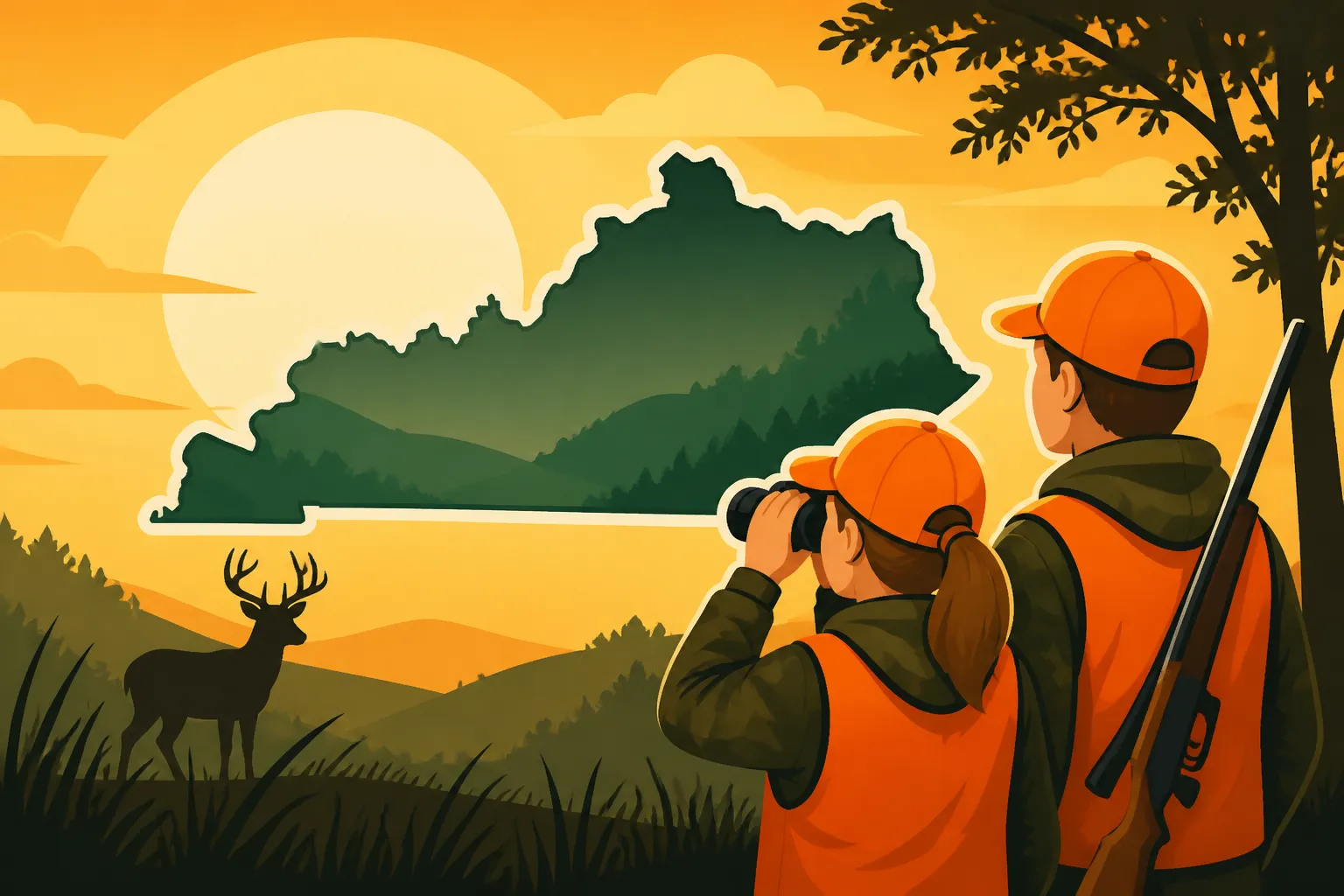
Hunting the Kentucky Youth Firearms Weekend
One of the most rewarding experiences in Kentucky hunting is introducing the next generation to the outdoors. However, navigating the specific rules and unique considerations for bringing a young hunter afield can feel overwhelming, especially when you want to ensure a safe, successful, and memorable trip. This guide will walk you through everything you need to know about hunting the Kentucky Youth Firearms Weekend, offering practical advice and insight to make it a truly special occasion for everyone involved.
Understanding the Kentucky Youth Firearms Weekend
The Kentucky Department of Fish and Wildlife Resources (KDFWR) has long recognized the importance of recruiting and retaining hunters. The Youth Firearms Weekend is a cornerstone of this effort, providing a dedicated opportunity for young people to experience deer hunting with firearms in a structured, mentored environment. It’s designed to be a less pressured introduction compared to the general season, often falling at a time when deer movement might be predictable, yet before the woods get too crowded.
Key Dates and Eligibility
The Kentucky Youth Firearms Weekend typically takes place in mid-October, offering a fantastic early opportunity for young hunters before the rush of the statewide modern gun season. While the specific dates can shift slightly each year, it's usually a two-day event, running Saturday and Sunday. You can always check the KDFWR hunting guide or their website for the most up-to-date schedule, specifically looking for the exact dates of the Kentucky Youth Firearms Weekend.
To participate, youth must be 15 years of age or younger at the time of the hunt. This isn't just a free-for-all; it's a carefully supervised event. Each youth hunter must be accompanied by an adult mentor who is at least 18 years old. This mentor must meet hunter education requirements and cannot carry a firearm or bow. Their role is purely supervisory and guiding. This adult's primary focus should be on teaching and ensuring safety, not on harvesting their own game. It's a fantastic chance for mentors to reinforce responsible hunting practices and conservation ethics. Remember, while this weekend is early, there's also The Free December Youth Hunting Weekend which offers another dedicated opportunity later in the year, sometimes with even more lenient rules for antlerless deer.
The "Why" Behind Youth Hunting Opportunities
These dedicated youth seasons aren't just arbitrary dates on a calendar; they're a strategic part of wildlife management and hunter recruitment. The "why" is deeply rooted in education, safety, and fostering a lifelong passion for the outdoors. By setting aside specific weekends, KDFWR aims to:
- Reduce Pressure: The woods are generally less crowded during these youth-only windows compared to the regular firearms seasons. This creates a calmer, less intimidating environment for new hunters, allowing them to focus on learning without feeling rushed or overwhelmed by other hunters.
- Emphasize Mentorship: The requirement for an adult mentor ensures that every young hunter receives direct, hands-on guidance. This one-on-one attention is invaluable for teaching everything from safe firearm handling to reading deer sign and understanding wildlife behavior. It's truly about passing down a tradition, not just bagging an animal.
- Boost Hunter Recruitment: By making hunting accessible and enjoyable for youth, these seasons are crucial for hunter recruitment and retention. When children have positive early experiences, they are far more likely to continue hunting as adults, ensuring the future of conservation funding and wildlife management in Kentucky.
- Promote Safety: With adult supervision as a mandatory component, these weekends inherently prioritize safety. Mentors are there to enforce proper gun handling, safe shooting zones, and ethical decision-making, setting a strong foundation for future hunts. It's a practical application of the lessons learned during the mandatory Kentucky Hunter Education Requirements.
Planning Your Youth Hunt
Preparation is paramount for any hunting trip, but especially so when you're bringing a young hunter. Their comfort, engagement, and safety are the top priorities. A well-planned youth hunt can turn a good experience into an unforgettable one.
Gear Essentials and Safety First
When it comes to gear, thinking "youth-friendly" is key. A child-sized stock on a rifle, or a lightweight .243 or 6.5 Creedmoor, can make a huge difference in comfort and accuracy. Make sure the firearm fits them well and that they can comfortably hold and aim it. Recoil is a major factor, so consider lighter calibers or even a suppressed firearm if possible to enhance their shooting experience without the intimidation. Check out Choosing a Rifle Caliber for Kentucky Deer for more insights on appropriate calibers.
Safety gear is non-negotiable. Every hunter, especially youth, must wear appropriate amounts of blaze orange. Kentucky law mandates specific requirements, so ensure you know How Much Blaze Orange Kentucky Requires and have enough. Eye and ear protection are absolutely essential, even during the hunt itself, as a muzzle blast in an enclosed blind can be jarring. A good pair of shooting glasses and ear muffs, or even electronic ear pro that amplifies woods sounds while suppressing gunshots, will make them more comfortable and safer.
Beyond the firearm and safety gear, consider comforts:
- Warm, waterproof clothing: Kentucky weather in October can be unpredictable. Layers are your friend.
- Comfortable seating: A small folding chair or cushion for a blind.
- Snacks and drinks: Crucial for keeping energy and morale high during long waits.
- Entertainment: A quiet book, a small notepad for drawing, or a simple game can help keep a young hunter engaged during slow periods in the blind.
- First-aid kit: Always have one well-stocked for minor scrapes or emergencies.
Scouting and Location Selection
Choosing the right spot is vital for a youth hunt. You want a place that offers a reasonable chance of seeing deer, but also one that is easily accessible and safe. Public land options like Kentucky Wildlife Management Areas (WMAs) or even parts of Daniel Boone National Forest can be great, but be mindful of potential pressure. Private land, if you have access, often provides a more controlled and less crowded environment.
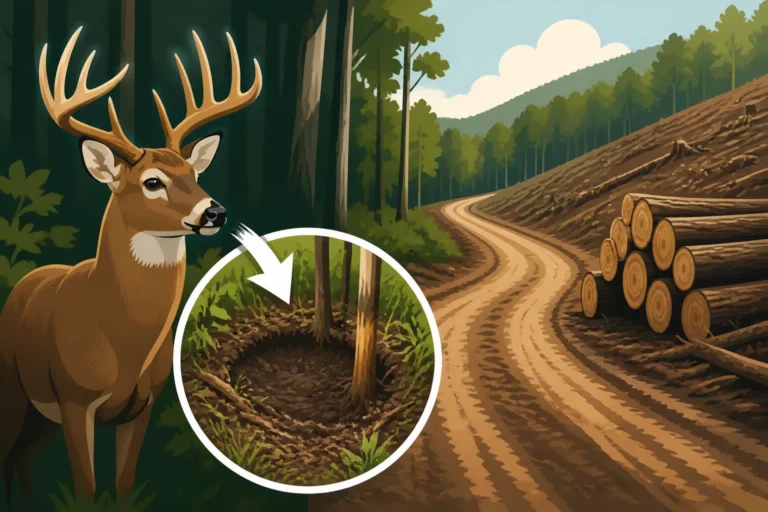
Before the season, dedicate time to Scouting Kentucky Public Land Before Season. Look for deer trails, fresh tracks, rub lines, and scrape lines. Identify food sources – acorns, standing crops, green fields – and water sources. These are the magnets that will draw deer. For scouting, tools like GoHunt can be incredibly helpful. Their mapping features allow you to overlay public land boundaries, analyze topography, identify potential bedding areas, and locate hidden pockets of cover or food that might hold deer. Using GoHunt to study aerial photos and topo maps from home can save you hours of boots-on-the-ground scouting, helping you pinpoint high-potential areas and plan your access routes. When you do hit the woods, focus on areas with good visibility but also enough cover to make deer feel secure.
When selecting a stand location, prioritize safety and comfort for your young hunter. A sturdy ladder stand with a rail, a well-brushed-in ground blind, or even just a natural blind against a thick tree can work. For youth, a ground blind often offers more flexibility for movement and comfort. Using a Ground Blind on Kentucky Public Land can provide excellent tips on setting one up effectively. Ensure the shooting lanes are clear and safe, with a solid backstop behind any potential shot.
Tactics for a Successful Youth Firearms Hunt
Success on a youth hunt isn't solely measured by a harvest. It's about the experience, the lessons learned, and the memories made. However, employing smart tactics certainly helps increase the chances of seeing deer and making the hunt exciting.
Patient Hunting Strategies
Deer hunting often demands patience, and that's especially true when hunting with a young person. Short attention spans are common, so be prepared to adapt. Static hunting from a comfortable ground blind or a well-secured tree stand is usually the best approach. It allows for minimal movement, warmth, and the ability to quietly entertain if things get slow.
- Timing is Everything: Focus your efforts during prime deer movement times – early morning and late afternoon. These are when deer are most likely to be actively feeding or moving between bedding and feeding areas. The middle of the day can be used for quiet breaks, snacks, or a short walk to stretch legs, as long as it doesn't disturb your primary hunting area.
- Minimize Movement and Noise: Deer have incredible senses. Teach your young hunter the importance of being still and quiet. Explain why whispering is better than talking, and why slow movements are crucial.
- Focus on the Journey: Instead of fixating on a harvest, point out other wildlife: squirrels, birds, turkeys. Talk about the trees, the tracks you see, and the sounds of the forest. Engage them in learning about the ecosystem. This approach reduces pressure and makes the waiting more enjoyable. Using a mapping app like GoHunt can also be a teaching tool; show them where you are, where you expect deer to come from, and how the terrain influences movement.
- Dress for Success: Ensure your young hunter is dressed in layers to stay warm and dry, even if it feels mild. Being cold or uncomfortable is a quick way to sour a hunting experience. Warm socks, waterproof boots, and a good hat are often overlooked but critical. Clothing for a Kentucky Late Season offers great advice on layering, much of which applies to any cool-weather hunt.
Post-Shot Protocol and Game Recovery
The moment of truth can be exhilarating and a little chaotic, especially for a new hunter. It's crucial to have a clear, calm plan for what to do after a shot is taken.
- Stay Calm, Observe, and Wait: Immediately after the shot, instruct your youth hunter to stay focused on where the deer was standing and observe its reaction and direction of travel. Mark the spot visually. Then, wait. For a deer that runs, a good 30-60 minute wait (longer if it's a gut shot) before tracking is often best to allow the animal to lie down and expire.
- Mark the Last Known Location: Before leaving the stand or blind, walk directly to where the deer was when shot. Look for blood, hair, or disturbed earth. Mark this spot with flagging tape or an easily identifiable landmark. This is your starting point for the track.
- Blood Trailing: Teach your young hunter how to methodically blood trail, looking for small drops of blood, disturbed leaves, or broken twigs. Don't rush. Walk slowly, scanning the ground. If you lose the trail, circle back to the last known blood sign and expand your search outwards. In Kentucky's leaf litter, this can be challenging, but patience pays off. If you're struggling, tools like GoHunt often have features to mark waypoints, which can be invaluable for pinpointing blood spots and mapping the trail.
- Field Dressing and Telechecking: Once the deer is recovered, talk your youth hunter through the field dressing process. Explain why it's done and how it helps preserve the meat. Field Dressing a Deer in Cold Weather provides detailed steps. This is another critical learning opportunity. After the deer is field dressed and back to camp or your vehicle, it's time for the legal requirement: reporting the harvest. Every deer harvested in Kentucky must be reported via Telecheck. Guide your youth hunter through Telechecking a Kentucky Deer Harvest to complete this important step correctly. This is part of being a responsible, ethical hunter.
Making it an Experience, Not Just a Hunt
While harvesting a deer is certainly a thrill, the true value of a youth hunt extends far beyond the kill. It's about forging connections, building character, and instilling a deep respect for nature.
Beyond the Harvest: Learning and Mentorship
The mentor's role during the Youth Firearms Weekend is arguably more important than during any other hunt. You are not just supervising; you are teaching. This is a chance to pass on invaluable knowledge that goes far beyond pulling a trigger.
- Conservation and Ethics: Discuss the importance of hunting as a conservation tool. Explain how license fees fund wildlife management and habitat restoration. Talk about fair chase, respect for the animal, and only taking ethical shots. These foundational principles ensure that they grow into responsible stewards of the land and its wildlife.
- Woodsmanship Skills: Teach them how to identify different trees, read tracks, understand wind direction and thermals, and recognize the various sounds of the forest. These skills are empowering and make every trip outdoors more enriching, whether they're hunting or just hiking.
- Patience and Perseverance: Hunting often tests patience. Use slow periods to discuss these virtues. Explain that success isn't guaranteed, but perseverance and learning from each experience are key. This is a life lesson, not just a hunting lesson.
- Environmental Awareness: Engage their curiosity about the natural world. Point out different plants, talk about why a certain area might hold deer, or explain how a stream provides a travel corridor. Fostering this awareness helps them appreciate the bigger picture of the ecosystem. Mentoring extends to understanding the broader Kentucky Deer Season Structure Explained and how their hunt fits into the larger conservation effort.
Building Lasting Memories
Beyond the specifics of hunting, focus on creating an overall positive and memorable experience. These are the moments that will shape their future interest in hunting and the outdoors.
- Foster a Positive Atmosphere: Keep the mood light and fun. Celebrate small victories, like seeing a squirrel or hearing a distant gobble. Avoid criticism and focus on encouragement. If a shot is missed or a deer isn't seen, frame it as a learning opportunity, not a failure.
- Camp Traditions: If you're going to a deer camp, involve them in the traditions. Cooking together, telling stories around a fire, and sharing responsibilities all contribute to the experience. These shared activities create bonds that last a lifetime.
- Document the Journey: Take photos (respectfully, after the hunt and field dressing) of the entire experience, not just a successful harvest. Capture the moments of hiking, sitting in the blind, or even just sharing a laugh. These images become cherished memories.
- The "Why" Beyond the Kill: Reiterate that hunting is about connecting with nature, providing healthy food, and spending quality time with family and friends. A harvest is a bonus, but the true reward is the journey itself. A youth hunt is a unique opportunity to instill these values, setting the stage for a lifetime of ethical, responsible outdoor adventure.
Disclaimer
The information provided in this guide is for general informational purposes only and does not constitute legal advice. Hunting regulations and seasons in Kentucky are subject to change. Always consult the official Kentucky Department of Fish and Wildlife Resources (KDFWR) regulations and publications before engaging in any hunting activities to ensure compliance with all current laws and safety guidelines.