Clothing for a Kentucky Late Season
There’s nothing quite like the late season in Kentucky. The woods are quiet, the leaves are mostly down, and often, those big mature bucks are finally starting to move in daylight. But let's be honest, those beautiful late-season days can turn brutal faster than a coyote can slip into the timber. Many a hunter has had a prime sit ruined, or even cut short, because they simply weren't dressed for the unpredictable chill, the biting wind, or that sudden, bone-soaking rain. This guide is all about helping you conquer the cold, stay comfortable, and extend your time in the stand, no matter what Kentucky’s late season throws at you.
Understanding Kentucky's Late Season Weather Patterns
Kentucky’s late season, typically spanning from late November through January, is a whole different beast compared to early fall. The crisp mornings of September are long gone, replaced by a raw, often damp chill that can penetrate even the most robust gear if you're not prepared. Understanding these unique weather patterns is your first step to dressing for success.
The Inherent Volatility of Winter Weather
One minute, you might be enjoying a relatively mild, calm afternoon, thinking you've got it made. The next, a cold front can roll through, bringing with it a dramatic drop in temperature, whipping winds, or even freezing rain. This isn't just a slight adjustment; it’s often a complete shift from bearable to miserable in a matter of hours. You need to be ready for anything, from a sunny, high-30s day to a low-20s day with a biting 15 mph wind that makes it feel much colder. This volatility means that what worked for you on opening day likely won't cut it when the deer season is winding down in December or January. You absolutely cannot underestimate the chill factor when that thermometer dips below freezing and the wind picks up.
The Role of Humidity and Precipitation
Unlike the dry cold you might find further north, Kentucky often battles with damp cold. The humidity can be surprisingly high, even when temperatures are low, and this moisture amplifies the feeling of cold. That 30-degree morning with high humidity feels much more penetrating than a dry 30-degree morning. Then there's the ever-present threat of precipitation: a drizzle that turns into a steady rain, sleet, or even wet snow. Getting wet in cold weather is not just uncomfortable; it's genuinely dangerous, leading to hypothermia if not addressed quickly. Your clothing system must be capable of shedding water while still providing warmth. When planning your late-season hunts, you should always be checking the forecast on reputable platforms to gauge not just the temperature, but also the wind chill and the chance of precipitation. Looking at a detailed hourly forecast, perhaps using the comprehensive weather overlays on a platform like GoHunt, can help you make critical decisions about what layers to pack and wear for your specific hunting window.
The Layering System: Your Best Defense Against the Cold
If there’s one golden rule for staying warm and comfortable in the late season, it's layering. Forget those bulky, single-piece hunting suits of yesteryear that leave you sweating on the hike in and freezing on the stand. A well-designed layering system allows you to adapt to changing conditions, activity levels, and fluctuating body temperatures, ensuring you stay dry and insulated from dawn till dusk.
Why Layering Works So Well
The magic of layering lies in its ability to trap air between different garments. Air is a fantastic insulator, and multiple thin layers create numerous pockets of trapped air, providing far more warmth than a single thick layer of equivalent weight. Furthermore, layering gives you dynamic control over your personal microclimate. As you hike to your stand, you can shed an outer layer to prevent overheating and sweating. Once you settle in, you can add it back, trapping that precious body heat. This adaptability is crucial in Kentucky, where a strenuous walk up Eastern Kentucky ridges might have you sweating, only to face a long, motionless sit in a frigid stand later. It's all about managing your core temperature and moisture.
Components of a Complete Layering System
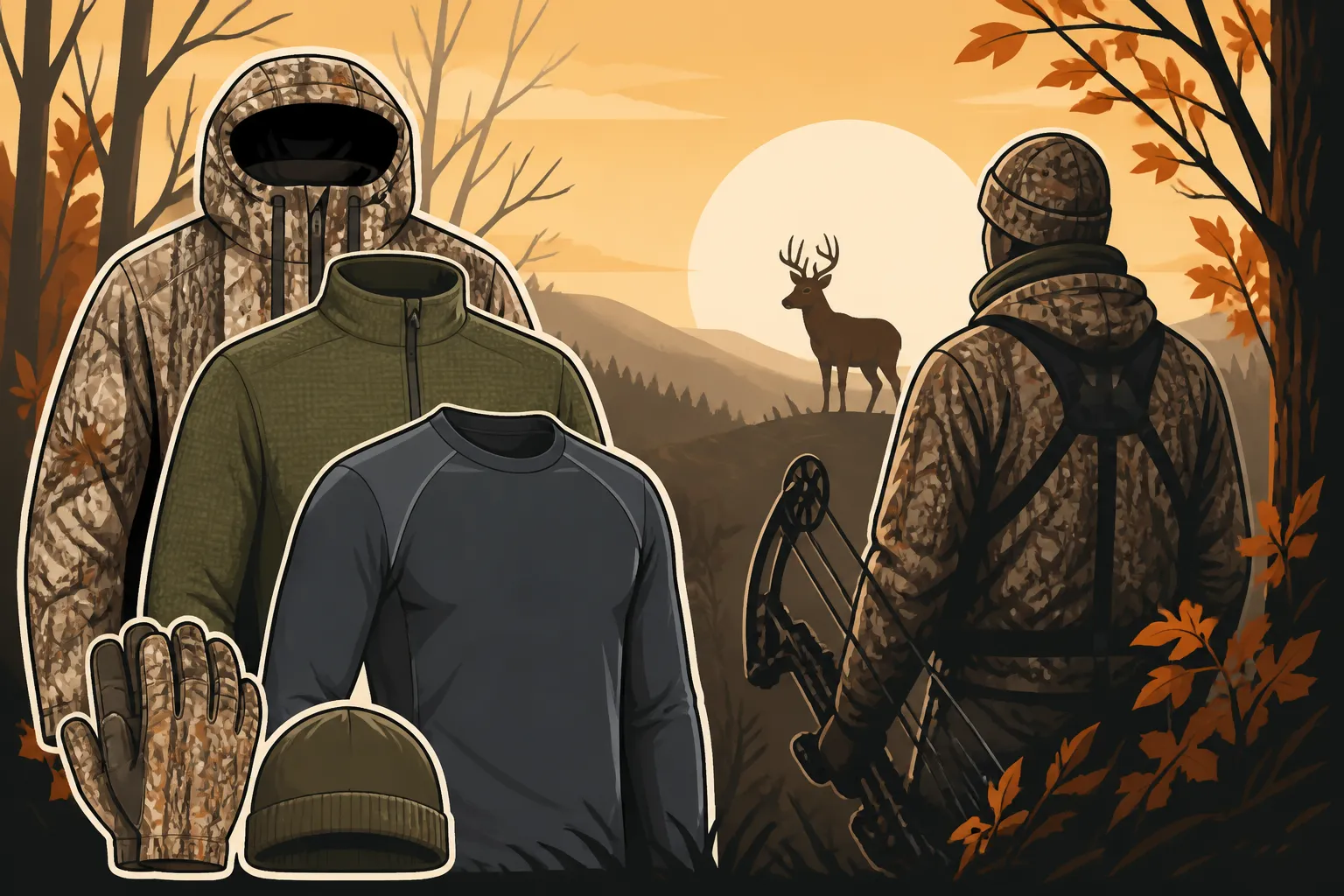
A typical late-season layering system consists of three primary categories: base layers, mid-layers, and outer layers. Each plays a distinct and vital role in keeping you warm, dry, and protected. Think of it like a finely tuned machine, where each component works in harmony with the others. Ignoring one piece can compromise the effectiveness of the entire system. Beyond these three core categories, you also have specialized items for your extremities – head, hands, and feet – which are often the first to get cold and can dictate how long you can comfortably stay in the woods. We'll delve deeper into each of these components, but understanding their interaction is key to building a functional and effective cold-weather hunting wardrobe.
Base Layers: Managing Moisture is Key
The foundation of any effective cold-weather hunting system is the base layer. This is the garment that sits directly against your skin, and its primary job isn't just to add warmth, but crucially, to manage moisture. Sweating is inevitable when you're hiking to your stand, even in cold weather, and if that sweat stays on your skin, it will rapidly cool you down once you stop moving, making you feel much colder than the ambient temperature.
The Importance of Wicking and Breathability
A high-quality base layer works by wicking moisture (sweat) away from your skin and transferring it to the outer surface of the fabric, where it can evaporate. This process keeps your skin dry, which is paramount for maintaining body heat. Simultaneously, a good base layer needs to be breathable, allowing some vapor to escape without losing too much warmth. When you're trying to stay warm on a long, stationary sit, especially Hunting Deer After a January Cold Front, you want your body to be as dry as possible. Imagine the feeling of damp underwear or a clammy shirt against your skin when the temperature plummets – it's a quick trip to misery. Investing in a good base layer means investing in comfort and safety.
Material Choices: Merino Wool vs. Synthetics
When it comes to base layers, you generally have two excellent material choices: merino wool and synthetic fabrics. Each has its strengths.
Merino Wool: Merino wool is a natural fiber renowned for its exceptional warmth-to-weight ratio, incredible softness (it’s not itchy like traditional wool), and superior odor resistance. Critically for hunters, merino wool retains much of its insulating properties even when wet. This is a huge advantage if you get caught in a drizzle or work up a sweat on the walk in. It's naturally antimicrobial, meaning you can wear it for several days without it smelling like a locker room, which is a major plus on multi-day hunts or when trying to minimize human scent. For hunters who value quiet movement and natural materials, merino is often the top choice. You can find excellent quality merino base layers that are thin enough for mild days but still provide significant warmth.
Synthetics (Polyester, Polypropylene): Synthetic base layers, typically made from polyester or polypropylene, are often more affordable than merino wool and excel at rapid moisture wicking. They are designed to dry incredibly fast, which can be a lifesaver if you get soaked. Many synthetics are also engineered with anti-odor treatments, though they generally don't match merino's natural resistance over multiple days. They tend to be very durable and hold up well to repeated washing. For hunters who anticipate high exertion levels and need very quick drying times, synthetics are a strong contender. Some hunters even prefer a blend of merino and synthetic for a hybrid approach, combining the best features of both. The key is to avoid cotton at all costs; it absorbs moisture and holds it against your skin, creating a chilling effect that can quickly lead to hypothermia. As we discuss in Wool Versus Synthetics in Wet Cold, the material choice can dramatically impact your comfort in adverse conditions.
Mid-Layers: Insulation and Warmth
Once you've got your base layer doing its job of wicking moisture, your mid-layers step in to provide the bulk of your insulation. These layers are all about trapping body heat and preventing it from escaping, acting as your primary barrier against the cold. Depending on the conditions and your activity level, you might wear one or multiple mid-layers.
The Principle of Trapped Air
Mid-layers achieve their insulating power by trapping air within their fibers or structure. The more air a fabric can trap, the warmer it will generally be for its weight. This is why materials that are "lofty" or "puffy" tend to be excellent insulators. The choice of mid-layer material will significantly impact your warmth, compressibility, and how it performs if it gets wet. In a still-hunting scenario on Still-Hunting Eastern Kentucky Ridges, you'll appreciate the quiet warmth of a good mid-layer as you slowly navigate the timber.
Types of Mid-Layer Insulation
There are several popular materials used for mid-layers, each with distinct advantages:
Fleece: Fleece is a synthetic fabric (usually polyester) known for being soft, lightweight, and relatively inexpensive. It traps a lot of air, providing excellent warmth, and it continues to insulate even when damp. It’s also fairly quick-drying. Fleece comes in various thicknesses, from lightweight microfleece to heavy "300-weight" fleece. For milder late-season days or as a primary insulating layer under a shell, a heavier fleece can be perfect. It's a workhorse for many Kentucky hunters due to its versatility and comfort.
Down: Nature’s finest insulator, down (typically from geese or ducks) offers an unparalleled warmth-to-weight ratio. It's incredibly compressible, making it easy to pack, and exceptionally warm when dry. However, down's major drawback is its performance when wet; once soaked, it loses almost all its insulating properties and takes a long time to dry. Many modern down garments use "hydrophobic" treated down to resist moisture, but it's still best kept dry. For very cold, dry days, or as a "kill layer" you put on when you reach your stand, down is king.
Synthetic Fill (Primaloft, Thinsulate, etc.): Synthetic insulation, like Primaloft or Thinsulate, is designed to mimic the properties of down but without its susceptibility to moisture. These materials are made from fine synthetic fibers that trap air, providing excellent warmth even when wet. They are generally less compressible and heavier than down for equivalent warmth but are far more robust in damp conditions. For the unpredictable, often wet, cold of Kentucky, synthetic fill mid-layers are often a more practical choice than down for active hunting or situations where getting wet is a real possibility. They strike a great balance between warmth, packability, and performance in adverse weather, making them a reliable choice for long sits in a cold treestand.
Outer Layers: Protection from the Elements
Your outer layer, often called a shell, is your first line of defense against the truly harsh external elements – wind, rain, and snow. It's not primarily for insulation (though some outer layers do have insulation built-in), but rather for protection, keeping your internal warmth system safe and dry. Choosing the right outer layer is critical for staying comfortable and safe during those bitter late-season hunts.
Impermeable Barriers Against Wind and Water
The most important function of your outer layer is to create an impermeable barrier against wind and water. A biting wind can strip away your body heat incredibly quickly, a phenomenon known as wind chill. Even a small breeze on a 20-degree day can make it feel like 5 degrees or colder. A windproof outer layer stops this convective heat loss dead in its tracks. Equally vital is waterproofing. As mentioned, getting wet in cold weather is dangerous. Your outer layer needs to shed rain and snow effectively, preventing moisture from reaching your insulating layers. Many modern outer layers utilize advanced waterproof-breathable membranes, such as Gore-Tex or similar technologies, which block external moisture while still allowing internal moisture (sweat vapor) to escape, preventing you from getting clammy inside your gear. When you're dealing with typical Kentucky Late Muzzleloader Tactics in damp December weather, good rain gear is non-negotiable.
Stealth, Durability, and Scent Control
Beyond protection from the elements, a good outer layer for late-season Kentucky hunting also needs to consider stealth, durability, and for deer hunters, scent control.
Stealth: The late season means thinner cover. Your movements and sounds are more easily detected. Therefore, your outer layer needs to be quiet. Stiff, crinkly fabrics will betray your position every time you shift in your stand or draw your bow. Look for soft, brushed fabrics that minimize noise. Modern materials often achieve both waterproofing and quietness through clever design.
Durability: You'll be busting through briars, climbing trees, and dragging deer through rough terrain. Your outer layer needs to stand up to abuse without tearing or snagging easily. Reinforced knees, elbows, and shoulders are a huge plus. Investing in a durable outer layer means it will last you for many seasons to come.
Scent Control: For deer hunters, scent control is always a concern, but it becomes even more critical in the late season when deer are often warier and more attuned to their surroundings. Many outer layers incorporate scent-control technologies, either through carbon activated layers, silver ions, or other antimicrobial treatments, to minimize human odor. While no system is foolproof, these technologies can give you a crucial edge, especially when Hunting the Rut in Early November or later when deer are on high alert. Remember, proper wind management is still your number one scent control tactic, but these technologies add an extra layer of confidence.
Extremities: Don't Forget the Details
It’s an old adage, but true: if your head, hands, or feet are cold, you’re cold. These extremities are often the first parts of your body to lose heat, and neglecting them can quickly lead to discomfort that sends you packing well before legal shooting light ends. Investing in high-quality gear for your head, hands, and feet is just as important as your core layering system, perhaps even more so when Cold-Weather Sitting Strategy in Kentucky is paramount.
Headwear: Trapping Critical Heat
You lose a significant amount of body heat through your head, even more so if you're bald or have very short hair. A warm hat is not just a comfort item; it’s a critical piece of insulation.
- Wool or Fleece Beanies: These are classic choices for a reason. They're warm, lightweight, and can easily be pulled down over your ears. Look for options that are wind-resistant if possible.
- Insulated Trapper Hats: For truly frigid conditions, a trapper-style hat with ear flaps that can be secured under your chin offers maximum warmth and protection from wind.
- Balaclavas and Neck Gaiters: These are invaluable for covering your face, neck, and ears, especially when the wind is howling or the temperatures plummet. They provide excellent additional insulation and can be pulled up or down as needed. A simple fleece neck gaiter can make a world of difference on a bitter morning.
Hand Protection: Dexterity vs. Warmth
Keeping your hands warm while maintaining dexterity is a classic hunting challenge. You need to be able to safely handle your firearm or bow, use your calls, and operate other gear without fumbling.
- Layering for Hands: Just like your body, layering can work for your hands. Thin glove liners (wool or synthetic) can be worn underneath heavier gloves or mittens. This allows you to remove the outer layer for fine motor tasks while still having some protection.
- Gloves vs. Mittens: Mittens are generally warmer than gloves because your fingers share body heat. However, gloves offer superior dexterity. Many hunters opt for a compromise: warm mittens that have a flap for freeing your fingers (often called "shooter's mittens" or "glomitts"), or gloves with very warm, insulated backings and lighter palms.
- Hand Warmers: Chemical hand warmers are a hunter's best friend in extreme cold. Slip them into your gloves or mitten pockets, or even into a dedicated hand muff. For longer warmth, look into reusable electronic hand warmers that can be charged via USB. Hand Warmers That Last a Full Sit can be the difference between staying in the stand and packing up early.
Footwear: Keeping Your Foundation Warm and Dry
Cold feet are a deal-breaker for most hunters. Once your feet get cold and wet, it's incredibly difficult to warm them back up in the field.
- Insulated Boots: For late-season Kentucky, insulated, waterproof boots are essential. Look for boots with at least 800-1200 grams of Thinsulate or similar insulation. The amount of insulation you need depends on your activity level (more insulation for sitting, less for active walking) and personal tolerance. Rubber boots are excellent for wet, muddy conditions, but make sure they are insulated. Leather boots, if waterproofed, can also be great but tend to be heavier. Consider going up a half size to allow for thicker socks. Insulated Boots for All-Day Sits are a game-changer.
- Wool Socks: Merino wool socks are vastly superior to cotton for cold-weather hunting. They wick moisture, provide cushioning, and, most importantly, retain warmth even if they get damp. Avoid overly thick socks that compress your feet in your boots, as this reduces circulation and can actually make your feet colder. A good quality merino blend, perhaps a mid-weight pair over a thin liner, is often ideal. Bring an extra pair to change into if your feet get wet on the walk in.
By paying attention to these crucial details, you can significantly increase your comfort and endurance in the late season.
Specialized Gear and Accessories for Peak Performance
Beyond the core layering system and essential extremity protection, there are several specialized items and accessories that can elevate your late-season hunting comfort from merely tolerable to genuinely enjoyable. These small additions can make a huge difference, particularly during long, motionless periods in frigid temperatures.
Heating Aids and Comfort Boosters
Sometimes, even the best layers need a little help to ward off the deep chill, especially when sitting perfectly still for hours.
- Portable Heaters: For those who hunt from enclosed ground blinds, a small, safe, portable propane heater can be a game-changer. Ensure it’s rated for indoor use and has an oxygen depletion sensor for safety. It transforms a frigid blind into a cozy haven, extending your hunt time dramatically.
- Heated Vests or Jackets: Battery-powered heated vests or jackets are becoming increasingly popular. These garments have heating elements embedded in key areas (like the back and chest) that provide direct warmth, powered by a rechargeable battery pack. They are excellent as a mid-layer for stationary hunting, giving you an on-demand boost of heat when you feel the cold setting in.
- Insulated Seat Pads: A simple but incredibly effective accessory. Sitting directly on a cold metal stand, frozen ground, or a damp log will quickly sap your body heat. An insulated seat pad creates a thermal barrier, keeping your backside warm and dry. Many hunting vests now include integrated kick-out seats for this very purpose. Don't underestimate the power of keeping your posterior warm; it’s a major part of your core.
Gear for Staying Dry and Protected
Even with waterproof outer layers, some situations demand extra protection or specialized solutions for specific challenges Kentucky presents.
- Rain Gear Overalls/Pants: While your outer jacket might be waterproof, having waterproof pants or overalls is equally critical. Splashing through a muddy creek bottom or sitting in a damp stand means your lower half is just as exposed. Full waterproof rain gear is essential for any chance of precipitation, and it’s always wise to pack Rain Gear for a Kentucky Downpour even if the forecast looks clear.
- Waterproof Backpack Covers: Your hunting pack holds all your critical gear – extra layers, snacks, calls, first aid. If it gets soaked, everything inside gets soaked. A simple waterproof cover for your backpack protects your essentials and keeps extra layers dry for when you truly need them.
- Gaiters: These fabric sleeves wrap around your lower leg and boot, preventing snow, mud, and water from getting down into your boots. If you're busting through deep snow or navigating thick, wet brush, gaiters are invaluable for keeping your feet dry. They also add a little extra warmth to your lower legs. When considering gear for a lengthy walk to your stand, such as if you're Hunting Land Between the Lakes Waterfowl and navigating marshy areas, gaiters are a must-have.
These accessories might seem minor, but they contribute significantly to your overall comfort and ability to endure the challenging conditions of a Kentucky late season. They are often the difference between a successful, comfortable hunt and an early retreat due to the biting cold.
Putting It All Together: Dressing for the Hunt
Now that we’ve broken down the components, let’s talk about how to actually assemble your late-season hunting wardrobe. This isn’t a one-size-fits-all solution; your clothing choices should be dynamic, adapting to the specific conditions of the day and your planned activity level. The goal is always to start slightly underdressed for your walk-in and then add layers once you're stationary.
Assessing the Conditions and Your Activity Level
Before you even think about putting on clothes, you need to accurately assess the day. What’s the temperature? What’s the wind chill? Is there any precipitation expected? How long is your walk to the stand, and what kind of terrain will you be covering? A 2-mile hike up and down steep ravines to Hunting Pine Mountain Ridgelines requires a different starting approach than a short walk to a field edge.
- Cold, Dry, Stationary: If it’s bitterly cold but calm and dry, and you plan to sit for hours (e.g., Hunting the Late-Season January Lull), you'll want maximum insulation. Start with a heavy base layer, multiple mid-layers (perhaps a fleece and a synthetic puffy), and a thick, insulated, windproof outer layer. Don't forget your heaviest hat, mittens, and insulated boots.
- Cold, Wet, Stationary: This is perhaps the most challenging. You need waterproof everything! A wicking base layer, synthetic mid-layers that insulate when wet, and a truly waterproof-breathable outer shell (jacket and pants). Heavy wool socks and rubber insulated boots are essential. Down insulation should be avoided unless it’s very well protected.
- Mild (for late season), Active: If it's a "warm" late-season day (say, 40s) and you'll be covering a lot of ground, you’ll want less insulation to start. A medium-weight base layer, a lighter fleece mid-layer, and a windproof, water-resistant outer shell might be sufficient. You can carry an extra puffy mid-layer in your Packs for a Day on Public Land to put on when you stop moving.
A Practical Dressing Strategy
Here's a step-by-step approach to dressing for a typical late-season Kentucky hunt:
- Check the Forecast: Use a reliable weather app or a platform like GoHunt for hourly temperature, wind, and precipitation predictions. This will be your primary guide.
- Base Layer First: Always put on your chosen base layer. This stays on throughout the hunt.
- Mid-Layers for the Walk: For the hike to your stand, wear only enough mid-layers to avoid getting truly cold, but not enough to overheat. Often, this means one lighter mid-layer over your base, and perhaps your outer shell. The goal is to start feeling cool, almost chilly, when you begin walking, because your body will quickly warm up with exertion.
- Outer Layer Decision: If there's no chance of rain, a quiet, windproof softshell might be enough. If rain or sleet is possible, ensure your outer layer is fully waterproof. Remember, quietness is key.
- Extremities: Wear good wool socks and insulated boots. Have thin glove liners on, and carry your heavier gloves or mittens, along with a warm hat and neck gaiter.
- Pack Your "Kill Layer": Any additional heavy insulation (like a thick synthetic puffy jacket or vest) should be packed in your backpack. This is your "kill layer" or "stand layer." As soon as you arrive at your stand, put this on before you start to cool down.
- Hand Warmers Ready: If you anticipate extreme cold, activate your hand warmers on the walk in so they’re ready to go once you're settled. Place them in your gloves or a hand muff.
By adopting this flexible, strategic approach to dressing, you'll be much better equipped to handle the variable and often brutal conditions of Kentucky's late hunting season.
Late Season Clothing Checklist
To help you organize your gear, here's a comprehensive checklist for a Kentucky late-season hunt. Remember to adjust based on specific weather conditions and your personal preferences.
| Category | Item | Key Considerations |
|---|---|---|
| Base Layers | Long-sleeve top | Merino wool or synthetic; moisture-wicking, comfortable |
| Long bottoms | Merino wool or synthetic; moisture-wicking | |
| Mid-Layers | Fleece jacket/hoodie (light-mid) | Good for active movement, adds warmth |
| Synthetic puffy jacket/vest | Excellent insulation, performs when damp, packable | |
| Heavy fleece jacket/pants | For very cold conditions, extra insulation | |
| Outer Layers | Waterproof/Windproof hunting jacket | Quiet, durable, scent control (optional for deer) |
| Waterproof/Windproof hunting pants | Quiet, durable, reinforces knees/seat | |
| Headwear | Insulated beanie (wool/fleece) | Covers ears, retains heat |
| Balaclava or Neck Gaiter | Protects face/neck from wind/cold | |
| Insulated Trapper Hat (extreme cold) | Maximum head and ear coverage | |
| Handwear | Thin glove liners (wool/synthetic) | For dexterity, under heavier gloves |
| Insulated gloves or mittens | Shooter-friendly design, waterproof | |
| Hand Muff (optional) | For ultimate hand warmth, can hold warmers | |
| Footwear | Insulated waterproof boots | 800-1200g insulation, suitable for terrain |
| Merino wool socks (mid-heavy) | Wicking, insulating, avoid compression | |
| Sock liners (optional) | Helps with wicking, prevents blisters | |
| Accessories | Chemical hand/toe warmers | Essential for long, cold sits |
| Rechargeable heated vest/jacket | Optional, but great for sustained warmth | |
| Insulated seat pad | Prevents heat loss when sitting | |
| Gaiters | Keeps debris/snow out of boots | |
| Backpack rain cover | Protects contents of pack | |
| Spare dry socks | For changing after a wet walk-in | |
| Face paint/mask | For concealment and warmth |
This list provides a solid foundation for your late-season adventures in the Kentucky woods. With the right gear and a smart layering strategy, you'll be ready for anything from Hunting Western Kentucky Bottomland Deer in January to chasing those last few Hunting Kentucky's Fall Turkey Season birds through an icy woodland.
Disclaimer
This article is for general informational purposes only and does not constitute professional advice. Laws, prices and regulations vary by location and change over time. Consult a qualified professional for guidance on your specific situation.